
Corona Virus Effects — How to Beat Back to Work Anxiety
Let’s be honest, when we first started working from home in the early days of corona virus, many of us thought we had it made. Lunch time Netflix binges, working in the garden, time with family, no commute. Bring it on!
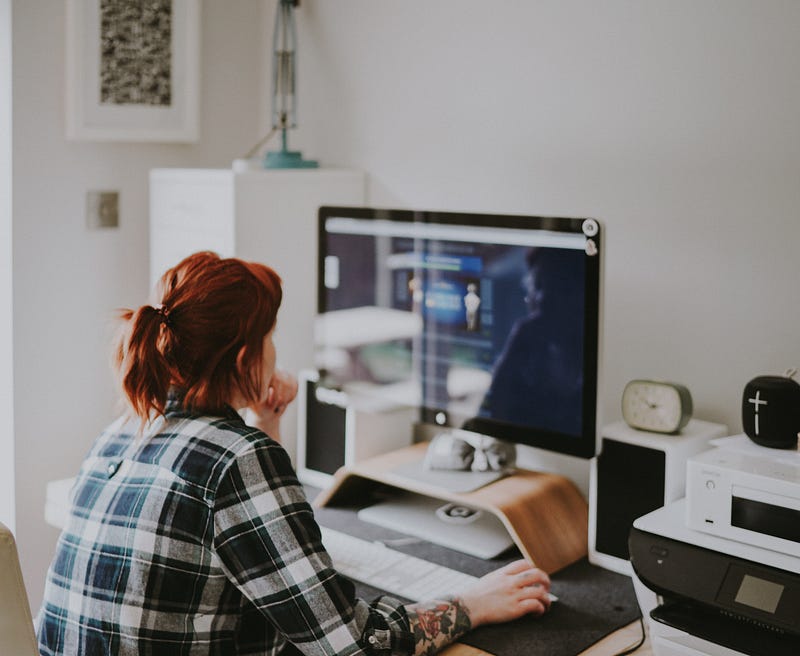
Work from home perks
So many of us dream of the benefits of home working and flexible working. I left my cushy job for this 5 years ago. Being in an office, tied down to a set time, with little flexibility didn’t work for me with two young children so I left to start my own business. Had I been offered a work at home solution and flexible hours to fit around school, I might have reconsidered.
Roll on a year….
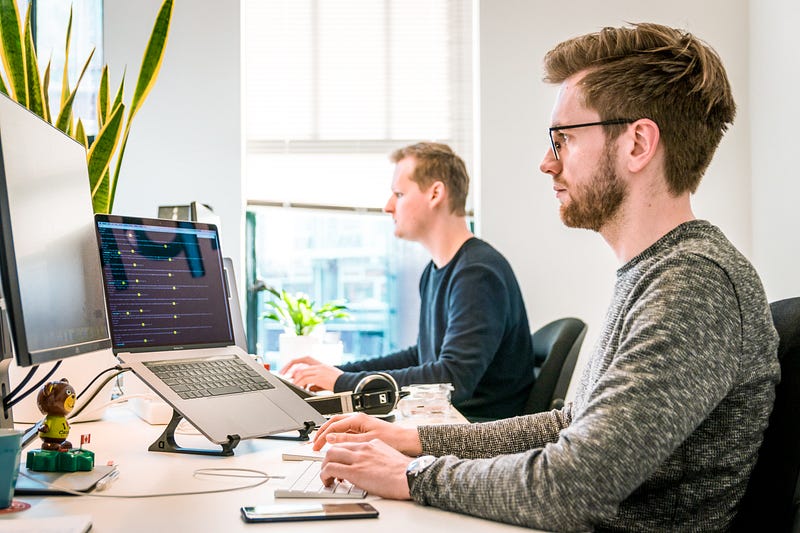
Many of us are still working from home and whilst the benefits are there, we are finding ourselves craving human contact with our colleagues and a clearer definition between work and home life. The thought of in person chats, a workstation away from the kitchen table and no distractions from those homelife chores that are staring at us, whilst appealing, is actually quite daunting. We’ve become used to a new way of life and going back to the office can feel like a scary thought.
At home we feel safe
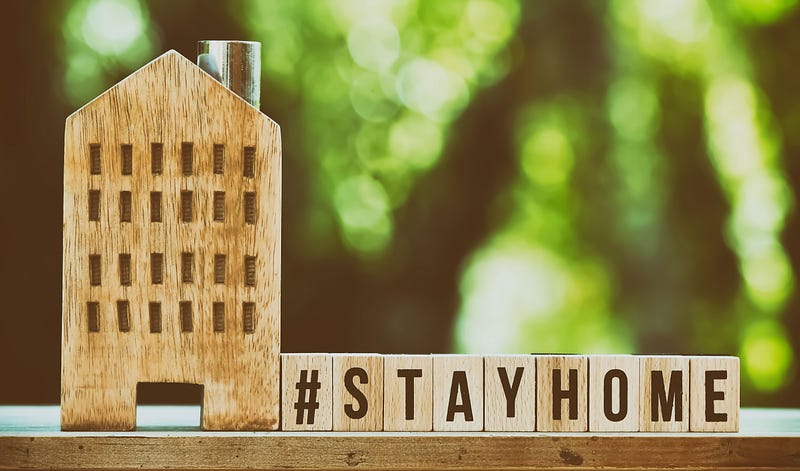
It’s normal and Ok to feel this way. We might start to wonder what is wrong with us, but the truth is, we have become conditioned to feel comfortable at home. It’s our safe place. All the fear around Corona virus has made this more so. At home we are safe. At home we are in control. At home we have certainty that everything is exactly as it should be. We have been told to ‘stay at home’ for so long and so the thought of being back in the office feels contrary to that.
As time goes on. These feelings grow and get deeper. For many of us, we have been working at home for over a year now and that’s a long time. It has become the norm, and whether we like it or not, it feels familiar and secure and in a time of such uncertainty, we hold on to anything that makes us feel that we have some level of certainty, some level of control.
Separation anxiety
As I’ve said above, when we are feeling uncertain, we cling to things that give us an element of control. Our homes are familiar places that can allow us to feel safe because they are filled with things that serve that function, including people we feel safe around. This can cause us to feel quite attached to them. We know that we as humans develop attachments with people, but we also develop them with places too, namely places that make us feel at ease and happy.
With this in mind, it’s very possible to see that we may develop a separation anxiety when we are expected to leave our homes, especially in times where we’ve had it drummed into us that they are the safest place to be. Much like a child experiences separation anxiety when they leave their mother for the day, we can feel separation anxiety when leaving our homes. This is why we often get home sick when away for long periods of times. We are missing the sense of safety and familiarity that we crave.
The official line
Separation anxiety isn’t a made up term, it has real clinical grounding. According to the Diagnostic and Statistical Manual of Mental Disorders, a criteria for a clinical diagnosis of separation anxiety is “recurrent distress when anticipating or experiencing separation from home or from major attachment figures”.
Separation anxiety may cause the following types of symptoms:
- Unusual distress or heightened fear about being separated from a loved one (or a place is this instance).
- Excesses worry that being separated could result in some form of harm.
- Physical symptoms, including nausea, headaches, stomach aches, throat problems.
For the majority of us, the feelings we are experiencing about a return to work aren’t clinical but that doesn’t mean they aren’t there.
Fight or flight
You may be wondering why this happens. Well, it’s all down to simple biology and our fight or flight mechanism. When we feel that we are in danger, our brain releases hormones cortisol and adrenaline, to make us more alert and vigilant in response to incoming danger. This causes us to get ready to either stand strong and fight off the danger, or run away (flight).
This is a fantastic survival instinct when there is a real threat of danger, but in cases like feeling anxious about going back to work, this is not helpful and only magnifies the symptoms. To reduce anxiety, we need to reduce this response, by working on the way we feel about returning to work.
Beating anxiety
Beating anxiety can be hard and it’s more about controlling it than beating it, because we are always going to feel anxious at times. As you know from above, it’s a biological function that keeps us safe, so our task is to control anxiety in situations where it doesn’t serve us, rather than remove it completely. Below I’ll run down some steps you can take to help you return to work whilst keeping anxiety levels to a minimum.
Take it slow
The transition back to work can be handled slowly over time, rather than one massive change all at once. Obviously, this is something you will need to discuss with your employer, but if you are feeling particularly nervous about the change in environment, you can put together some steps that will make you feel more comfortable. These could be something like:
- Gradual return to the office starting on a part time basis
- Reducing face-to-face meetings with large groups of people
- A more flexible wardrobe or a dress down day
- More autonomy with work schedules and breaks
These are just examples, because of course these will be different for each person depending on the requirements of the job role.
Creating certainty
Certainty in our lives helps us to beat anxiety. Without realising it, we create this on a daily basis to help us feel in control, especially when we are entering the unknown. For example, when you’re anxious or doing something new do you have something that you focus on because it allows you to have some control?
Many people say that they clean the house when things are a bit off the wall. That’s because this is something they can maintain total control over. When the world feels like its falling apart, they can exercise some control over the state of their home and give them some certainty in a world that seems to be constantly throwing curve balls.
We can use this notion to come up with things that make us feel some certainty but that don’t affect our daily lives, making us feel more confident when we go back to work for the first time.
One idea would be to think about the things that you have at home that make you feel comfortable and safe, that can be introduced to the workplace. Do you have a mug that you always use at home? A picture on your desk? Does wearing casual clothes make you feel more at ease? All of these can be incorporated into your office life.
Do you have a ritual that you do in the morning that can be performed before you leave for the office? A cup of tea in your favourite chair? A quiet walk? Doing these still can bridge the gap between home and work and stop you feeling anxious. They will bring with them some familiarity rather than the changes between home working and office working being so intense.
Physical aids
I’m a great advocate of having a physical object on our person to keep us feeling safe. When my daughter was anxious at school, she took a small crystal with her and squeezed it when she got scared. The crystal (rose quartz) represented love and kindness and she was reminded when she held it that she would see me soon and that I was thinking about her. As adults, these things are just as useful. Crystals have different properties and taking one with you to beat anxiety can be very powerful. Worry beads serve the same function, as can anything you can hold, fiddle with, smell, or whatever makes you feel at ease.
Organise
Another way to gain some certainty over your day is to make sure you are organised to minimise the risk of anything surprising you that you will find difficult to deal with without getting anxious. Plan your day, know where you need to be, what you’ll be doing and familiarise yourself with your tasks in advance. We can’t plan everything, there will be instances that we aren’t expecting, but being organised with the things you can control will make these situations easier to deal with.
Take home
Anxiety is something that we all experience. It can raise it’s head at any time and it affects us all at different periods and in different ways. Going back to work after a break is a trigger for so many people and with the impact of corona virus and the isolation and challenges it has brought with it, so many people are feeling particularly anxious and it’s not surprising. If you feel that your anxiety is at a level that you can’t control it is important to seek help from a doctor a specialist such as an alternative therapist or coach.
If you enjoyed this story, please click the 👏 button and share to help others find it! Feel free to leave a comment below.
To find out more about Nikki Vivian you can visit NikkiVivian.co.uk, check out her writing portfolio, find her on LinkedIn or find her on Facebook.