
Coping With A Ventilator
Using Visualization To Turn My Biggest Fear Of Heart Surgery Into A Nothingburger.
When my cardiologist told me I needed open-heart surgery to repair a seriously defective aortic heart valve, I couldn’t say what part of heart surgery terrified me the most.
Oddly, it wasn’t fear of dying, though one doctor warned I might have waited too long to have my heart fixed.
“You could die on the table,” was the cheery assessment.
I’ve had enough experience working in hospitals, writing about health and medicine, and absorbing a working knowledge of the human body through various side projects to hang out my shingle if I stumbled into a time machine and found myself back in the sixteen hundreds. So I knew I was in good hands.
But still. Having my chest cut open didn’t put me at ease the way having my knee scoped did.
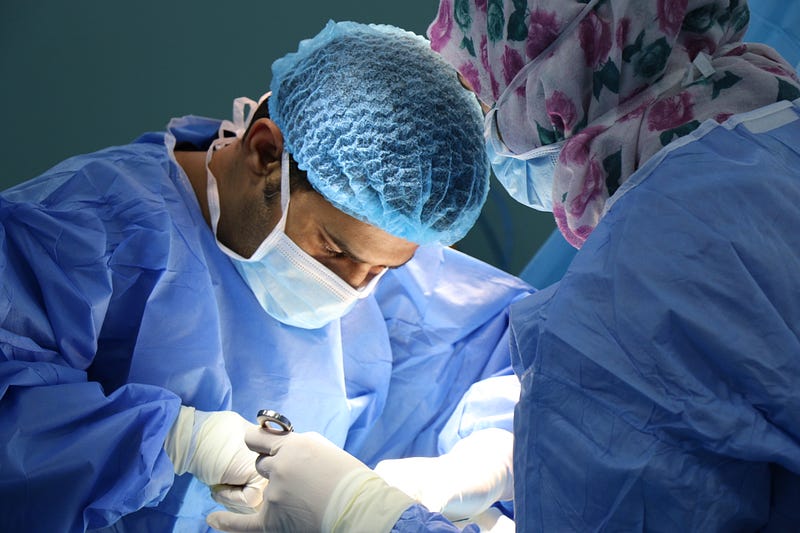
Yet, I was managing my fear about the terrifying procedure until Doctor B. began describing the machines.
First, I’d be hooked up to a heart-lung machine, or the pump, as they call it, to redirect my blood so they could actually work on my heart without me bleeding to death. I already knew that when this miracle pump was invented in the ’50s, it revolutionized heart surgery. It paved the way for transplants and made the type of surgery I needed if not routine, then much more common and safe.
Yet, I preferred not to think about the mechanics of outsourcing my own life’s blood, and took his word that it would be all good.
It was when he mentioned the ventilator that I said, WTF?
Wouldn’t I be able to breathe?
This, I hadn’t bargained for.
Weeks away from the surgery, in the comfort of my bedroom with all the air I needed, I was already getting claustrophobic at the idea of having something clamped over my nose and throat. How was I going to deal with the reality?
I would come out of the surgery needing breathing assistance.
He described how I would come out of surgery needing breathing assistance and that many people find breathing on a respirator the hardest part of the operation. Hell to the yeah. Count me among them. Look at me, having an attack of claustrophobia just talking about it.
He did all he could to assure me that the machine would take over my breathing function, and if I had trouble coping with it, they would just put me to sleep until I could have it removed.
Well, that sounded better. What, for like an hour? I asked. No, maybe a few days. Some people have to have their hands put in restraints because they try to pull the ventilator out.
My doctor warned me that a percentage of people who wake up on a breathing apparatus immediately panic, even though the machine is breathing for them. It’s a mind thing.
Oh. My. Effing. God. Can you give me oxygen right now I wanted to say?
Despite all my friends discouraging me, when I got off the phone, I flew onto the internet. Among the images I found but didn’t need to see was a video of the actual operation. Someone’s heart being cut open and, well, use your imagination. I totally freaked out. Cue anything that would calm me down.
But actually, my innate curiosity about the body and surgery took over, and my initial fear dissolved. I began to wish I could film it so I could see what my innards actually looked like.
I realized I was okay with having the surgery; after all, it would save my life. Also, I had such confidence in my surgical team that I had zero fear of death.
But that ventilator? When I say I have claustrophobia…when I booked an inside room on a cruise, I was almost clawing the door to get out at night. I need tranquilizers for an MRI, and I’m not joking when I say I’d rather die in an earthquake than get trapped in the rubble of a building for hours or god forbid days before rescuers found me.
So, yeah, the idea of something covering my mouth for any length of time sent me into a panic.
But I know that effect of positive visualizations on surgeries and dental procedures. I’ve literally written a book about it. So I got to work.
Every day before the procedure, I would do positive visualizations, envisioning every moment of the surgery going well.

I did this every day, several times a day. However, visualizing waking up on the respirator was tough. I would begin to gasp and feel panic at that part of my exercise.
So, I began talking to myself, visualizing the respirator breathing for me and relaxing, being totally at peace. I did this nightly over and over. I did it for all aspects of the surgery. I visualized my heart welcoming the procedure that would make it easier to pump afterward. My lungs and blood circulating properly and my nerves cooperating with the surgeons working on me.
I talked myself through what I knew would take place, assuring myself the anesthesia would go smoothly, the pump would take care of me, and so on. That my heart, lungs, blood vessels, nerves, and muscles would relax and welcome the surgery to repair my body.
I repeatedly walked myself through to effortless healing and recovery. I envisioned my brain welcoming the pump, all with no complications. When I stumbled over the respirator part, I breathed and relaxed and kept going until I was able to visualize myself waking up relaxed.
By the time surgery came, fear of the ventilator had slipped to one of my minor concerns, not the major one.
I awoke in Cardiac ICU after the surgery that night in a strange setting with many uncomfortable sensations. I begged the nurse watching over me for some water. How did I ask? I couldn’t speak. Oh yeah, I was on the ventilator. I motioned to my mouth. The nurse swabbed my lips with Vaseline, and I relaxed. The ventilator?
I vaguely recall hearing it hissing away, but for me, finally being hooked up to it was a total non-event. I felt like I was breathing normally. The only difference was that, because of the apparatus in my mouth, I couldn’t speak.
The ventilator didn’t frighten me. It breathed for me as promised. Nothing felt out of the ordinary.
Well, as far as breathing was concerned. When it came time for the nurses to remove it a few hours later, I followed their instructions when they said to take a breath or cough. Or whatever they told me to. I don’t recall exactly. I just know in seconds it was out.

I was on my way to recovering and getting my life back to normal.
Open-heart surgery is not the only procedure requiring a ventilator. Often, a patient will require an assisted breathing machine with no advanced warning as I was. Watching a loved one breathe on a machine can be disquieting. But I can tell you from personal experience, that it feels as normal as regular breathing.
I’ve wanted to relate this experience for some time to demonstrate that what can seem frightening is actually quite tame. Surgery is stressful on the body and mind. Because I know that this life-saving apparatus can seem scary to patients and loved ones, I hope my experience can help put you at ease should you ever require one.
Let me know in the comments if you’ve ever had experience with a life-saving surgery. I’d love to hear from you.


