
CANCER, HEALTH, AND BIOLOGY
CCBE — Part 9: Issues with the genetic-mutation theory of cancer
Why mutated genes are only part of the answer when it comes to cancer
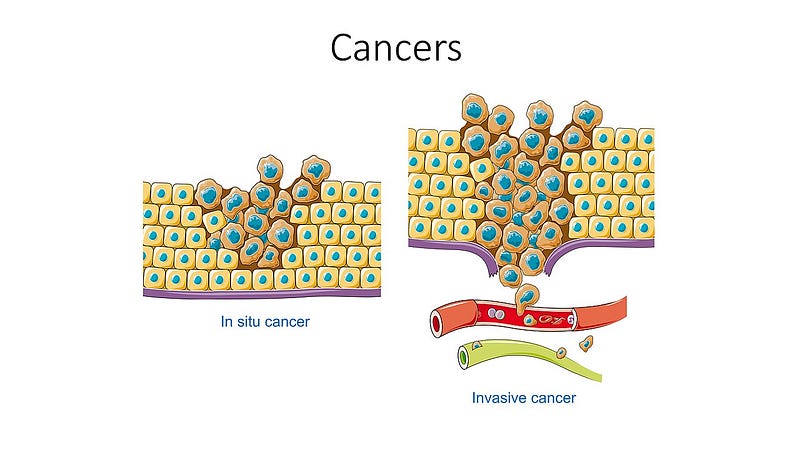
Recap
Last time, we discussed evidence that genetic mutations are the root cause of cancer. The evidence for this idea seems air tight, as research has found that many different risk factors for cancer are able to damage DNA, and cancer cells are full of genetic mutations. However, today we’re going to poke a few holes in that story and complicate things a bit.
Today
We’ll cover findings that don’t seem to conform to the standard genetic-mutation view of cancer. Taken together, these findings suggest that mutated genes play a role in cancer, but don’t give us the whole story. This will lead into our discussion about alternatives/additions to the genetic-mutation theory of cancer.
What does the genetic-mutation theory of cancer get wrong?
The conventional genetic-mutation theory of cancer assumes that cancers begin as a single cell with an unlucky combination of mutations. Genetic mutations are common as we age, but most mutations are benign. By the time we’re middle aged, Kat Arney describes us as “a patchwork of mutation”, most of which are in healthy cells with no discernable issues.
As we discussed last time, the key is that mutations are only problematic when they occur in the type of genes that control cell multiplication and the molecular machinery of programmed cell death (apoptosis). Because the process is random, cancer is actually relatively rare at a personal level.
But with tens of trillions of cells and a range of ways that DNA can be damaged across a lifetime, there’s a good chance that at least one cell will eventually lose this genetic game of Russian roulette and become a cancer. According to the standard view, this cell multiplies aggressively, thus becoming tumours and causing damage that can kill the host organism.
Without doubt, cancer cells have genetic mutations, many of these contribute to the aggressive growth and resistance to programmed cell death (apoptosis) that define cancer, and at least some cancers are caused by these genetic mutations. However, key assumptions of the genetic-mutation theory turn out to be more tenuous than people initially realised.
Many genetic mutations are benign
For one, our understanding of which are the ‘wrong’ genes has undergone some revision. Researchers seem to have been guilty of confirmation bias (seeing what they expected to see), as they initially neglected to test whether the mutations implicated in cancer are also found in healthy cells. In some cases, mutations thought to cause cancer were also found in the genes of cells that appear to be perfectly fine.
Features and behaviours of many tumours/cancers don’t fit the theory
The idea that tumours originate from a single cell has also come in for criticism. This is because the cancer cells within many tumours show more genetic variation than you’d expect if they all descended from a common cellular ancestor.
Although some tumours do seem to be the result of a single rogue cell becoming cancerous, the level of genetic variation in other tumours implies that they’re the combined product of multiple different cancerous cells that fused into a single cancer. Because mutations are random, the chances of this happening shouldn’t be very good.
Some cancers also have genetic damage on a scale much larger than a collection of important genes, as entire chromosomes can be deformed. Even more strangely, the chromosomes may also make too many copies of themselves, for reasons that currently aren’t well understood. These findings are difficult to square with the conventional genetic-mutation theory of cancer.
Cancers (usually) don’t transfer between people
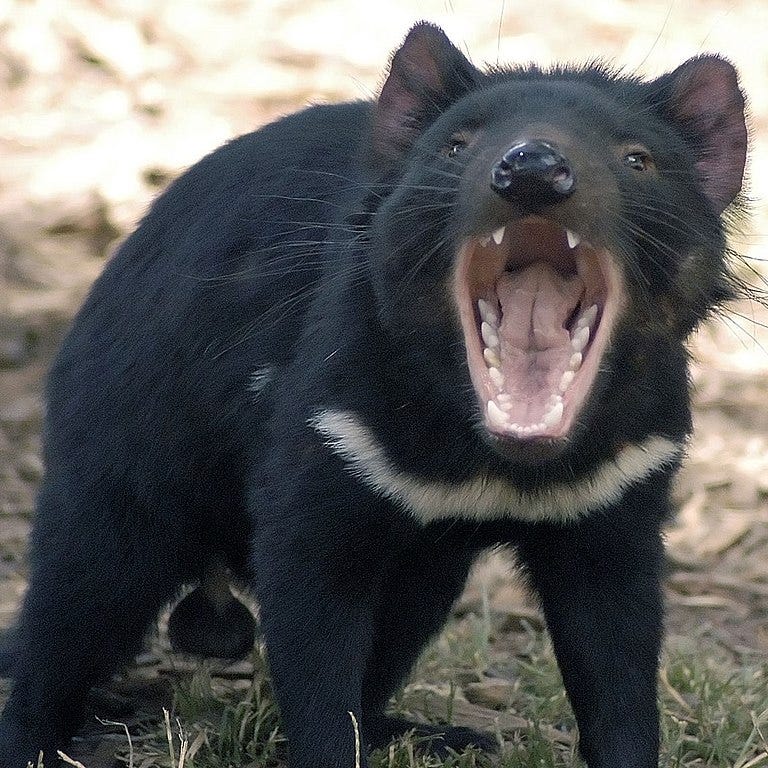
Another finding that points to similar conclusions involves the transfer of cancers between people. No cases have been documented of person-to-person transmission of infectious cancers, but some grim incidents show that it’s technically possible.
In these cases, cancers taken from one person continued to grow when placed into a recipient. In one instance, a mother had some of her daughter’s cancer cells inserted into her body in an attempt to stimulate an immune response and thus develop an immune therapy for her daughter. At the time, it was believed that cancer couldn’t transfer between people, but a tragic outcome proved this assumption wrong.
The daughter soon passed away, the cancer cells put into the mother surprisingly continued to grow, and the mother was killed by exactly the same cancer that took her daughter. This shows that cancer can transfer between people, but findings from a nefarious incident in cancer research suggest that the recipient’s immune system can usually fight off foreign cancers.
In a shocking episode during the 1950s and 60s, US researcher Chester Southam injected live cancer cells into people without their consent to see what would happen. He lied about the purpose of his research, or didn’t even explain it, and targeted vulnerable people like cancer patients and prisoners.
Most injected cancer cells were repulsed by the immune system, which has apoptosis in its toolbelt, but a minority continued to grow in their new hosts. (Southam was rightly condemned when the public found out about his experiments in the mid-1960s.) What does this tell us about the genetic-mutation theory of cancer?
The key point is that cancers are usually subdued by the recipient’s immune system. If the whole issue with cancer is defective genes inside cancer cells, you’d expect most or maybe all of those cancers to transfer, instead of just a small minority. This suggests that there’s more to cancer than just rogue cells with an unlucky combination of mutated genes.
Despite our efforts, cancer death rates have remained mostly stable
As Nick Lane explains in Transformer, the same conclusion is also suggested by the overall cancer death rate, which isn’t much lower than in the 1950s, despite decades of study. People like Kat Arney and Nick Lane agree that we now live longer than we used to following a cancer diagnosis, and cases like Gleevec are a major victory. However, they also point out that the overall rate of progress for most cancers has been slow.
There’s clearly truth to the genetic-mutation theory of cancer, but it seems to only be part of the story. This questions the bang-to-buck ratio of the genetic-pharmaceutical approach that’s become the norm in research and treatment, and suggests that we may need some new ideas.
Next time
For example, Kat Arney and Nick Lane both suggest different ways that we can think about cancer that still incorporate what we’ve learned about the role of genes. They each have a different focus but overlap in certain respects.
As an evolutionary biochemist studying energy and metabolism, Nick Lane takes a special interest in the metabolic aspects of cancer. He emphasises the cell’s internal environment, its relationships with its neighbours, and how this relates to cancer metabolism.
Kat Arney takes a similar approach in understanding cells as a collective. But she steps back slightly from the molecular world of metabolism to look at the anatomy of the physical tissues in which cells spend their lives.
In both cases, they use principles from evolution and ecology (the study of ecosystems) to better understand cancer as a phenomenon. As we’ll see, cooperation and competition are central to many of their thoughts about cancer, biology and evolution.
We’ll hear more about their ideas, and how they build on what we’ve covered so far, when we pick up the story next time. See you then!


