CANCER, HEALTH AND BIOLOGY
CCBE — Part 8: The genetic-mutation theory of cancer
A brief history of why genetic mutations became the lead suspect in our fight against cancer

Recap
We’ve now covered most of the important fundamentals about biology and evolution, and we’re ready to apply what we’ve learned to various real-world phenomena. The first cab off the rank is cancer, which we’ll dive into over the next few articles, starting today. We recently discussed energy and its relationship to metabolism. This brought us to cellular respiration, one of the major aspects of metabolism.
In oxygen-consuming organisms like us, cellular respiration generates energy using the same combustion method that creates fire and allows cars with an internal combustion engine to move. Although oxygen is the guru of efficient energy production, for all its virtues, oxygen is also dangerous, as fires can savagely burn, and oxygen can transform even solid iron into decrepit rust.
These dangers highlight the dark side of oxygen, including oxygen-containing free radicals and their awesome powers of electron theft (oxidation), an essential mechanism behind fire, rust and the creation of ATP.
Free radicals have been cleverly repurposed to serve useful biological functions in many cases, including in the immune system. But they still remain volatile molecules that require special safeguards (anti-oxidants) to protect important and vulnerable stuff inside our cells, such as our DNA.
Today
As we’ll see today, this dovetails with the understanding of cancer that’s currently dominant, which suggests that cancer is driven by genes that are faulty due to mutation. This view often returns to the topic of free radicals, as many hazards associated with cancer exert their effects via free radicals, from sunlight and nuclear radiation to lifestyle factors like obesity and smoking.
All of this directly implicates mitochondria and cellular respiration as well, which are a constant and major source of free radicals in our cells, and are within striking distance of DNA. Consistent with this story, researchers have found evidence of genetic mutations related to cancer.
We’ll start with a look at how cancer came to be understood as a disease of mutated genes. This’ll take us through the evidence in support of the genetic-mutation theory, and link to a number of points that we’ve touched on in the series so far.
What is cancer and how is it caused?
Until recently, very little was known about cancer. Geneticist and science communicator, Kat Arney, discusses some of this history in her book, Rebel Cell. People once claimed that cancer is a uniquely human disease, and also a modern disease, linked in some way to our current way of life.
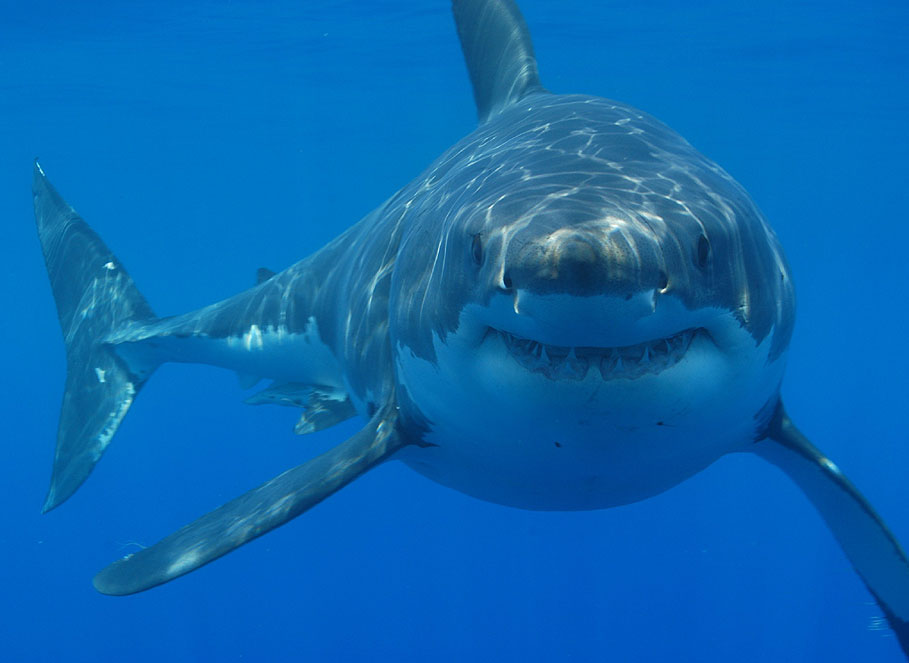
But research has proven otherwise, as cancer has been found in almost every organism studied so far, including sharks, with rare exceptions like comb jellyfish and sea sponges. Wherever you find multicellular organisms, you virtually always find cancer. Cancer certainly isn’t new either, as it has been found in dinosaur fossils from millions of years ago.

In the first half of the 20th century, the leading ideas about the causes of cancer involved threats from the environment. Some blamed human-made pollution after seeing examples like the so-called ‘chimney boys’, who got covered in soot cleaning chimneys and were more likely than others to get nasty cancers. In a similar vein, air pollution, asbestos and smoking are known risk factors for cancer today.
Others blamed nature-based pathogens, such as viruses. This turned out to be another good idea, as we now have examples of many cancers being linked to viruses, such as the link between cervical cancer and human papillomavirus (HPV). Useful as they are, these ideas pointed towards the cause without identifying it, as we still didn’t know exactly how things like pollution and viruses could cause cancer.
The genetic-mutation theory of cancer
The idea of genetic causes of cancer gained traction around the 1950s and 60s, and has since become the dominant way we understand cancer. The idea behind this view is that cancers are caused by mutations of genes that regulate the multiplication of cells, as cancer is a disease of pathological cell growth. This was another clever thought, as genes provided a common mechanism by which different threats could cause cancer.
When we breathe in pollutants from the environment, they can damage cells, including DNA. Viruses that invade our cells hijack our genetic machinery in order to replicate themselves, and can harm our DNA in the process.
Another way viruses can mutate DNA brings us back to lateral gene transfer, which we discussed earlier in the context of cooperation and competition among bacteria. Lateral gene transfer is easy among bacteria, and is one of their key evolutionary strategies, but was once assumed to be impossible in eukaryotes like us.
However, research now suggests that up to 8% of our genes may have been gained via lateral gene transfer. We don’t share genes like bacteria, but some types of viruses pick up genes and then insert that DNA into the genome of another organism (viruses called bacteriophages do this to bacteria as well, including our gut bacteria).
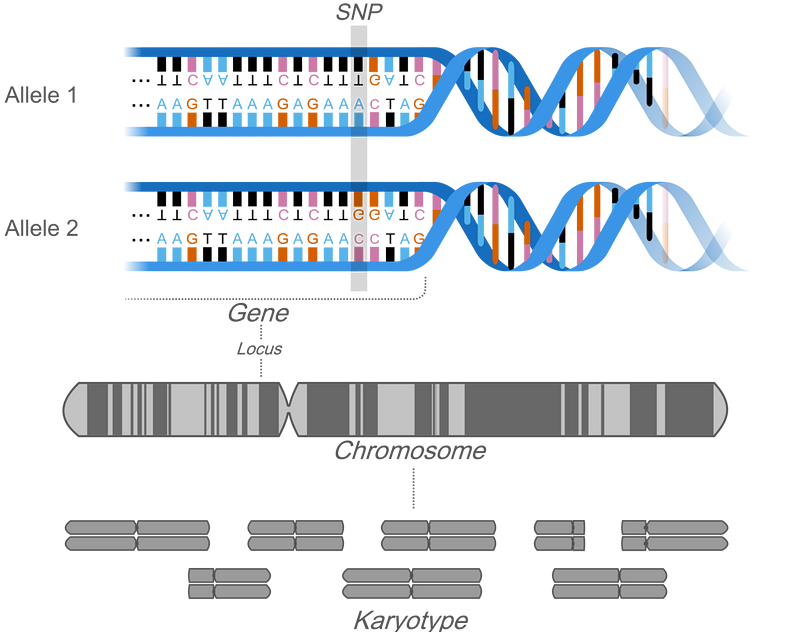
Linking to cancer, this can also cause genetic mutations. When we realised that electromagnetic radiation can cause cancer (e.g., sunlight and nuclear radiation), this was consistent with a genetic-mutation view as well, as radiation can mutate genes by creating free radicals inside our cells.
Cancers can even escape programmed cell death (apoptosis) in a way that comes back to mutated genes. At the end of the last article, we noted that rapid leakage of free radicals from mitochondria is used by cells as a signal of danger. This is a wise move, as prolonged exposure to free radicals (oxidative stress) is linked to many serious conditions, including cancer.
To preserve the health of the collective, cells with dysfunctional mitochondria that drive oxidative stress are destined for programmed cell death (apoptosis), which is coordinated by the immune system.
But this strategy has a weakness, as we rely on genes to produce the molecular tools that apoptosis requires. If the genes for apoptosis were dysfunctional, like due to mutations in their code, this would remove a major obstacle to a cancer’s growth. Sure enough, mutations in genes related to apoptosis have been implicated in cancer.
Metabolism and cancer
In his book, Transformer, our favourite evolutionary biochemist, Nick Lane, describes how mutations in genes seem to explain some puzzling features of cancer metabolism as well.
One of the oldest examples of this is the Warburg effect, named after its discoverer, Otto Warburg (1883–1970). Warburg was a major figure of modern science, being nominated for the Nobel prize 47 times, and winning it once in 1931.
The Warburg effect brings us back to cellular respiration and fermentation. It refers to the unexpected finding that many cancer cells rely on fermentation rather than oxygen-dependent (aerobic) respiration, even when oxygen is readily available.
In a recent article, we heard about the limits of fermentation, as it produces harmful waste products, like lactic acid, and makes ATP far less efficiently than oxygen-dependent (aerobic) cellular respiration. That being the case, it’s odd that many cancer cells shun oxygen and instead rely on fermentation.
Consistent with the genetic-mutation view, research suggests that the cell is tricked into thinking it’s oxygen-deprived because of mutations in genes for key metabolic enzymes. These are molecules that regulate the chemical reactions on which metabolism depends. The confused cell then resorts to fermentation, sloppily pumping out waste products that its neighbours need to clean up (e.g., up to 70 times the usual amount of lactic acid).
Without getting lost in the details, the switch encourages the cell to multiply. In an insidious move, cancer’s waste products can also harm other parts of the body, both near and distant, and some of the molecular debris can be used as fuel by the cancer. This creates a positive feedback loop in which healthy tissue is sacrificed to feed cancerous growth.
Successes and limitations of the genetic-pharmaceutical approach to cancer
When researchers found these converging lines of evidence, the idea of mutated genes causing cancer became the new orthodoxy. Emerging from this, people thought that the way to treat cancer was to identify faulty genes and find drugs to correct the problem.
Indeed, this approach has produced success stories. Perhaps the best example involves the drug Gleevec, which is very effective at treating leukaemia. In line with what we’ve heard, Gleevec works by inhibiting cell growth and inducing programmed cell death (apoptosis).

Sadly, however, Gleevec may be the high-water mark for the genetic-pharmaceutical approach to cancer, as this degree of success hasn’t been replicated in other cancers. In tandem with this, a chorus of contrary voices has steadily grown louder, highlighting findings which suggest that the genetic-mutation view isn’t the entire picture when it comes to cancer.
Next time
When we continue next time, we’ll talk about some of the issues with the genetic-mutation theory, and the implications for cooperation and competition. After that, we’ll cover some new ways of thinking about cancer that people like Nick Lane and Kat Arney are proposing.
Once we’re done with cancer, we’ll zoom out from cells and metabolism to discuss the communities of organisms that colonise the organs of our body. See you then!