
BIOLOGY, ENERGY, AND EVOLUTION
CCBE — Part 7: Mitochondria, free radicals, and energy
How the creation of energy demonstrates some of the deep unities and differences in nature

Recap
Oxygen is the superstar of efficient energy production in the biological world. Compared to oxygen-independent (anaerobic) respiration and fermentation, oxygen-dependent (aerobic) respiration produces so much more ATP, and thus bioavailable energy, that it increased the potential length of food chains and transformed life on Earth. Ecosystems and populations expanded and diversified, and predation became a viable way of life for many organisms.
Behind all this is the hydroelectric dam of respiration, a major aspect of metabolism that largely occurs inside the mitochondria of oxygen-dependent (aerobic) eukaryotes like us. This dynamic has cooperation and competition out the wazoo, and makes a lot of sense given what we see in ourselves and other eukaryotes today.
But we noted last time that there’s a gap in our reasoning. Typically, no self-respecting bacterium would share its hard-won ATP with anyone, let alone some archaeon that was probably trying to ‘eat’ it when the eukaryotic merger occurred. So what gives? How did their endosymbiosis not crash and burn from the start? The answer brings us to free radicals and the dangers of oxygen from fire and rust to stress and cell death.
Today
We’ll discuss free radicals, what they have to do with oxygen, and how this relates to energy. This will shed light on the nature of energy, and explain how the eukaryotic endosymbiosis survived and thrived in its volatile early days.
What are free radicals?
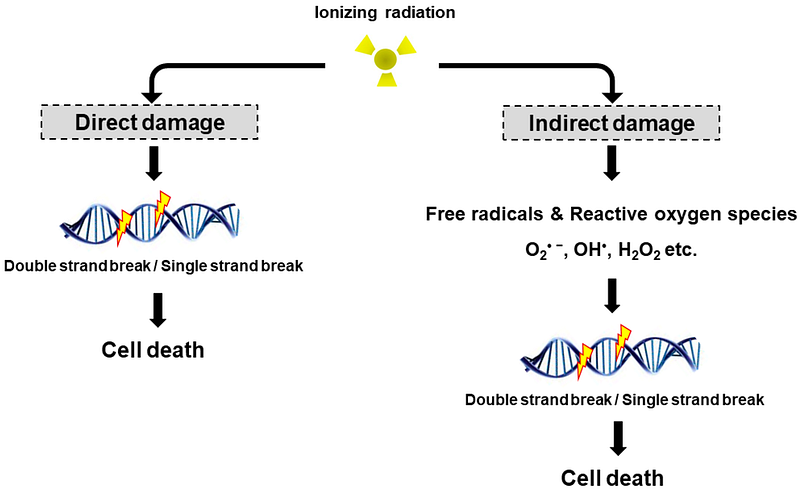
Free radicals are any molecule with an unpaired electron orbiting around it. That could technically include many different types of free radicals, but the most common type found in eukaryotes involves molecules that contain oxygen. These free radicals are also known as reactive oxygen species, but we’ll just use the term free radicals for the sake of simplicity.
Free radicals are bad news because their unpaired electron (or electrons) makes them reactive. Electrons prefer to come in pairs, and an unpaired electron will encourage the molecule to correct its imbalance by stealing an electron from, or dumping an electron on, some other molecule. This can start chain reactions and cause damage to cells and their contents, including important stuff like DNA.

Free radicals in biology and metabolism
Many free radicals leak from our mitochondria due to electrons escaping and combining with free oxygen. This can happen when blockages occur in the electrical current for the pumps that fill the hydroelectric dam inside mitochondria. As electrons spill out, if rogue oxygen is skulking around, free radicals can be readily formed. Once formed, free radicals interact with their nearest target, potentially causing havoc.
Interestingly, free radicals are also essential to the creation of fire, which involves the rapid theft of electrons (oxidation) from a source of carbon. Funnily enough, this link winds up being useful, as a closer look at combustion helps us to better understand cellular respiration and the nature of energy.
The surprising equivalence between fire and cellular respiration
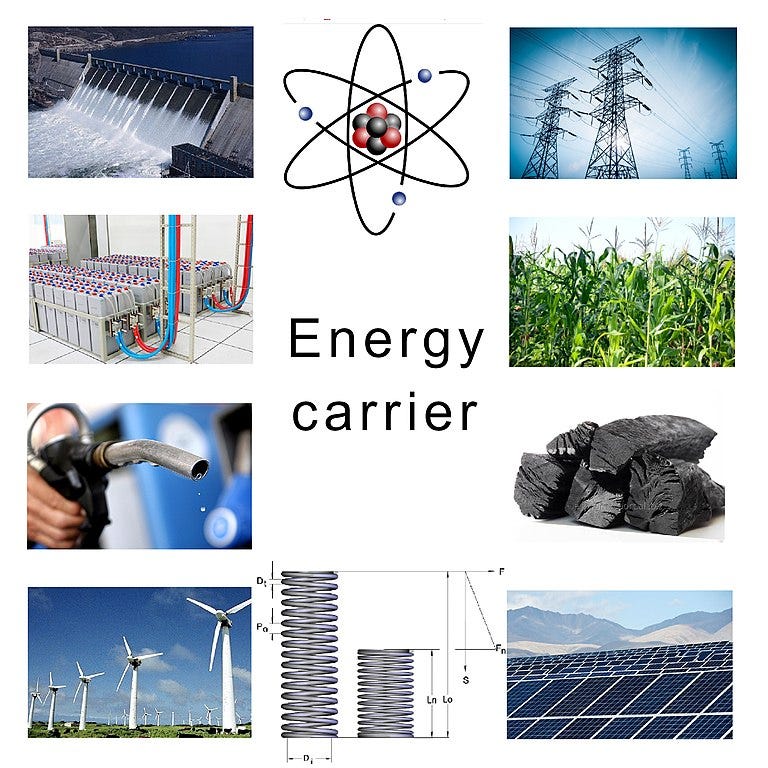
This is because fire releases energy in a different form to cellular respiration, but uses a similar method. In general, energy is defined as the ability to do work, which is broad enough to come in many forms. Combustion burns carbon (i.e., oxidises carbon by stealing electrons) using the oxygen in air, generating energy in the form of heat and light.
It’s been known since Antoine Lavoisier (1743–94) that combustion is directly analogous to the way the oxygen we breathe is used to create energy in our bodies. (Lavoisier was a pioneer in the early days of modern chemistry, but was guillotined as a collaborator during the first French Revolution.)
The oxygen we breathe is shuttled through our circulatory system to mitochondria where it plays an essential role in the process that burns (oxidises) carbon from our diet, like sugars such as glucose. This feeds a suite of interrelated chemical reactions at the heart of metabolism that power cellular respiration and produce chemical energy in the form of ATP. The same principle behind burning (oxidising) carbon to produce fire and ATP also applies to the way combustion is used in engines to give cars the kinetic energy to move.
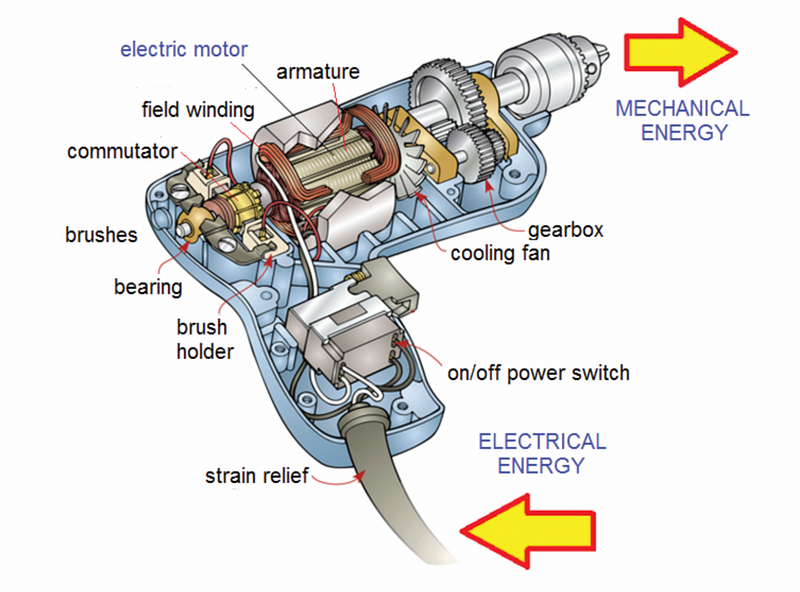

By oxidising a source of carbon, combustion and respiration release energy in similar and different forms: heat (thermal energy) and light (electromagnetic energy) from fire; heat and movement (kinetic energy) from the engine; and heat and ATP (chemical energy) from aerobic respiration. They all use oxidation to release energy from carbon, but then channel that energy in similar and different directions. This equivalence between combustion and cellular respiration highlights some of the deep unities in nature.
Oxygen, the helpful free radical
Oxygen gets mixed up in all this because it’s often keen to make mischief by stealing electrons from other molecules (oxidation). This can be useful, like in oxygen-dependent (aerobic) cellular respiration, where oxygen plays an essential role as an electron acceptor, thus allowing the hydroelectric dam inside mitochondria to keep chugging along.
The trade-off between energy and the dangers of oxidation
However, as we discussed, oxidation can be a major hazard, causing damage to important stuff like DNA. (Just look at the experience of iron, which is oxidised into rust by water and the oxygen in air.) In this way, oxygen is somewhat two-faced, as it both fuels efficient energy production and poses a threat to our cells and molecules.
This means there’s a trade-off in aerobic life between the benefits of efficient energy and the dangers of oxidation and free radicals. (See the bonus section to find out how oxidation is responsible for Brits becoming known as Limeys.) The potential danger in this trade-off is even reflected in the way oxygen is distributed around the body.
Our blood delivers oxygen to mitochondria in every cell to power the hydroelectric dam of respiration. But its concentration around the body is also strictly controlled by the circulatory system, and oxygen is tightly caged by molecules like haemoglobin while it’s in transport.
One cautious strategy of molecules like haemoglobin is that they release their oxygen when they detect that surrounding levels are low, ensuring that excess oxygen isn’t floating around and waiting to form free radicals. In a clever adaptation, marine mammals like whales have a high density of these slow-release molecular cages for oxygen, such as myoglobin, allowing them to hold their breath for extended lengths of time.

Organisms also have other ways of limiting oxygen concentration and defending against oxidation and free radicals, such as anti-oxidants, which oppose electron theft (oxidation). We rely on foods for some anti-oxidants, like vitamins C and E. Multicellularity is even a useful anti-oxidant strategy, as it lowers the oxygen concentration per cell.
You can also see this principle play out in the minority of oxygen-hating eukaryotes today. One example, known as ciliate protozoa, swim away from oxygen in liquids. When escape isn’t possible, they clump together to mutually benefit from each other’s collective anti-oxidant defences, like penguins huddling for warmth.
Oxidative stress and health
When free radicals are produced faster than anti-oxidant defences can mop them up, cells are said to experience oxidative stress. This can result from lifestyle factors like obesity and smoking, and has been implicated in many life-threatening conditions, such as heart disease and cancer.
How the threat of oxidation drove evolution
Things were especially hazardous when oxygen first burst on the scene, as there hadn’t been much time for anti-oxidant defences to evolve, and anti-oxidants were very hot property. This brings us back to the birth of the eukaryotes.
After being engulfed by the archaeon, the bacterial ancestor of our mitochondria wasn’t ready to share its ATP just yet, but it was already pretty good at consuming oxygen and dealing with free radicals.
(Part of the bacterium’s skill in handling free radicals also came from a history of exposure to solar radiation. This radiation beamed down on Earth for aeons without the atmospheric protections that we now take for granted, such as the ozone layer.)
In the brave new world of increasing oxygen levels, the archaeon essentially lucked into a dynamite anti-oxidant. On this reasoning, the bacterium initially kept the archaeon safe from the dangers of oxidation, and over time their partnership blossomed into what we see today.
How this helps us to understand life and disease
Now that we’ve covered a lot of the fundamentals of biology and evolutionary history, we can use this to understand various phenomena in the living world. As always, cooperation and competition are central features at every level, from ecosystems to organisms and individual cells.
The example we’ll start with is cancer, which turns out to be relevant to a lot that we’ve covered about energy, metabolism, free radicals, and the cellular collective. To finish for today, let’s take a brief look at the link to cancer as a prelude to next time.
A brief introduction to free radicals, oxidation, and cancer
Turning dangerous but unavoidable molecules like free radicals into useful processes is part of the genius of evolution. Organisms have found ways to use free radicals and oxidation to do important biological work, such as in the immune system.
As we touched on last time, this includes a crucial role in the process to trigger cell death. For example, when an organism’s anti-oxidant defences are overwhelmed by free radicals for extended periods, this chronic oxidative stress can activate molecular pathways inside cells that instruct them to commit suicide.
Here again, we see the trade-off between the power of oxygen to create energy and its potential to damage our cells. This trade-off pits eukaryotic cells against their mitochondria, as mitochondria are the furnace in which oxygen is consumed, and from which most free radicals are released.
This is the lingering tension between eukaryotic cells and their mitochondria, as mitochondria are the secret behind eukaryotic life, but can also be a cell’s downfall. Most cells comply, making the ultimate sacrifice for the sake of the collective. But some rebels refuse to cooperate.
In defiance of their molecular orders, they develop ways to aggressively grow at the expense of their neighbours. With dark irony, this rebellion can go so far as to kill the organism that the renegade cells depend on for life. These shortsighted cells are known as cancer.
Next time
Next time, we’ll discuss the history of ideas about cancer and the evidence that cancer is caused by genetic mutations. As we’ll see, the genetic-mutation theory of cancer connects to many of the points we’ve covered so far. See you then!
Bonus: Vitamin C, scurvy and why the Brits became known as Limeys
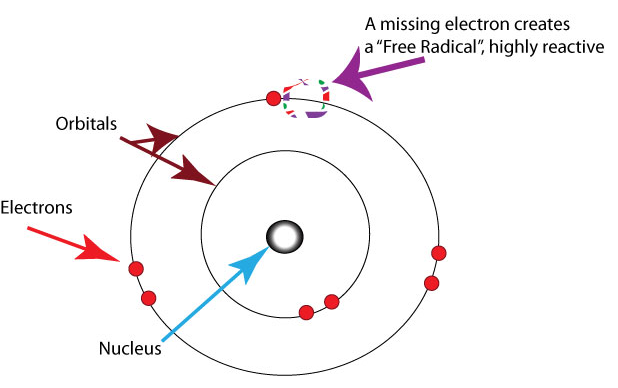
In the figure below, the oxygen molecule on the left had an electron stolen by some other molecule. In the lingo, the oxygen molecule was ‘oxidised’ and the molecule that stole its electron was ‘reduced’ — isn’t jargon fun!
Because it now has an unpaired electron, this new free radical will quickly attempt to fix its imbalance by stealing (oxidising) an electron from its nearest target. This can begin chain reactions of electron theft (oxidation). These chain reactions will continue until two reactions meet and cancel each other out, or the reaction is blunted by anti-oxidants, such as vitamins C and E.
Anti-oxidants achieve this because they can afford to donate or gain an electron without themselves becoming reactive, thus ending the chain reaction. Vitamins C and E do this by acting as electron donors, blocking chain reactions of electron theft (oxidation).

We actually have genes that once produced vitamin C, but a gene that makes an important contribution to the process is no longer functional due to mutations in its code. That’s why we need to get vitamin C in our diet.
The fact that the gene isn’t functional implies that our evolutionary ancestors have always been able to find steady supplies of vitamin C in their food. Because the environment offers a healthy supply, genes for producing vitamin C had no pressure to work properly, and so a crucial gene was lost to mutation over time.
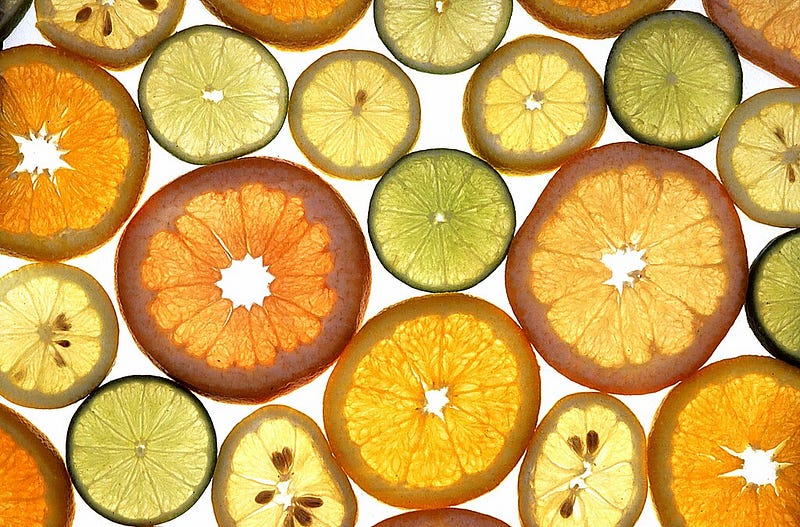
Consequently, if the environment doesn’t provide vitamin C, we slowly perish, as you see in the condition known as scurvy, which is caused by vitamin C deficiency. This used to be a massive problem for sailors, who could be stuck on ships for years with little or no vitamin C.
For the longest time, the causes of scurvy were a total mystery. In a stroke of luck, British researchers found part of the answer in the mid-1700s, when James Lind ran experiments on sailors with scurvy and found that lemons were an effective cure.
Among other things, they also tested cider, which was less effective but still had some benefit. This seems like a masterstroke in hindsight, but it was a real shot in the dark, as we can see by the fact that they also tested whether sea water was effective.
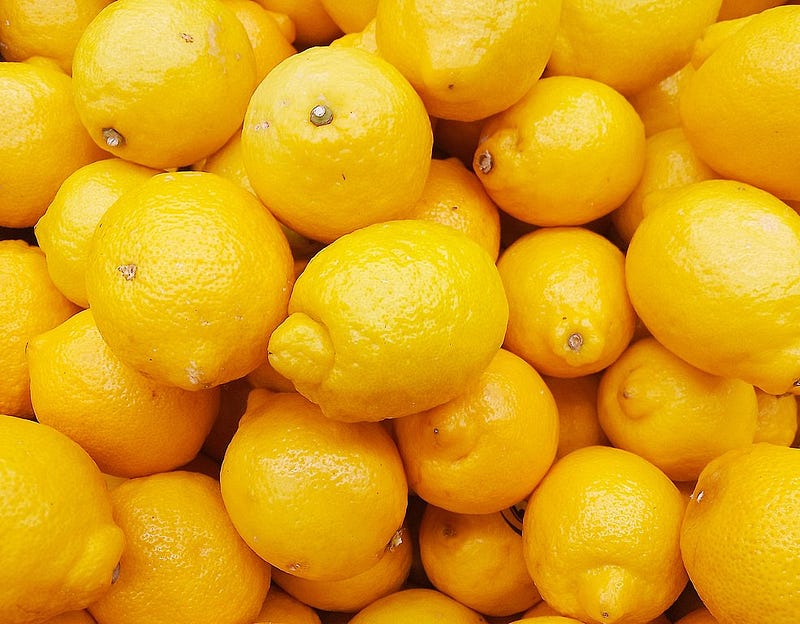

Lemons were a game changer for sailors, who could now sail around the world and expect not to die of scurvy. This was a massive improvement, as scurvy might previously have killed up to half the crew or more on long sea voyages. A funny byproduct of this discovery was that citrus fruits helped to defeat Napoleon, showing the way history unfolds at the mercy of chance.
In typical fashion, however, even though lemons were effective and cheap, the British Empire was cheaper. Before long, they switched to limes, which were less expensive than lemons, but also less effective at preventing scurvy. To put salt in the wound, British sailors became known as Limeys, and the name stuck for Brits in general.
Vitamin C was eventually identified by Hungarian chemist Albert Szent-Györgyi in 1928, for which he won the Nobel Prize in 1937. Thanks for reading!