
Cooking with Artificial Intelligence
AI is changing the world for the better, hopefully building a smarter tomorrow for us. Since Alan Turing wrote the “Computing Machinery and Intelligence” paper in 1950, so much has changed and artificial intelligence vision developed over the years. The question of whether machines can think is answered today so we know machines can think, learn and produce at an enormous rate than we have ever imagined before.
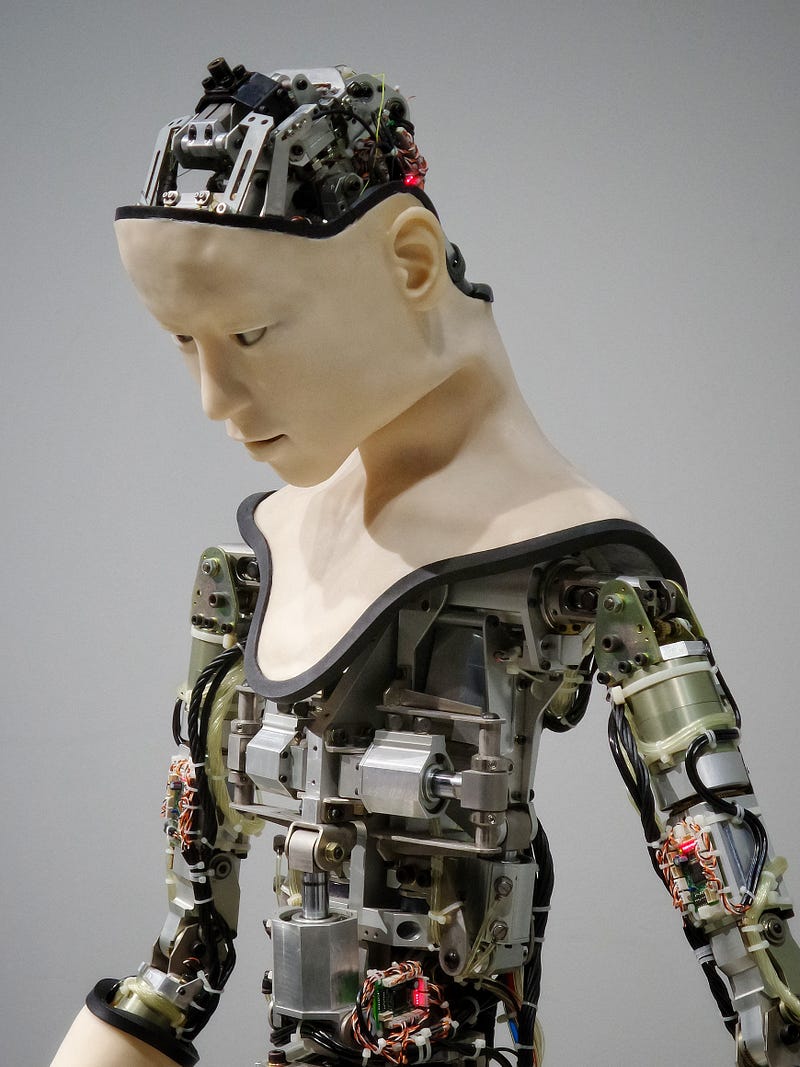
With the recent developments, the AI system creates new flavors more efficiently and effectively than before. Designing a new flavor is a genuine challenge since it is a subjective experience of how humans describe and feel flavors. Thus it is regarded as unorganized data that makes the algorithm and data collection complicated. Yet, it is a hot subject since food is a common joy of a society and it is definitely a subject of interest. Today it is possible to use AI to pair flavors based on the years of accumulated data on food ingredients, cooking methods, spices, and consumer test results showing the success of a recipe.
In this story, I will tell you the recent developments in order to come up with new recipes to prepare delicious food with the ingredients or reverse engineer that approach and produce recipe from pictures.
AI Generated Recipes from historical recipes: Mankind had been generating food ideas to put recipes together for centuries. In the last couple of decades, these recipes become available online like never before. You can reach to any good recipe from any cuisine and cooking style. And finally, this information is supported with marketing info by ratings and describing how many people enjoyed it or not. All this data can be collected to develop an algorithm, and tasty recipes that work for you can prepare new dishes.
Plant Jammer and Chefling are two apps working with that concept. They are your own kitchen assistants to decide dinner when you don’t know what to cook and have a mostly empty refrigerator. You will put to the app the ingredients you have at home or what you would like to use for dinner, then accordingly it will generate recipes for you (1). Plant Jammer has great vegetarian options as you can guess from the name, but Chefling include all kind of varieties like meat, vegan or vegetarian options. According to the reviews, both app were rated as 4.3 to 4.4 by thousands of people. They were commented as very convenient to use and saves money since you utilize the food at home. The way it works is that in the search part you type in your ingredients (you can put multiple ingredients depends on what is available then get suggestions for dish types you can cook and you pick one.
Advantages of the AI Cooking:
The smart home technologies like the cooking AI apps can save time since they contains practical steps and it is practical meal planning. In addition, it gives the advantage to utilize all the ingredients available in the refrigerator, which helps reduction in the waste. From the global warming perspective, this is very valuable in addition its contribution to your budget. The other advantage of these apps that it picks the based on your ingredients and your taste. When you start cooking, you will know exactly what to use and how much you need for that new food you will try. This will help with the pantry inventory management. Most importantly, if you are interested in saving from food, AI is here to help you.
AI Generated Recipes from Pictures:
The goal of the study is to build a system that can analyze a food photo and create a recipe of it. The snap of a dish will be uploaded to the app and in a short time the system will recognize the ingredients, generate an ingredient list and its recipe, and then define the steps to make that food.
MIT Computer Science and Artificial Intelligence Laboratory (CSAIL) created a network called “Recipe 1M” that contained more than 1 million recipes and images. After developing the algorithm, with photos, recipes, and ingredients, it was working most of the time — not all the time. In 2017, they were ready to utilize the system. Delish was the app using the algorithm MIT researchers have created and this mobile app could identify recipes based on food photos most of the time (2). They call this technology “Pic2Recipe”though the products not make it to the market yet.
In 2019, Facebook developed a system image to recipe generation where you need to upload a pic of your tasty food as a post, and then a recipe for that dish will pop up (3). AI system reverse-engineers recipes from images, predicting both the ingredients and their preparation/cooking methods from Recipe1M data set (4). It is claimed that this system improves the challenges of the large-scale Recipe1M data set since it provides more accurate ingredients. FB team leveraged the previous data set and reduced the recipes from 1 million to 350,000 and it has 25,000 vocabularies to define the information from the images as the ingredient list and the process to prepare the food (5).
Although you can find multiple online demos and a couple of articles telling the success of the picture to recipe success of the both MIT and FB teams, the application is not currently available. They continue to working on tuning the system because both systems still can not distinguish visually similar food such as mayonnaise from whip cream or spinach sauce from pesto.
Final Thoughts
Cooking with AI will be so much fun and looks like in the coming years we will invent new flavors with the ingredients we have. This will be a good motivation to cook at home. I am really excited for “the Recipes from picture” technology so I can decide the dinner when I saw a delicious food at a friend’s post.
References
- https://syncedreview.com/2020/02/15/how-ai-is-changing-your-kitchen/
- https://www.delish.com/food-news/news/a54480/mit-food-photo-recipe-smartphone-app/
- https://readmedium.com/from-foodie-pic-to-your-plate-generating-recipes-with-facebook-ai-bd1d83c8e22a
- https://research.fb.com/publications/inverse-cooking-recipe-generation-from-food-images/
- https://techpope.com/technology/facebook-ai-can-now-reverse-engineer-recipes-from-photos/


