Contingency planning: An essential part of your business strategy
Having an executable contingency plan may be the difference between a crisis averted and a catastrophe.
Let me start by asking an important question. If your organization was faced with a major disaster within the next 24 hours, would it survive?
“Well, Dave, we’d get through it somehow.” No, you just might not.
Having a good contingency plan is vital to your organizational success. Unfortunately, most organizations give contingency planning lip service, if they do it at all.
“Look, Dave, we’re too busy just trying to get the operational mission accomplished. We don’t have time to make plans for disasters or other contingencies.”
But unexpected events happen all the time. Your ability to respond to a crisis may be the difference between survival or unmitigated personal and professional disaster.
As I write this, I’m reminded of an event that happened exactly 11 years ago today (Jan 15, 2009). I’m referring to the ‘Miracle on the Hudson.’ On that fateful day, Captain Chesley “Sully” Sullenberger and first officer Jeffrey Skiles were able to survive a bird strike that crippled both engines on US Airways flight 1549. Through their swift action, they were able to land the Airbus A320 on the Hudson River. All 155 passengers and crew survived.
Almost all the credit went to Capt. Sullenberger. Capt Sully went through hours and hours of contingency exercises in flight simulators. During the successful ditching of the aircraft, Sully followed bird strike contingency plans that had been carefully written by US Airways. These emergency contingency plans are an integral part of daily aircraft operations. They are always available in the cockpits of every commercial airliner. These contingency plans have been the difference between many successful aircraft landings that might have otherwise ended up in terrible accidents with much loss of life.
The airlines know the power of contingency planning. Aircraft safety and human lives depend on it.
Unfortunately, when we step away from these ‘front-line’ organizations, contingency planning is often given a back seat to more pressing operational needs. Then, when disaster strikes, organizations are completely unprepared for the consequences of the unexpected crisis or emergency.
What contingencies face a business or organization? That’s a question that can be answered by performing a risk analysis.
“Risk analysis? Ugh. That sounds like a complicated task for insurance adjusters.”
I’ll admit, the insurance industry understands how to do this task very well (and sometimes I think they overdo it). But simple risk analysis isn’t hard. It is simply asking your management team to identify the risks facing an organization, the probability of their occurrence, and then the impact on the organization.
You can start by breaking these risks down by categories. Most organizations face the following risks:
- Management/Business Risks
- Location Risks
- Technology Risks
- Strategic Risks
- Human Risks
- Facility Risks
Management Risks include the loss of key personnel or essential business documents. If your CEO suddenly died of a heart attack, do you have a chain-of-command contingency? Could one of the other executives step in and assume authority? What about critical documents? Are originals stored safely or entirely backed up?
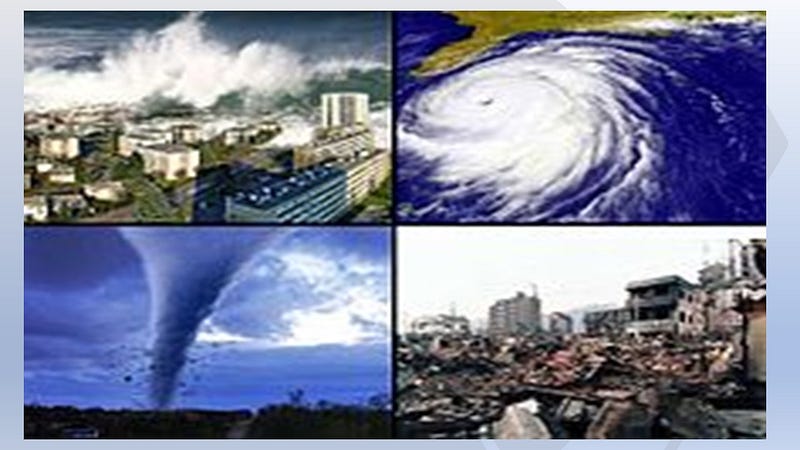
Location Risks include the potential for natural disasters based on your location. If your business or organization is in a high-risk area, are you prepared for weather contingencies, like a tornado or hurricane?
What about technology risks? Is the business so dependent on a web service, that it could not survive an extended outage? The best Information Technology Service Providers spend millions of dollars on double and triple redundancy because they would lose millions of dollars for a single day’s loss of the service.
Several months ago, Korea Telecom, one of Korea’s largest service providers, had an unexpected fire in its primary data center that took down internet services for about 25 percent of the city of Seoul for about 72 hours. They had NO contingency plan in place and did not have a backup data center. That 72-hour outage cost the company millions of dollars in lost services, refunds to customers for the loss of service, and a loss of a lot of goodwill and trust. The millions of dollars they lost recovering from this disaster was much more than the cost of building a second contingent data center.
Once your management team has identified all the risks, the next step is to build a contingency plan. This includes actions to be taken in the event the contingency actually occurs. For example, if you’re an international company with employees in high-risk areas, do you have contingency plans for dealing with kidnappings or terrorist attacks? If a key executive in your organization has a health crisis, do you have step by step procedures for dealing with it? If a natural disaster hit your location, do you have plans that would allow you to minimize the disruption and continue operations? Would an unexpected loss of the internet cripple your business? If any of these contingencies are medium to high risks for your organization, you must plan for them.
After you have identified your risks and planned for them, there is one step left that is the most critical of all. You must test your plan; you have to exercise your plan as close as possible to reality. If it is a technology contingency, you must verify your fail-over plan. A natural disaster contingency plan should be practiced by simulating it as realistically as possible.
I’m glad that our major internet service providers had contingency plans in place before the 9/11 attacks occurred. For as bad as those attacks were, it could have been far, far worse, had not been for the prior planning by the internet service providers that serviced the New York financial district. Because of the planned-in redundancy of the internet services, they were able to reopen the financial district within 72 hours of the attack. If our key commercial center was unable to resume, we might have faced an economic disaster of untold proportions. Prior contingency planning prevented a disastrous situation from becoming a national (or even global) financial crisis.
Creating executable contingency plans is an essential part of organizational management, whether you’re a small business or a large corporation. Your management team must identify risks, categorize, and prioritize them, then develop procedures for dealing with these contingencies. But the best plans are meaningless if they are not thoroughly tested.
One final note: If you’re in senior management, you set the tone for the importance of contingency planning. If you don’t make this a priority, don’t miraculously expect your staff to come up with these plans. There are a million other priorities in their lives. If you don’t make this a priority, it won’t get done.
I leave you with one final question: Is your organization ready for bankruptcy or other significant loss of operational capability? Without robust contingency planning, this may become a looming reality because you failed to prepare for contingencies.
Prepare for the unexpected.


