
Contents of the Chest Cavity
What poets know and anatomy neglects.
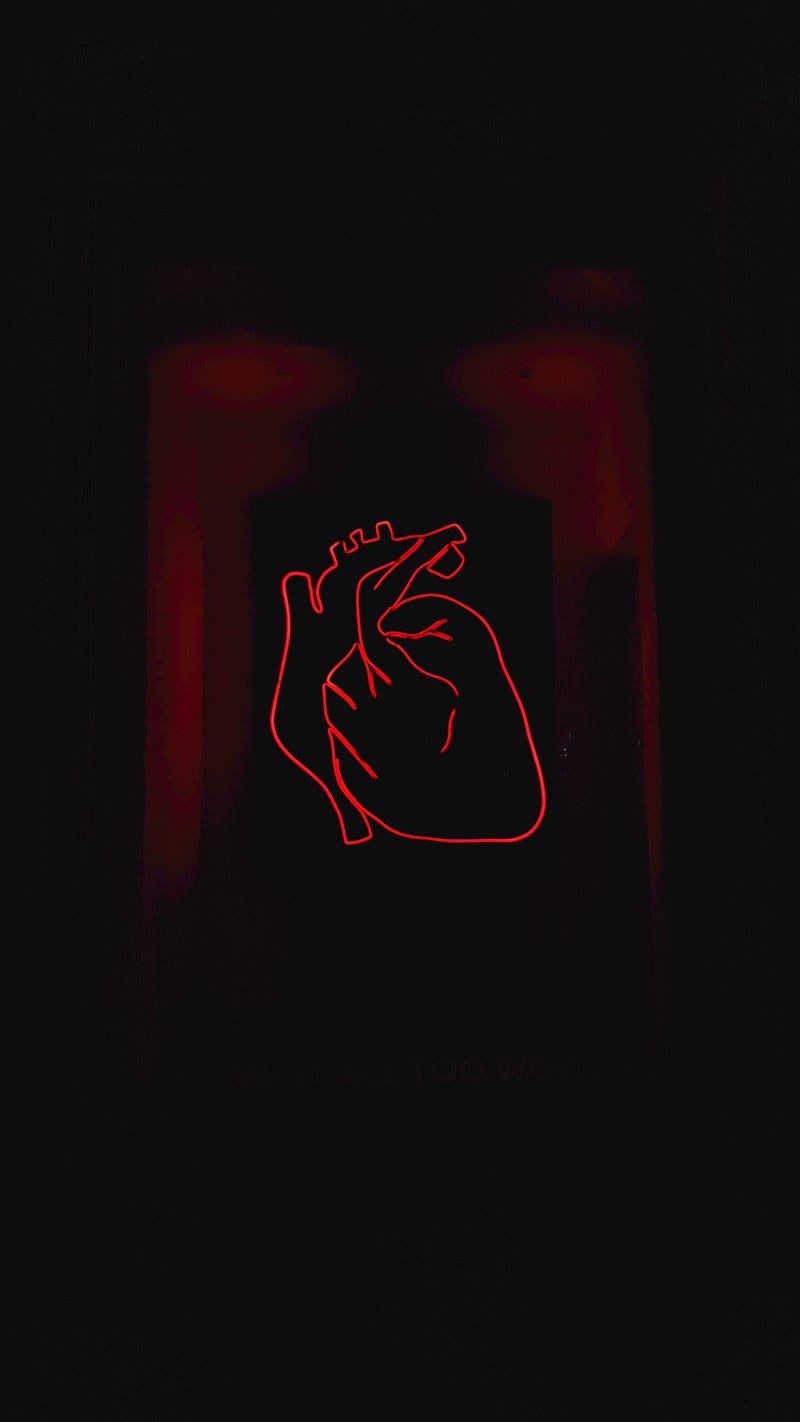
Chest cavity. That’s what we called it in anatomy class. That cave created by ribs and muscle and sinewy tendon and skin reduced to two words. Chest cavity. We said it carelessly, monotonously. We examined skeletons and models and organs, learned to identify the different parts of the heart muscle and lungs and the blood vessels that feed them. We took them to be flesh and blood and bone. We neglected the magic inside.
Openness. The quality of openness. We refer to the chest, take in what it tells us. Are they turned towards me? Are they willing to face whatever comes their way? Are they braced for impact? Are they open for the winding, wandering arms of a lover? Or do their arms cross, do they turn away from us? Are they closed off to the gifts and trials, miracles and tribulations that make up life. Our chests are unforgiving truth-tellers.
What does your chest tell you today? Will you choose to be open to me? Will I choose to be open to you?
Underneath the rib cage, resides the heart. But this section isn’t about the heart. It’s about the pericardium. A sac-like structure designed to protect the heart and its function. Thin, delicate, flexible, capable of containing and supporting a muscle as mighty as the heart. I sometimes wonder how much the pericardium strains before a heart finally breaks. What does that tell us about strength?
When the pericardium breaks or is damaged in some way, it fills with fluid. It makes it hard to breathe. You wonder if this will be your death. Sometimes it is. Other times, the pericardium can become too hard and fibrous and the heart cannot work any more. Even the strong, especially the strong, still require care. The pericardium tells us everything is temporary. Everything is destructible.
Ribs cascade down the chest, starting just beneath the collar bone. A prison cell of sorts. Or a security guard for my tell-tale heart. My heart insists that only Truth can set us free. I have never committed a murder but like Poe, I can feel the weight of my tell-tale heart thundering deep in my chest. It insists on being heard, on being known. No lie is worth the weight to my tell-tale heart.
Anger knows how to anchor itself in heartstrings. I long to learn how to turn them into harp strings.
Harp strings. Heartstrings. Playing the music of our lives out before us. A harp can turn anger into art, can turn art into miracles. Or maybe art already is a miracle.
I imagine the little red lines of my heart always teetering, always tempting the fates. I imagine turning them into the silvery smooth harp strings. I play it out. Turn my anger into something else. Not beautiful. Often ugly. But something far less consuming. Something that has no talons with which to grasp. We are not taught the ways of heartstrings and harp strings.
Grief. The action of grief is to consume and devour. What would a grieving heart look like under a microscope? Would you be able to see it at all beneath the thick and heavy cobwebs of loss? Have you ever seen the heart that comes on the other side of grief?
When a bone breaks, the doctors tell you to be careful. This one will always be weaker. When a heart breaks, it needs time to heal, to make a mosaic of its pieces. When it has healed, it maintains the imprint of the washed away cobwebs of grief. It weighs a little heavier for all it has carried. We must remember as we create a masterpiece of our broken hearts that it will be stronger later. A mosaic heart is always stronger. It knows we can always make another masterpiece.
Examine the chest cavity. Identify the parts of the chest cavity, describe their make-up, and their functions. When we were asked to do this in my anatomy lab, I wrote the “right” answer. I described the heart and it’s four chambers, opening and closing in rhythm, the pericardium, the lungs, the diaphragm.
I wanted to write “the chest cavity contains the very purpose of life. It contains the heart which allows us to love. It contains the pericardium which protects our loving, vulnerable, open heart. It contains the lungs which allow us to breathe and with the breath, we can turn our heartstrings into harp strings. Without the contents of a chest cavity, we could never have faith or love or delight or grief of rage. It is the only part of our body that could contain emotions of such force.
To know these emotions, to embody them, to hold and embrace them in our chest cavities, requires courage.”
Courage. It is the quality that lets us walk in our grief and anger and love and joy and faith and sorrow and all that we are. It is the quality that guides us to embrace.