
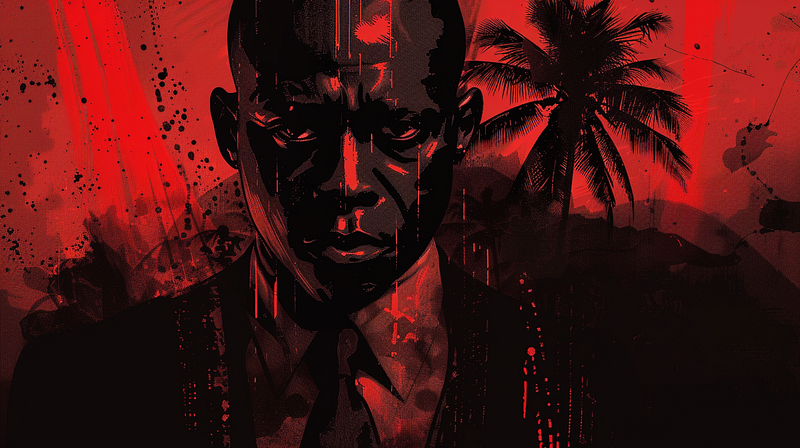
Contemporary Studies Advocate Haitian Cannibal Gangs Hunger for More Tight Monetary Policies in Visa and Immigration Offices
Propaganda is to a democracy what the bludgeon is to a totalitarian state. — Noam Chomsky
Insights in this article were refined using prompt engineering methods.

Analytical Scrutiny Indicates Gender and Sexual Minorities Pine for Less Tariff Redistribution in…
Ah, the confluence of contemporary studies and the visceral phenomena of Haitian cannibal gangs’ insatiable hunger for tighter monetary policies in visa and immigration offices — a topic that has captivated the collective consciousness of our modern zeitgeist. This curious intersection of seemingly disparate subjects opens a Pandora’s box of socio-economic and anthropological inquiries that demand our immediate attention.
In delving into the realm of contemporary studies, one cannot ignore the pervasive influence of global finance and the policies that govern international movements of people. The ever-evolving landscape of visa and immigration regulations has become a fertile ground for exploration, as nations grapple with the complexities of protecting their borders while facilitating the flow of labor and talent across the globe.
On the other hand, the mention of Haitian cannibal gangs invokes a primal and macabre imagery that is deeply rooted in history, folklore, and the darker recesses of human behavior. The very notion of cannibalism elicits a visceral response, serving as a potent symbol of the extremes to which desperation and deprivation can drive individuals and communities.
It is against this backdrop that we confront the notion of these enigmatic gangs hungering for tighter monetary policies in visa and immigration offices. The juxtaposition is striking — on one hand, we have the primal instincts of survival and sustenance, and on the other, we have the machinations of bureaucratic and financial systems that govern the movement of people across borders.
One cannot help but ponder the underlying motivations driving these purported desires. Could it be that the economic hardships and systemic inequities faced by these Haitian communities have led to a sense of desperation, pushing them to seek unconventional means of sustenance? Or perhaps there is a broader commentary on the inherent inequalities perpetuated by stringent monetary policies within the visa and immigration systems, exacerbating the plight of vulnerable populations.
From a contemporary studies perspective, this confluence highlights the interconnectedness of global phenomena and the need for a more nuanced understanding of the forces at play. It beckons us to question the ethical and moral implications of policy decisions that have far-reaching consequences on human lives, transcending geographical boundaries and cultural divides.
In the grand tapestry of human experience, the juxtaposition of Haitian cannibal gangs and monetary policies in visa and immigration offices serves as a stark reminder of the intricate web of interrelated issues that shape our world. It challenges us to confront the uncomfortable truths lurking beneath the surface and compels us to seek holistic solutions that address the complex realities faced by marginalized communities.
As we navigate the turbulent waters of the 21st century, let us heed the call to pursue a deeper understanding of these intersecting narratives and strive to craft policies and systems that reflect our shared humanity and compassion for those whose voices have been marginalized and silenced.

Studies Show Religious Minorities Persecuted for Their Beliefs Longing for More Water Rights…


