avatarCultivateChange

Free AI web copilot to create summaries, insights and extended knowledge, download it at here

2927

Abstract

stacking them vertically and creating more room for diverse plantings.</li></ol><figure id="2416"><img src="https://cdn-images-1.readmedium.com/v2/resize:fit:800/1*bAOimuLbayExsHe5_pimLg.png"><figcaption>Basil, fennel and other herbs going wild in 50L containers</figcaption></figure><h1 id="6dad">Choosing Space-Saving Varieties of Veges</h1><p id="825d">Select plants that are well-suited for container gardening. Some popular options include:</p><ol><li>Tomatoes</li><li>Peppers</li><li>Lettuce and other leafy greens</li><li>Herbs, such as basil, parsley, and cilantro</li><li>Root vegetables, like carrots and radishes</li><li>Strawberries</li></ol><figure id="eaa7"><img src="https://cdn-images-1.readmedium.com/v2/resize:fit:800/1*MxmNFkWqH3K8K3xsFRpnVQ.png"><figcaption>Strawberries growing in planter bags</figcaption></figure><p id="8f99">I also recommend selecting plant varieties specifically bred for container gardening can further enhance space efficiency. These compact or dwarf varieties tend to have smaller root systems and require less space to grow.</p><p id="ff9c">Examples include:</p><ol><li>Dwarf tomato varieties, such as ‘Tiny Tim’ or ‘Patio Princess’</li><li>Compact pepper varieties, like ‘Mini Belle’ or ‘Sweet Banana’</li><li>Bush beans, which are more compact than pole beans</li><li>Small fruiting plants like ‘Little Marvel’ peas or ‘Tophat’ blueberries</li></ol><p id="d766">That said, you can in fact grow just about anything in a container — size is the important bit. Hungry and thirsty plants, like fruit trees, for example, will require as big a pot as you can give them!</p><p id="a91b">You’ll find that the size of a fruit tree will tend to be limited by the size of the pot too, and how much space it has for roots. That said, I have successfully grown fruit trees in pots, that I have produced lots of lush produce!</p><figure id="6a6e"><img src="https://cdn-images-1.readmedium.com/v2/resize:fit:800/1*F4K9v7rqI28rB5EEVJRNMQ.png"><figcaption>Banana trees in large 70L grow bags</figcaption></figure><h1 id="db78">Intensive Planting Techniques</h1><p id="9012">Employing intensive planting techniques can help you make the most of your limited space. Some methods include:</p><ol><li><b>Succession planting:</b> Plant crops with staggered maturity dates, so as soon as one crop is harvested, you can plant another in its place. This strategy ensures continuous productivity throughout the growing season.</li><li><b>Interplanting: </b>Combine plants with complementary growth habits in the same container. For example, grow fast-maturing plants like lettuce or radishes alongside slower-growing ones like tomatoes or peppers. This way, you can harvest the quick-growing plants while the others continue to develop.</li><li><b>Square foot gardening:</b> Adapt the principles of square foot gardening to your containers by dividing them into smaller sections and planting a different

Options

crop in each square. This method maximises space and encourages efficient use of resources.</li></ol><figure id="7854"><img src="https://cdn-images-1.readmedium.com/v2/resize:fit:800/1*FwOmsCCJ8iXrZCBLmrzpwA.png"><figcaption></figcaption></figure><figure id="0dee"><img src="https://cdn-images-1.readmedium.com/v2/resize:fit:800/1*k76Kn_ozQi09rmAQgG45oQ.png"><figcaption>Little sugar babe watermelons growing in 50L pots, vines supported by wire.</figcaption></figure><h1 id="64e2">Selecting the Right Soil and Fertiliser</h1><p id="f830">Make sure you use high-quality potting soil specifically designed for containers. This soil is typically lighter and better-draining than garden soil, ensuring your plants receive the proper nutrients and moisture.</p><p id="cacc">Fertiliser: Container-grown plants often require more frequent fertilisation than those grown in the ground. Opt for a slow-release or organic fertiliser, and follow the label instructions for proper application rates and frequency.</p><p id="82d5">For myself, I keep worms who make me lovely lush organic fertiliser, perfect for my pots!</p><figure id="ac6e"><img src="https://cdn-images-1.readmedium.com/v2/resize:fit:800/1*hknjEsy-OWeixQUrZSXsLQ.png"><figcaption>Rasberries in planter bags, with trellising to encourage vertical growth.</figcaption></figure><h1 id="52ed">Caring for Your Container Garden</h1><p id="efdf">When you’ve sorted your container, soil, and plant food, the next most important bits are your watering and sunlight.</p><p id="113a">Container plants typically require more frequent watering than those in the ground. Make sure you monitor the moisture level of the soil and water when the top inch becomes dry.</p><p id="c0d2">Most vegetables and fruits also require at least six hours of sunlight per day. Make sure to place your containers in a location that receives adequate sun. Do note that some plants also prefer a lot more sun than this too!</p><p id="f9a4">Regularly pruning your plants will also encourage healthy growth, improve air circulation, and prevent disease.</p><p id="caae">If you’re growing multiple plants, do also consider rotating their positions periodically to ensure they all receive equal sunlight exposure.</p><p id="7f2f">Container gardening is an excellent way for individuals with limited space to enjoy the benefits of growing their own food. By selecting the right containers, soil, and plants, and providing proper care, you can create a thriving, productive garden in even the smallest of spaces.</p><p id="d4df">So go ahead, give container gardening a try and reap the rewards!</p><p id="45c9">Thinking about becoming a Medium member? When you register through my <a href="https://medium.com/@cultivatechange/membership">referral link</a>, you’ll be granting me a small commission without any added cost to you! You’ll also unlock unlimited access to all stories on Medium.</p></article></body>

Container Gardening: A Guide to Growing Food in Small Spaces
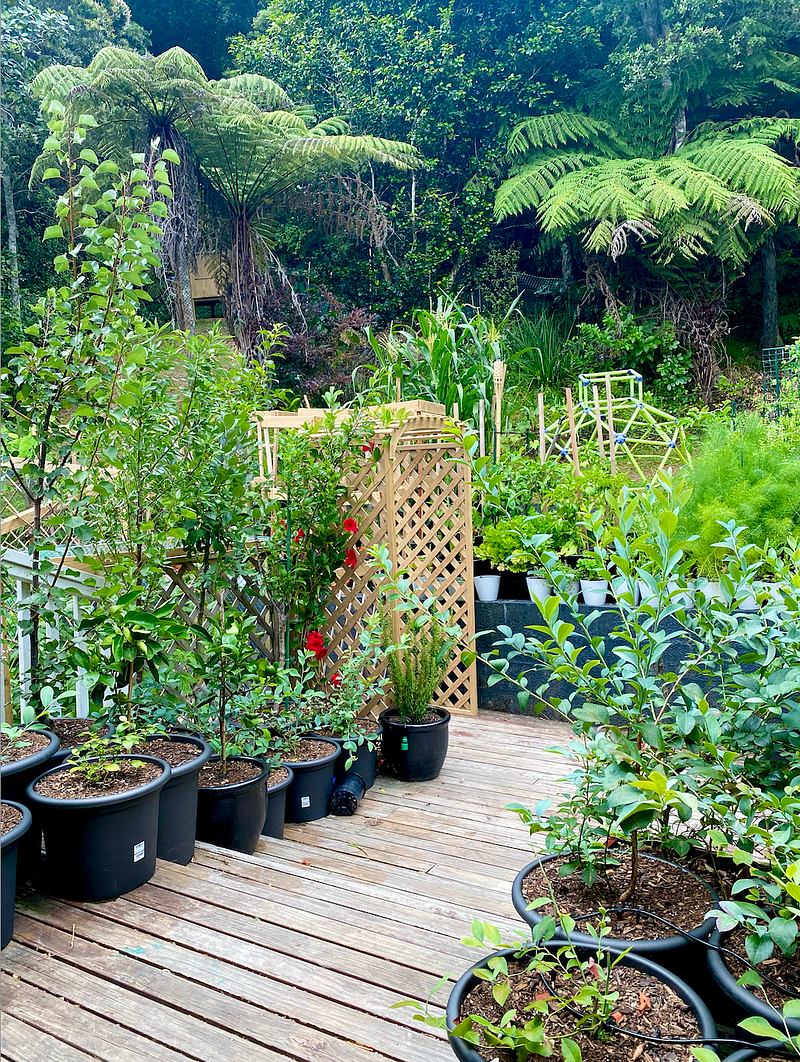
Our little balcony container food forest in Northland, New Zealand

Gardening is not just for those with sprawling yards or large plots of land. In fact, you can grow an impressive variety of food in containers, making it possible for anyone to enjoy the benefits of homegrown produce, regardless of space limitations.

Container gardening is an excellent solution for urban dwellers, apartment residents, and those with limited outdoor space.

Here, I’m going to explore the benefits of container gardening, the best types of containers, and essential tips for growing healthy, productive plants.

Benefits of Container Gardening

Container gardening is an ingenious method of utilising limited space to grow food in various small areas. As more and more people live in apartments and urban environments, finding ways to grow fresh produce in restricted spaces has become increasingly popular.

By growing food in containers, you can transform balconies, patios, and windowsills into thriving, productive gardens.

Containers are also easily moved, enabling you to adjust the plants’ position based on sunlight availability or to protect them from harsh weather conditions.

Growing plants in containers can also make it easier to monitor and control pests, as you can isolate and treat affected plants without risking the health of your entire garden.

Container gardening is also ideal for those with mobility limitations, as it allows for gardening at a comfortable height and reduces the need for bending or kneeling.
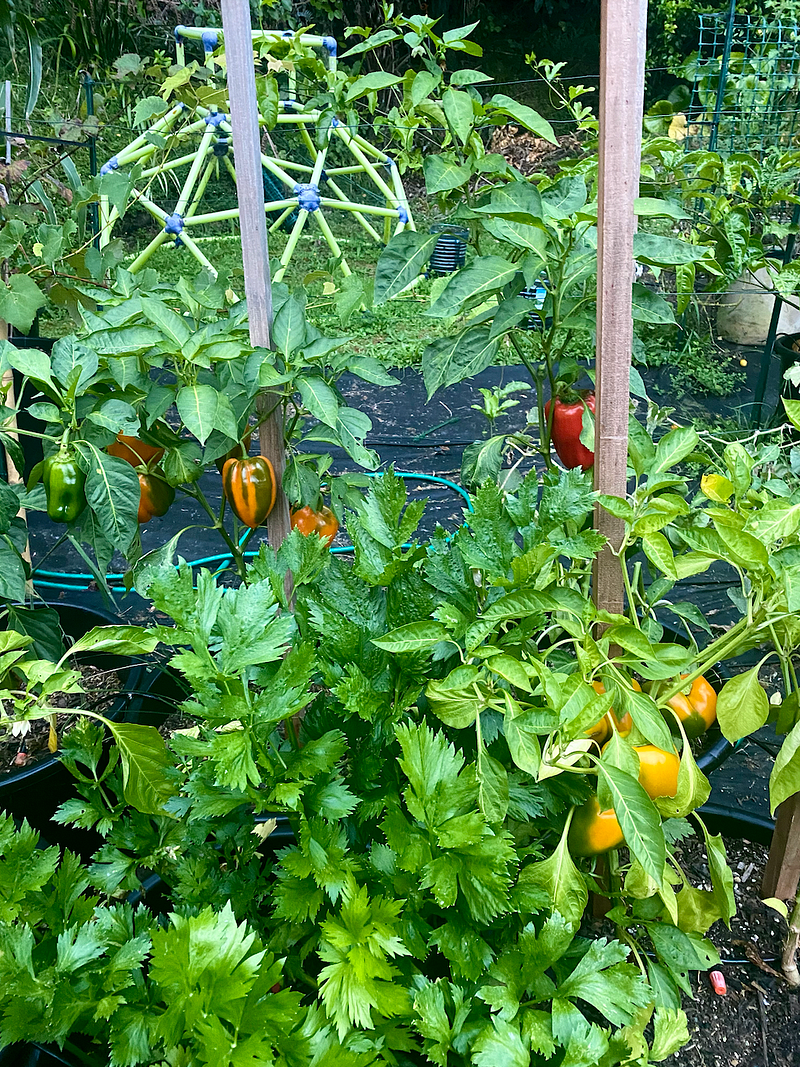
Capsicums and celery growing in 50L plastic containers

Maximising Vertical Space

One of the key advantages of container gardening is its ability to make use of vertical space.

By growing plants upward, you can increase your growing area without taking up additional horizontal space. This can be achieved through various methods, such as:

  1. Trellises: Installing trellises behind your containers allows vining plants like beans, peas, and cucumbers to climb, utilizing vertical space and leaving more room for other plants.
  2. Hanging baskets: Suspend baskets from balcony railings, patio roofs, or window frames to grow plants like cherry tomatoes, strawberries, and herbs without occupying floor space.
  3. Tiered plant stands: These multi-level stands can house multiple containers, effectively stacking them vertically and creating more room for diverse plantings.
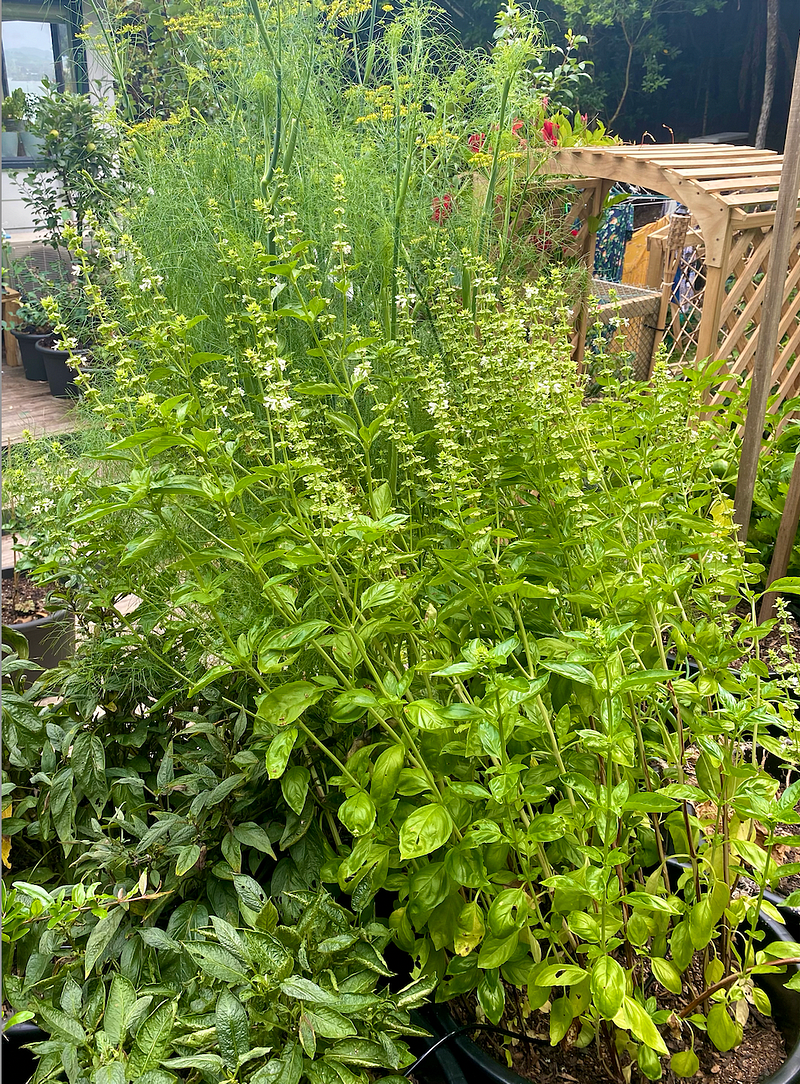
Basil, fennel and other herbs going wild in 50L containers

Choosing Space-Saving Varieties of Veges

Select plants that are well-suited for container gardening. Some popular options include:

  1. Tomatoes
  2. Peppers
  3. Lettuce and other leafy greens
  4. Herbs, such as basil, parsley, and cilantro
  5. Root vegetables, like carrots and radishes
  6. Strawberries
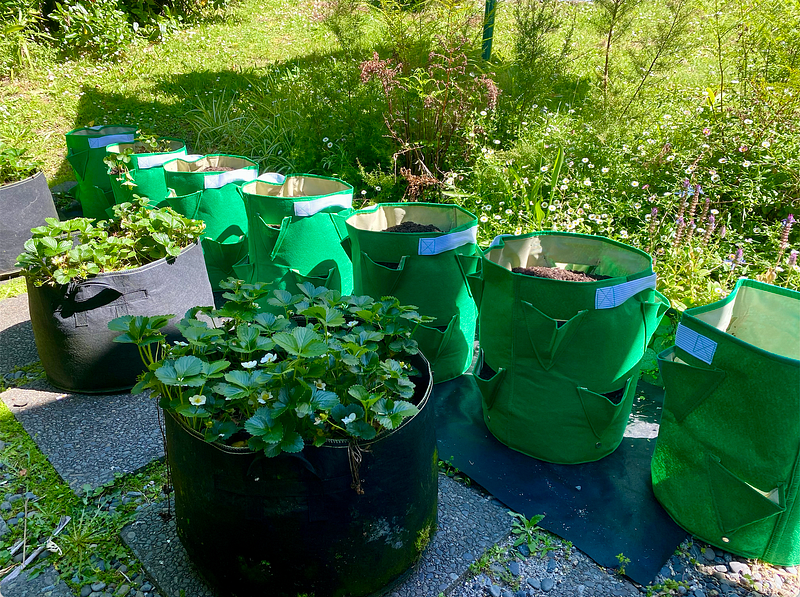
Strawberries growing in planter bags

I also recommend selecting plant varieties specifically bred for container gardening can further enhance space efficiency. These compact or dwarf varieties tend to have smaller root systems and require less space to grow.

Examples include:

  1. Dwarf tomato varieties, such as ‘Tiny Tim’ or ‘Patio Princess’
  2. Compact pepper varieties, like ‘Mini Belle’ or ‘Sweet Banana’
  3. Bush beans, which are more compact than pole beans
  4. Small fruiting plants like ‘Little Marvel’ peas or ‘Tophat’ blueberries

That said, you can in fact grow just about anything in a container — size is the important bit. Hungry and thirsty plants, like fruit trees, for example, will require as big a pot as you can give them!

You’ll find that the size of a fruit tree will tend to be limited by the size of the pot too, and how much space it has for roots. That said, I have successfully grown fruit trees in pots, that I have produced lots of lush produce!
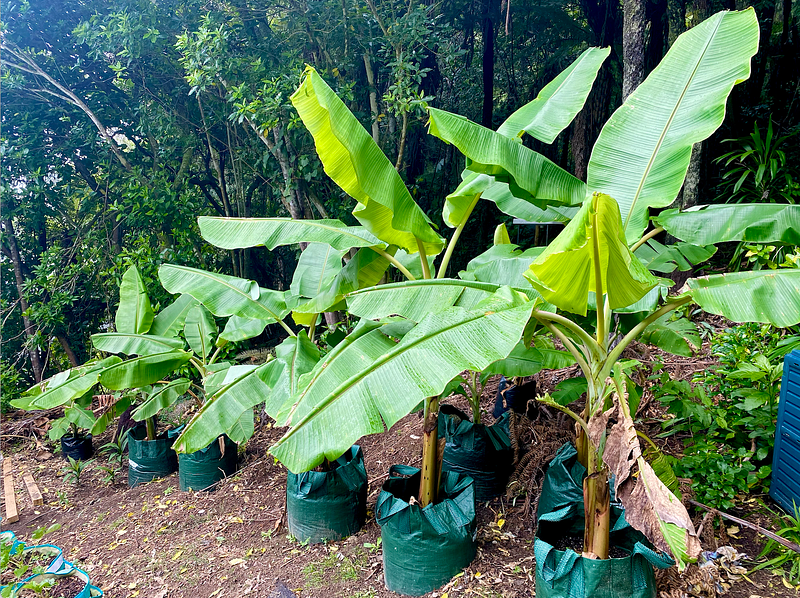
Banana trees in large 70L grow bags

Intensive Planting Techniques

Employing intensive planting techniques can help you make the most of your limited space. Some methods include:

  1. Succession planting: Plant crops with staggered maturity dates, so as soon as one crop is harvested, you can plant another in its place. This strategy ensures continuous productivity throughout the growing season.
  2. Interplanting: Combine plants with complementary growth habits in the same container. For example, grow fast-maturing plants like lettuce or radishes alongside slower-growing ones like tomatoes or peppers. This way, you can harvest the quick-growing plants while the others continue to develop.
  3. Square foot gardening: Adapt the principles of square foot gardening to your containers by dividing them into smaller sections and planting a different crop in each square. This method maximises space and encourages efficient use of resources.
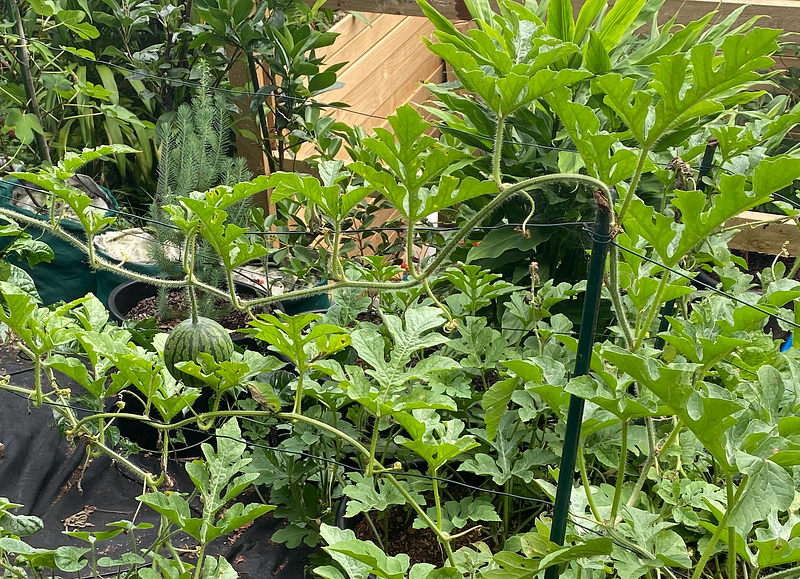
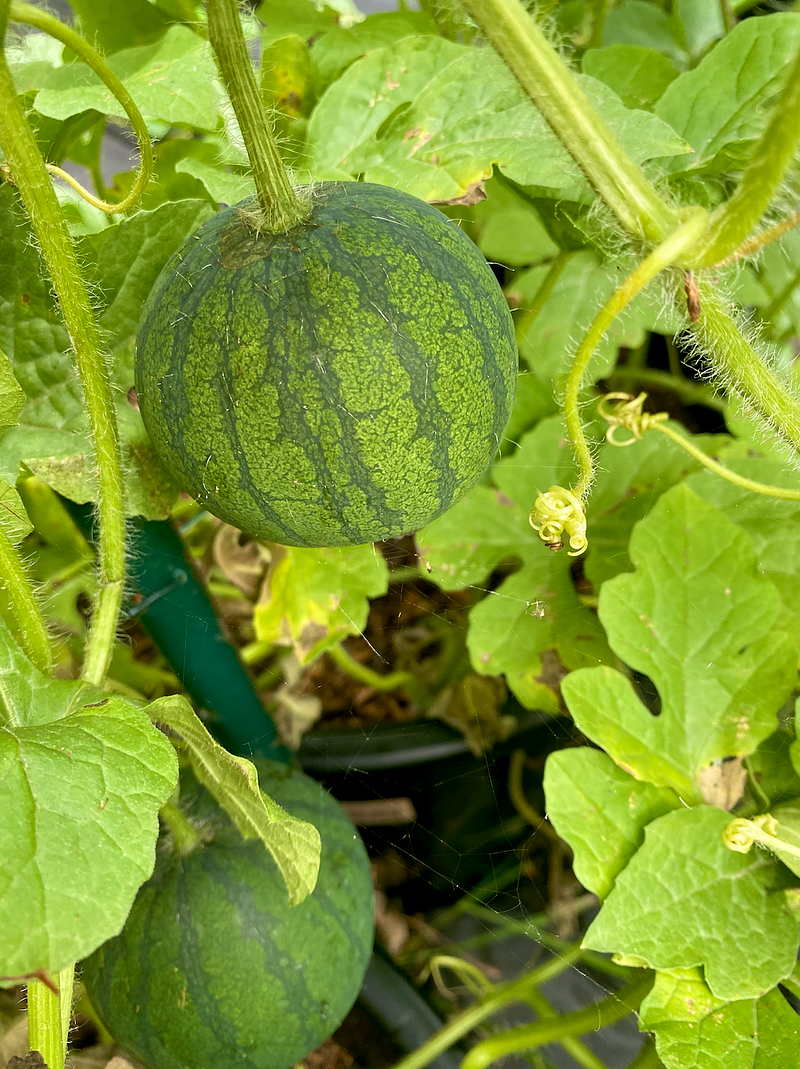
Little sugar babe watermelons growing in 50L pots, vines supported by wire.

Selecting the Right Soil and Fertiliser

Make sure you use high-quality potting soil specifically designed for containers. This soil is typically lighter and better-draining than garden soil, ensuring your plants receive the proper nutrients and moisture.

Fertiliser: Container-grown plants often require more frequent fertilisation than those grown in the ground. Opt for a slow-release or organic fertiliser, and follow the label instructions for proper application rates and frequency.

For myself, I keep worms who make me lovely lush organic fertiliser, perfect for my pots!
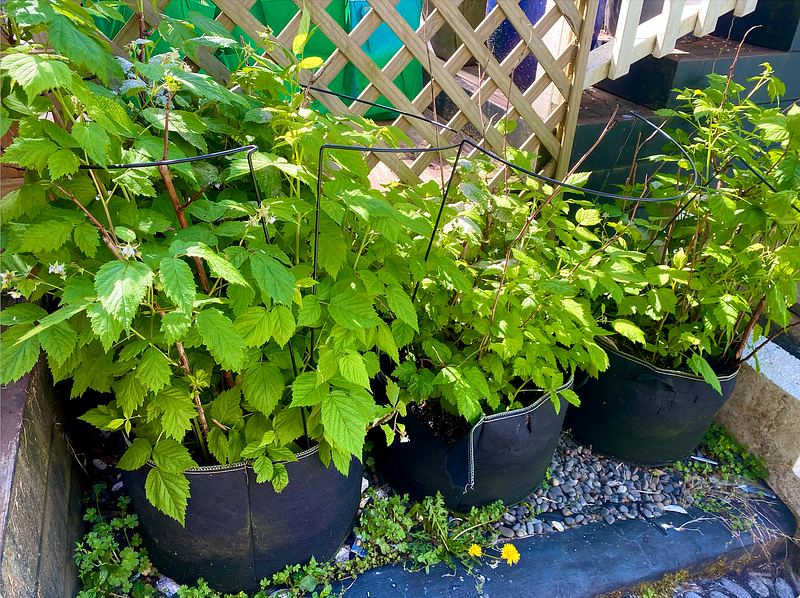
Rasberries in planter bags, with trellising to encourage vertical growth.

Caring for Your Container Garden

When you’ve sorted your container, soil, and plant food, the next most important bits are your watering and sunlight.

Container plants typically require more frequent watering than those in the ground. Make sure you monitor the moisture level of the soil and water when the top inch becomes dry.

Most vegetables and fruits also require at least six hours of sunlight per day. Make sure to place your containers in a location that receives adequate sun. Do note that some plants also prefer a lot more sun than this too!

Regularly pruning your plants will also encourage healthy growth, improve air circulation, and prevent disease.

If you’re growing multiple plants, do also consider rotating their positions periodically to ensure they all receive equal sunlight exposure.

Container gardening is an excellent way for individuals with limited space to enjoy the benefits of growing their own food. By selecting the right containers, soil, and plants, and providing proper care, you can create a thriving, productive garden in even the smallest of spaces.

So go ahead, give container gardening a try and reap the rewards!

Thinking about becoming a Medium member? When you register through my referral link, you’ll be granting me a small commission without any added cost to you! You’ll also unlock unlimited access to all stories on Medium.

Gardening
Sustainability
Self Sufficiency
Homegrown
Growing
Recommended from ReadMedium