
SUBSTANCE USE IN THE CONSTRUCTION INDUSTRY
Construction Companies Break the Silence About Substance Use and Tackle the Issue Head-on
Transparency, education and support pave the way to a healthier workforce and industry
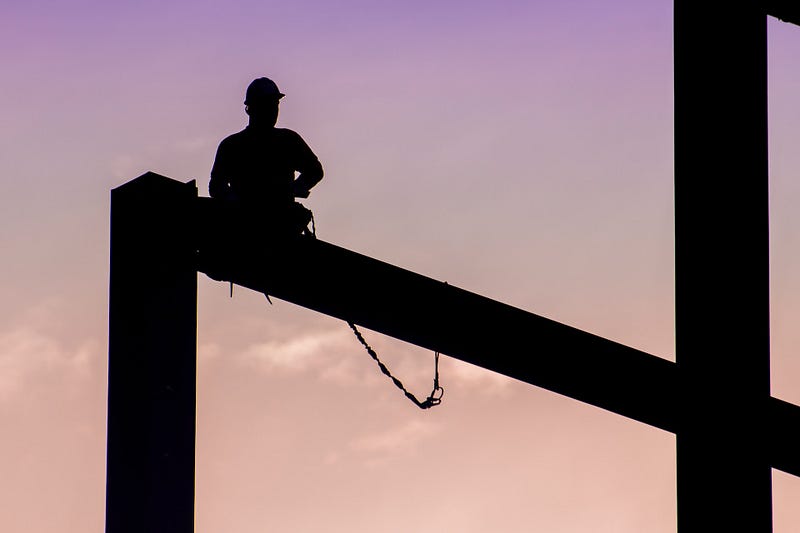
The construction industry in North America employs millions of workers. However, amidst the hustle and bustle of construction sites, there is a silent and often overlooked challenge — substance use.
This article examines substance use on construction sites and the importance of employers recognizing and addressing this issue. It highlights some of the ways forward-thinking industry leaders are supporting workers struggling with substance use and leading the way to a healthier, safer construction industry.
The Landscape of Substance Use
Substance use on construction sites is a pervasive issue that can compromise the safety and well-being of workers.
In the US, approximately 15% of construction workers have a substance use disorder compared to 8.6% of the general adult population, according to data from the 2023 National Survey on Drug Use conducted by the SAMHSA. Common substances involved include alcohol, marijuana and opioids.
The demanding nature of the construction industry, characterized by physically demanding tasks, long hours, and high-pressure environments, may contribute to the prevalence of substance use as a coping mechanism for some workers. Chronic pain from injuries is a contributing factor in many cases.
A study published in Ontario in 2022 on substance use in construction workers stated that nearly all those who died had been suffering an injury or pain-related condition prior to death. In an industry with high injury rates, many reach for opioids with potentially disastrous consequences.
Why Employers Should Take Notice
Safety risks: Substance use poses a significant threat to the safety of workers. Impaired judgment and coordination increase the likelihood of accidents, injuries, and even fatalities on construction sites.

Productivity and quality concerns: Workers under the influence of drugs or alcohol may experience reduced productivity and impaired decision-making abilities, leading to subpar work quality, resulting in delays, rework, and increased costs for construction projects.
Legal consequences: Employers can face legal repercussions if they fail to address substance use. Occupational health and safety regulations demand a safe working environment, and ignoring substance use may lead to legal actions against the employer.
Why Denial Persists Among Employers
Despite its prevalence and the evident risks, some construction company owners are still reluctant to acknowledge that substance use is happening on their construction sites. Several factors contribute to employers denying or downplaying the issue.
Lack of understanding: Employers may not fully understand the signs and impact of substance use, leading to a lack of awareness or recognition of the issue.
Stigma and misconceptions: There is often a stigma associated with substance use, and employers may avoid addressing the problem due to misconceptions about addiction and its treatment.
Public image and recruitment challenges: Construction companies must often compete fiercely for skilled workers, and maintaining a positive public image is crucial for attracting talent. Acknowledging substance use problems may be seen as a red flag, potentially dissuading job seekers from considering employment with the company.
According to the Journal of Commerce, Since January 2023, employment in the Canadian construction sector has fallen by 55,000 (-3.4 percent). In 2023, the US construction industry will shrink by 2.5%, following a decline of 8.2% in 2022.
Impact on Educational Institutions: Construction companies often partner with technical and vocational schools to attract new talent. If these educational institutions perceive substance use issues within the industry, they might be less inclined to recommend their students pursue careers in construction. This, in turn, could lead to a shortage of skilled workers entering the field, affecting the industry’s overall productivity.
Production Concerns: The construction industry is driven by deadlines and project timelines. Employers may worry that taking the time to address substance use issues could disrupt these schedules, leading to delays and potentially affecting the company’s bottom line. This fear might contribute to a reluctance to acknowledge the problem or to implement proactive measures.
What are North American companies doing to address substance use concerns?
As awareness of the impact of substance use in the workplace grows, many construction companies are taking positive and proactive steps to address this issue.
Open Communication Channels
One of the first steps employers can take to break the cycle of denial and address substance use issues more effectively is encouraging open communication. Doing this fosters trust and creates a workplace culture that prioritizes the well-being of employees, leading to safer, healthier working environments.
Workers must be able to discuss their challenges, seek help and self-declare if they are impaired without worrying about losing their jobs.
Development of Substance Use Policies
Many construction companies are implementing clear and well-communicated substance use policies and procedures. These policies outline expectations, consequences, and support mechanisms for employees.
An example of this is a clear definition of impairment. The employer must clearly explain what constitutes impairment from substances, medications and fatigue. They should also provide training on how to respond to suspected impairment.
Safety is the number one priority. However, preserving a person’s dignity and offering support is important. Having transparent guidelines helps create a safer and more accountable work environment.
Education and Training Programs
Companies are investing in comprehensive education and training programs to raise awareness about substance use issues. These programs often include information about the effects of substance use, recognizing signs of impairment, risks and consequences of substance use and promoting a culture of safety and well-being.
Ideally, employers will also provide training sessions to empower workers with the knowledge and skills they need to make healthier choices.

Employee Assistance Programs (EAPs)
EAPs are becoming more common in the construction industry, providing confidential counselling and support services for employees dealing with substance use issues. These programs can provide a safe space for workers to address their concerns early on and connect workers with professional assistance and treatment options.
Regular Drug Testing Programs
Some companies' safety protocols include regular drug testing programs. While controversial, the purpose of these programs is to identify and address substance use concerns among employees to ensure a safe working environment.
Eliminating Abstinence Policies
Many employers now realize that expecting abstinence is not realistic or helpful. Employees on opioid maintenance programs such as methadone, buprenorphine and others should not be considered impaired once they are stabilized. Employers should accept opioid maintenance therapy in the same way medications for anxiety and depression are.
Promoting Mental Health and Well-being
Acknowledging the connection between substance use and mental health, construction companies are increasingly promoting overall well-being. Initiatives such as stress management programs, mental health resources, and wellness campaigns contribute to a supportive work environment.
Some employers organize Mental Health First Aid training for team members. This training gives people skills and resources to help themselves and coworkers struggling with mental health issues or in crisis.

Peer support programs
Peer support programs help reduce isolation and allow apprentices and tradespeople to share lived experiences and information. In Quebec, the peer support worker (pairs-aidant) network provides information to those who most need it.
Peers provide helpful information and guidance to tradespeople. The network also includes supervisors, employer associations and union representatives.
One of the supports the Vancouver Island Construction Association (VICA) offers is a non-faith-based, online Hammer Time peer support group. The weekly sessions are facilitated by social workers with lived experience of working in the construction industry and substance use.
Community Partnerships
Companies are partnering with local organizations, government agencies, and healthcare providers to access substance use prevention and treatment resources and support. Community engagement helps build a network of assistance for employees in need.
An example of a great community partnership is the Tailgate Toolkit in British Columbia, Canada.
In the BC construction industry, substance misuse and deaths from toxic drug poisoning are a considerable and growing concern. The Tailgate Toolkit is doing its part to address this. They send team members to worksites to educate employers and workers about the available resources, including information on mental health services, overdose prevention sites and chronic pain resources.
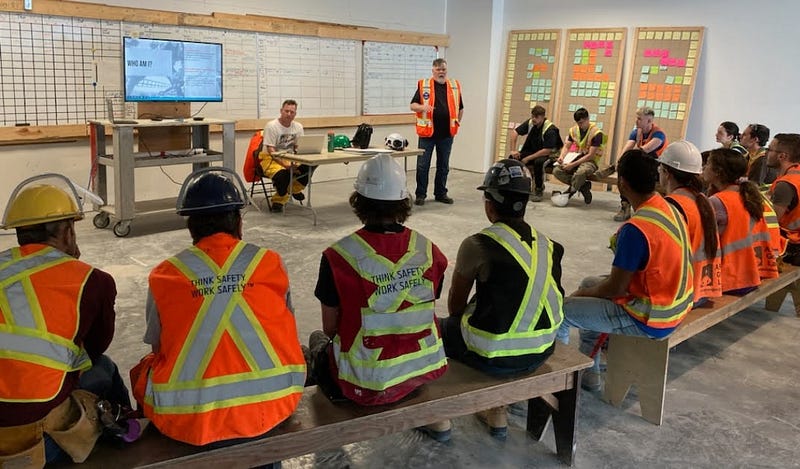
Activate BC is a centralized website and hub for business-specific resources related to the toxic drug crisis in BC. The organization provides businesses with the tools to address workplace substance use issues.
Resources include business policy templates, posters, instructions on how to get supplies, grief support and other tools. The website provides links to relevant partners, support programs, and information for businesses and employees.
Leadership Training
Construction companies are training their team leaders to recognize and respond to signs of substance use among their workers. This training includes equipping supervisors and managers with the skills to handle situations sensitively and guide employees toward appropriate resources.
Promotion of Employee Assistance Resources
Construction companies are actively promoting the availability of resources such as helplines, counselling services, and treatment programs. Ensuring that employees are aware of and feel comfortable accessing these resources is critical to the approach.
Celebrating Success Stories
Some companies highlight success stories of employees who have overcome substance use challenges. Sharing these stories not only reduces the stigma associated with substance use but also serves as inspiration for others facing similar struggles.
Highlighting success stories can also demonstrate the company’s dedication to supporting its workforce and serve as a powerful testament to the company’s commitment to the well-being and development of its employees.
Construction industry leaders are now acknowledging substance use is a significant issue and are taking steps to reduce its impact — both on the individuals struggling with addiction and on the industry as a whole.
While challenges remain, these positive steps reflect a growing commitment within the construction industry to create safer and more supportive workplaces by addressing substance use issues head-on.
By focusing on education, supportive policies, community engagement, and showcasing positive outcomes, construction companies can create healthier, more productive workplaces, improve the industry’s image and — most importantly — save lives.

Sources
- Journal of Commerce
- Substance Abuse and Mental Health Services Administration (SAMHSA)
- CCCOHS (Canadian Centre for Occupational Health and Safety)
- Tailgate Toolkit
- Canadian Apprenticeship Forum
- Canadian Mental Health Association (CMHA)
Please check with your local construction association or safety authority for region-specific resources.
Thanks for reading! One of my roles as a member of the Tri-Cities Overdose Community Action Team is to write educational articles about substance use and the toxic drug crisis.
My intention is to share current information about these issues to help deepen our understanding and encourage discussion. Substance misuse, addiction and death due to toxic, unregulated drugs are complicated and growing issues. We must educate ourselves about them to protect our families, friends and co-workers.
Please subscribe here if you’d like to get an email when I publish. You can find my full story index here.


