
Confronting the Reality of Domestic Violence
A Personal Reflection on Seeking Support and Justice
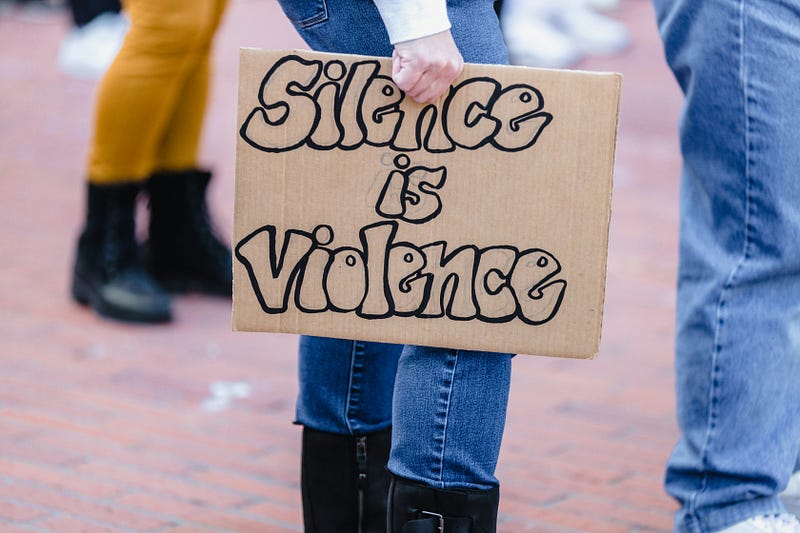
The onset was insidious, a slow erosion of my autonomy masked under the guise of love and protection. It started with criticisms, then restrictions, and soon, the physical manifestations of anger. The first incident left me in disbelief. How could someone who professed love with such conviction turn to violence? Yet, in the aftermath, as apologies flowed and promises of never again were whispered in the night, I found myself trapped in a cycle that is all too familiar to many.
The decision to seek help was fraught with fear and doubt. Acknowledging the abuse meant confronting the possibility of not being believed, of being asked why I hadn’t left sooner, or worse, being met with indifference. The first call I made to a helpline was done in hushed tones, a whispered plea for help while my partner was out. The voice on the other end was kind, but the options provided felt like walking through a minefield. Legal action, they said, would require evidence, which is often scarce in situations where the abuse happens behind the closed doors of a shared life. Shelters could offer temporary safety, but the thought of uprooting my life was overwhelming.
The struggle for support and justice is a solitary one, filled with barriers that many can’t fathom. Friends and family, though well-meaning, often offered advice steeped in misunderstanding and judgment. “Why don’t you just leave?” they would ask, not realising that the question is not of desire but of means, of fear, of being entangled in a relationship that had morphed into a prison.
Navigating the legal system was another issue altogether again. Restraining orders, divorce proceedings, and custody battles are terms that became uncomfortably familiar. But here I too found that each step was a battle, not just against my abuser but against a system that seemed indifferent to my suffering. The courtroom, a place I had hoped would offer justice, often felt like an extension of the abuse — my character questioned, my experiences dissected, and my credibility challenged.
Amidst this turmoil, I found solace in support groups. Here, in these gatherings of strangers, I found understanding, acceptance, and the strength to continue my fight. These were people who had walked paths similar to mine, who understood the complexities of leaving, the fear of retaliation, and the frustration with a system that often fails those it is supposed to protect.
Unfortunately, I can’t tell you that my story ends with triumphant closure or a neat resolution. My journey through domestic violence and the quest for support and justice is ongoing, which really should explain jsut how complicated these issues are and how flawed the systems meant to address such crises are. What I have gained, however, is a voice — a voice that was once stifled by fear and doubt. And it is through this voice that I share my story, not as a tale of victimhood, but as a call to action. For society to truly confront the reality of domestic violence, it must listen to the voices of those who have lived through it, understand the barriers to support and justice, and commit to meaningful change.