
Conducting Thematic Analysis — Part One
Discussing the 6 phases of conducting Thematic Analysis — Part One.
In yesterday’s article, we looked at the challenges of organizing and analyzing qualitative data. Some of the challenges include the following:
- Large data sets
- Detailed data sets
- Varied insights
- No set parameters
We also discussed the tools and methods effective in tackling the challenges of qualitative data, including the use of thematic analysis.
As a recap, thematic analysis is the process of synthesizing and grouping qualitative data into themes. This is to facilitate for a more in-depth analysis of how the data can best serve our users.
In today’s story, we will get into the discussion regarding the 6 phases of conducting thematic analysis.
ONE | Data Overview
After we’ve finalized our qualitative research processes as the way to generate design solutions for our users’ needs, we have to find a way to break down the wealth of data at hand based on type.
In this first phase, we will need to prepare data for the following phases in thematic analysis. For example, data collected from interviews, field studies, contextual inquiries, and focus groups should be transcribed from observation notes and/or from recorded interview sessions.
Transcribed data allows us to work more efficiently with actual texts, rather than wasting time to go back and forth with the actual recordings or notes. It also sets us up for success when we move further along in our thematic analysis because it’ll require summarizing information through mapping or in code form.
Once we’ve converted all the observations and notes into transcribed material, we should aim to read over the data so we can gain familiarity around what was said and what was observed. This step can help us get into the thinking process around constructing themes based on the insights gathered. It can also set the precedence of looking at data with a holistic mindset.
TWO | Low-Level Workshop
Arriving at phase 2 of thematic analysis, all team members should have had the opportunity to go through all the transcriptions and research resources. So this would be a good time for the team to hold a low-level workshop to discuss a general sense of how we can pursue the rest of the research processes.
In this workshop, the goal is to orient the team with regards to the research objectives of this project. We might be looking to answer the following questions of: “what are we trying to get a better understanding of?” and “what problems are we trying to solve?”, to address our research objectives.
Framing our research objectives is synonymous to designing user personas because it’s a tool to ensure all team members are in full understanding and consensus of the goals ahead.
Once we’ve established the core research questions to be addressed, it’s important for each team member to spend time with a piece of research material and highlight any key information they see as useful. The idea is to make certain that important insights aren’t glanced over, as multiple oversight can also provide for perspectives.
To conclude the workshop, the team can come together — after everyone’s had the chance to review all the material — to spotlight any atypical information that might require more analytical discussions.
THREE | Affinity Mapping
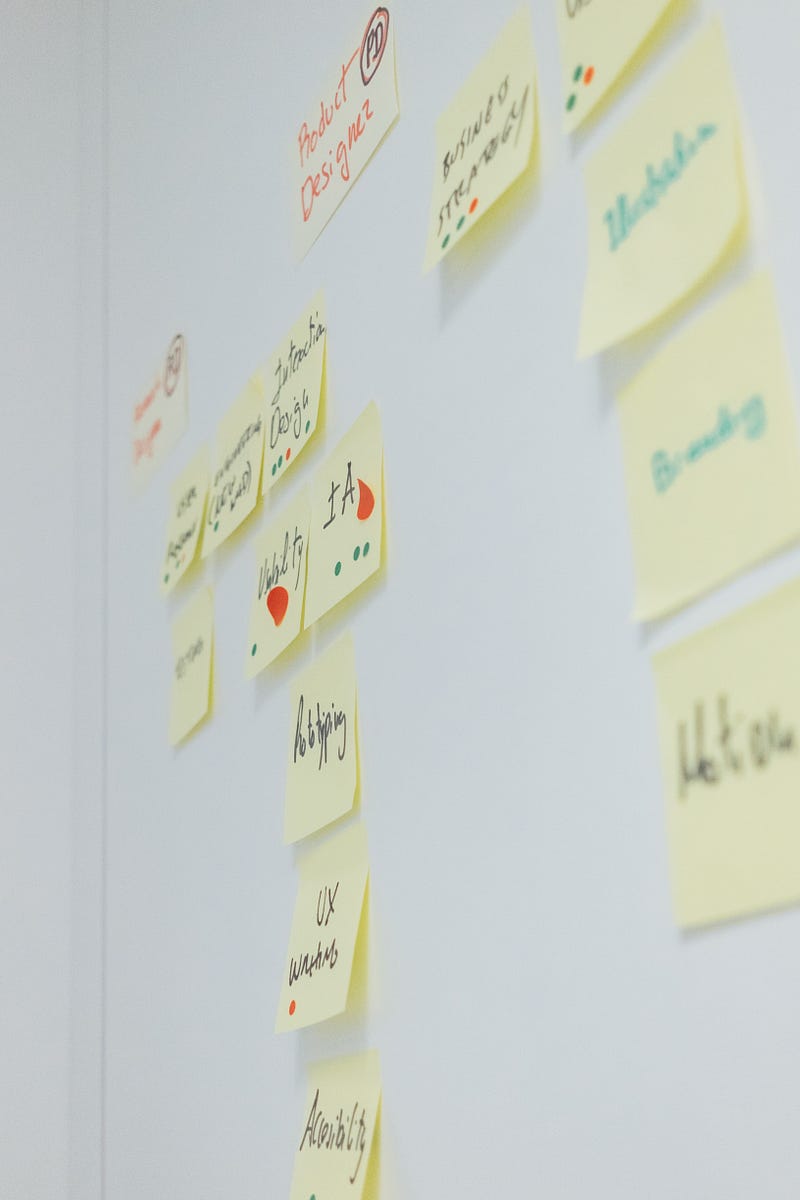
This phase of thematic analysis can entail the traditional method of affinity mapping by using sticky notes, or the more modern method of using analytical software. Either way, the idea is to be able to start disseminating the large bodies of texts from transcripts, notes, and observations into summarized contexts.
Because we’ve already gone through each of the material individually to highlight key information, this phase would enable the team to have a more meaningful conversations around what should be included. We can devote the space for team members to express their thoughts and perspectives around some of the insights they’ve chosen to highlight.
The focus of affinity mapping is to encompass and analyze our research participants’ attitudinal and behavioural into summarized format. Along with content that encapsulates the essence of the key insights, we also have to remember to provide ourselves with the ability to reference back to the resources they originated from. Therefore, it’s helpful to include both the participant identifiers and the type of data (ie. interview, focus group, etc.) in each set of affinity mapping sticky notes or in coding.
In yesterday’s article, we outlined the common types of tools and platforms used to conduct thematic analysis, which includes: affinity mapping, data analysis software, and reflection/journaling. Although today’s article touched on both affinity mapping and data analysis software, I’ll like to mention that reflection/journaling is also a great option of thematic analysis if both time and collaboration are not constraints.
The intrinsic value of thematic analysis is the collaborative space for different perspectives to encompass our users’ diversity in their insights. Reflection/journaling requires more independent work compared to affinity mapping and data analytics. While research might seem like independent undertakings, the more collaborative we can get, the better we can answer our research objectives.
A little about Me
Like many of you out there, I transitioned into design and research after 5 years in finance. I’ve found a purpose for my career and have started posting stories on Medium as a way to reach others.
I would love for you to follow me on my design journey, exchange ideas, and share stories. Please feel free to connect over on LinkedIn as well.