avatarHarry Stefanakis

Free AI web copilot to create summaries, insights and extended knowledge, download it at here

2046

Abstract

h increased awareness of feeling and experiences and integration through poetry is the concrete feeling exercise.</p><p id="f3c3">I explain that feeling words are abstract…sad, angry, overwhelmed. These words just don't cut it when trying to explain how we are feeling. The concrete feeling activity can help turn abstract feeling words into concrete imagery. Here's how it goes:</p><p id="2b13">1.Explain that "abstract" means an idea that we can't see, hear, or touch, such as the words happy or sad.</p><p id="03e4">2. Write an abstract feeling word for the client to see, such as depression or trauma. Circle the word and then draw lines out from the circle. (see picture at the top of the page)</p><p id="9486">3. Invite them to write other words next to the lines that help them see what the feeling might look like. Words that make the feeling more concrete and felt with the senses. You can also suggest if it was a color, a shape, an animal, a place, a texture, a taste, an object…what would it be?</p><p id="dc73">4.Finally, write a free verse poem using these words. The goal is to write a poem that helps us see the feeling word in a concrete, sensory way.</p><p id="5b53">Look at the words in the picture above created by a client who suffered the loss of her fiance to a sudden death ten years ago. She was still dealing with the loss such that she could not commit to a new relationship despite being with her current partner for over two years. The poem we co-created from her words shifted her experience. Read the poem and see if you can tell why it was so impactful.</p><p id="ca99"><b><i>The sky blue grey raining tears of broken glass pieces of my heart left at the chapter's end

and the excruciating privilege to be human and alive to have known love and feel deeply the beautiful bittersweet moments like dark chocolate that I will return to again and again</i></b></p><p id="2c3d">Some references:</p><p id="94ed">Niles AN, Haltom KE, Mulvenna CM, Lieberman MD, Stanton AL. (2014). Randomized cont

Options

rolled trial of expressive writing for psychological and physical health: the moderating role of emotional expressivity. <i>Anxiety Stress Coping</i>. 27(1):1–17.</p><p id="1352">Mazza, N. (2017a). The evolutions of poetic inquiry, practice, education, and evaluation in poetry therapy. <i>Journal of Poetry Therapy,</i> 30(1), 1–2</p><p id="5dc6">Mazza, N., & Hayton, C. J. (2013). Poetry therapy: An investigation of a multidimensional clinical model. <i>The Arts in Psychotherapy</i>, 40(1), 53–60.</p><p id="fb4c">for further references, check out my book CORE Hypnosis: A Compassion Informed Therapy, in which I dedicate a whole section to the use of poetry for healing.</p><div id="d497" class="link-block"> <a href="https://books.friesenpress.com/store/title/119734000141913315/Dr.-Harry-Stefanakis-CORE-Hypnosis"> <div> <div> <h2>CORE Hypnosis at the FriesenPress Bookstore</h2> <div><h3>"Written with sensitivity, care, and gentleness, CORE Hypnosis is a creative, compassion-informed model for utilizing…</h3></div> <div><p>books.friesenpress.com</p></div> </div> <div> <div style="background-image: url(https://miro.readmedium.com/v2/resize:fit:320/0*L2dWayq5aFg_AGPk)"></div> </div> </div> </a> </div><div id="627a" class="link-block"> <a href="https://medium.com/@drharrys/membership"> <div> <div> <h2>Join Medium with my referral link - Harry Stefanakis</h2> <div><h3>Read every story from Harry Stefanakis (and thousands of other writers on Medium). Your membership fee directly…</h3></div> <div><p>medium.com</p></div> </div> <div> <div style="background-image: url(https://miro.readmedium.com/v2/resize:fit:320/0*3zM8qupnmykzeQi7)"></div> </div> </div> </a> </div></article></body>

Concrete Feeling Poetry as Psychological Intervention

by Dr. Harry Stefanakis
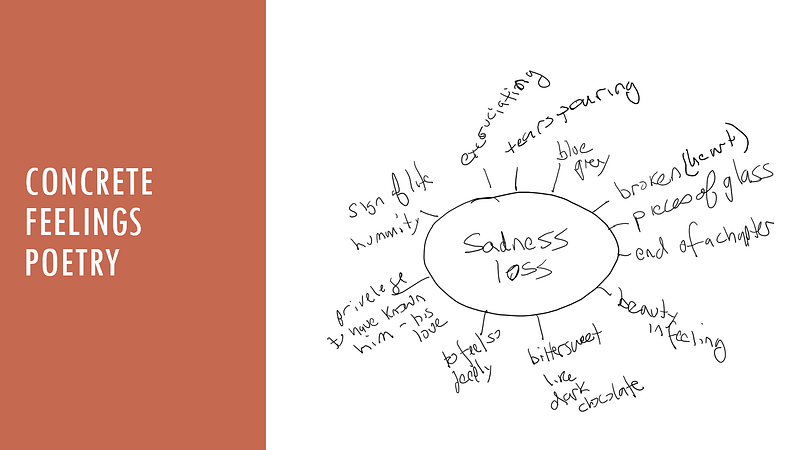
Slide from the author's presentation: Language in the Fractures-Poetry in the treatment of trauma

There is neurological evidence of a response to poetry in pre-literate children and archeological evidence of a long tradition of the use of oral poetry in pre-literate civilizations.

Poetry activates memory, insight, and emotions in the writer and reader/listener, helping create a sense of interconnectedness and also facilitates learning.

The human brain may, in fact, be hard wired for poetry.

The importance of language and nonverbal expression, with special emphasis on metaphor, surprise, repetition, tone, resonance, and both direct and indirect communication, overlaps with clinical hypnosis. Thus, poetry, like clinical hypnosis, facilitates information processing through both conscious and subconscious systems.

“The unconscious mind writes poetry if it’s left alone.” Stephen King

There is a growing body of research supporting expressive writing in general and poetry specifically as a tool for psychological wellness. For example, research on expressive writing found that individuals who wrote about traumatic experiences for 20 minutes a day for four consecutive days experienced fewer symptoms of depression and anxiety six months later than those who did not engage in expressive writing. Similarly, a review of studies published in the Journal of Poetry Therapy found that poetry therapy can be effective in reducing symptoms of depression, anxiety, and trauma and in improving overall well-being and quality of life.

One simple exercise I have used with clients in supporting both increased awareness of feeling and experiences and integration through poetry is the concrete feeling exercise.

I explain that feeling words are abstract…sad, angry, overwhelmed. These words just don't cut it when trying to explain how we are feeling. The concrete feeling activity can help turn abstract feeling words into concrete imagery. Here's how it goes:

1.Explain that "abstract" means an idea that we can't see, hear, or touch, such as the words happy or sad.

2. Write an abstract feeling word for the client to see, such as depression or trauma. Circle the word and then draw lines out from the circle. (see picture at the top of the page)

3. Invite them to write other words next to the lines that help them see what the feeling might look like. Words that make the feeling more concrete and felt with the senses. You can also suggest if it was a color, a shape, an animal, a place, a texture, a taste, an object…what would it be?

4.Finally, write a free verse poem using these words. The goal is to write a poem that helps us see the feeling word in a concrete, sensory way.

Look at the words in the picture above created by a client who suffered the loss of her fiance to a sudden death ten years ago. She was still dealing with the loss such that she could not commit to a new relationship despite being with her current partner for over two years. The poem we co-created from her words shifted her experience. Read the poem and see if you can tell why it was so impactful.

The sky blue grey raining tears of broken glass pieces of my heart left at the chapter's end and the excruciating privilege to be human and alive to have known love and feel deeply the beautiful bittersweet moments like dark chocolate that I will return to again and again

Some references:

Niles AN, Haltom KE, Mulvenna CM, Lieberman MD, Stanton AL. (2014). Randomized controlled trial of expressive writing for psychological and physical health: the moderating role of emotional expressivity. Anxiety Stress Coping. 27(1):1–17.

Mazza, N. (2017a). The evolutions of poetic inquiry, practice, education, and evaluation in poetry therapy. Journal of Poetry Therapy, 30(1), 1–2

Mazza, N., & Hayton, C. J. (2013). Poetry therapy: An investigation of a multidimensional clinical model. The Arts in Psychotherapy, 40(1), 53–60.

for further references, check out my book CORE Hypnosis: A Compassion Informed Therapy, in which I dedicate a whole section to the use of poetry for healing.

Poetry
Therapy
Poetry Therapy
Life Lessons
Healing From Trauma
Recommended from ReadMedium