
Composting: One Way to Reduce Organic Waste
Improve the environment and your connection to the Earth at the same time.
Americans waste a ton of food — an estimate of 133 billion pounds a year.
When placed in a landfill, it further affects the environment by releasing methane, a greenhouse gas that contributes to global warming.
What can the average person do to mitigate this? Besides being more prudent with food shopping?
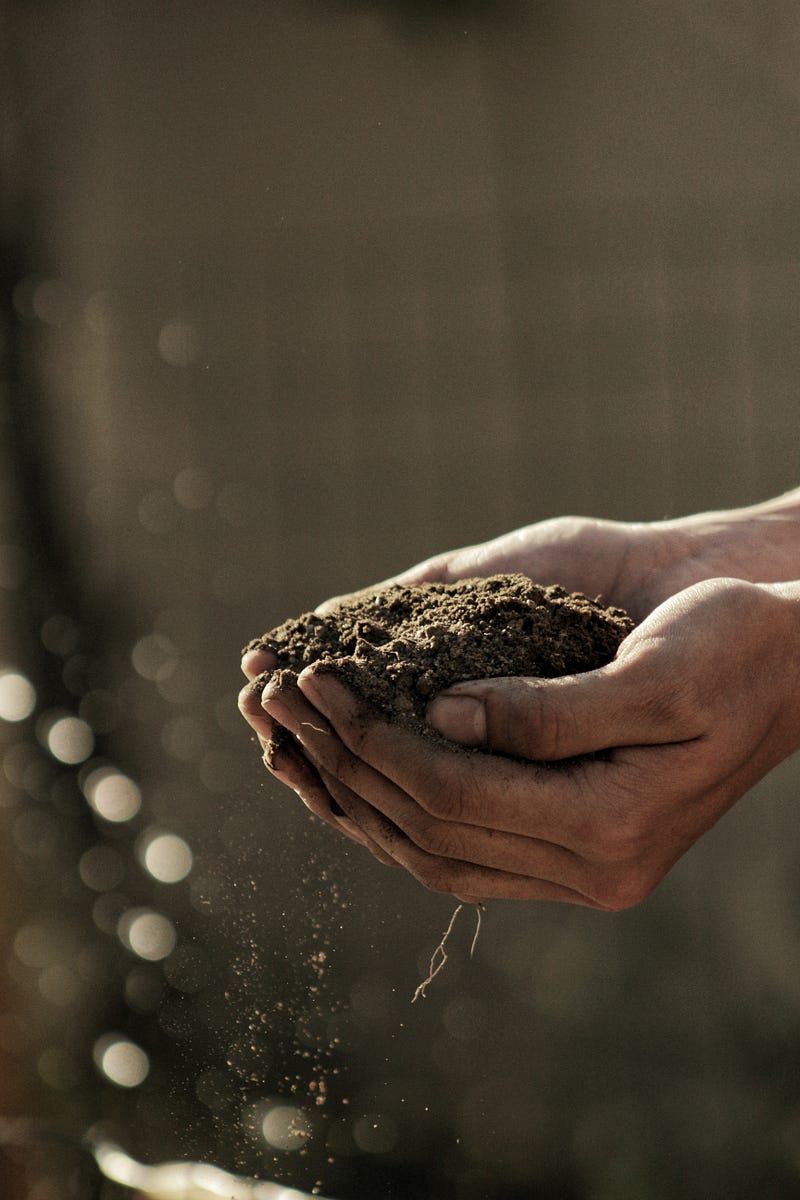
Composting offers a viable alternative to dumping your food in the garbage. It is nature’s way of decomposing waste and it adds nutrients to the soil, so it is beneficial to your garden.
All the food scraps you drop into your disposal or garbage can such as eggshells, vegetable peels, and garden trimmings — grass cuttings, leaves from trees be composted.
I compost my coffee grounds and filters, cores of apples and peppers, peelings from cucumbers, lemon rinds, spent bouquets of flowers, dried leaves of indoor plants, eggshells (no egg!) tea bags, but not meat or dairy.
I bought a large pot with a lid at a thrift store and keep it under my sink, where I can toss salad cuttings and other scraps throughout the day. Once a week I deposit them at a collection center in my town.
Not everyone has this resource.
Anyone can compost. There are different methods depending on your space and level of commitment to the process. First, you must commit some space to determine where you want to do your composting:
- Indoor
- Outdoor
If your yard is limited or you live in an urban setting, indoor composting is your best bet. All you need is two bins, one to catch your vegetable scraps and other cuttings, the other for the actual decomposing.
Both should have a lid.
The second bin requires holes in the top and bottom — to allow the scraps to drain and air to circulate.
There are two major ways to break down the food scraps. Both contribute to make a healthier soil.
Bokashi
Bokashi is a type of fermentation, like a brewery or the means of making sauerkraut. You can either make or buy the bokashi needed to ferment your scraps or make your own.
The benefits of bokashi — you can add some meat and dairy scraps, plus the smell is a bit sweeter.
This is a good video to start bokashi.
Don’t let the fancy bins deter you. You can make your own using buckets or storage bins.
Worms
The other option is worms. Worm castings are some of the best additions to any soil. Castings are the output of worms, the excrement. If you grow happy worms in your compost bin, they will provide you with the nutrients to make beautiful plants and vegetables. Gardeners refer to worm castings as black gold.
This is a good site for obtaining your worms.
Both methods require a range of temperature and humidity. When I composted indoors, I viewed it as a science experiment until I found the correct amount of moisture and heat.
Whichever you choose, it is a circular process, adding good things back into the soil to grow more of what was harvested from it.
Nature figured out how to keep the cycle going, but unfortunately, introducing chemicals and fertilizers disrupts much of the natural cycle. Composting will renew and revive this cycle.
If you have a larger area and want to enhance everything growing in that yard, consider an outdoor bin. There are many on the market, but I simply used a wooden frame, like a small square fence with one open side.
Pile your leaves, grass cuttings, and food scraps inside the area and use a pitchfork to mix.
This video goes more in depth.
Mixing compost with a pitchfork is great exercise for your core!
The decomposing process takes time. We mix it in the bin for months before shoveling it on garden beds, usually at the beginning and the end of the growing season.
I find it is involving myself in the process of life, embracing it.
I hope you will, too.
Cat has grown a lily bulb from her grandmother for over 30 years. She taught at the college level and worked as a journalist before learning non-destructive testing and working in aviation. She blogs at