
Black Lives Matter
Compliance Won’t Save Black Lives— Abolition Will
The family says police ‘Executed’ Andrew Brown Jr. with his hands-on steering wheel
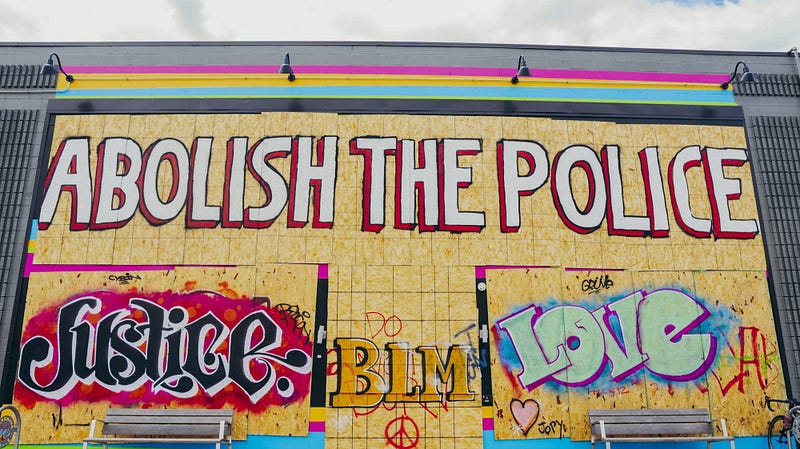
Whenever police officers kill an unarmed Black person, their defenders try to justify their death. If only they would comply with authorities, they insist, then they would still be alive today. There are two central problems with this rhetoric. For one, centering the discussion around compliance puts the responsibility on the Black citizen to stay alive. So, already, it places a barrier to police accountability. Secondly, compliance is not a strategy proven to succeed.
“Compliance will not save our lives.” (Kendi, 2021)
For years, Black people felt sidelined in a national discussion about terrorism. The War on Terror is often used to describe extremists in the Middle East, centered on fears held by white people. However, Black people have always endured terrorism in America. Until society addresses, that we will find ourselves stuck in a loop. American policing began as an institution to maintain slavery through any means necessary. Take, for instance, this law 1706 Virginia law:
“The legislation said, when slaves were declared runaways, it was “lawful for any person . . . to kill and destroy [them] by such ways and means as he . . . shall think fit.” (Ruane, 2019).
Virginia was not unique in the blank check given to hurt Black people. Slave owners in Louisiana branded slaves with the fleur-de-lis as punishment when they tried to escape. The more things change, the more they remain the same. Police continue to punish Black people for noncompliance, even when their attempts to flee do not endanger anyone.
When someone is wanted for a nonviolent crime, like Andrew Brown Jr., officers will not hesitate to use lethal force in his procurement. America witnessed the same strategy in George Floyd’s case. Even though officers wanted to arrest him for allegedly using a counterfeit bill, Chauvin used lethal force to subdue him, leading to his death.
If the goal of policing were actually to keep people safe, society would not accept them killing unarmed citizens. Yet, throughout history, the police have had a much more specific goal: maintaining control over Black people so that white people feel safe. Jim Crow laws helped to accomplish this feat. In its absence, policing has persisted — an unavoidable remnant.
Americans should reconsider their attachment to police as a tool for guaranteeing public safety. They don’t have a good track record. According to policing experts, putting more police on the streets does not prevent crimes. So if people want to live in safe communities, they will have to start trusting data instead of an archaic system.
While I wasn’t raised as an abolitionist, a lifetime of witnessing police brutality has turned me into a believer. Policing isn’t a mug that fell on the floor — it isn’t broken. It’s always been an institution that greenlights abuse against Black and brown people.
“Black and brown people are told in endless ways by fraternal orders of police and their powerful enablers: Comply and survive.” (Kendi, 2021)
According to his family, officers‘ executed’ Andrew Brown Jr. with his ‘hands on the steering wheel. Along with the community, they demanded the release of the footage. His death comes on the heals of Chauvin’s verdict, Daunte Wright, Ma’Khia Bryant, and numerous instances of police brutality.
In the aftermath of his killing, authorities gave the Brown family a 20-second preview of the video. They blurred out images of officers' faces and limited who could see the video. Within North Carolina, a judge must decide when to release the bodycam footage, and he declined. Advocates, the Brown family, and their lawyers want accountability in this case. They want the public to see what happened to Andrew Brown Jr.
Lack of accountability starts with selective transparency from law enforcement. They shouldn't get a grace period to get their story together. Officials should release the footage. According to his family, Brown did not resist and had no weapon. His hands were placed on the steering wheel. When people insist Black people should comply, they don't realize how often compliance fails to prevent tragedy.
Major changes can be stressful. However, doing the same thing guarantees the same results. Defunding police departments and allocating funds into community programs could create safer neighborhoods. However, as a Black woman from the South, I can honestly say I look at local programs skeptically. Just like during the Jim Crow era, focusing on local changes leaves out Black people living in the deep South. Americans need reforms on the local level, for sure. But, advocates should focus attention on federal changes, and for those inclined to fight, continue to persist until every Black person lives free from overzealous policing.
Compliance does not save Black lives. It stands side by side with respectability politics — a real carrot-and-stick situation. Society tries to gaslight Black people into thinking they are the problem. That’s no different than telling women to cover their bodies to prevent assault. Blaming the victims of police brutality undermines their humanity. It insists that we must follow orders perfectly in order to survive. That sets up a scenario where only obedient Black people have worth in society.
Policing isn’t a mug that fell on the floor — it isn’t broken. It’s always been an institution that green-lights abuse against Black and brown people.
When abolitionists organized, they used the Liberty Bell as their symbol. They wanted to highlight America’s potential in the wake of its broken promises. Surely, every person, regardless of race, should enjoy freedom. Yet, when they embarked on their journey, many considered them radical. Some Americans couldn’t imagine how the economy and public safety would endure without enslaving Black people. Yet, they bravely fought for a version of America that honors people of every hue.
Defunding the police will only work in liberal strongholds, neglecting Black people in the deep South. Reimagining policing ignores structural problems within the system. While it’s fair to consider all of these options, we have to keep a goal in mind. Is our goal to save Black lives from police brutality and if it is, then why would we settle for a system which continues to facilitate and excuse state-sanctioned violence?
“Activists argue that “reimagining” policing doesn’t address what they consider the fatal flaws of the institution: its racist roots and persistent role in perpetuating race and class inequities. They argue that some of the changes are already in place in select departments but are too incremental to eradicate the deep-seated culture problems that lead to brutality and abuse of power. They also say reforms only seek to make a structurally racist system slightly less violent.” (Lartey & Griffin, 2020)
It’s essential to understand — police officers shot and killed Andrew Brown Jr. in the back of his head because that’s how policing operates in America. Trayvon Martin, Sandra Bland, George Floyd, Andrew Brown Jr, Daunte Wright, and Breonna Taylor were not anomalies and our strategy should reflect the systemic nature of police abuses.
References:
Kendi, I. X. (2021, April 19). Compliance Will Not Save Me. The Atlantic. https://www.theatlantic.com/ideas/archive/2021/04/compliance-will-not-save-my-body/618637/.
Lartey, J., & Griffin, A. (2020, October 23). The System: The Future of Policing. The Marshall Project. https://www.themarshallproject.org/2020/10/23/the-future-of-policing.
Ruane, M. (2019, August 21). Freedom and slavery, the ‘central paradox of American history. The Washington Post. https://www.washingtonpost.com/local/freedom-and-slavery-the-central-paradox-of-american-history/2019/04/30/16063754-2e3a-11e9-813a-0ab2f17e305b_story.html.