
Healthcare & Elder Abuse
The Complexity of Elder Abuse in Modern Healthcare
The Modern Healthcare Demands a Robust Solution to Prevent Elder Abuse, Particularly in Rural Communities
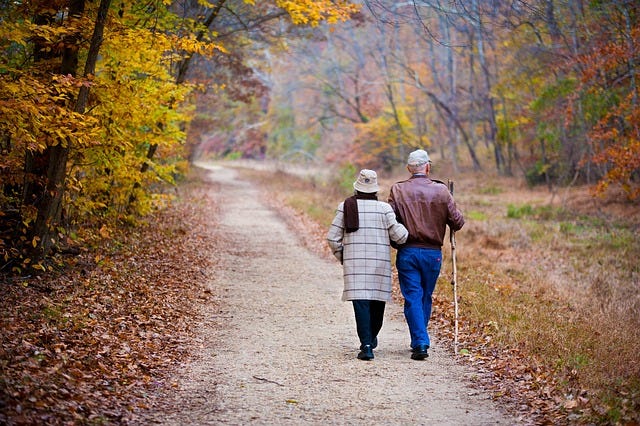
Elder abuse is among the significant challenges of our era. According to a report by the World Health Organization in June 2022, 1 in 6 people over 60 have experienced abuse in the prior year.
Today, a significant portion of elder abuse happens at the hands of caregivers in nursing homes and elderly care facilities. Nevertheless, adult children and other family members are also prevalent perpetrators.
The elder abuse rate has significantly increased during the COVID-19 pandemic. The researchers predict elder abuse will continue to increase due to rapidly growing aging populations worldwide. Over 50% of elder abuse cases are in rural, hard-to-reach communities. And the United States is at the top of the list of countries with the most significant rural communities at higher risk.
Statistics suggest that the global population of elderly over 60 will likely double, increasing from 900 million in 2015 to about 2 billion in 2050. This prediction serves as a warning sign to healthcare leaders, encouraging them to develop solid solutions to prevent elder abuse.
Elder Abuse Can Have Serious Physical Injuries and Long-term Psychological Consequences
Whether intentional or not, elder abuse can include physical injury, psychological vitriol, financial abuse, and neglect.
The elderly population is amongst the most vulnerable sector of every community, as they often depend on the help of others for their daily chores. They serve as the perfect target for fiscal exploitation by the abuser, be the victim of verbal anguish, sexual assault, or simply the subject of care giver's failure to deliver the needed care.

The scope of the problem is complex and vast, making it a significant public health issue. The challenge is a problem within the United States and an important issue worldwide.
The variety of impairments that contributes to elder Abuse is diverse. Factors such as chronic functional or cognitive impairments and social isolation place the victims at high risk for abuse. In addition to the victims' risk factors, the perpetrator risks play a significant role in elder abuse. These include substance abuse, psychiatric disorder, stress, history of violence, or perpetrators' dependence on the victim.
The Foremost Step in Elder Abuse Prevention is the Identification and Diagnosis
Dealing with elder abuse is never easy, as it can go on for a long time without detection. The fall through the cracks is primarily because of the subtlety of its signs. Furthermore, victims, more often than not, are unwilling or unable to communicate the problem for various reasons.
Victims may avoid discussing their abuse with a third party to avoid shame. They may do so out of fear of possible retaliation by the perpetrator, or they may want to protect the perpetrator from the legal implications of their action.
Social isolation is shared among the older population, thus making elder abuse hard to catch. Furthermore, symptoms and signs of elder abuse can easily be mistaken for underlying chronic diseases like hip fractures attributed to osteoporosis.
Despite being tricky, a little vigilance can go far in detecting elder abuse cases. Signs like the delay between injury or illness and seeking medical attention should serve as a red flag — or disparities in patients' and caregivers' accounts. Other signs of possible elder abuse include:
- When the severity of an injury is incompatible with the provided explanation.
- When explanations and interpretations of injury by caregiver or patient are vague.
- When there are too often visits to the emergency department.
- When a functionally impaired patient shows up at a doctor's office without a caregiver's presence.
- When laboratory findings are inconsistent with the history provided.
- When the caregiver is reluctant to accept home healthcare assistance.
Physicians must interview the victim and examines in private if they suspect abuse. That includes evaluating or reevaluating the victim's physical, laboratory, cognitive, and emotional state.
The Ultimate Solution to Elder Abuse and Prevention Rests in The Logistics
Abused elderly are at high risk of death. Studies suggest; that only 9% of the abused older adults referred to protective services survived the abuse and neglect.
Effective resolution for this growing problem demands a multidisciplinary and coordinated approach. Treatment of elder abuse cases starts from the time of identification and diagnosis, continued monitoring, and resources made available to the victim afterward.
The physician is responsible for reporting abuse to the necessary agencies and admitting them to the hospital for the immediate protection of the victim. Once the physician initiates and completes an urgent clinical restorative procedure, other team members shall create all essential preventative and accountability interventions. The latter includes the participation of resources like:
- Medical assistance
- psychological support
- Law enforcement
- Housing
- Referral to vital support services.
Then again, multidisciplinary service that prevents after-detection must also be able to detect those that typically fall through the crack in the current system.
Healthcare leaders have long recognized the significance of the protocol mentioned above. Nevertheless, over 90% of elderly abuse cases fail to survive once they reach the protective services desk.
Indeed, modern logistics maximize the prospect of detecting and preventing elderly abuse by offering remote Point Of Care (POC) to the elderly population, especially for those in rural and hard-to-reach areas.
The new Point Of Care utilizes integrated sensors and virtual portals to establish a collaborative hybrid environment (in-person and remote options) where everyone in the victim's care can engage in real-time, monitor, and execute timely retorts to patient circumstances.
References
- Anon., 2022. Abuse of older people [online]. Abuse of older people. Available from: https://www.who.int/news-room/fact-sheets/detail/abuse-of-older-people [Accessed 3 Jan 2023].
- Anon., 2023. NCEA — Home [online]. NCEA — Home. Available from: https://ncea.acl.gov/ [Accessed 3 Jan 2023].
- KAPLAN.DANIEL, 2023. Elder Abuse — Geriatrics — Merck Manuals Professional Edition [online]. Merck Manuals Professional Edition. Available from: https://www.merckmanuals.com/professional/geriatrics/elder-abuse/elder-abuse [Accessed 3 Jan 2023].
- TABRIZ, Dr. A., 2022. Patient Engagement Amidst Modern Challenges [online]. Medium. Available from: https://readmedium.com/patient-engagement-amidst-modern-challenges-f35349dcfcde [Accessed 3 Jan 2023].
- TABRIZ, Dr. A., 2022. Next-Generation Digital Health Infrastructure [online]. Medium. Available from: https://readmedium.com/next-generation-digital-health-infrastructure-c2c11b1fd0b [Accessed 3 Jan 2023].
- TABRIZ, Dr. A., 2022. Personalized Healthcare And The Next Generation Digital Infrastructure [online]. Medium. Available from: https://readmedium.com/personalized-healthcare-and-the-next-generation-digital-infrastructure-a793c5f99c5b [Accessed 3 Jan 2023].


