
Comparing Pandemic Strategies Between Turkey, the United States, and England
Questions continue and our new enemy becomes even more challenging
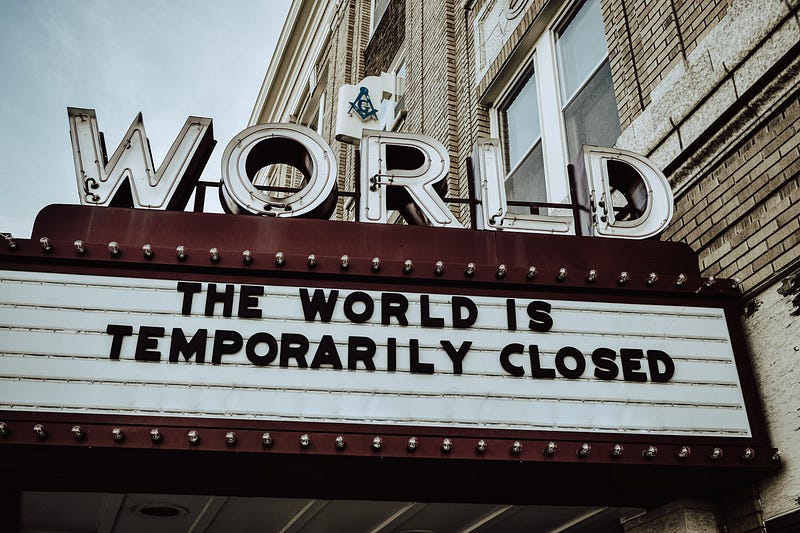
Healthcare professionals feel exhausted, sometimes even hopeless. The intense shifts add up with the fear of being infected as we run through this pandemic marathon. As a Turkish physician who works both with Covid-19 patients in emergency rooms and fieldwork as contact tracing, I would like to share with you my opinions considering different approaches of Turkey, the United States, and England.
We have met with coronavirus with a published open letter with a bold headline “HELP” in the Lancet around February. Since Lancet retracted the note later, I cannot cite it. Two healthcare workers were explaining to the world that Wuhan’s conditions and environment are more complicated and extreme than they could ever have imagined. And they declared they need EVERY HELP we can provide. While we were still confused about coronavirus is and how it affects people, the enemy has already shown itself at our doors.
As the world met the SARS-CoV-2, many challenges have occurred in different perspectives. You can read my previous articles in the links below.
The impact of non-Covid-related death ratios has been as threatening as the Covid itself since there has been undeniable disorganization in healthcare facilities, which led us to re-think: What is the main problem?
To assess the puzzle, I analyzed different CDC, NHS, and The Turkish Ministry of Health algorithms and guidelines. I have chosen these countries based on various health care policies they have.
First of all, let’s take a quick look at the common points of agreement
Incubation period: 4.8 days. (It can vary 2 to 14 days.)
Infective period: Begins 1–2 days before the symptoms start, ends with symptomatic relief.
When to collect a nasopharyngeal or oropharyngeal sample from people: Since the PCR effectiveness is the most ideal when the viral burden is maximum, the perfect time is at the onset of symptoms. (There are high ratios in false negatives at swab samples and false positives at antibody tests worldwide.)
Since that point, the guidelines have different pathways to contact tracing and treatment.
Problem 1
In Turkey, the guideline calls close contact “1 meter and 15 minutes or longer.”
The CDC and NHS accept 1.8 meters, equal to 6 feet, and/ or 15 minutes or longer.
The rounding of 1.8 meters to 1 meter and the duration limit might create a grey zone to oversight.
Problem 2
In Turkey, the guideline has the second subtitle as “contact” after the term “close contact.” which is defined as “1 meter or 15 minutes or longer.” The difference between these terms might lead to the second problem:
“The close contact” should be under quarantine at home to watch for any symptoms while “the contact” can go to work but is advised to watch for any symptoms to seek medical care.
The contact and close contact difference doesn’t take part in the guidelines of the CDC and NHS.
The big difference in approaches to these two relative terms might threaten public health.
Problem 3
In Turkey, the guideline emphasizes that the close contact(in quarantine) or the contact(not in quarantine) will be tested for Covid-19 only when symptoms occur.
However, the NHS underlines the contact should be tested and will wait for test results in quarantine while the CDC advises a medical professional’s view for assessment.
Asymptomatic patients might be overlooked and continue to spread the virus.
People who have symptoms might not provide feedback about their health status to authorities, therefore not getting tested and seeking medical advice when needed.
Problem 4
There is no known treatment for Covid-19 yet. However, in Turkey, we give COVID-19 patients or close contacts with symptoms hydroxychloroquine and favipiravir at home as the guideline-recommended.
The CDC and the NHS highlight ongoing research about drugs, yet there are no adequate data to prescribe these medications. In addition, there might be unpredictable side effects or long term outcomes on healthy people of these drugs.
Problem 5
I have created a question ask form in my social media account to evaluate the community’s lack of knowledge about the pandemic. I answered various questions with fundamental knowledge about the transmission of the virus, quarantine and isolation, and durations.
Therefore, while we encounter more significant problems in our labs and hospitals with our white coats, society is still confused about the pandemic terms. We should prioritize to raise more awareness of the public.
Final Thoughts
As we continue to battle with our new enemy, Covid-19, managing the global crisis varies between countries. We, healthcare professionals, should unite and find a standard and most accurate solution together.