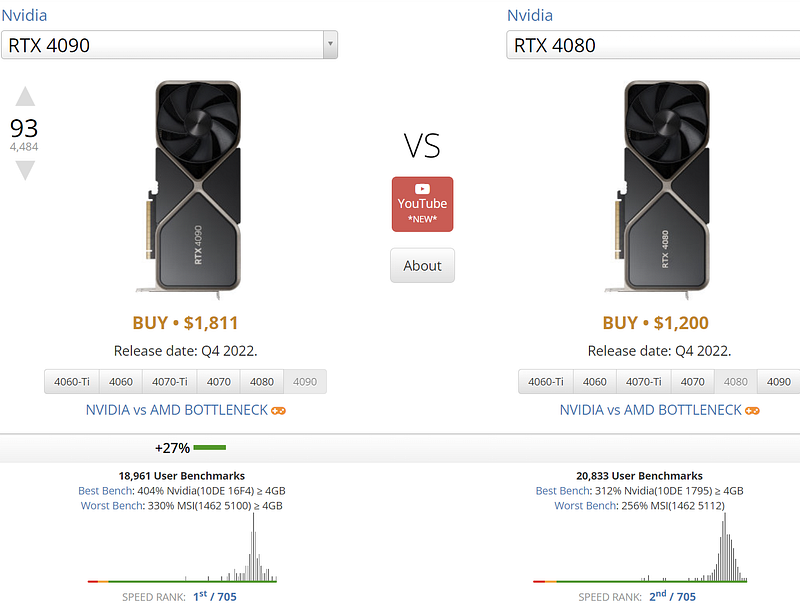
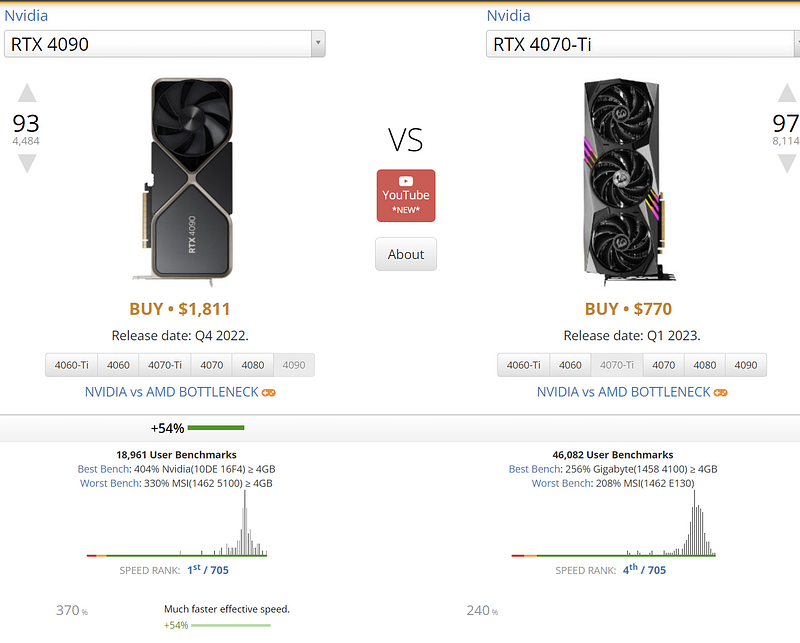
Comparing Nvidia RTX Series, Laptops, & best GPUs for Hacking + Cybersecurity
I recently have been doing a lot of hashing with my Nvidia GPU recently. Being in this industry made me look a little deeper into the main question.
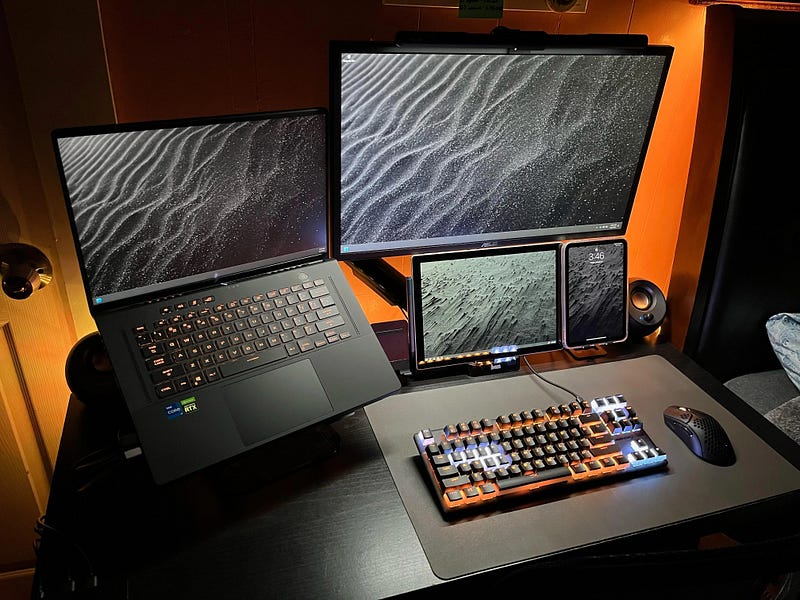
2070, 3060, 3070, 3090 ti, 4050, 4070, 4080, 4090?
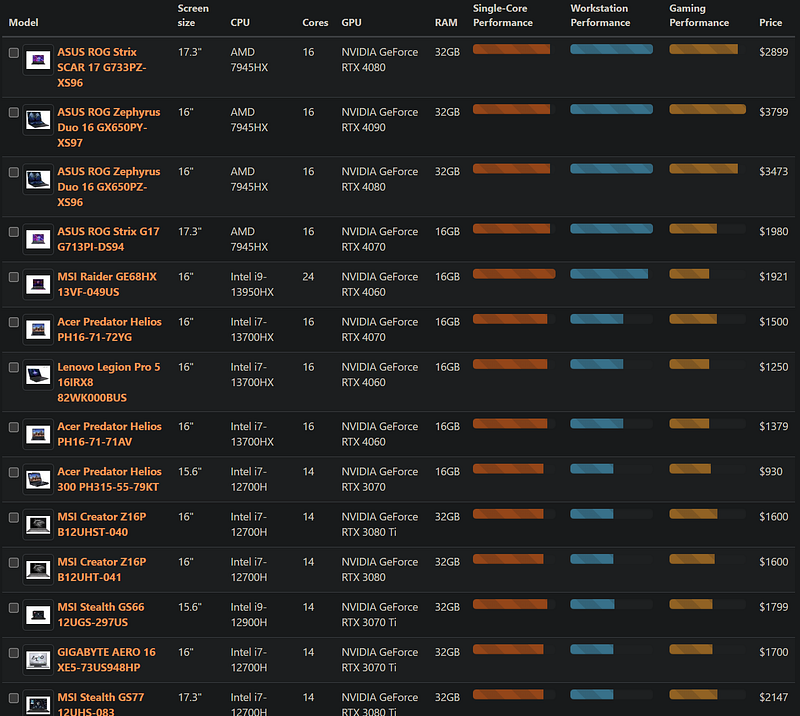
What GPU should I buy? Is the RTX 4090 worth it for cybersecurity?This report delves into the role of modern GPUs in password cracking, their impact on cybersecurity, and the strategies required to bolster defenses against these evolving threats as well as reviewing how these can impact performance & outcome. By exploring historical contexts, technical insights, and emerging trends, we aim to provide a comprehensive understanding of this dynamic field.

Ok so first lets start with GPU Architecture
Graphics Processor Units aka GPUs are integral to running applications that require heavy graphics processing, such as 3D modeling software or Virtual Desktop Infrastructure. In the realm of High Performance Computing, General Purpose GPUs are used to accelerate computational workloads, including Machine Learning, Deep Learning, and Artificial Intelligence.
Historical Context of Password Security
Password security has undergone significant evolution since its inception. Initially, passwords were a simple means of user authentication. However, as digital platforms became more prevalent and sophisticated, so did the methods to compromise them.

- On average, password attacks occur at an alarming rate of over 800 instances every second, marking an increase of around 70% from the previous year.
- In all documented cases of human-directed ransomware, compromised credentials, whether through hacking, malware, or dark web acquisitions, played a central role.
- An examination of roughly 35 million IoT and OT devices revealed that nearly 25% used common usernames and passwords, highlighting a serious security oversight.
- Analysis of various firmware images disclosed that close to 30% contained accounts secured by outdated and vulnerable password algorithms.
- Surprisingly, about 85% of breached accounts were found without multi-factor authentication, indicating a persistent gap in MFA adoption.
The history of password security is characterized by a continuous arms race between security measures and cracking techniques.
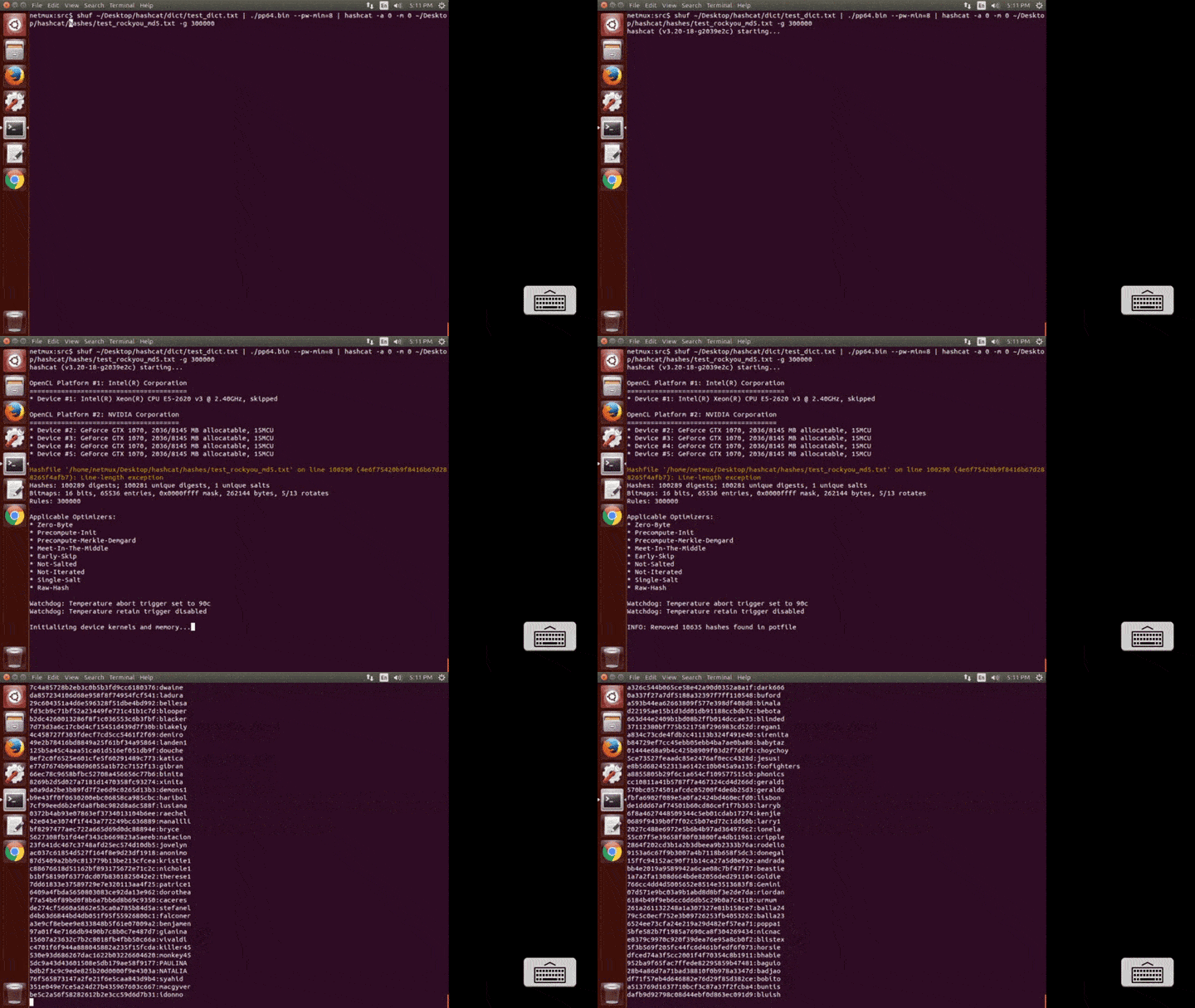
The introduction of GPUs in password cracking marked a significant leap in this ongoing battle. Originally designed for rendering graphics, GPUs were repurposed due to their ability to perform parallel processing, making them adept at executing complex computational tasks like password cracking
Technical Insights into GPU Architecture and Capabilities
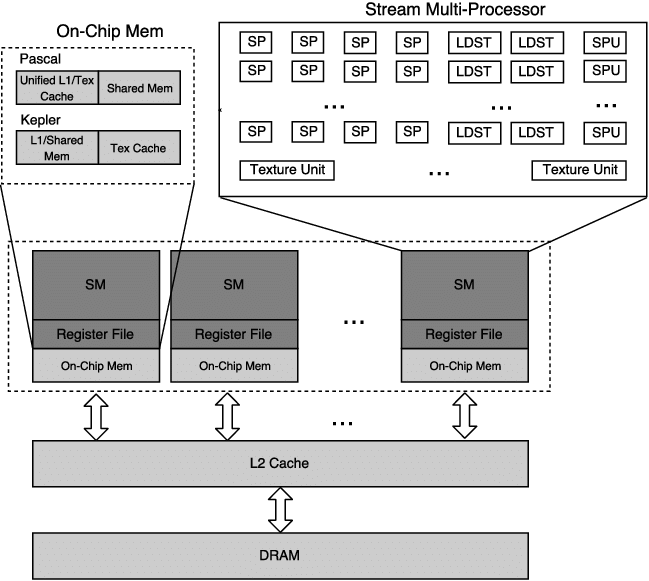
Understanding the architecture of GPUs is crucial to comprehend their role in password cracking. Unlike traditional Central Processing Units (CPUs) that handle tasks sequentially, GPUs are designed to process multiple tasks simultaneously. This parallel processing capability makes them exceptionally efficient at performing brute-force attacks, where numerous password combinations are tested rapidly
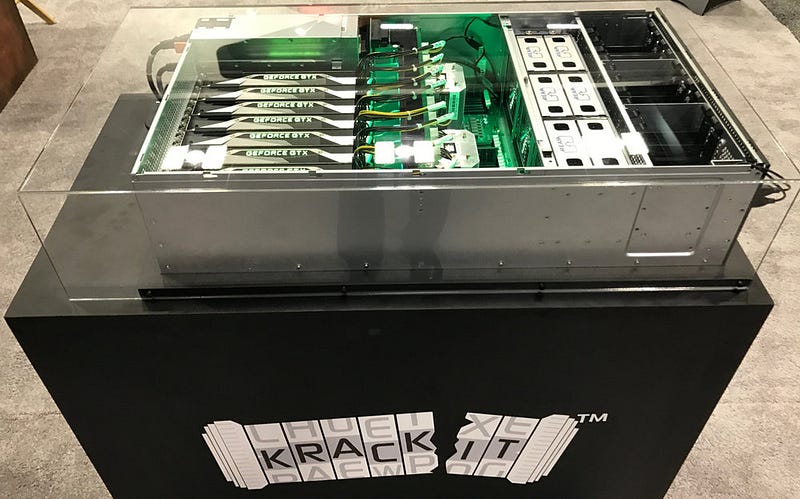
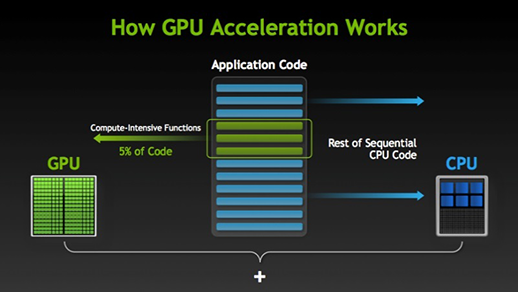
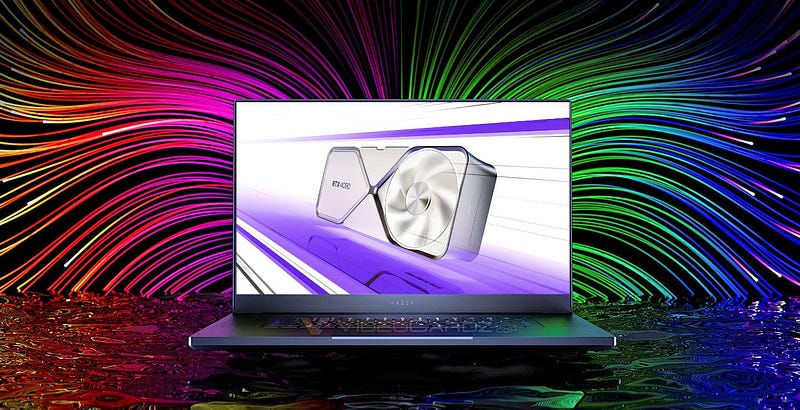
The Nvidia GeForce RTX 4090, for instance, has demonstrated remarkable proficiency in this area. With its advanced memory and processing power, it can crack complex passwords at unprecedented speeds.
The Dark Web and Password Vulnerabilities
The rise of GPU-accelerated password cracking has significant implications for password vulnerabilities, particularly concerning data breaches and the Dark Web.
The availability of stolen login credentials from numerous breaches on the Dark Web poses a severe threat to digital security. Billions of stolen logins from various breaches are accessible, contributing to a large percentage of data breaches.
This situation is exacerbated by the increased efficiency of password cracking through GPUs, underscoring the need for enhanced security measures.
Modern Password Cracking Techniques:
Password cracking is a common technique used by threat actors to gain unauthorized access to systems and resources.
Here are some of the most common password cracking techniques:
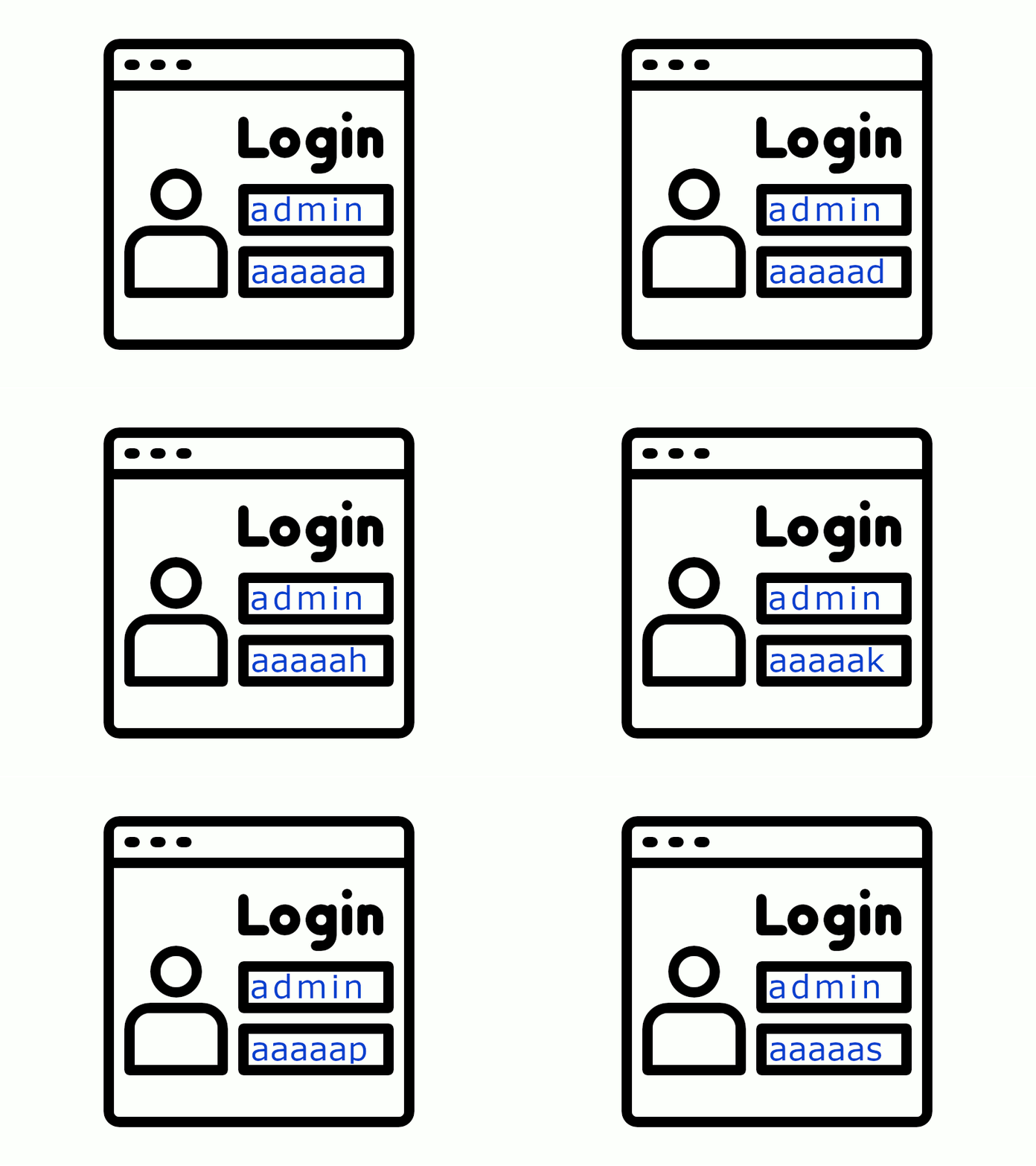
Brute-force attack: This method involves using automated scripts to try out possible passwords until the correct one works.
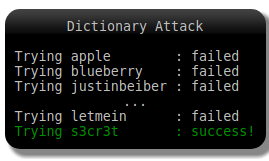
Dictionary attack: A password cracker searches each word in the dictionary for the correct password.
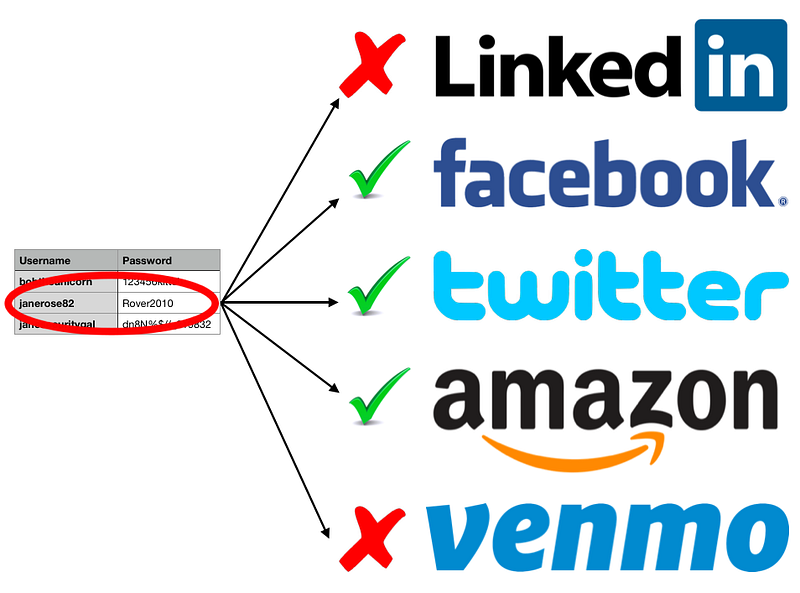
Credential stuffing attack: This involves using stolen or leaked credentials to gain unauthorized access.
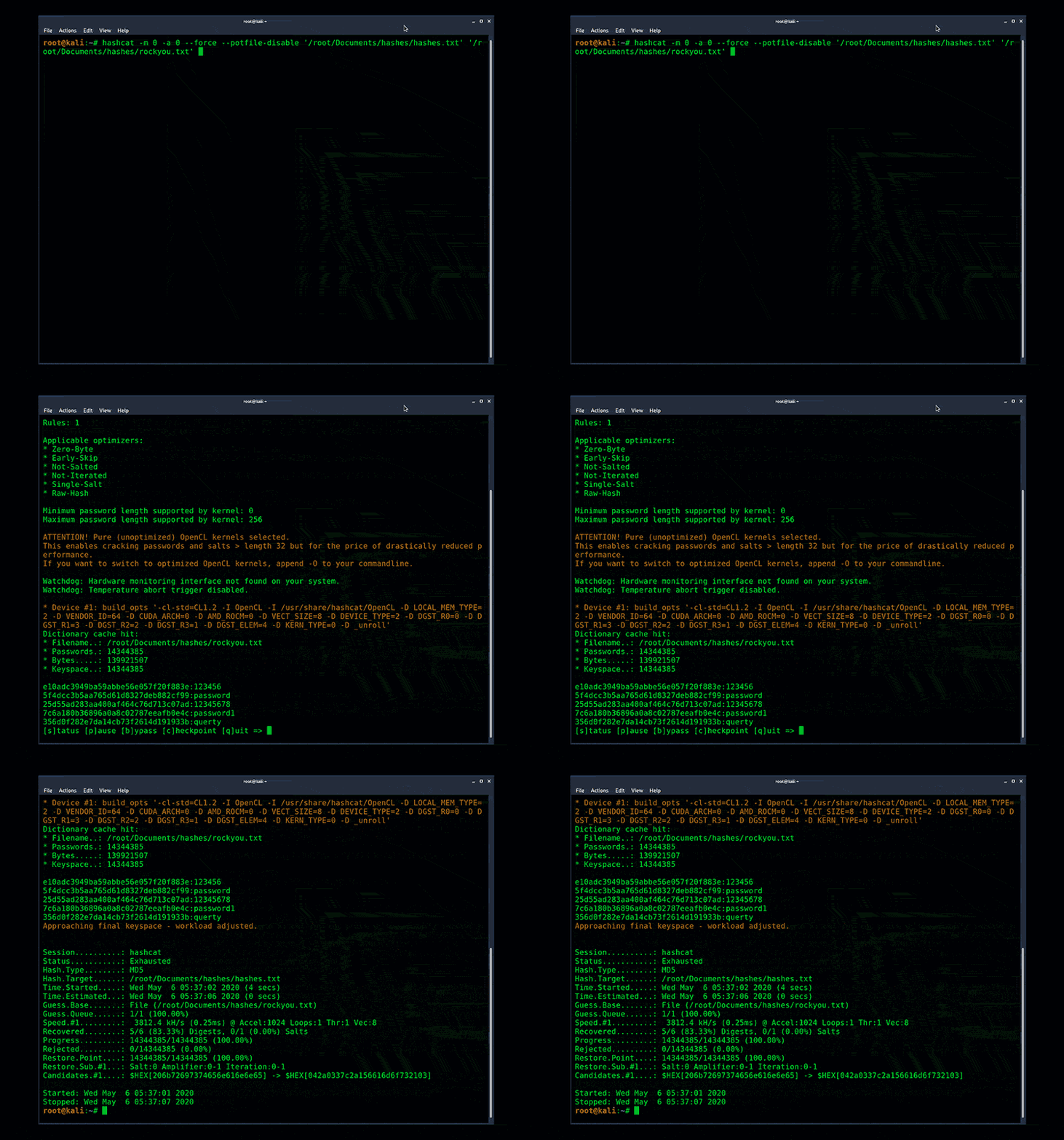
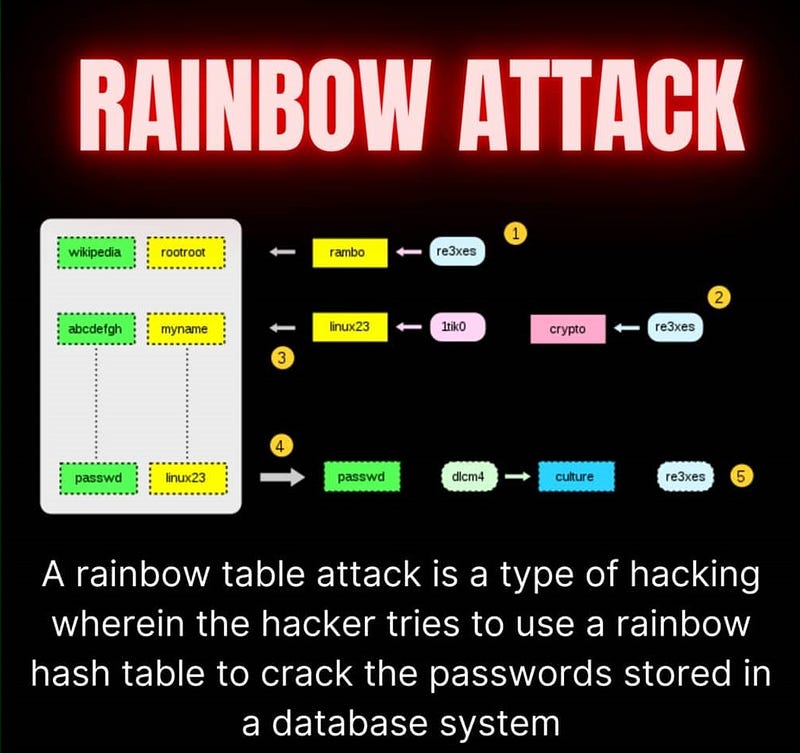
Rainbow table attack: This involves using precomputed tables for reversing cryptographic hash functions.
The challenges of password security vary significantly between corporate and personal contexts. In corporate environments, the stakes are higher due to the sensitive nature of the data involved. Password breaches in such settings can lead to substantial financial losses and reputational damage
While seemingly less critical, is equally important as individuals’ personal data is at risk. Both domains require tailored strategies to mitigate the risks posed by advanced password-cracking techniques. For instance, corporations might need more robust multi-factor authentication systems, while individuals might benefit from using password managers and stronger password creation practices.
Advanced Countermeasures and Best Practices
Choosing a strong password is just the beginning. We can take a step further to hedge our infiltration risk through various defensive checks & methods when stacked upon each other.
In response to the enhanced threat landscape, several countermeasures and best practices have been proposed.
Alternative authentication methods, such as biometric and behavioral systems, are also being explored.
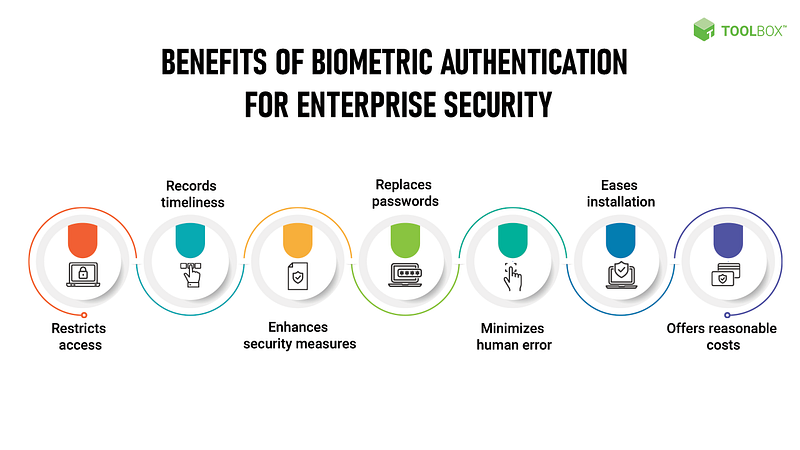
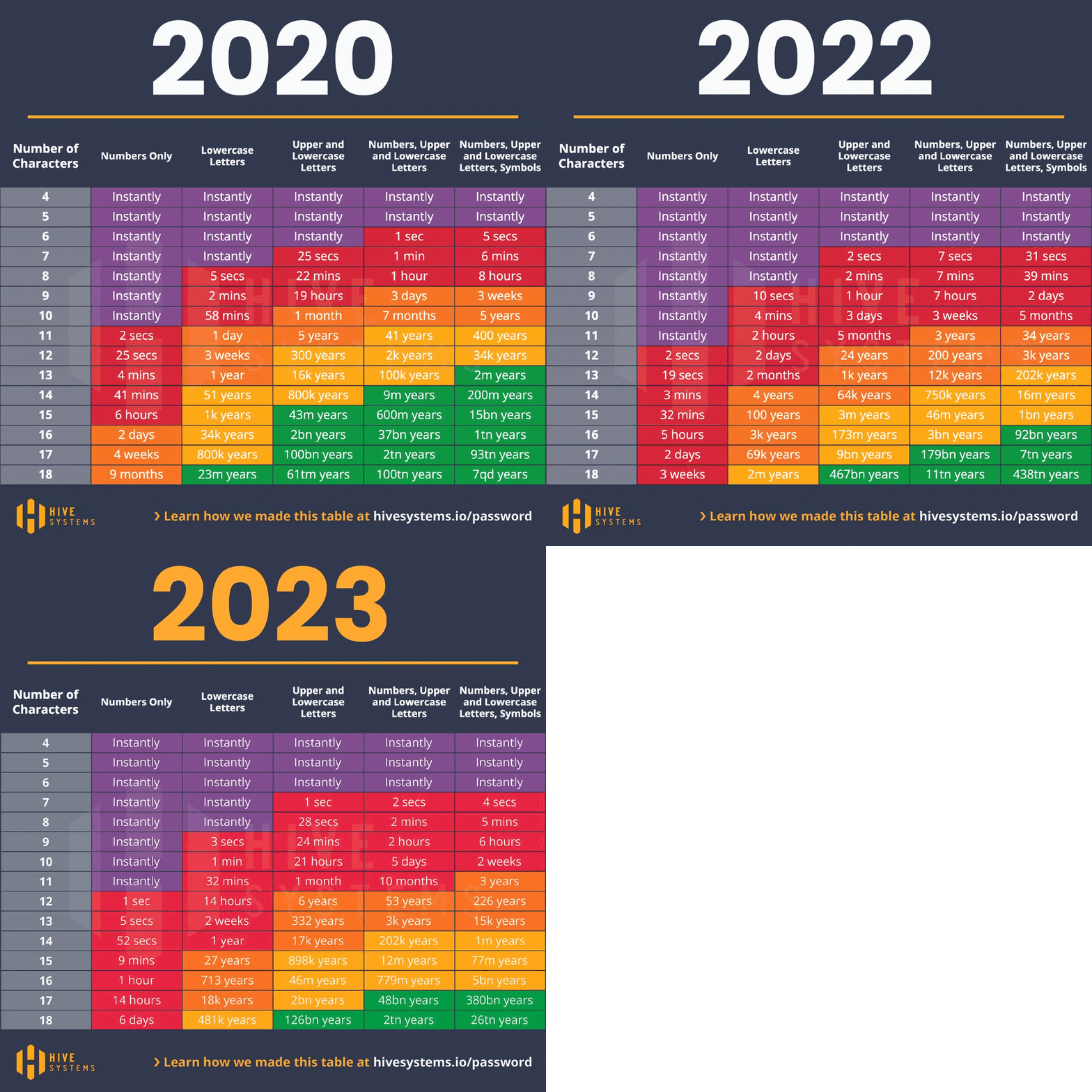
Furthermore, best practices in password creation and management are evolving. The emphasis is on longer, more complex passwords that are harder for GPUs to crack. Password managers are becoming essential tools for managing multiple secure passwords effectively
Future Outlook and Emerging Trends
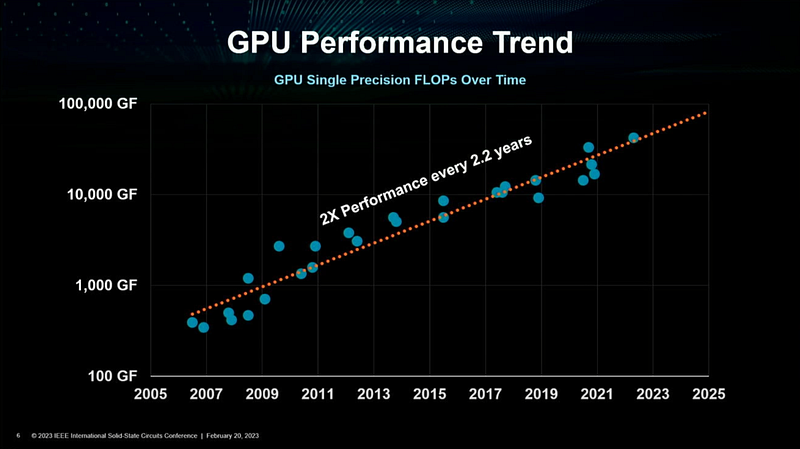
Looking ahead, the field of password security is poised for further evolution. The continuous advancements in GPU technology will likely lead to new threats, necessitating adaptive and innovative cybersecurity strategies. Emerging trends include the development of more sophisticated MFA systems and the exploration of alternative authentication methods.
Key Takeaways and Conclusions
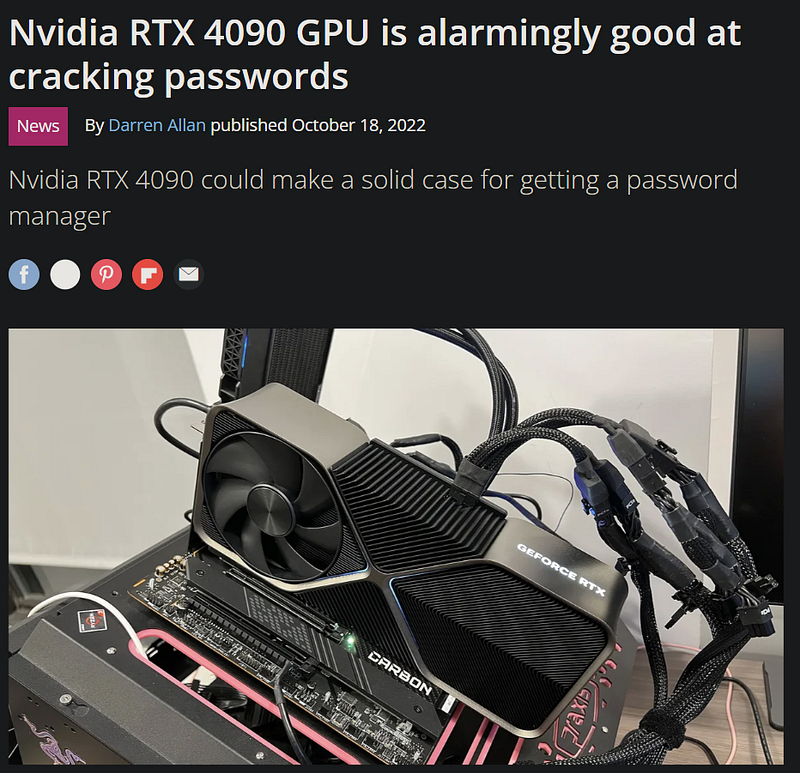
In conclusion, while the Nvidia RTX 4090 is a powerful tool for cybersecurity. This report underscores the current capabilities of GPUs and their effect on password cracking performance and speed. The need for heightened awareness and the adoption of more robust security measures is at an all time high with today’s rapid advancement of technology.
I hope you learned something!
Thanks for Reading!
Learn more: www.simplerhacking.com
-SH