
Use These 3 Methods to Approach Any Girls You Want with Success
Comparing 3 Opener Types: How to Initiate Conversations with Girls
For more dating content, you can check out my list: dating + sex.
Many friends in our group ask me how to initiate a conversation with a girl they’re interested in. So today, I’ll explore the topic and share some insights based on my personal experiences.

The way to initiate a conversation with a girl is normally called an “opener,” and there are three types of openers, as I see it: Direct, Indirect, and Situational.
Direct Opener
A direct opener involves expressing your romantic intention directly to your target. Since you’ve never met before, it often focuses on physical aspects like their eyes, beauty, or body.

Examples:
“I saw you from across the room (and you’re really cute), and I can’t help it. So, I had to come over and say hi.”
My Personal Experience:
Back in Brisbane, I once approached a British nurse in Queen Street, and we went on a date the same day later and she told me why. She was purely amazed by my gut and confidence. “ you have balls, definitely ” That’s what she said. By the way, it seems british gals are taking this as positive traits somehow.
Upsides of a Direct Opener
- Clarity: It leaves no room for ambiguity, making your romantic interest clear right away, which can save time and prevent misunderstandings, especially in less safe places like South America (you are not trying to rob her on the street).
- Charming Confidence: A direct approach can come across as confident and assertive, which can be attractive. In fact it’s an effective way to expose your vulnerabilty according to Mark Manson’s ingenious work — “Models”.
- Time-Saving: If the person isn’t interested, a direct opener allows for a quick rejection or acceptance, saving both parties from prolonged uncertainty.
Downsides of a Direct Opener
- Fear of Rejection: There’s a higher risk of immediate rejection, which can be discouraging or intimidating for many guys.
- Social Pressure: Approaching a girl directly can feel awkward, especially in crowded settings, and some girls might feel uncomfortable or pressured to reject you due to social norms, even if they are interested.
- Personality Differences: Not everyone embraces this approach; some girls prefer a more organic and natural way, like the romantic charm found in a Hollywood romantic comedy.
Indirect Opener
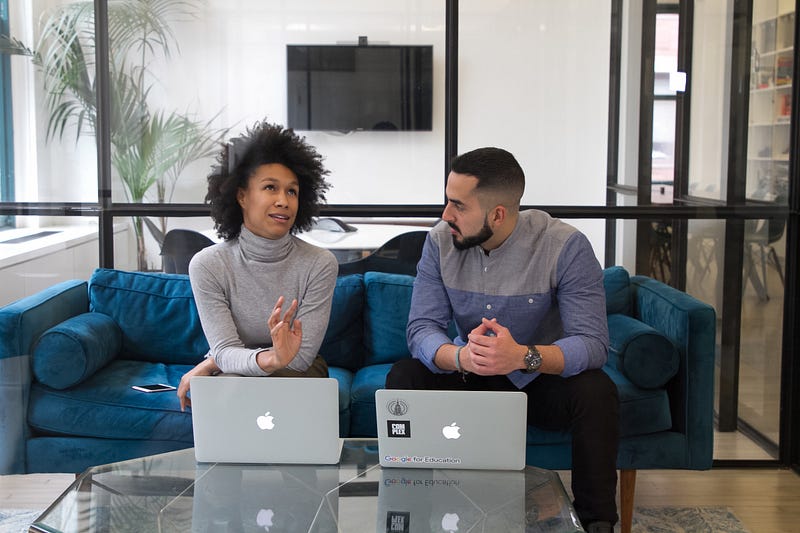
An indirect approach doesn’t show romantic interest right away. It’s about getting the girl’s attention, stopping the girl from what she’s engaging and starting a conversation without making your intentions obvious.
Examples of Indirect Approaches:
- Ask for Help or Recommendations: Approach with a question like, “Do you know a good coffee place/tea house around here?” or “Can you recommend a good Asian restaurant nearby?”
- Opinion-Based Opener: Start a conversation by seeking her opinion on something, like a book or movie. For example, “Hey, what do you think about this book/movie/event tonight?” Supposedly, you both are at a bookstore/the cinema or theatre.
My Personal Experience:
Years ago when I was in Brisbane searching for a rental property and attended an inspection, I encountered a charming girl who was assisting her friend. We engaged in a purely business conversation and exchanged contact information on LinkedIn. I later expressed my interest in her through that platform.
Eventually, we went on a date and shared some romantic moments.
Upsides of Indirect Approach
Indirect approaches work best in settings where you shouldn’t display romantic intentions, such as in a business or formal environment. It’s more appropriate and intelligent to exchange contacts and establish a connection, then explore potential romantic interests privately outside that environment.
Downsides of Indirect Approach:
- Friend-Zone Risk: You might be seen as a friend rather than a potential romantic partner if you don’t transition the conversation quickly into a romantic or sexual direction. This is the sole reason that I seldom use indirect apporach, remember:
Being friend-zoned is way more dangerous and catastrophic than purely being rejected.
- Lost Opportunities: Building a romantic connection takes more time with this approach, and someone more confident and faster may step in and take your place. This is quite common in Latin cultures where their approach to seduction is more direct.
But you can use the following tips to rekindle the romantic vibe and avoid the friend zone.
How to Show Your Intention After an Indirect Approach:
1. Maintain Strong Eye Contact: When you’re talking to her, maintain comfortable and confident eye contact. It conveys your attentiveness and interest in the conversation. 2. Proper Smile: A warm and genuine smile can go a long way in showing your interest and making her feel comfortable around you. 3. Flirt Playfully: Engage in light-hearted flirting if you sense mutual interest and comfort. Playful teasing or humor can add a fun and flirtatious element to the interaction. 4. Being Physical — Kino: Touching, handholding, or caresses can also be an effective way to show your sexual interest if used appropriately. 5. Express Your Intentions Explicitly: Finally, consider returning to a direct opener to clearly convey your intentions and eliminate any ambiguity.
Situational Opener
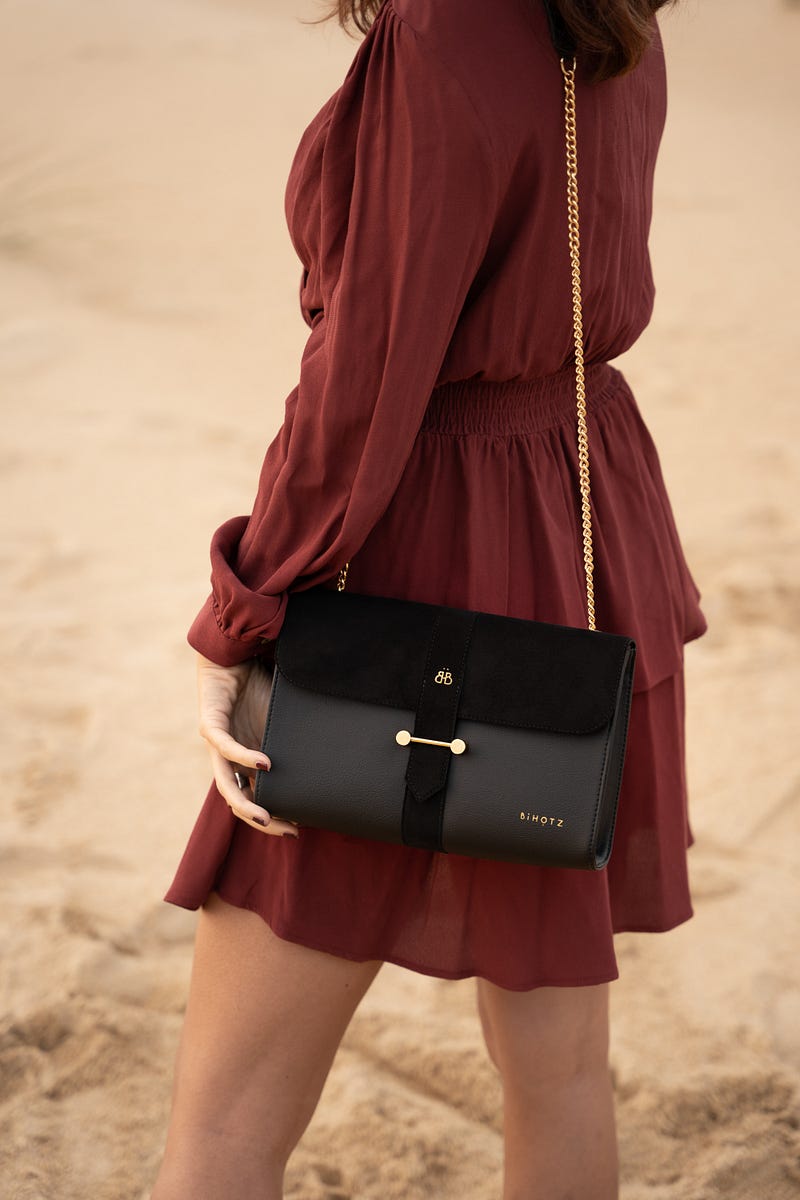
A situational opener is the most natural and romantic way to approach a girl. It’s about making a comment or observation about her without being explicitly romantic or sexual.
Examples
- “I like your handbag; it looks good on you.”
- “I heard you speak Chinese/Japanese? That’s cool; where are you from?”
My Personal Experience:
I used to approach a Mexican girl by saying, “Du sprichst Deutsch?” because she is blond and has a European look.
Upsides
It’s genuine, organic and less needy than direct approaches.
It’s easy to transition to a romantic conversation because you’ve already started talking about her.
Downsides
There’s still a chance of getting stuck in the friend zone if you handle it poorly.
Additionally, you have to come up with something related to the moment every time, which can be challenging and tiring. And sometimes, you simply don’t have the time.
In my personal preference, I lean towards using direct and situational openers rather than indirect ones. Indirect openers sometimes come across as rehearsed and insincere.
Especially when I’m traveling in South America, where safety can be a concern due to its reputation, it becomes essential for me to clearly and promptly communicate my intentions to avoid any potential misunderstandings that could be harmful.


