Community Mental Health Advocates Are Connecting Students (and their family) to Resources and Support
…and in some cases all these mental health apps might low key be doing more harm than good for some seeking support.
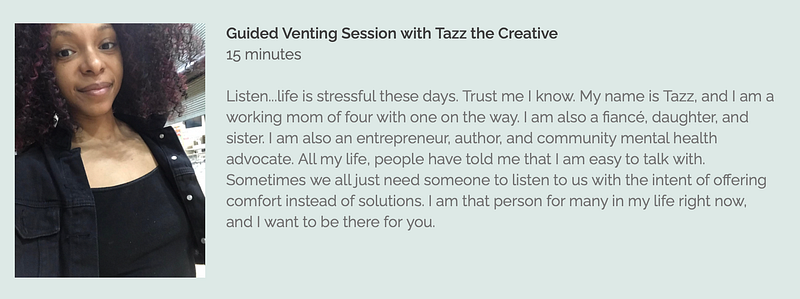
By A’tajene “Tazz” Anderson and Dr. Benjamin M. Drury
We’ve been reading and watching about negative experiences with therapists on BetterHelp.com. Some of the stories shared are highlighting what we consider serious issues that need to be addressed to ensure the well-being and safety of individuals seeking help. For example, we have heard from people who have used therapy apps like BetterHelp.com that their therapists show up late to their appointments. We have also heard reports of therapists being distracted during sessions because of course they do…everyone stares at themselves longingly when they are on a ZOOM call. In the grand scheme of moral and ethical violations a therapist could cause harm to a patient under their care, punctuality and vanity are not that deep for us. Full disclosure, during the pandemic I signed up for BetterHelp.com and related to a therapist who started out strong texting with me, and then fell off and eventually went ghost. I personally chalked it up to pandemic because I mean whoa it was rough for everyone. But, making inappropriate comments, or not providing suitable support, these are things that we would not expect a therapist to do and are certainly alarming.
Such behavior undermines the trust and confidence that individuals place in these platforms and can have a lasting impact on their willingness to seek help in the future. The surge in popularity of therapy apps during the pandemic was understandable, given the limited access to in-person services. However, it is crucial for these platforms to prioritize the quality and effectiveness of therapy over merely providing a convenient and accessible option. The experiences described indicate that there are significant shortcomings in the screening and training processes of therapists on these platforms. Especially when a majority of college students who are already living an incredibly complicated lifestyle might only have an app to rely on for their mental health, it is important that all members of the academic community have access to people they can trust to navigate them to the right resources for them.
Addressing these issues requires a multi-faceted approach. Funding more research into the harms and benefits of therapy can provide valuable insights and help inform best practices. Implementing statutory regulation and enforcing ethical standards can help ensure that therapists meet specific qualifications and adhere to professional guidelines. It is also important to educate clients about their rights, inform them about complaint procedures, and encourage open communication between therapists and clients to address concerns effectively. Concerns raised about the compensation and working conditions of therapists are valid. The low pay rates and lack of worker protections can contribute to burnout and may compromise the quality of care provided. It is essential for therapy platforms to ensure fair compensation and supportive working environments for their therapists to foster the provision of high-quality care. Ultimately, the duty of care from online therapy providers must be paramount. Platforms like BetterHelp need to prioritize the safety, well-being, and appropriate matching of clients and therapists. Rigorous screening processes, ongoing quality assurance, and a commitment to addressing client concerns are crucial steps in ensuring that therapy apps fulfill their promise of providing effective mental health support.
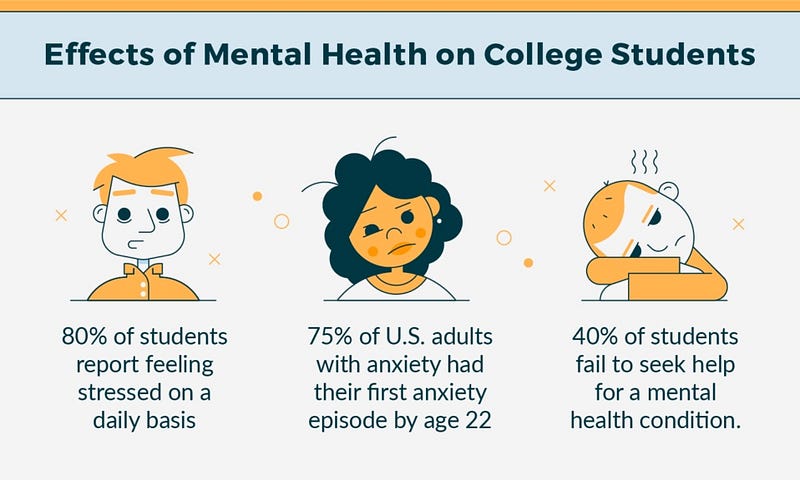
Going to school and being apart of the academic community at any level in the United States is, to put is euphemistically, challenging. We live in a fast-paced and hypercompetitive society with no time for reflection or community-building. Especially for those of us out here struggling with mental health, it is important for us to have access to reliable, ethical, and competent mental health services. If anyone has had negative experiences with online therapy platforms, it is advisable to seek alternative options, such as in-person therapy or reputable platforms with positive track records. Remember that there are many qualified professionals dedicated to providing the support needed for healing and growth. We recognize that therapy, like any form of treatment or intervention, is not immune to risks and limitations. While therapy can be beneficial and transformative for many individuals, there are cases where it may have negative consequences. Therapy is a complex and multifaceted field, and there are variations in the quality, training, and ethical standards of therapists. Absence of regulation in some jurisdictions allows individuals to set themselves up as therapists without adequate qualifications or oversight, which can increase the risk of harm.
While therapy can have risks, it is important to recognize that many people have greatly benefited from therapy and experienced positive changes in their lives. A key is to ensure that therapy is practiced responsibly, ethically, and with a commitment to the well-being of clients. Community-based mental health advocates play a vital role in bridging the gap between individuals seeking mental health support and the resources available to them. Regardless of how well trained they might be, if the advocates are often individuals who lack deep understanding of the local community, its cultural nuances, and the unique challenges that people face in accessing mental health services...they are doomed to fail. Advocates act as liaisons between individuals and the mental health system, providing valuable support, guidance, and connections to appropriate resources.
One of the significant barriers to accessing mental health services is the lack of awareness about available resources and the stigma surrounding mental health. Community-based advocates can help address these barriers by actively engaging with community members, raising awareness about mental health, and providing education on available services. People in this role can serve as trusted sources of information, breaking down misconceptions and reducing the stigma associated with seeking help. Advocates are often well-connected within the community and have established relationships with local mental health providers, clinics, support groups, and other relevant organizations. As people who share the identity and background of the folks from the community, community-based mental health advocates can introduce mental health services to individuals and help them navigate the complex mental health system. Most people just need someone to help connect them with appropriate services based on their specific needs and assist with scheduling appointments and filling out paperwork.
Community-based mental health advocates provide essential emotional support and empathy. By investing the time necessary to listen to individuals’ concerns, validate their experiences, and provide a safe space for them to express their emotions and struggles, these advocates can play a crucial role in reducing feelings of isolation and providing a sense of belonging, which are important factors in promoting mental well-being. Community-based mental health advocates can also provide information about alternative support options such as local support groups, peer-led initiatives, helplines, crisis intervention services, or other community-based programs that offer assistance to those experiencing mental health challenges.
By having a comprehensive understanding of the available resources, advocates can guide individuals toward the most appropriate and accessible options. Perhaps most importantly, community-based mental health advocates are situated within their community as people who have some level of status. People in the community listen to them, and respect what they have to say. Gatekeepers — sociologically speaking — serve to address cultural and linguistic barriers that may exist within specific communities by providing culturally relevant support, ensuring individuals have access to services that are respectful of their beliefs and values, and help navigate any language-related challenges.
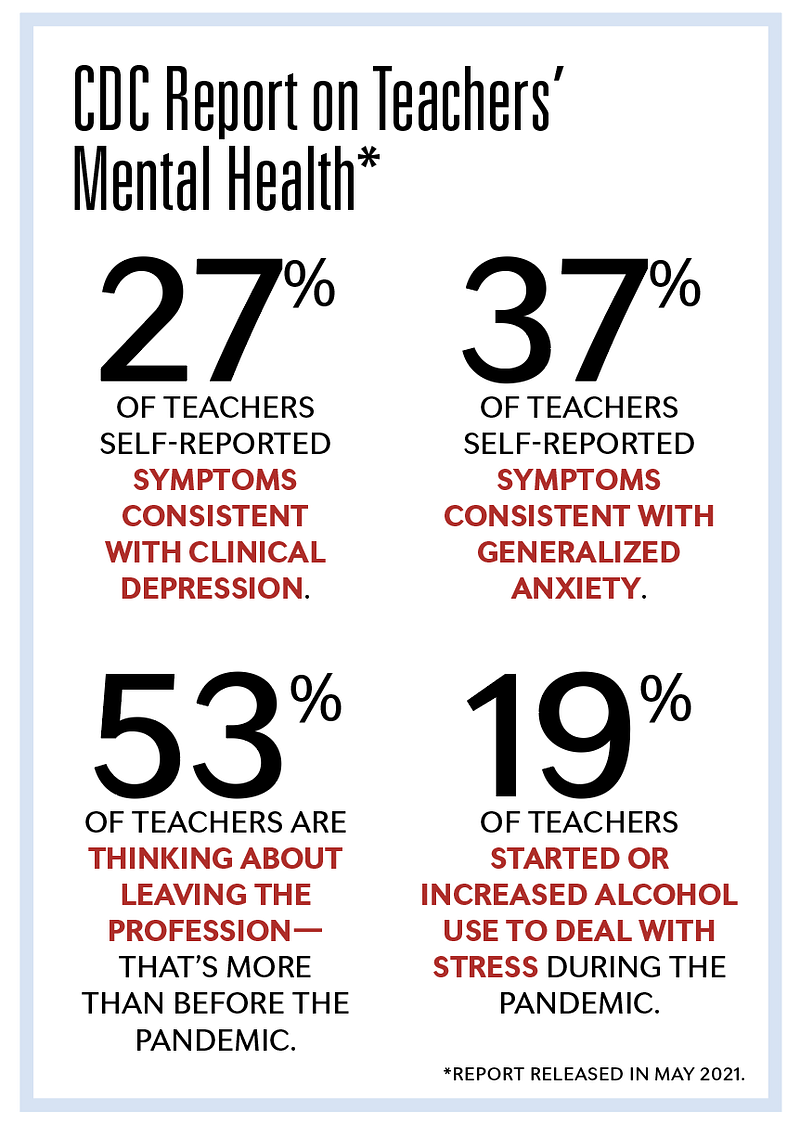
Student and teacher mental health is being strained to the breaking point in many communities across the country. Community-based mental health advocates play a vital role in promoting mental health and well-being within their communities. Having someone in place to serve as a conduit to valuable resources for individuals who may otherwise face significant barriers to accessing mental health services can be a life changing intervention. By connecting people to the resources, they need, advocating for their rights, and providing ongoing support, these advocates contribute to a more inclusive and supportive mental health programs and policies on campuses across the country.
If you or anyone you know is struggling with mental health and is unsure or uneasy with the idea of getting help, no worries. We can help. Tazz is a natural at connecting with people and learning their needs. Together, you will find access to resources in your community — Chicago or elsewhere — feel free to connect with Tazz and she will be happy to work with you: https://chieac.org/tazz