
Community Is the #1 Way to Get (And Stay) Sober
The company you keep matters more than you think
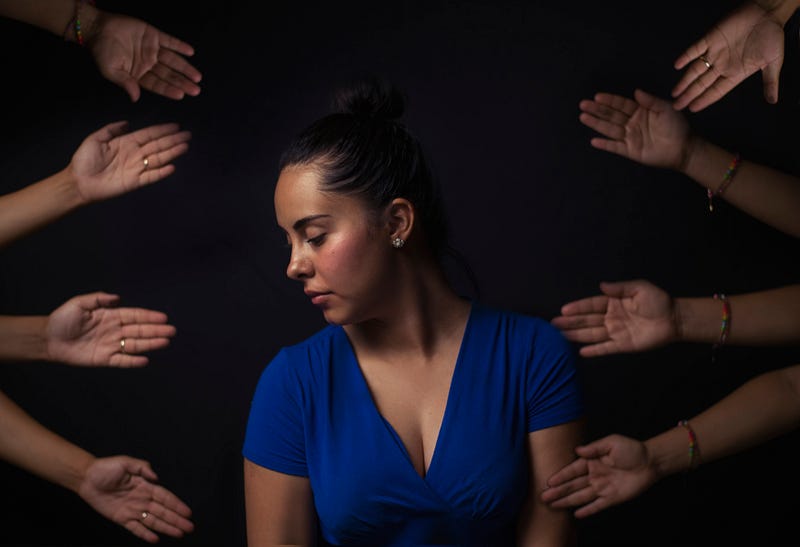
There are many different ways to get sober, some of which can be controversial (like incorporating psychedelics into a recovery model). Whether you’re sober-curious or in some type of recovery, there’s one thing that we all can agree on and that’s who you surround yourself with.
The #1 tool to keep in your sobriety toolbox is community. It’s non-negotiable. It does not matter the program you use to stay sober, having a community of sober-minded people is your best bet for getting and staying sober.
What Community Looks Like
Community can come in many different forms. For traditional recovery methods, like AA, you have daily/weekly/monthly meetings you attend. Meetings are scary at first, at least for me they were. You have to come to terms that you have a problem and nobody likes to announce that (let alone admit it to themselves). Especially while you’re at your lowest. But, you’ll come to find out that sharing your story and hearing others truly makes you feel less alone.
If your only community is friends who still drink, there’s a disconnect there that they will never understand. As well-meaning as they may be, they do not understand how lonely it feels to not be able to drink in a world so alcohol-centered. I’m not saying leave all your friends. I am saying, add some sober ones.
There are other, more secular groups out there if attending a traditional 12-step isn’t your thing (although, I encourage everyone to at least try it). I think the foundation that’s laid is pretty solid even if it’s not right for everyone.
During the pandemic, my local AA group couldn’t hold meetings, so I found an all-women’s group online. That actually ended up resonating more with my values, as I’m not the religious type and the prayer in AA always made me feel uncomfortable.
I found a small, close group of women that I could be vulnerable with and who could truly understand what I was going through. Even on the days I thought I didn’t have anything to say, I couldn’t believe how good it felt to get things off my chest. Things that may feel silly to “normal” drinkers, like wanting to have a beer when I mowed my lawn, or how I felt like I was grieving alcohol as if it were a loved one that passed away, were never looked down upon. Most of the time, those “silly” feelings were met with head nods and validation.
At the end of the day, your sober community can offer words of encouragement, hope, and resources to maintain your sobriety.
Why Community is Important
It’s so easy to slip into bad habits. You know exactly what I’m talking about. You blacked out again for the umpteenth time. You swear off alcohol, that you’re quitting for good!
You get through a few days, maybe even a few weeks. You’re feeling great and then you have a series of bad days. You think to yourself, “Eh..I can have just one. Just this one time.”
Your partner says, “Do you think that’s a good idea?”
You say, “Yeah, I mean, look how far I’ve come. I clearly don’t have a drinking problem if I can quit for a week.” And thus begins your spiral all over again. Once again we’ve broken promises to ourselves. Once again, we’ve broken our own hearts. It’s a vicious, never-ending cycle. A cycle I repeated for 18 years. How long are you going to continue yours?
This is why community is so important. Old friends/connections, bad days, celebrations — you name it, have a strong pull. But you’re becoming a new person. And you need a community to remind you that you’re strong enough to resist falling back into those old, comforting, toxic habits.
How to Find Your Community
Listen, I’m not going to sugar-coat this — finding community can be so hard. You’re going to get frustrated because you may have to try more than one route. It’s like finding a therapist — you don’t always get one that you mesh with right away.
The two that worked for me:
- Alcoholic’s Anonymous (AA): Yeah I know… you’re rolling your eyes. It’s one of the longest-running recovery programs out there (87 years) and they are everywhere. I live in a small, rural town in the midwest. There’s not much here in the way of recovery, so I didn’t really have any other resources when I first needed to get sober. Just try it til you find something else that resonates with you. Give it a real chance though, because recovery isn’t going to be easy. So, if you don’t like it because it makes you challenge your choices, that is not a reason not to go. In fact, I could argue that it is the best reason to go. You’re not getting sober to stay comfortable. AA doesn’t work for everyone, but it has worked for lots of people. The 12 steps are a great foundation. And the community is typically very welcoming and kind.
- Sober Vibes: Sorry men, this one is for the ladies or any female-presenting person. This is the one that resonated with me. Courtney Andersen is the founder and is very personable and down to earth. While I don’t believe she’s hosting meetings anymore (or right now), she is often doing something cool in the community and offers 1:1 sober coaching. She leaves the prayer stuff out that often comes with AA, she curses, and she feels like the best friend you didn’t know you needed. She’s always keeping it real — whether you wanna hear it or not. And that’s what I needed my first year (hell-even now 2.5 years in).
Remember, you and I are different people. I encourage you to find and try as many sober groups as you need until you find the one that best vibes with you.
I thought perhaps I’d include a whole list of communities for you in this article. But, The Tempest did a great job of that already. Check this article out for the top 25 Sober Communities Beyond AA. It’s a great read and a great place to start your research.
Always remember, you are NOT alone in your sober journey. You’ll be surprised how inclusive and welcoming the recovery community is.
And I always got your back. 😉


