
Common Mistakes People Make When Writing a College Paper
Tips to improve your assignment writing skills

Being a serial student and having a few too many nominals after my name means that I’ve penned a heck of a lot of assignments in my lifetime. Granted some of these have been absolute rubbish, but over this time I’ve learned a little bit about how to format and write a pretty good paper.
I’m also lucky (or unlucky) enough to have a side gig marking university and college assignments, so on top of all the writing and referencing I’ve done personally, I’ve also read a lot of other people’s papers.
When marking assignments I’ve noticed a few common mistakes that students seem to enjoy making. To help me explain these, let’s consider the following assignment question:
Critically analyze which make better pets, dogs or cats
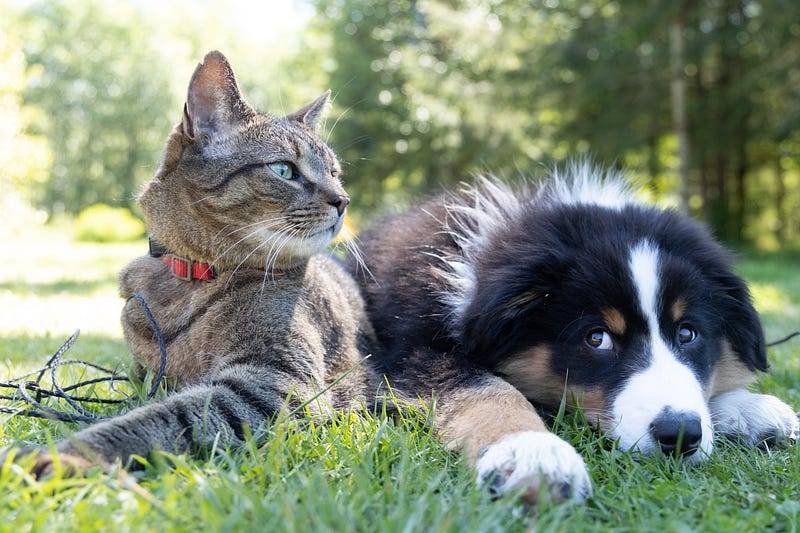
The first error made by students is presenting a shoddy introduction. I can usually tell within the first four lines of an assignment whether it is going to pass or fail. A good intro is crucial.
So how does someone write a good introduction? I’m glad you asked, my friend. All assignment introductions follow the same format.
Introduce the topic
Firstly, provide some overarching information about dogs and cats. For example, ‘Nearly 50 million American households own a pet dog and over 30 million own a pet cat. Pet ownership has been associated with improved mental health and emotional well-being.’
Identify the problem
Next, you need to provide an overview of the issue that needs to be discussed. For example, ‘The argument of whether dogs or cats make better pets has long been debated, with animal owners citing reasons why their pet is better than another.’
Tell the reader what you are going to discuss
Finally, it is important to outline the structure of the paper and what it will cover. For example, ‘In reference to current evidence-based literature, this assignment will critically analyze which animal makes a better pet, dogs or cats. Firstly, the benefits of dog and cat ownership will be identified. Next, the downfalls of dog and cat ownership will be examined. Finally, in reference to current literature, a recommendation will be made as to which is the better pet to own.’
And voilà; you’ve just produced a succinct well-structured introduction and you’re well on your way to an ‘A.’

The next error students love to make is failing to answer the question. Some students start talking about an animal other than a dog or cat. They might have a pet alpaca named George and decide that it is much more exciting to discuss how George lovingly spits on them to show affection. They might mention dogs and cats but fail to identify the differences and where one animal outshines the other.
When asked to conduct critical analysis, it is important to present a clear argument, on the assigned topic (not about George) informed by a detailed examination of evidence. This means that not only are the facts presented but they are compared against others. This leads me to the next error frequently made.
Using personal opinion
Unless a university assignment actually asks for a student’s personal opinion or reflection, then it’s not going to score any extra marks. It’s very easy to provide your own opinion on a topic, however, as you can appreciate, if you’re a cat owner you will be biased towards cats and vice versa if you’re a dog owner.
A critical analysis relies on the student reading literature, interpreting it, and then in response to that literature, providing a rationale summation. If all the literature says that owning a cat is better than owning a dog, and then the student says in summary that dogs are the better pet to own, then they have demonstrated a failure to understand the evidence.
This point then leads to another frequent error.
Minimal references to evidence
Overuse of personal opinion usually results in the under-use of references. Basically, as a student learning about cats and dogs, you are generally not an expert on the topic and therefore examiners don’t want to hear your opinion. Once you’ve spent several years studying cats and dogs and written a thesis outlining the findings of your own original ‘cat-vs-dog’ research, then you’ll be entitled to provide your opinion.
In the meantime, stick to what the experts say. As a general rule if you make a statement about dogs and cats such as, ‘Dogs unconditionally love their owners whereas cats only tolerate them,’ then this must be referenced by literature within the text itself.
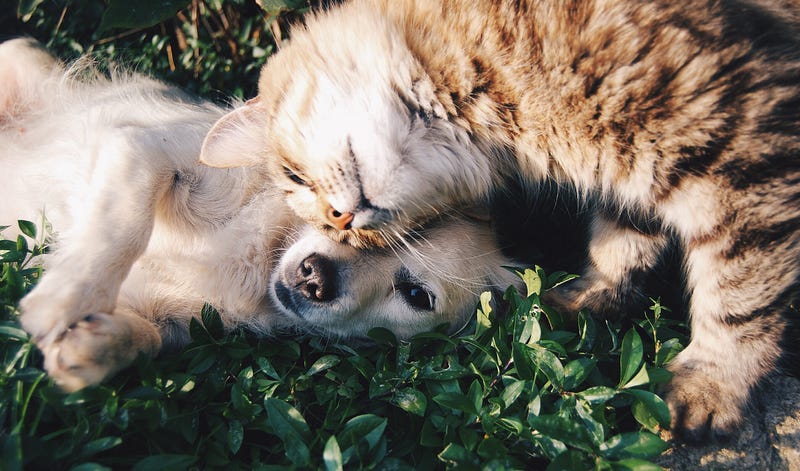
The next error I see in a lot of academic writing is incorporating detail that is not relevant. Whilst it is interesting that you bought your dog from a breeder in Alabama and it has a cute spot on its left cheek, this isn’t significant information.
Keeping on topic and only including information that is meaningful also helps to keep assignments within their required word count.
Finally, a bad assignment often comes with a crappy conclusion
Conclusions are the easiest part of an assignment and something everyone can get right. Just remember — never introduce new information or facts in a conclusion.
The start of the conclusion incorporates a summation statement such as, ‘Cats and dogs are loved by people all over the world.’ A good conclusion then reiterates and summarizes what was covered in the assignment. For example, ‘In this assignment it was identified that dogs are better than cats because of x, y and z. It outlined that cats are better to own due to a, b and c.’
Then end your paper with the recommendation and a statement to get people thinking or call them to action. It could be something like, ‘In summary it is better to own a cat, rather than a dog because of t, u and v. Owning a pet can reduce stress and improve mood, helping people to live longer.’
Whilst the errors I’ve outlined in this article may seem pretty obvious, I see them time and time again. Hopefully the tips provided help you to ace your next assignment, even if you are one of those weird people that think dogs are better than cats.
Good luck!
For more articles on health, motherhood, work, well-being, and lifestyle, sign up now for my newsletter: [email protected]