
Coming to Knowing
The Knowledge Keepers of Tracking
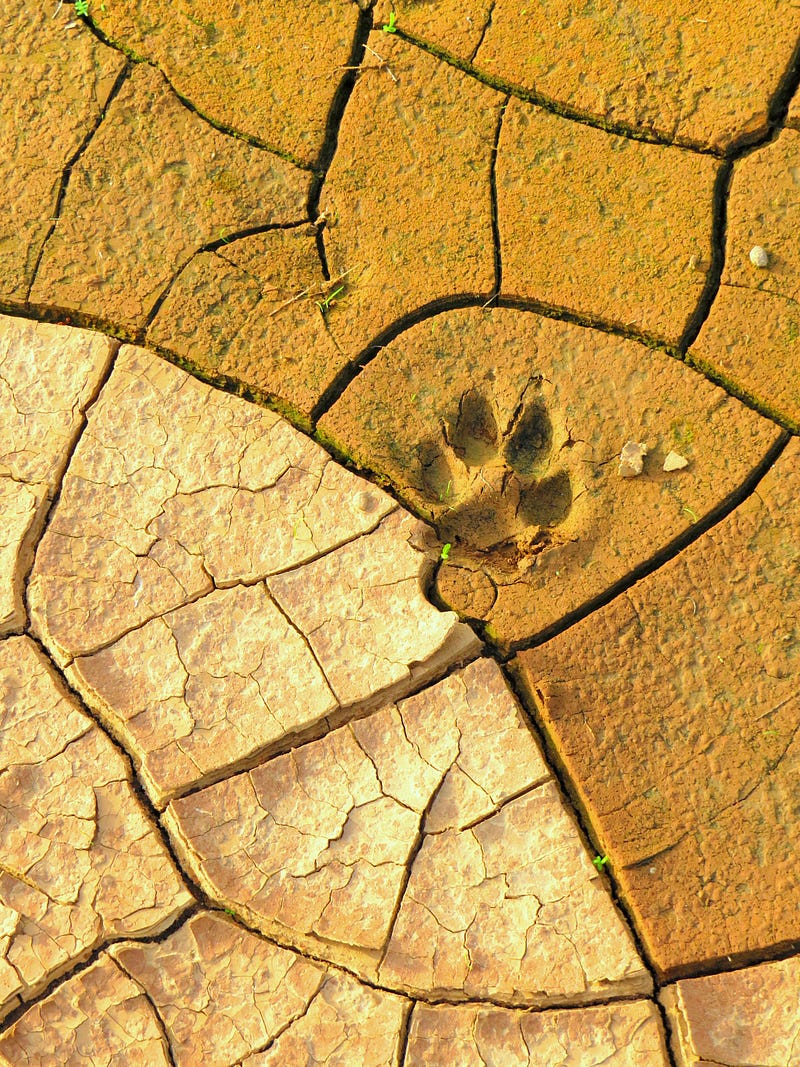
In the Art and Science of tracking humans and other critters, personal experience is the primary teaching tool. But there are different ways of looking at this ancient craft.
Hours, days, months, and years with my face down over some impression in the mud, snow, gravel, or dust filled my brain with information on the identification, movements, and personality of whatever animal I was tracking. Working with a mentor in the early years helped, but it was the time spent on the trail that built my proficiency in the craft.
The Indigenous People with whom I spent time had a different view.
To them, the very knowledge of tracking was outside of themselves. It was kept by Spiritual Knowledge Keepers, and these beings had to be petitioned for the tracker to gain the wisdom of the marks.
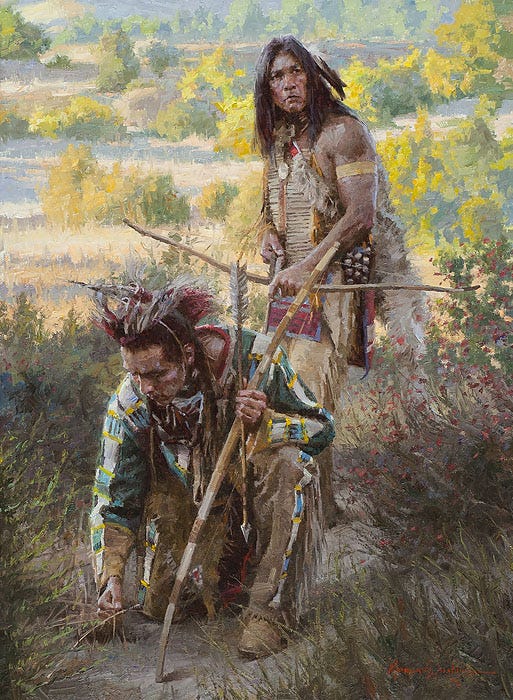
Time spent in learning the skill was looked at as gifts offered to the Knowledge Keepers, and the more time spent on the trail in all weather conditions, the greater the gifts.
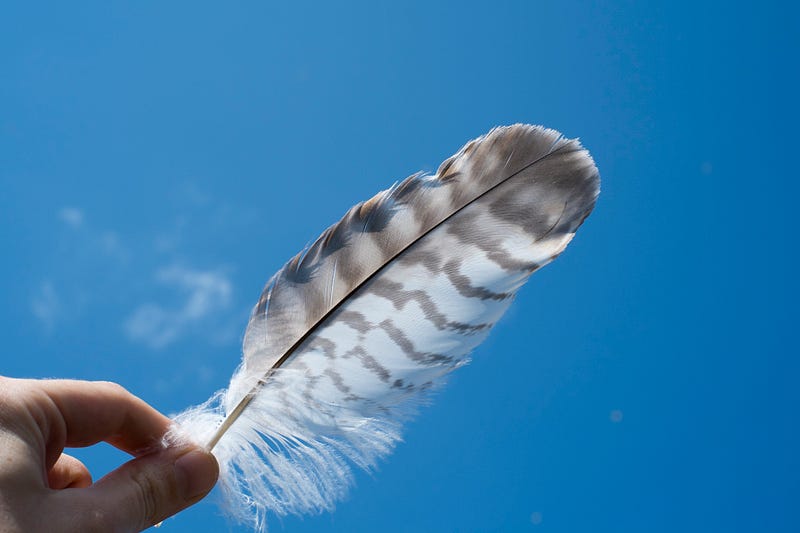
Before a youth received the honor of wearing a hawk feather in their hair, more than just a tracking ability was required. The neophyte had to know the ceremonies that went with the skill set.
As the hawk, the younger brother of the far-sighted eagle, can see far and near, it was this totem that was revered by many Indigenous People. The wing or tail feather worn in a knot of hair or headdress was a visual display of expertise awarded by the Knowledge Keepers of the Track.
The different worldviews are reflected in even something as basic as aging a footprint.
In the tracking workshops in which I either participated or, later, led, we emphasized the importance of knowing the landscape on which you are tracking. The direction of the wind, the position of the sun, the amount of rain or snow recently fallen, and the type of soil are crucial to determine the age of a track, whether human or other critter,
As a person raised with a Western mindset, I used observation and measurements to determine elements of the area: type of soil, and recent weather patterns, for example. The breeze on my cheek and the sun on my shoulders were noted, but I relied on weather reports for an accurate history of precipitation and temperature.
I, of course, was looking at the landscape through my own worldview, and the numbers told me the information I needed to assess the track.
A Blackfoot elder, named Buster, told me my method was static. “You don’t learn the knowledge of life of the place with your numbers.”
“Listen to the wind,” the Indigenous man said. “Smell the earth in the track. Taste the sun on your tongue. The Knowledge Keepers of the Track will talk to you, and tell you the age of the track. In this way, you can touch the spirit of the animal you are tracking.”
As an investigator, I wondered if “touching the spirit of the animal” could work when tracking bad guys.
I put the question to legendary Border Patrol tracker Joel Hardin, during a workshop in Michigan.“On a long trail, you become familiar with the person you’re trailing,” Joel said, “and you get to know their personality intimately.”
And Joel would know about long trails. He once tracked a suspect from the Mexican border to San Diego where the suspect was apprehended.
Listening to the landscape can also produce results, even without direct information from the Knowledge Keepers.
Wisconsin police tracker Tony Kemnitz tells of following two men wanted for a series of crimes. The men had fled on foot from their last crime after their car had stalled, and police sirens were getting close. Tony had found their footprints near the backdoor of the residence they had broken into, and tracked them across a field, through some brush, to a wide stream deep in a forest.
“The men entered the water to hide their trail, so I had to determine which way they had gone, upstream or downstream. I sat down, lit my pipe, and listened to the land around me.
“It was the crows, raising a ruckus upstream that made up my mind. I jumped into the water and waded slowly, listening carefully to the background of the forest and the rippling stream. When I found where the men had climbed out of the water, I called ahead and, within thirty minutes, the men were in handcuffs.”
An Indigenous tracker would explain that Tony had listened to the Knowledge Keepers who then sent him in the right direction. His gift to the Keepers was the years, since childhood, Tony had spent studying the craft of tracking, and his willingness to listen to the landscape.
“Intuitive tracking” requires a lengthy period of study before the Knowledge Keepers will reveal the inner mysteries of a track. Tom Brown, Jr, is an example of someone who has developed this skill to a remarkable level.
For ten years, from the time Brown was eight years old, he was mentored in the “wisdom of the marks,” by a displaced Lipan Apache tracker. He learned the art from an indigenous point of view.
This was brought home to me in the Pine Barrens of New Jersey when I was tracking with Brown. We were walking along a dirt road when we crossed a set of whitetail deer prints. We stopped and examined the impressions.
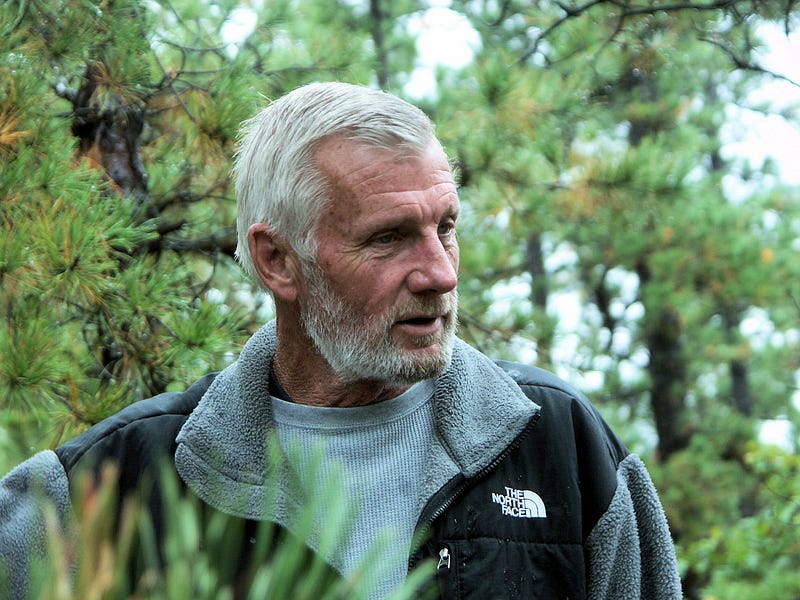
“Buck or doe?” Brown asked.
I studied several of the prints. “Doe.”
“How pregnant is she?” came Tom’s next question.
“Not a clue,” I responded.
“She’s ready to give birth and is looking for a safe area to have her baby.”
I was skeptical. How can you know how pregnant a whitetail doe is from her tracks?
I had never even heard of such a thing in all my years of tracking. “Let’s follow her,” I said, with a slight eye-roll.
We moved through the trees on the doe’s trail and approached a creek choked with cedar branches and roots.
“Stop,” Brown commanded. “Look into the brush just ahead and to your right.”
There it was. A new-born fawn lying perfectly motionless, still wet from its delivery.
“How did you do that? What did you see in the tracks that gave you the information the doe was pregnant, and even the degree of her pregnancy?”
Brown shrugged. “I just know it,” he said. “Just like your tracks show you have a pocket knife in your right pocket, and an old injury to your left knee. It’s information that comes to me from the tracks.”
He was right about the knife and the old football injury, and I noticed he had a hawk feather in the hat he was wearing.
An indigenous tracker wouldn’t have asked the questions my modern European-North American mindset bedeviled me with.
In their world, the Knowledge Keepers were simply responding to a tracker who had worked long and hard, and earned the right to wear the feather of the hawk.
Different ways of looking at an ancient skill.
More stories and articles on www.thomashanratty.com/blog