
Coming to Age: Navigating the Road Which Leads to the Great Beyond
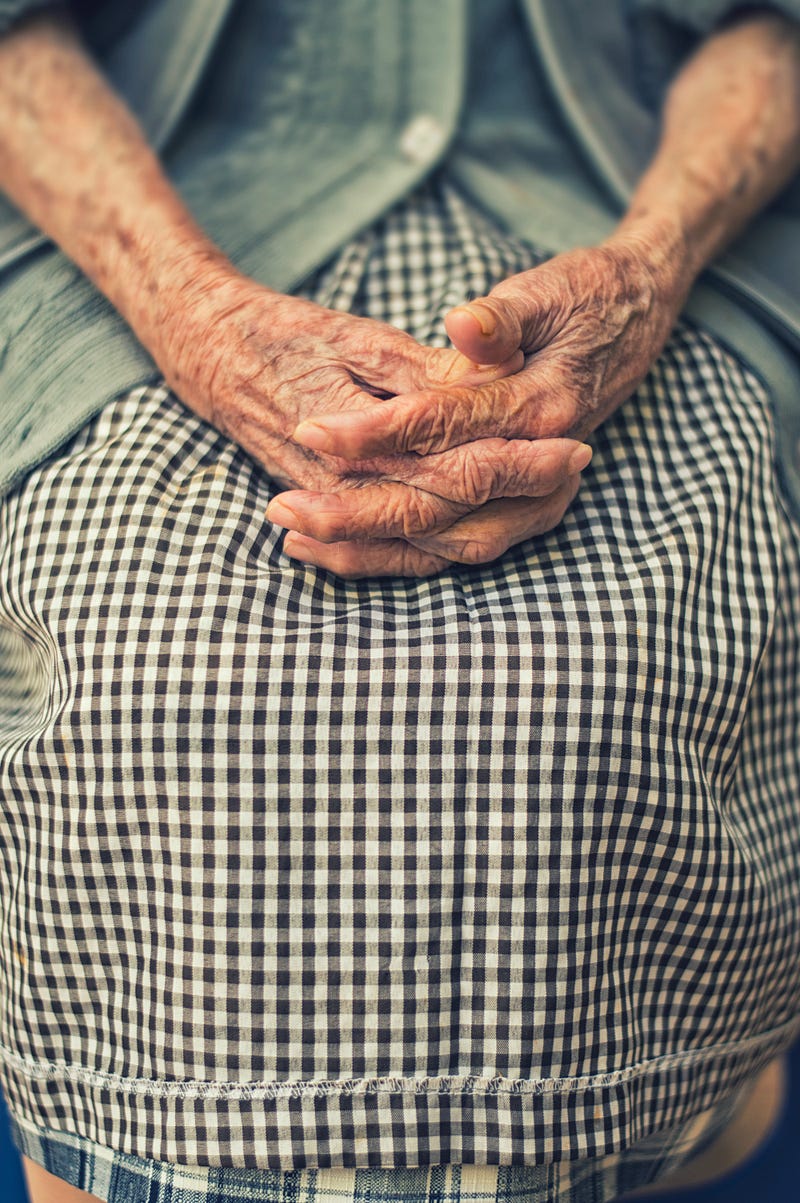
Life is a wonderful, curious, and cruel thing.
If we’re lucky, we grow up, have full lives, and grow old before we die.
However, growing old is a mixed blessing.
On one hand, we get to continue enjoying the people and things we love. We get to continue learning and having new experiences. We get to keep living. And to quote Tyrion Lannister, “Death is so final, whereas life…life is full of possibilities.”
On the other hand, getting old is hard, or so my dad keeps telling me. We grow increasingly tired, having lost our youthful vigor. Our mental faculties begin to decline. Our bodies slowly become frail and worn down, so much so that some people look forward to the end.
The silver lining here is our choices when we’re younger have a drastic impact on how we age. If we take care of ourselves, we stand a higher chance of aging well, of retaining our physical capabilities and mental acuity well into old age.
If we neglect our physical, mental, and emotional well-being, old age will likely hit us like a speeding bus.
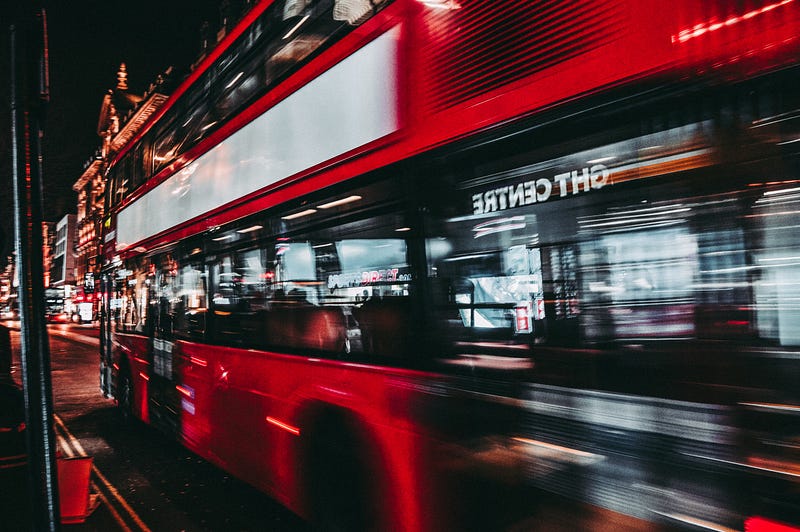
Though I’m only 38-years-old as of this writing, I’m already anxious about getting old.
Why?
My family has a nasty track record when it comes to aging.
My four grandparents are a horror show of what happens when you don’t take care of yourself.
My paternal grandfather had two quintuple bypasses (yes, you read that correctly) before passing away of heart failure.
My paternal grandmother had such severe adult onset diabetes, she had to get around in a motorized scooter. Moreover, her whole body looked like pillow cases filled with pancake batter. She passed away due to complications from diabetes.
My maternal grandparents are still with us.
They are not doing well, however. In fact, my mom and aunt with whom my grandparents live are in the process of getting conservatorship over them because they are no longer capable of living independently or caring for themselves.
My grandfather had a massive stroke twenty years ago. Even in his early sixties, he was physically stronger than most people I knew. He was also one of the chattiest and funniest people you’d ever meet.
The stroke left him weak, frail, and aphasiac. He has to walk with a walker now and can no longer drive, partly because his eyesight is failing. Even worse, he is incapable of reading, writing, speaking clearly, or communicating in general. He has a vocabulary of about 70 words, but the meaning of some words are altered depending on what he’s trying to convey. The rest is too garbled to understand.
Of the two, he’s doing the best.
My grandmother has smoked for the last seven decades. She’s had to have a four-inch blockage removed from her femoral artery. She has osteoporosis because she mostly lives on cigarettes and coffee, which leeches calcium from her bones. She is also struggling with the early stages of dementia. One side effect of this is she’s dangerously underweight because she forgets to eat.
What’s saddest, however, is she is the unhappiest person I know. And for the most part, it’s misery of her own making.
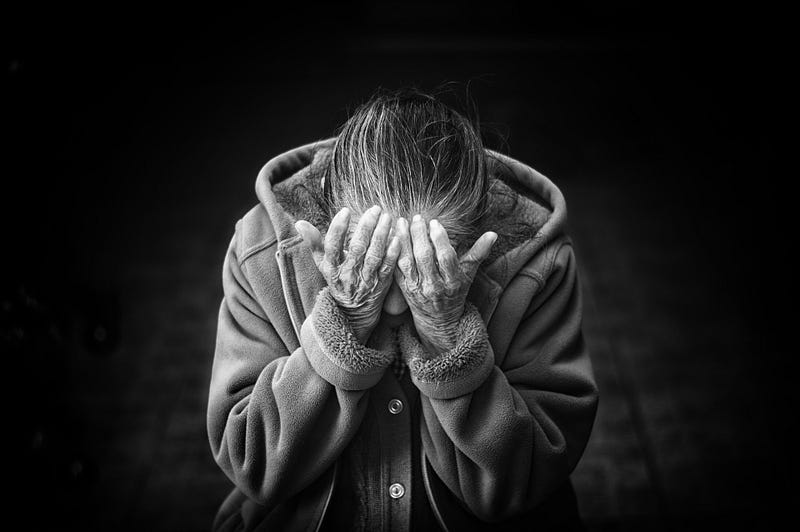
She’s angry at the fact that she’s grown old. When she tells stories, they’re almost always from the 1960’s or early 1970’s. Whatever new events happen in or around her life, she always draws comparisons to those earlier time periods.
Maybe it’s nostalgia.
Maybe it’s what’s familiar and comfortable.
Maybe it’s the last time she was happy.
I can only speculate.
My mom and aunt have tried to get her involved in senior citizen meet-up groups, community centers, and their church — things they hope she’ll enjoy. Things they hope will get her to venture out of the house and improve her quality of life. Things to get her to socialize with people of similar age and with similar life experiences.
“I don’t want to be with all those old people,” she says. She uses “old” as a pejorative label, one which she refuses to apply to herself, despite her age.
Whether it’s denial, wishful thinking, or a complete lack of self-awareness is anyone’s guess.
I see these examples of how my grandparents have aged and I can’t help but feel a creeping anxiety snake its way through me.
These are people with whom I share similar genetics. It worries me that I’m genetically predisposed to things like stroke, heart disease, diabetes, and dementia.
I’ve already been diagnosed with depression and anxiety — things which run like a Japanese bullet train through both sides of my family. And I’ve been diagnose with a minor heart issue, something else which is common in my family.
When I look at my grandparents, am I looking at my future?
Possibly.
Looking at my parents, I see two different roads.
My dad seems to be following the path of his parents, though luckily, he’s doing better than they were at his age. He’s not diabetic and he’s recently lost about 30 pounds. Still, he deals with arthritis, periodic bouts of gout, and a few other issues that come with many years of self-neglect.
With any luck, he’ll be around for a few more decades, and we can hang out and watch football and scream at the TV together.
On the other hand, I’m convinced my mom will live forever. She’s in her early sixties, but looks like she’s in her early fifties. She will resume working as a teacher in the fall after a brief stint with retirement.
She also eats healthy, exercises on a regular basis, and has a robust social life. She looks forward to things and engages in activities she enjoys — things that make life worth living.
Something which worries me about getting older is aging in isolation.
Being a quadriplegic, I’m already at a physical disadvantage. Fortunately, I was blessed with enough upper body strength and a substantial-enough recovery that I’m able to live and function independently.
But for how long?
I’ve been in a wheelchair for almost 16 years, and it’s taking its toll. I already have an impinged right shoulder. My wrists and elbows ache frequently, sometimes enough to keep me up at night. Due to a lack of core strength, I have bad posture. It takes conscious effort for me to sit up straight, and it’s something I can only maintain for short stretches of time.
What happens when I am no longer able to function independently?
In my maternal grandparents’ case, they were able to relocate to Idaho with my mom and aunt.
I’m not married, nor do I have children. And while no one can predict the future, at this juncture in time, it seems unlikely I will ever be husband and/or father.
And without the support of adult children to rely on in my old and declining state, my options would seem to be some form of in-home health care, an assisted living facility, or, God forbid, a nursing home.
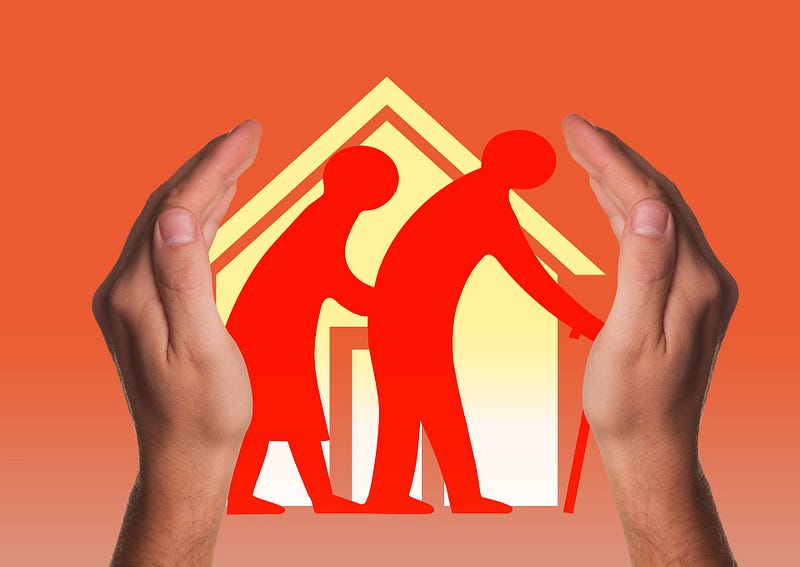
Losing my independence scares the shit out of me because it will kill me in a literal sense.
No, I’m not being overly dramatic and I can prove it.
According to a study published by UC San Francisco and one of the most depressing things I’ve ever read, “The average age of participants when they moved to a nursing home was about 83. The average length of stay before death was 13.7 months, while the median was five months. Fifty-three percent of nursing home residents in the study died within six months. Men died after a median stay of three months, while women died after a median stay of eight months.[1]”
Based on this study, ending up in a nursing home is a death sentence. And yes, there are many factors to consider, such as a patient’s age, health upon entry, pre-existing conditions, etc.
As the study’s title states, social interaction is a key factor in duration and quality of life for people of advanced age.
One of the most difficult aspects of aging is, eventually, we begin to lose the people we love. We lose the ability to do the things we love doing. We start running out of reasons to keep living.
The great Burgess Meredith said it best in this clip from Rocky V…
How long can any of us survive without having things and people to live for?
The upside of all of this is I’m still young enough that, to some degree, I can choose which path I travel as I come to age. As unfortunate as it is that my grandparents could have taken better care of themselves, they showed me what not to do.
I’m making a concerted effort to eat right and exercise. I’m doing my best to ensure I get enough sleep, though I still struggle with that. I communicate with my doctors as regularly as I can. And I’ve been making a better effort to do things with friends and have things to look forward to.
I’m working toward physical and mental wellness.
I’m putting in the effort to be happy. Yes, it’s something which sometimes requires work. But it’s worth it.
Hopefully, I still have more years ahead of me than behind me. Hopefully, I still have many decades of living independently. Hopefully, I can maintain a quality of life that makes live worth living.
And when the time comes, hopefully, I will go to the Great Beyond in the comfort of my own home, surrounded by loved ones.
I pray that I’m that lucky.
If you liked this story and/or my writing, sign up for my email list to stay up to date on new stories, upcoming features, and cool news. I promise not to fill your inbox like a New Jersey landfill.
You can also follow me on Twitter and Instagram
Reference:
[1] Tokar, Steve. “Social Support is Key to Nursing Home Length of Stay Before Death.” UC San Francisco. Aug. 24, 2010. https://www.ucsf.edu/news/2010/08/98172/social-support-key-nursing-home-length-stay-death#:~:text=The%20average%20age%20of%20participants,study%20died%20within%20six%20months. May 29, 2021


