
Comfort Food
A seasonal change triggers culinary exploration

It happened this morning.
I open the back door and cold air spills into the house.
Fall.
The chilly, pre-dawn world beckons — dewy spider webs, whispers of mist hovering between the trees, an owl calling.
I want to wrap myself in flannel and wool, get something warm to drink, and fold myself into a chair on the deck to watch the sun rise, steeped in the first real coolness of the season.
Here in southeastern Virginia we don’t take this kind of thing for granted.
Unfortunately, I have a long work day ahead, and basking in a beautiful morning at home is not on the schedule.
One of the things on my “To-Do” list for today is the weekly shopping list — something I usually do on the fly, dredging up meals I can cook off the top of my head, which means we’ve had them a thousand times: simple, fast, nutritious, formulaic: blah.
A day like this calls for something different, special. Comfort food. Something that nourishes and satisfies the craving for warmth, flavor, indulgence.
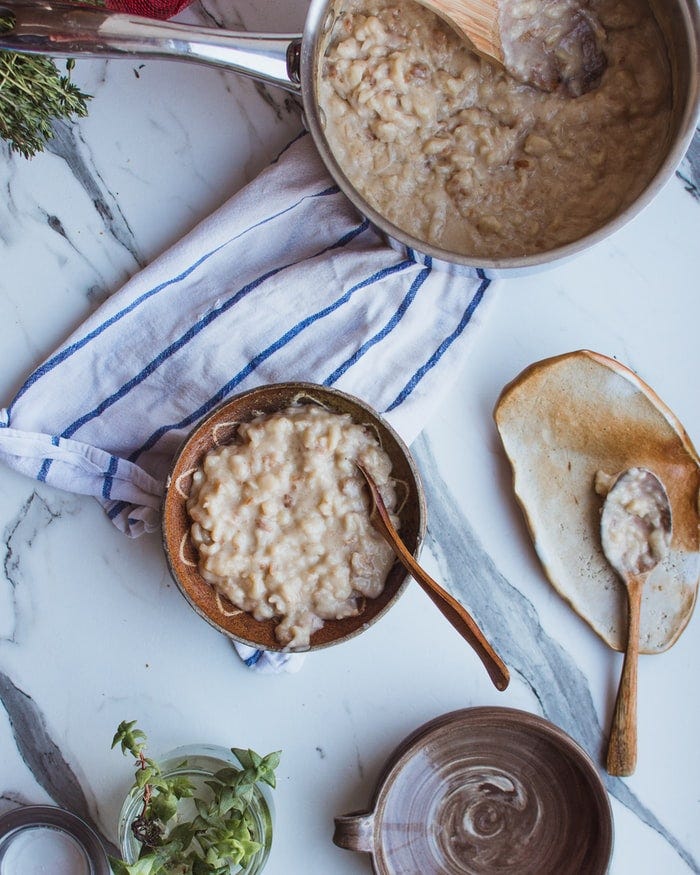
This demands a little research.
I’m working on expanding my culinary repertoire to include more whole foods, especially the “ancient grains.” I bought a couple of cook books and decided I’d focus on one grain each month. This month’s grain is millet, and since I’m making the shopping list at work, without the benefit of my two new cookbooks, I turn to the internet.
Why Millet?
Millet seemed like a good grain to begin with, because it’s one of the oldest ever to be used by humans. For at least 8,000 years we’ve been cultivating this grain around the world, and it’s worked its way into the cuisines of a huge variety of cultures. Wheat and rice edged millet out of it’s early dominance, but it’s a good one to reclaim because it doesn’t demand much from the environment in cultivation and is packed with lots of nutrients. Today we still have more than 6,000 species of it thriving and available.
And how about the names of the kinds we can eat: Job’s Tears, Foxtail, Pearl, Cattail, Barnyard, Finger, Browntop, Ditch.
Irresistible.
The Universal Grain
I relish the idea of cooking food that connects me to people around the world. The Himalayan Hunza people use it regularly, and it’s a staple in many Indian dishes as well as in Russian, German, Chinese and Vietnamese cuisine. It comprises up to half of total grain consumption in some African nations.
Millet defeats time, technology and culture. I am united with people around the world and throughout the ages as I soak, toast, steam and stew this venerable cereal.
There’s a magic in this that sates my hunger for connection, a communion with the great pageant of humanity.
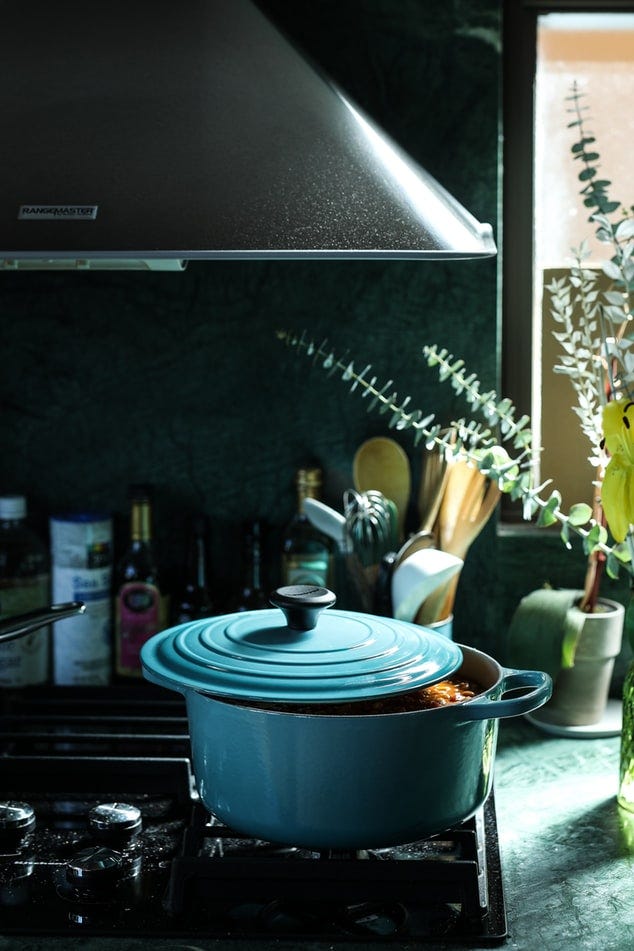
So I stir these tiny, round kernels in my cast iron pan, watching them spin and pop and brown as I toast them before adding water and sliding the whole thing into the oven. I have settled on a version of polenta using millet instead of corn meal, one that cooks itself in about an hour — that way I can do the other things a busy, working mother needs to do with her evening and still deliver a hot meal to my family.
It’s not as creamy as the recipe advertised, but oh it is good. Soft, slightly nutty tasting, subtle enough to pair well with the meat and vegetables.
The family is complimentary and goes back for seconds. Definitely a win.
After dinner we open doors and windows while we wash the dishes. The house smells toasty, savory, and now a chill-edged evening damp joins in to speak of sweaters and spices and candle light.
This first foray into the world of ancient grains has been a success. I make new lists in my head, waiting for sleep to come: breads I might use millet flour to create (I’ll have to find a workaround for the lack of gluten), other ways to cook the whole grains to replace rice, add to salads, put in stews…

My dreams transport me to the smoking hearths of ancestors. We reach across time and everything else that divides us, joined by our common practices, our natures. We tell stories, share secrets, touch what is most human in each other. We part before dawn, and I feel nurtured, anchored, my deep wells replenished.


