avatarSynthia Stark

Free AI web copilot to create summaries, insights and extended knowledge, download it at here

2297

Abstract

ure><h1 id="e17f">Defining Art Therapy</h1><p id="9176">When we hear about “art therapy” we often imagine little kids finger painting. We might conjure up a kindergarten classroom, where all the students are diligently painting different things.</p><p id="82c1">Some of us might include the latest fad where most of us are trying out those adult colouring books. You know — the ones that are supposed to help with anxious and depressive thoughts.</p><p id="50d2">In a sense, I agree. In the heat of the moment, you kind of forget about the bigger world and focus carefully on the act of making something beautiful. Plus, the <a href="https://www.ncbi.nlm.nih.gov/pmc/articles/PMC5797627/">research</a> corroborates this narrative.</p><p id="2134">With the way things are, people are now attending online sessions where they get to meet others with similar interests. Under ordinary circumstances, you would need to allocate extra time just to travel. However, in today’s time, you can sit and do art with many other adults in the comfort of your home.</p><p id="a1f7">There’s a kind of safeness associated with art. We did it as kids and some of us fell out of it due to other commitments. When the times are tough, it’s best to fall back onto those innocent interests and repurpose them for adulthood.</p><figure id="ec03"><img src="https://cdn-images-1.readmedium.com/v2/resize:fit:800/0*8wM-vCBzM6_csxNX"><figcaption>Photo by <a href="https://unsplash.com/@convertkit?utm_source=medium&amp;utm_medium=referral">ConvertKit</a> on <a href="https://unsplash.com?utm_source=medium&amp;utm_medium=referral">Unsplash</a></figcaption></figure><h1 id="195e">How Art Therapy Helps</h1><p id="5ab6">I conceptualize art therapy as a means of forming an expression. For some of us, we struggle to come up with words that describe our experiences. Instead, art is interpretative, and you’re siphoning out something from inside you.</p><p id="4583">Sometimes, our pieces of art convey an indirect story. It can be a central topic of discussion where you describe the various components and make sense of the confusion that is your life.</p><p id="c7b8">I feel like an art therapist can be a helpful third party that can help provide some sense of direction surrounding a piece. Even if our friends struggle t

Options

o help us, at least there are professionals trained to do this sort of thing.</p><p id="a8f2">I recently learned about <a href="https://digitalcommons.lmu.edu/cgi/viewcontent.cgi?article=1497&amp;context=etd#:~:text=Built%20upon%20the%20foundation%20of,treatment%20such%20as%20surgery%20or">medical art therapists</a>. Some of them would provide a service for hospitalized patients who are learning to cope with their new environment, as well as help them process their anxiety, pain, depression, and so much more.</p><p id="0bcb">I can see the utility of art, especially if you consider those who have survived trauma. If we struggle to come up with words on a page or in conversation, then art becomes the platform where complex ideas are shared.</p><p id="054a">As for me, I’m not an art therapist. I’m just an aspiring therapist. There’s no guarantee that I will be where I want to be, but I do know for certain — art is definitely therapeutic for many, especially when it helped us as kids.</p><p id="f098">For similar content from the author, please see:</p><div id="4ffd" class="link-block"> <a href="https://readmedium.com/doodles-reveal-mindfulness-and-better-memory-2ca46dea2a69"> <div> <div> <h2>Doodles Reveal Mindfulness and Better Memory</h2> <div><h3>Examining the Benefits of Doodling and Colouring</h3></div> <div><p>medium.com</p></div> </div> <div> <div style="background-image: url(https://miro.readmedium.com/v2/resize:fit:320/0*0LK5VclpWLyR0tZt)"></div> </div> </div> </a> </div><div id="128e" class="link-block"> <a href="https://readmedium.com/the-journey-between-resiliency-and-self-affirmation-b3b2ad6285b"> <div> <div> <h2>The Journey Between Resiliency and Self-Affirmation</h2> <div><h3>Making Art From the Broken Pieces</h3></div> <div><p>medium.com</p></div> </div> <div> <div style="background-image: url(https://miro.readmedium.com/v2/resize:fit:320/0*MFJ7kH7MhFmmjERM)"></div> </div> </div> </a> </div></article></body>

Colouring Outside the Lines

Transforming Trauma Into Art
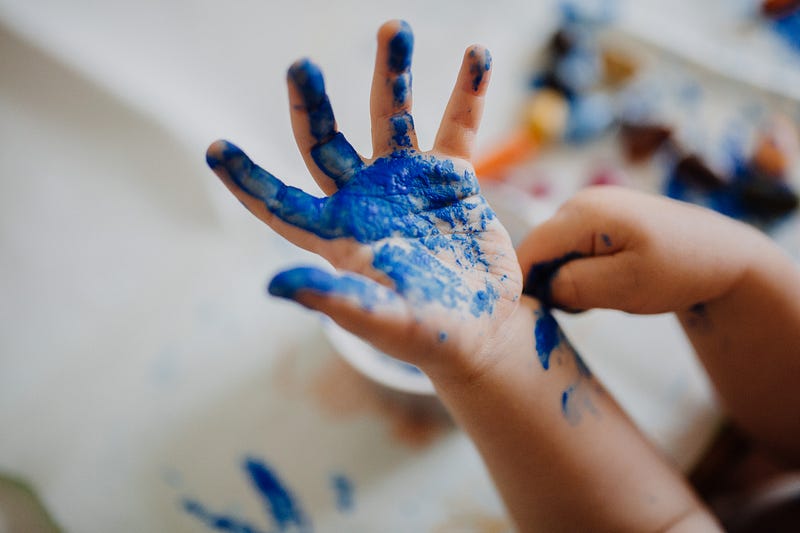
Photo by Phil Hearing on Unsplash

It’s the long weekend here and it’s been a while since I last had the time to sit down and paint. I kind of “cheated” and decided to do some drawings through an offline painting program since I don’t have any paintbrushes or paints on me. Even if I wanted to — I can’t buy anything right now.

With the way our city is right now, more and more people are getting sick. We’re in the middle of a third wave, and the entire province is in complete shutdown.

Anyway, it’s kind of glorious to see the marvels of an online painting program. It’s quite different from the painting programs that I had as a kid. There’s plenty of different pens, brushes, and colours to choose from.

It’s cost-efficient and time-efficient as well. I don’t have to sit still and crumble dozens of papers to get the right shapes or textures. I can simply erase and not worry about accidentally spilling anything onto the page.

When I’m done, I can save the document into cloud storage and not worry about losing the piece physically, especially through the passage of time.

The last time I tried to do some proper painting was when I was five years old. I’ve always had an affinity for drawing and doodling, but life often took over and I found myself pursuing more scientific pursuits.

I’m a young adult and the tide is low — so I’m going to savour this brief moment of peace, even if it's a virtual rendition of what I did as a kid.
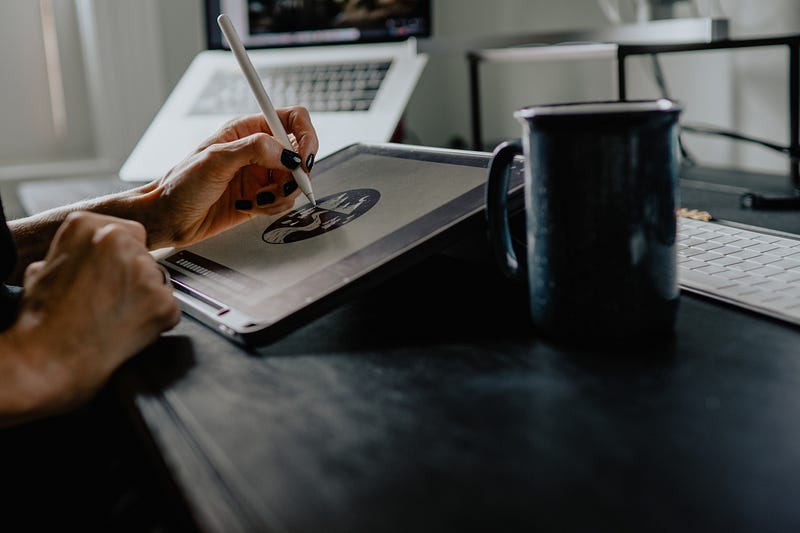
Photo by Kelly Sikkema on Unsplash

Defining Art Therapy

When we hear about “art therapy” we often imagine little kids finger painting. We might conjure up a kindergarten classroom, where all the students are diligently painting different things.

Some of us might include the latest fad where most of us are trying out those adult colouring books. You know — the ones that are supposed to help with anxious and depressive thoughts.

In a sense, I agree. In the heat of the moment, you kind of forget about the bigger world and focus carefully on the act of making something beautiful. Plus, the research corroborates this narrative.

With the way things are, people are now attending online sessions where they get to meet others with similar interests. Under ordinary circumstances, you would need to allocate extra time just to travel. However, in today’s time, you can sit and do art with many other adults in the comfort of your home.

There’s a kind of safeness associated with art. We did it as kids and some of us fell out of it due to other commitments. When the times are tough, it’s best to fall back onto those innocent interests and repurpose them for adulthood.
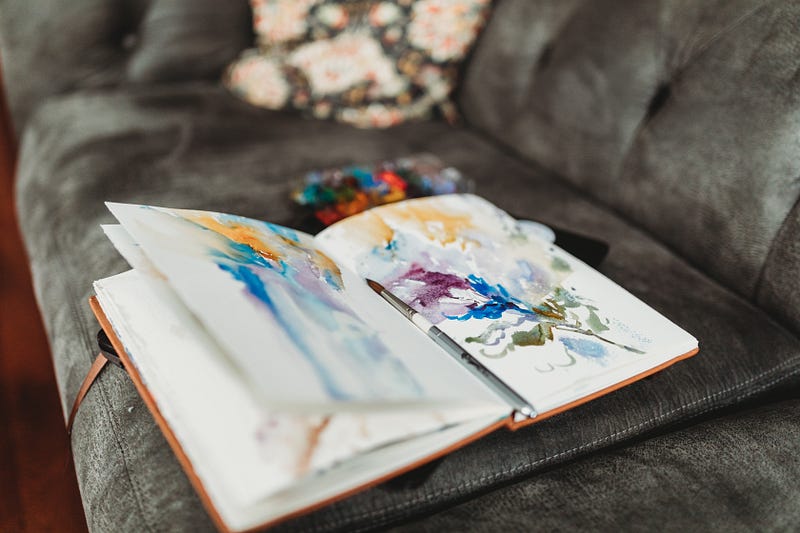
Photo by ConvertKit on Unsplash

How Art Therapy Helps

I conceptualize art therapy as a means of forming an expression. For some of us, we struggle to come up with words that describe our experiences. Instead, art is interpretative, and you’re siphoning out something from inside you.

Sometimes, our pieces of art convey an indirect story. It can be a central topic of discussion where you describe the various components and make sense of the confusion that is your life.

I feel like an art therapist can be a helpful third party that can help provide some sense of direction surrounding a piece. Even if our friends struggle to help us, at least there are professionals trained to do this sort of thing.

I recently learned about medical art therapists. Some of them would provide a service for hospitalized patients who are learning to cope with their new environment, as well as help them process their anxiety, pain, depression, and so much more.

I can see the utility of art, especially if you consider those who have survived trauma. If we struggle to come up with words on a page or in conversation, then art becomes the platform where complex ideas are shared.

As for me, I’m not an art therapist. I’m just an aspiring therapist. There’s no guarantee that I will be where I want to be, but I do know for certain — art is definitely therapeutic for many, especially when it helped us as kids.

For similar content from the author, please see:

Art
Therapy
Coloring
Mental Health
Self Care
Recommended from ReadMedium