avatarErika Burkhalter

Free AI web copilot to create summaries, insights and extended knowledge, download it at here

2397

Abstract

.jpeg"><figcaption>Godetia, also a native wildflower, with a bee</figcaption></figure><p id="c1f3">Godetia, also a native flower is another hit with the pollinators. Can you see the bee in the upper left?</p><figure id="1512"><img src="https://cdn-images-1.readmedium.com/v2/resize:fit:800/1*7V4iSREuTvEA-MgA-e2Ldw.jpeg"><figcaption>Nasturtium</figcaption></figure><p id="675b">Nasturtium spills across the stone walls of my garden each spring. Again, easy to grow from seed, this edible flower is so pretty on plates for dinner parties.</p><figure id="a690"><img src="https://cdn-images-1.readmedium.com/v2/resize:fit:800/1*pLSBcvW0KHWLo-zQ6rrfOg.jpeg"><figcaption>Primrose</figcaption></figure><p id="6908">Once Primroses have dug their little toes into the earth, they return year after year.</p><figure id="1588"><img src="https://cdn-images-1.readmedium.com/v2/resize:fit:800/1*Sp5MUaC5mP_i186hCPtgXg.jpeg"><figcaption>Oh wait, that’s not a flower! That’s Freyja.</figcaption></figure><p id="789e">Wait, that’s not a flower! This is my kitty-baby, Freyja, who thinks she is a squirrel because she climbs anything and everything in the garden.</p><figure id="773f"><img src="https://cdn-images-1.readmedium.com/v2/resize:fit:800/1*xz2P9qB1fvhn5DfWWmLUIw.jpeg"><figcaption>Ruffled Daffodils</figcaption></figure><p id="2712">These fancy ruffled daffodils flounce in the spring breeze, tossing those pretty skirts of sunshine and orange blossom.</p><figure id="5b52"><img src="https://cdn-images-1.readmedium.com/v2/resize:fit:800/1*4AHJ0r9clt21KyYnQEaWXg.jpeg"><figcaption>Apple Tree Blossoms</figcaption></figure><p id="deeb">And these apple blossoms bode well for a good crop this year.</p><figure id="8dd5"><img src="https://cdn-images-1.readmedium.com/v2/resize:fit:800/1*z82KwkjfvHwXkSkqbINFDw.jpeg"><figcaption>Purple Iris</figcaption></figure><p id="1f69">This iris was given to to me as a gift when my father died. It has migrated all over the yard. I’ve divided it many, many times and it now lives on in some of my friends’ gardens.</p><figure id="c80e"><img src="https://cdn-images-1.readmedium.com/v2/resize:fit:800/1*NXC8NKdnFWeej8QppYAzsw.jpeg"><figcaption>Hummingbird on Salvia</figcaption></figure><p id="b7a7">Hummingbirds LOVE Salvia.</p><figure id="0e93"><img src="https://cdn-images-1.readmedium.com/v2/resize:fit:800/1*WzbBC5L3jnFOc3vr1nrz7w.jpeg"><figcaption>Ranunculus</f

Options

igcaption></figure><p id="ed65">A favorite of my Great-Aunt Sally, Ranunculus sparks a little brightness in the garden.</p><figure id="f03d"><img src="https://cdn-images-1.readmedium.com/v2/resize:fit:800/1*BXNYgFX0giXdVfuR2Klkag.jpeg"><figcaption>Azaleas, one of the hallmarks of spring.</figcaption></figure><p id="118e">And Azaleas flourish in the shady microclimate of the back section of my yard.</p><figure id="55ee"><img src="https://cdn-images-1.readmedium.com/v2/resize:fit:800/1*tQhUqP4GeVD4yIuTNl7grw.jpeg"><figcaption>Monarch on Milkweed</figcaption></figure><p id="4250">But, the true harbingers of spring, to me, are the Monarchs. They migrate up from Mexico, stopping to lay their eggs on Milkweed. Several varieties of Milkweed exist, but this humble plant is, literally, the only food source that the baby Monarch caterpillars can eat when they hatch. Milkweed is in trouble these days, again, because of pesticide overuse. But, if we all planted a little Milkweed in our yards, can you imagine the trail of flourishing Monarchs we could feed?</p><p id="e335">I hope you enjoyed this photo-story. Capturing these images, and being able to share some of the beauty of nature with you is a true joy for me.</p><p id="ee0c">You might also like:</p><div id="fa33" class="link-block"> <a href="https://readmedium.com/mamas-day-5d1f6fd9d11a"> <div> <div> <h2>Mama’s Day</h2> <div><h3>For Mother Earth</h3></div> <div><p>medium.com</p></div> </div> <div> <div style="background-image: url(https://miro.readmedium.com/v2/resize:fit:320/1*ODJtd5VJMA_dieXOkkK2Lw.jpeg)"></div> </div> </div> </a> </div><div id="8b3f" class="link-block"> <a href="https://readmedium.com/reflections-dde81478965f"> <div> <div> <h2>Reflections</h2> <div><h3>A Morning on the Lake</h3></div> <div><p>medium.com</p></div> </div> <div> <div style="background-image: url(https://miro.readmedium.com/v2/resize:fit:320/1*eFcz-kJyVDUD53ULNDRKJw.jpeg)"></div> </div> </div> </a> </div><p id="b893">Photos and story ©Erika Burkhalter. All rights reserved.</p></article></body>

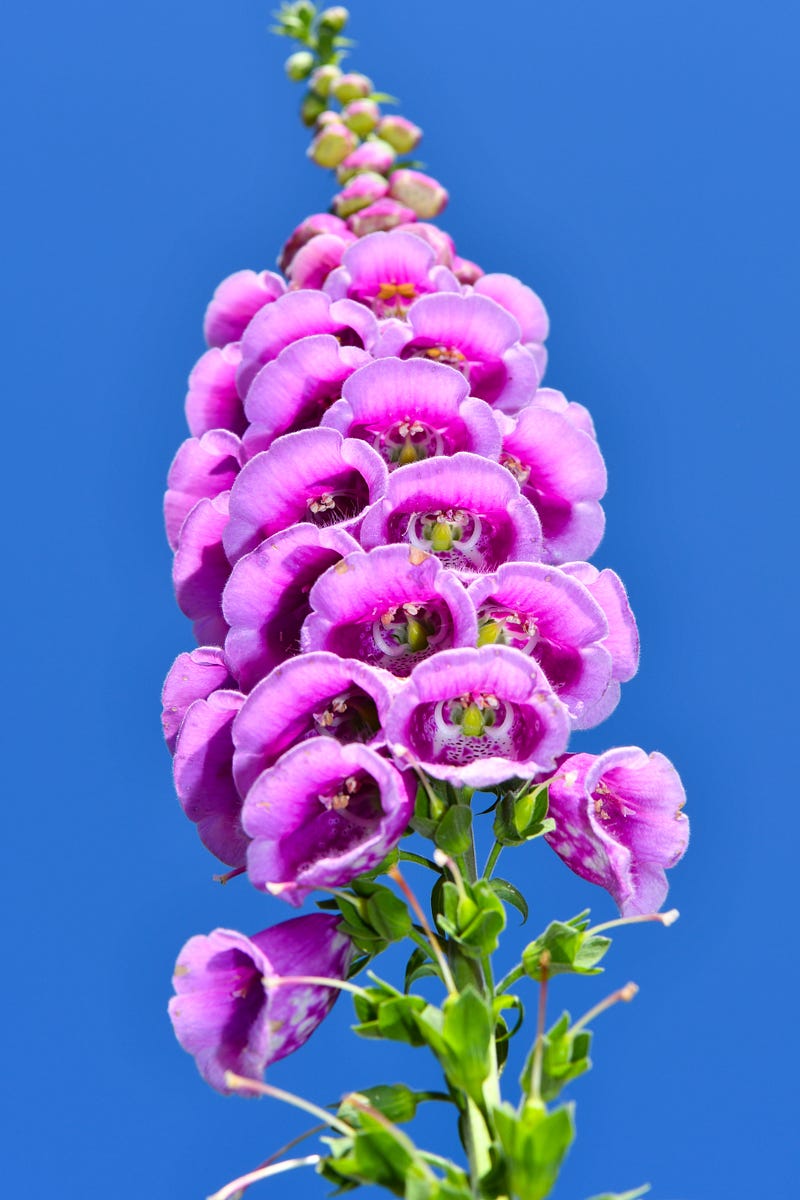
Foxglove, climbing to the sky, photo ©Erika Burkhalter

Colors of California Spring

Part 1 “The Early Days”
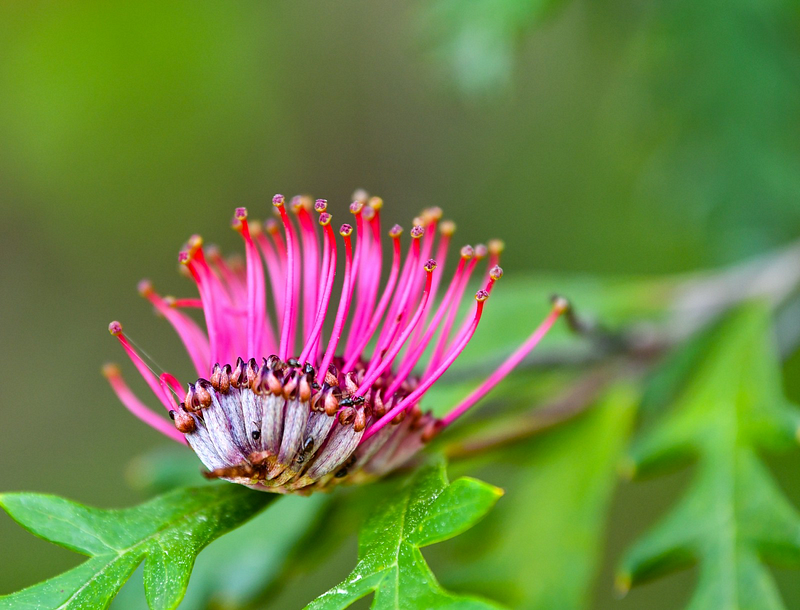
Butterfly Bush

Every spring, Southern California explodes with color. From the myriad of flowers, to the migrating hummingbirds, to the Swallowtail, Monarch and Painted Lady Butterflies, vibrancy surrounds us. This year, we were awash in soft rains, and the hillsides responded by erupting with native flowers.
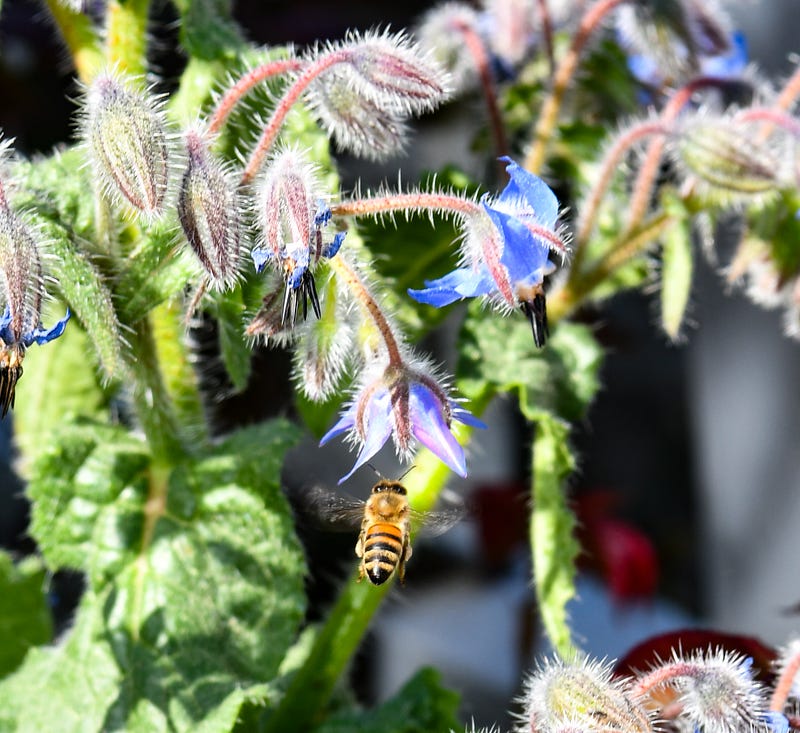
Bee on Borage

I sprinkle Borage seeds every spring because it is a favorite of the bees. These little pollinators are crucial to the cycle of life on earth, and their populations have declined precipitously in recent years because of pesticide use. I love the glow of the light through these fuzzy flowers.
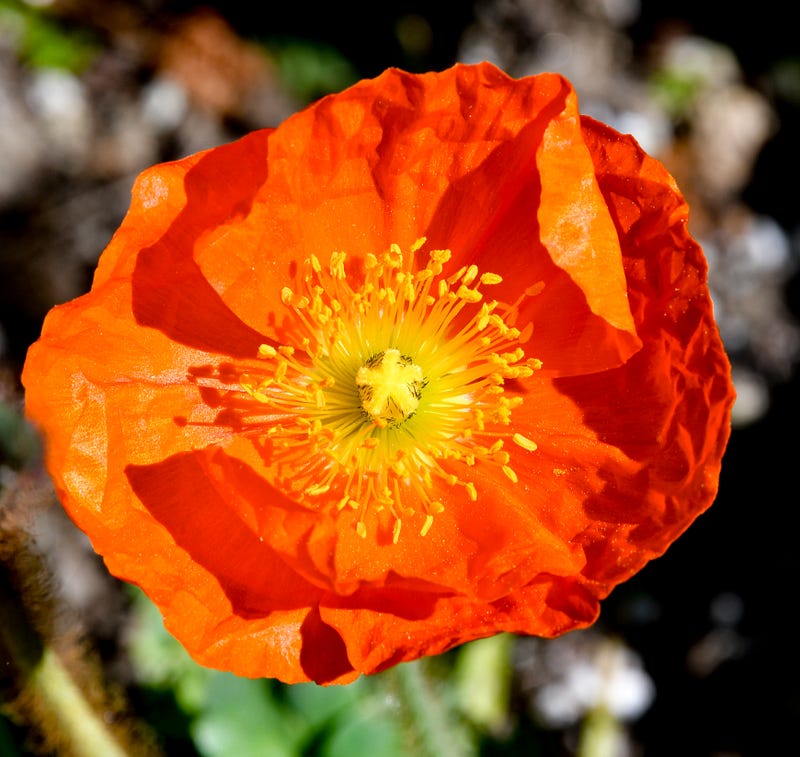
Oriental Poppy

Spring would not be spring in California without the Oriental Poppies.
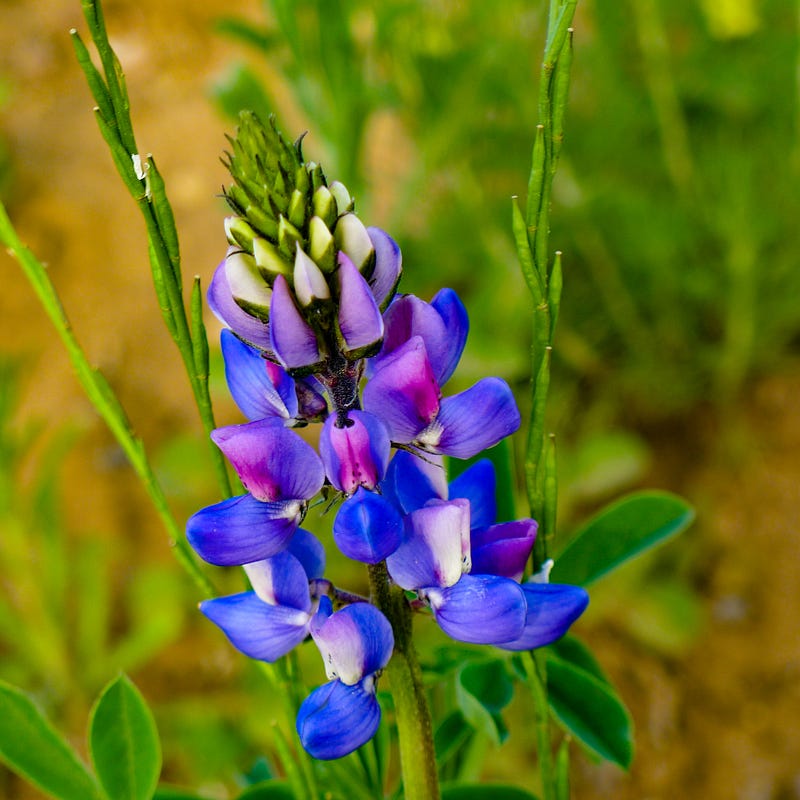
Purple Lupine, a wildflower blanketing the local hills

And Purple Lupine grows wild in Peter’s Canyon, my daily hiking spot.
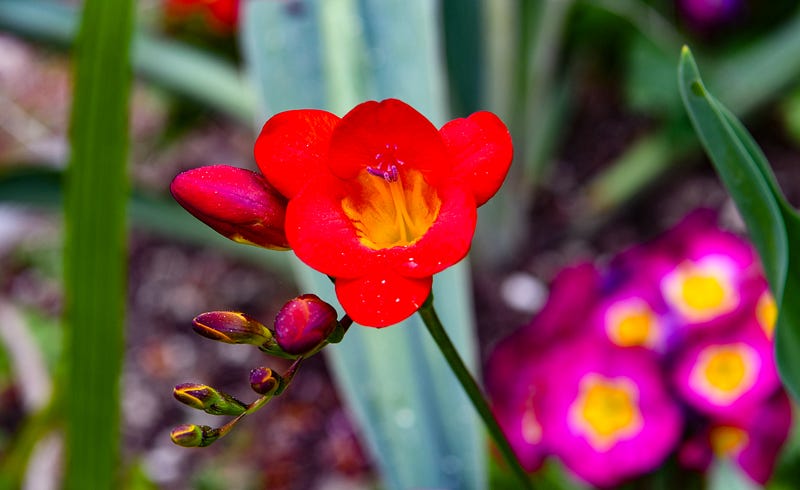
Freesia, from seed.

Freesia, so vibrant, is also quite easy to grow from seed.
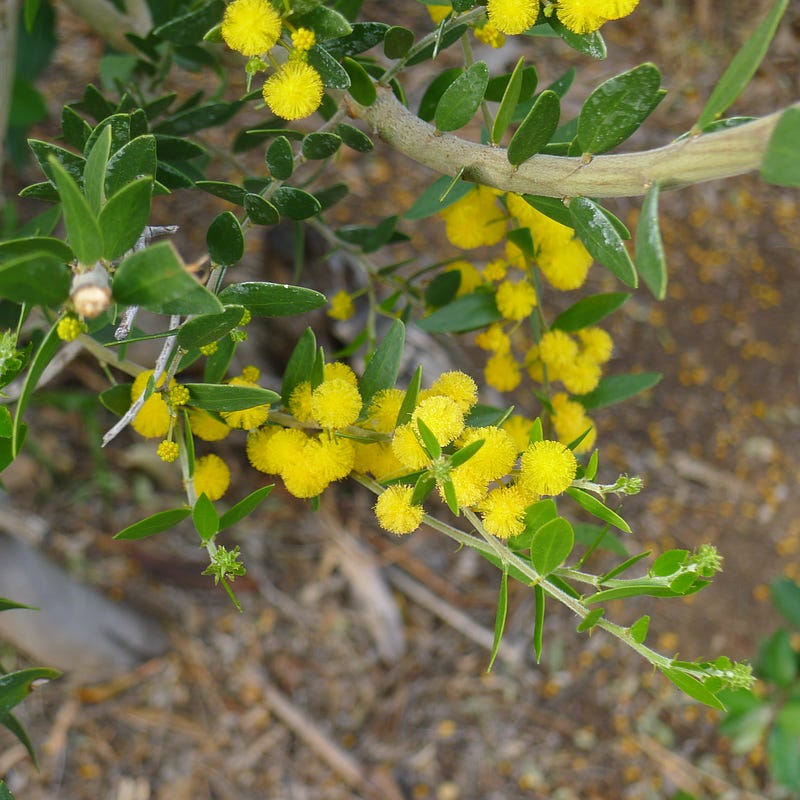
Pacific Sanicle, found on the trail

The tiny golden orbs of Pacific Sanicle soften the edges of the trails.
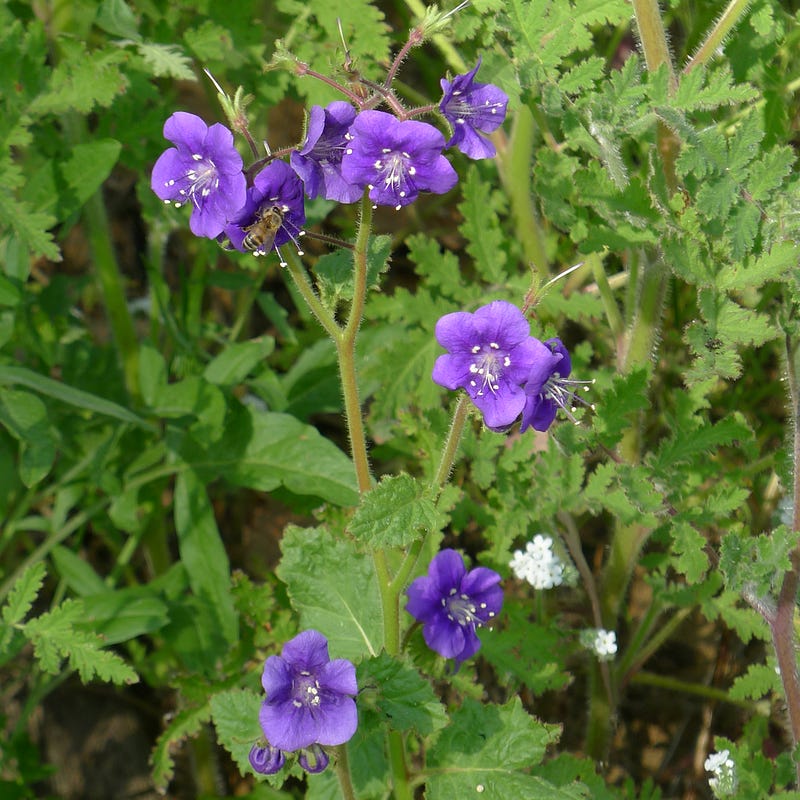
Godetia, also a native wildflower, with a bee

Godetia, also a native flower is another hit with the pollinators. Can you see the bee in the upper left?
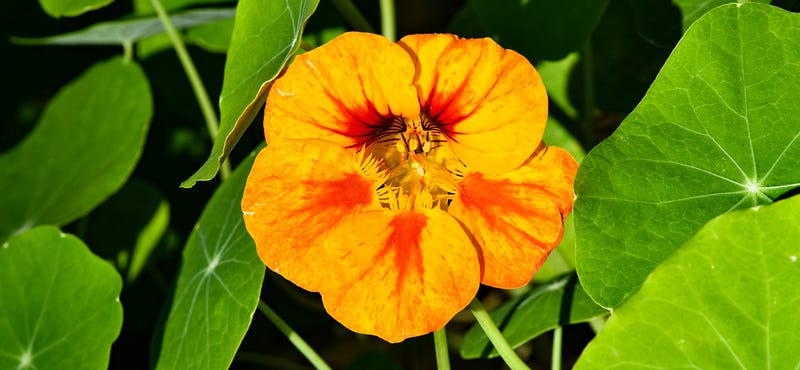
Nasturtium

Nasturtium spills across the stone walls of my garden each spring. Again, easy to grow from seed, this edible flower is so pretty on plates for dinner parties.
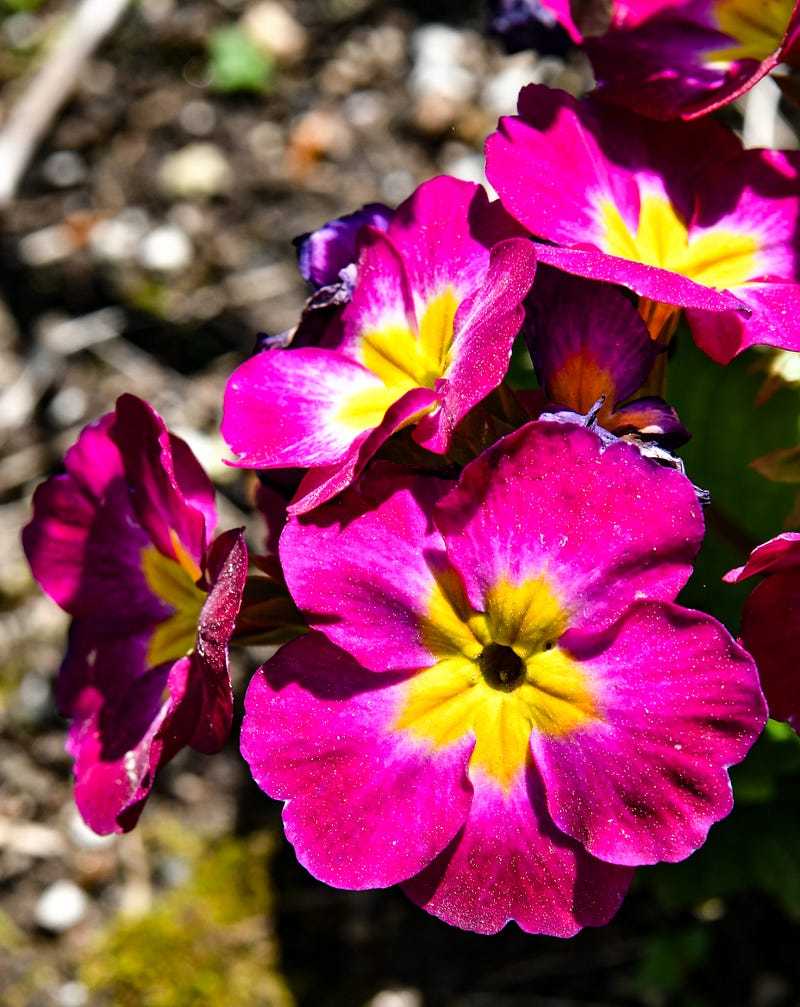
Primrose

Once Primroses have dug their little toes into the earth, they return year after year.
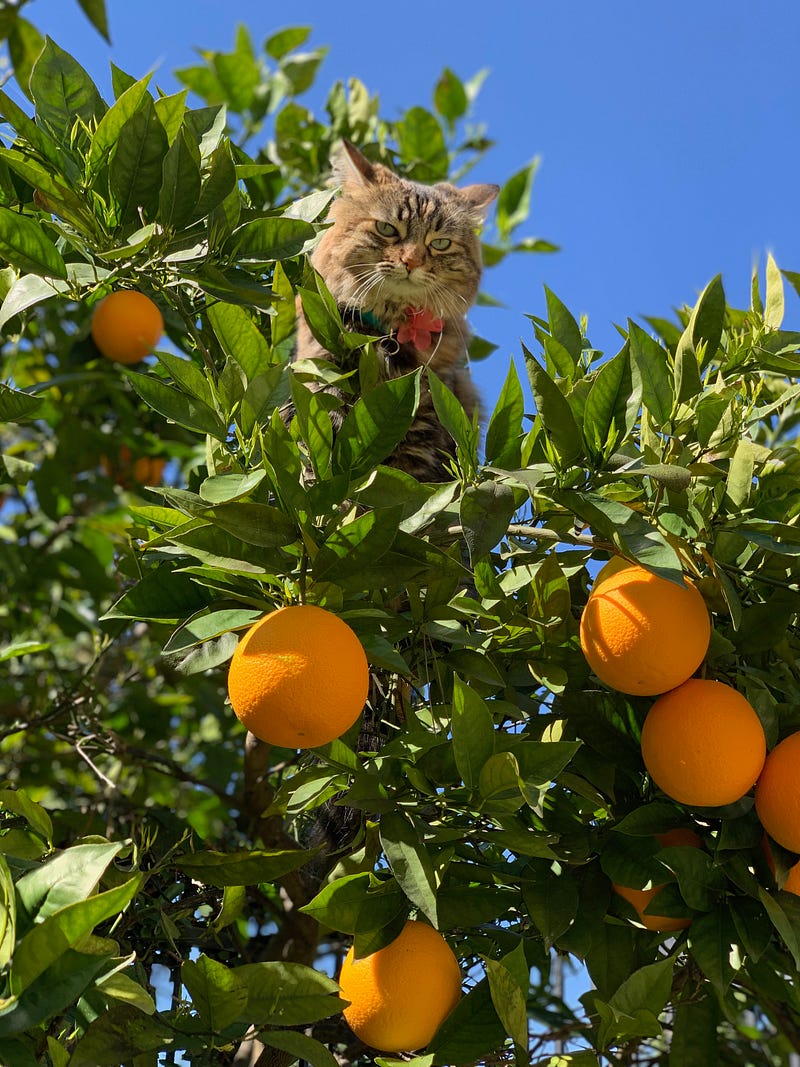
Oh wait, that’s not a flower! That’s Freyja.

Wait, that’s not a flower! This is my kitty-baby, Freyja, who thinks she is a squirrel because she climbs anything and everything in the garden.
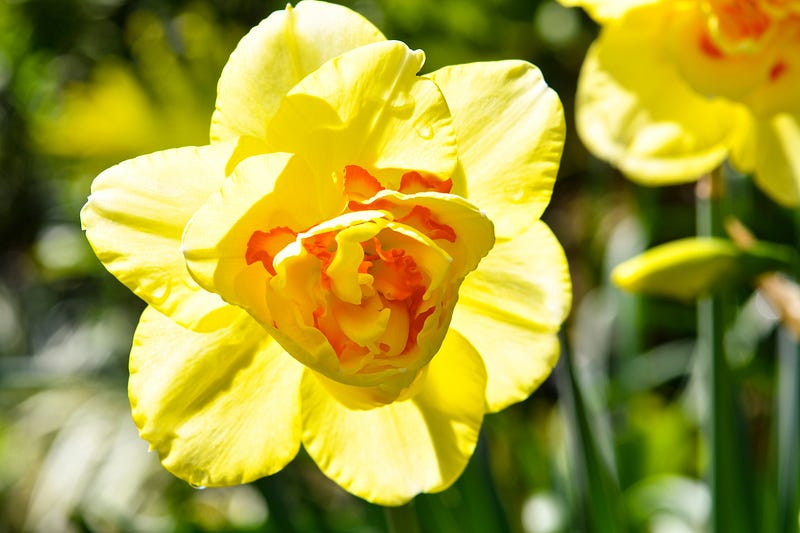
Ruffled Daffodils

These fancy ruffled daffodils flounce in the spring breeze, tossing those pretty skirts of sunshine and orange blossom.
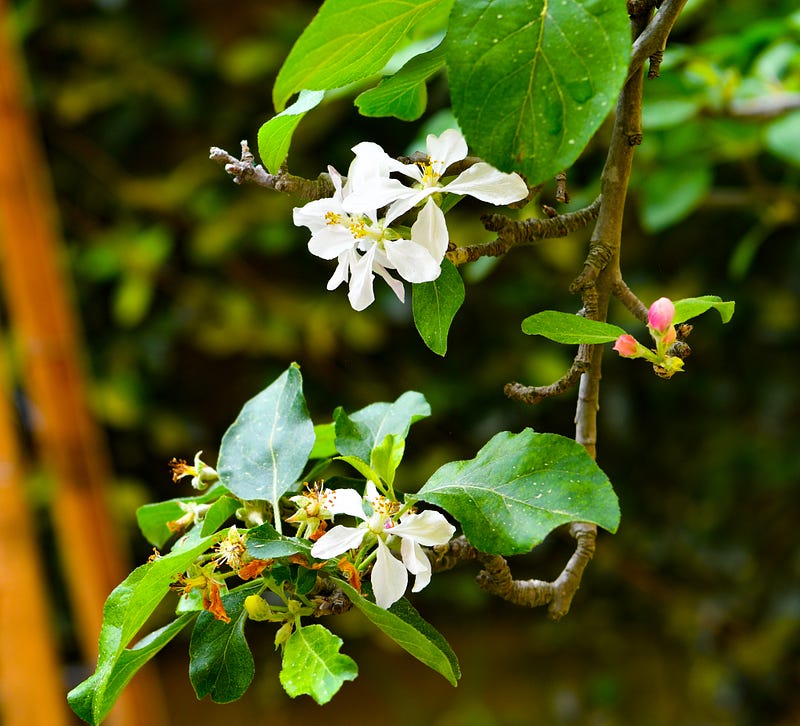
Apple Tree Blossoms

And these apple blossoms bode well for a good crop this year.
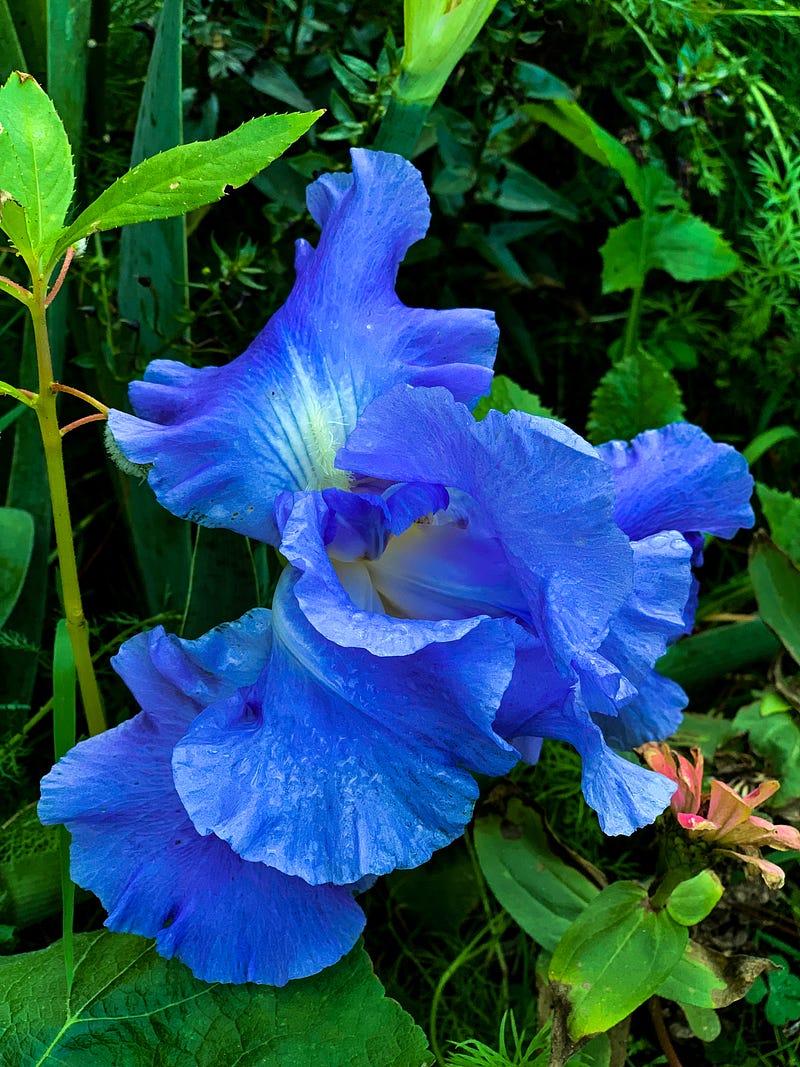
Purple Iris

This iris was given to to me as a gift when my father died. It has migrated all over the yard. I’ve divided it many, many times and it now lives on in some of my friends’ gardens.
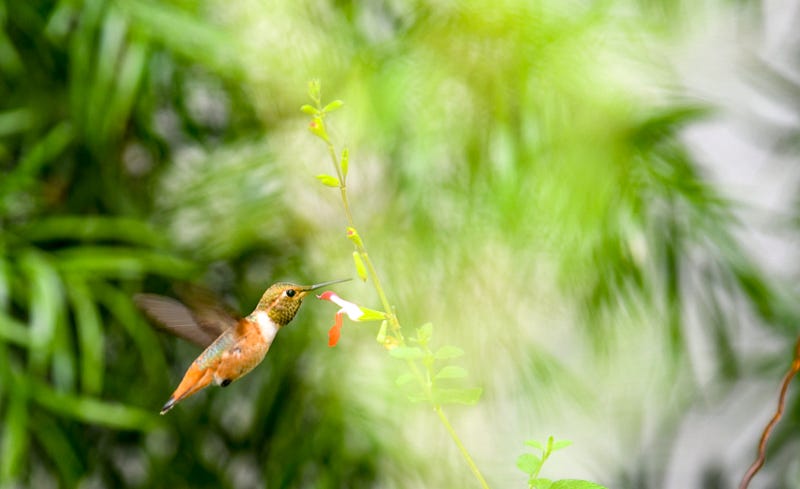
Hummingbird on Salvia

Hummingbirds LOVE Salvia.

Ranunculus

A favorite of my Great-Aunt Sally, Ranunculus sparks a little brightness in the garden.
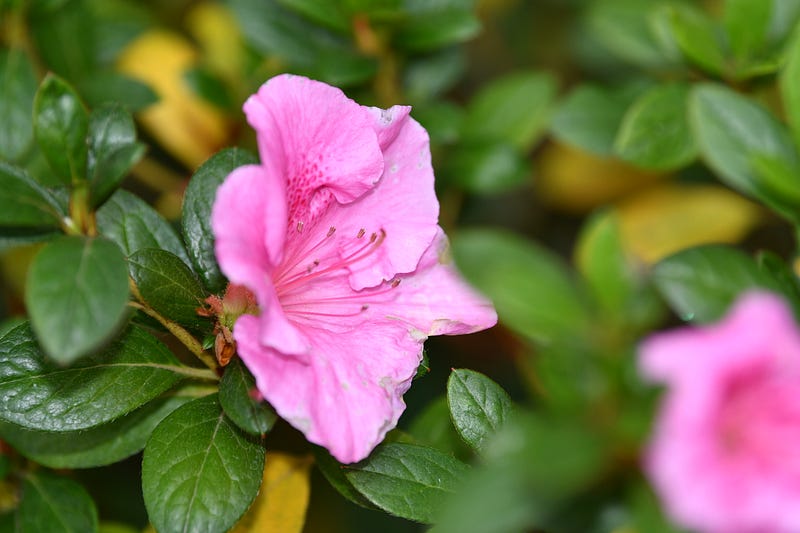
Azaleas, one of the hallmarks of spring.

And Azaleas flourish in the shady microclimate of the back section of my yard.
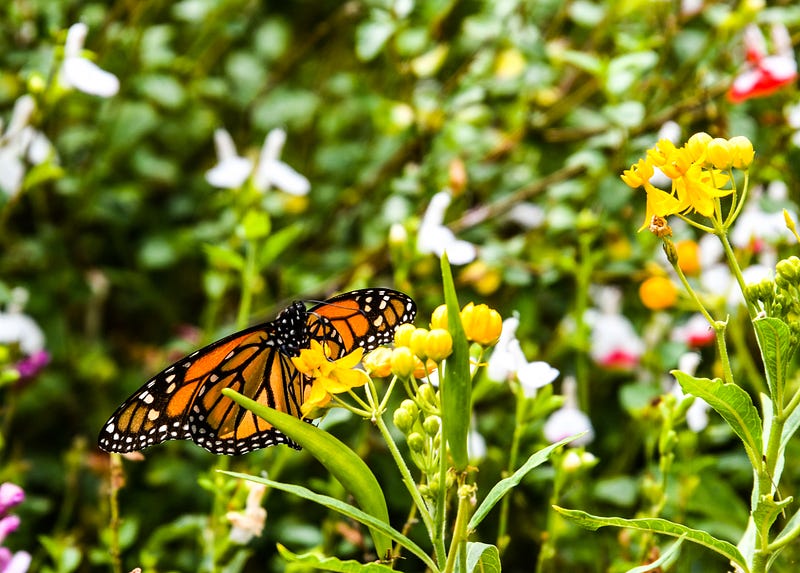
Monarch on Milkweed

But, the true harbingers of spring, to me, are the Monarchs. They migrate up from Mexico, stopping to lay their eggs on Milkweed. Several varieties of Milkweed exist, but this humble plant is, literally, the only food source that the baby Monarch caterpillars can eat when they hatch. Milkweed is in trouble these days, again, because of pesticide overuse. But, if we all planted a little Milkweed in our yards, can you imagine the trail of flourishing Monarchs we could feed?

I hope you enjoyed this photo-story. Capturing these images, and being able to share some of the beauty of nature with you is a true joy for me.

You might also like:

Photos and story ©Erika Burkhalter. All rights reserved.

Photography
Short Story
Gardening
Environmental Issues
Nature
Recommended from ReadMedium