
Colorado’s Bitcoin Mining Boom Explained in Two Words
Cheap energy

Bitcoin might be in the headlines, but it started with the Gold Rush of 1859 and its subsequent rallying cry, Pikes Peak or Bust, that has drawn people to Colorado seeking new opportunities.
After the Colorado gold fields gave out in the late 1800s, people came to the state to chase the cure.
After tuberculosis patients, then came the tourists.
And then the military showed up in Colorado Springs during the mid 20th century in a big way, constructing Fort Carson, Peterson Air Force Base, the Air Force Academy, and Cheyenne Mountain Air Station (NORAD), among other installations.
After the military arrived in Colorado, high-tech companies started cropping up along the front range, bringing thousands of tech workers with them. By the turn of the 21st century, the state of Colorado became known as Silicon Mountain.
Today, Colorado is home to a new kind of boom: Bitcoin mining. Across the state, there are a number of secretive and not-so-secret crypto mining operations cropping up.
For example, the Bitcoinist recently reported that the former Intel chip plant in Colorado Springs — the one that has its own substation and two separate power feeds — was purchased for $13 million by 3G Venture II, based out of California.
So, what’s fueling Colorado’s Bitcoin mining boom?
Two words: Cheap energy!
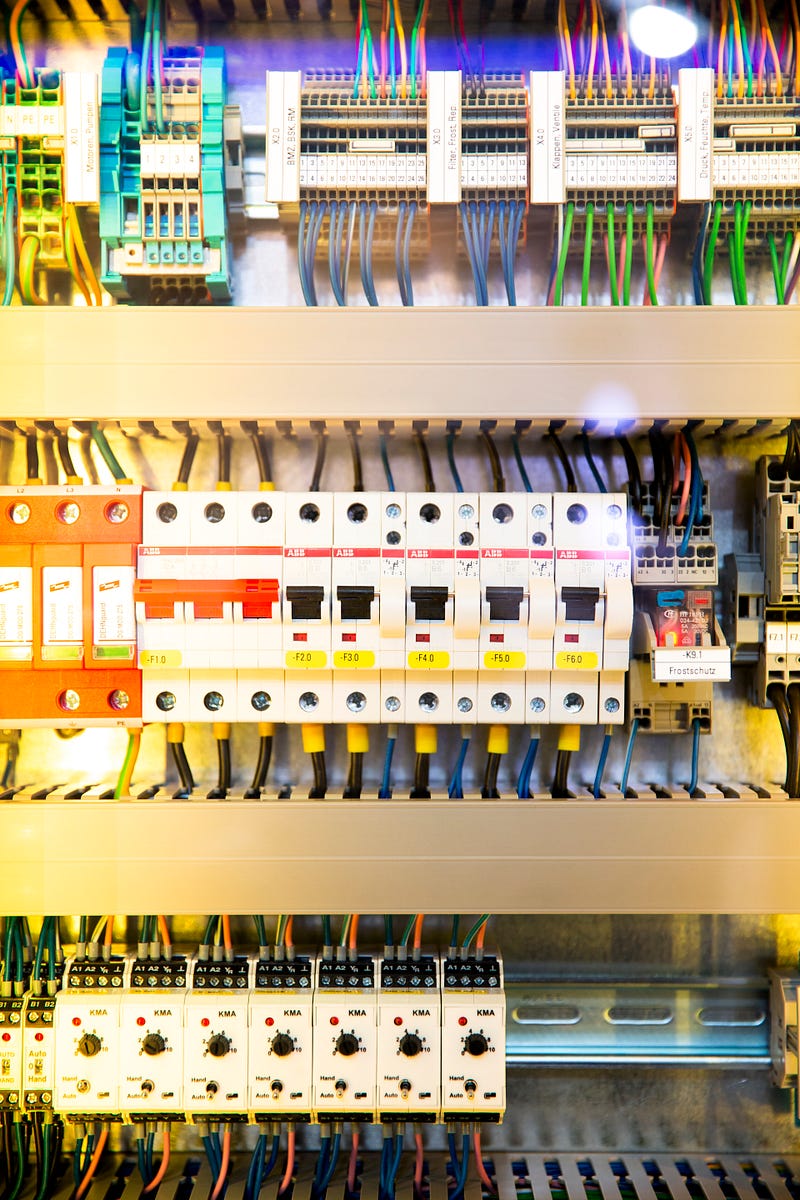
It takes a lot of computing power — and electricity to run those computers — to perform the complex calculations required to mint new Bitcoins. So, in a more expensive market, miners would end up paying considerably more for energy costs.
By some estimates, it requires the equivalent amount of electricity that it takes to power a home for 50 days! So, the higher the energy costs, the lower the profit margins for crypto miners.
That same above-mentioned article in the Bitcoinist cited cheap energy prices in Colorado Springs as the primary reason Bitcoin miners are flocking to the city to set up shop.
For instance, electricity prices in Colorado Springs are reportedly 21% less expensive than the national average. And since crypto mines use so much energy to mint new coins, those big energy savings add up to big profits for miners.
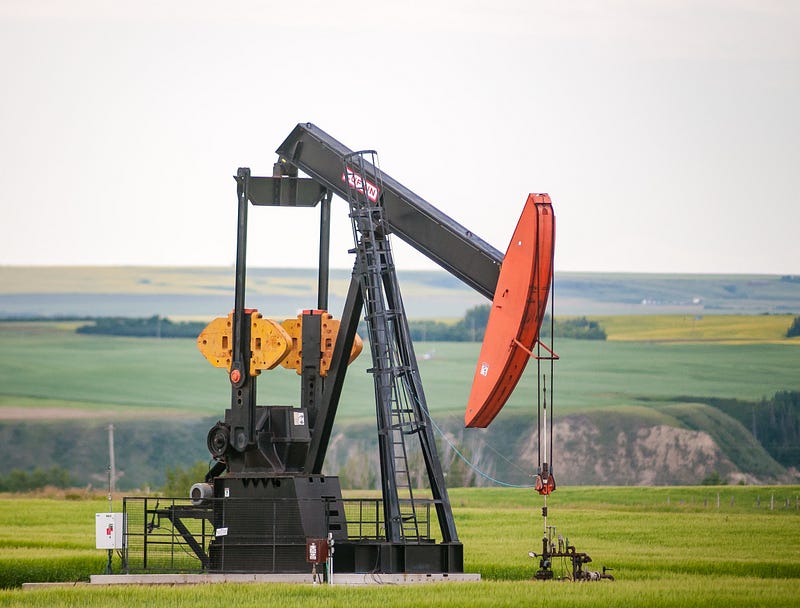
In the oil-drilling regions of Colorado, gas-to-crypto projects are attracting cryptocurrency miners seeking affordable energy to fund their large-scale operations.
Since the state of Colorado doesn’t allow oil drillers to flare excess natural gas at wells, drillers have figured out a way to convert methane into computing power for Bitcoin mining projects.
This innovation is a win-win for both oil well owners and Bitcoin miners.
Oil drillers don’t have to shut down wells due to being unable to burn off excess gas, and large-scale crypto operations can get nearly all of the abundant, cheap energy they need to meet their mammoth computing requirements.
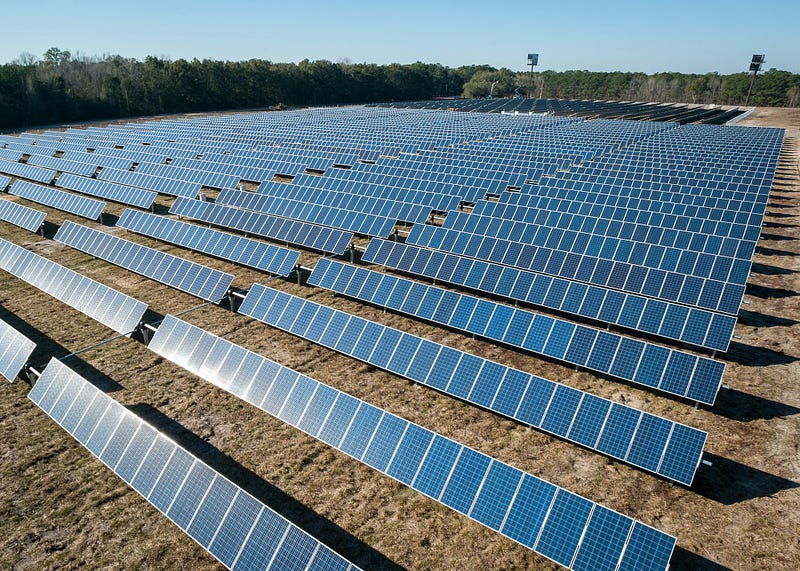
Out in Western Colorado, crypto miners have found another abundant and cheap energy source. The Colorado Sun reports that a “secretive solar farm” is being used to power the Aspen Creek Digital Corporation’s high-performance Bitcoin mining center.
The California-based company says, “it is focusing on twinning its operations with renewable power to develop more than 3 gigawatts of wind, solar and battery generation across the U.S. by early 2025,” according to the above-mentioned article in The Colorado Sun.
Whether it’s cheap electricity prices from the Colorado Springs Utilities, an innovative way to use excess natural gas at oil wells, or using the oldest form of energy known to mankind, solar power, abundant, affordable energy is fueling Colorado’s Bitcoin mining boom.
If you enjoyed this story and would like to read more money-making content, then you might want to check out my quick-reference guides and eBooks.


