
Color Outside the Lines with Premium Pencils to Find Unusual Shades: The Fascinating Past of Lesser-Known Tints
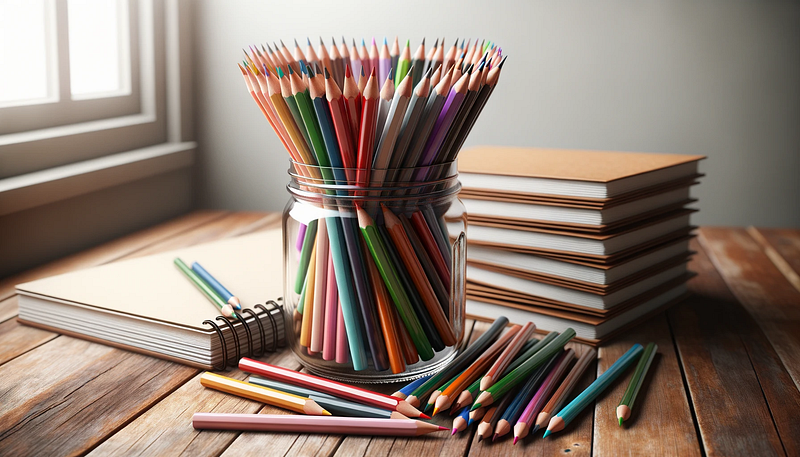
In the world of coloring, the color scheme and the quality of the pencils can significantly impact the finished piece. Some colors are still undiscovered and waiting to be rediscovered despite the wide range of tones that are accessible. Let’s examine five lesser-known color names today and see how premium coloring supplies might aid in capturing these elusive hues.
Isabelline
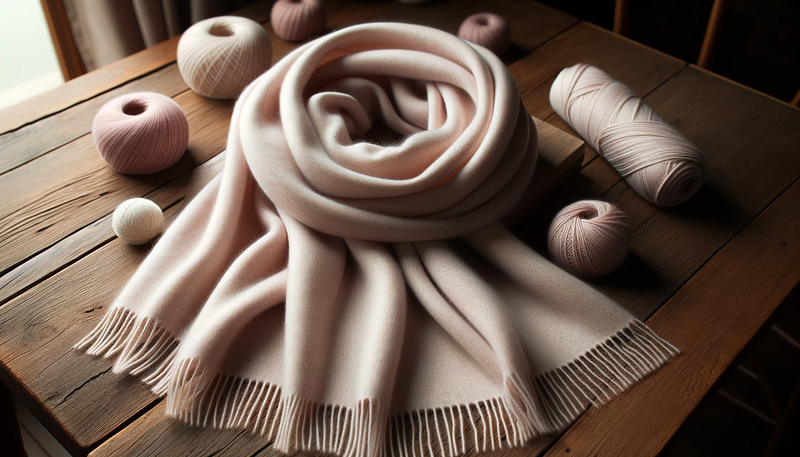
Origin: Isabelline’s history dates back to the 17th century and is associated with monarchy. Isabelline is a pale gray-yellow, pale fawn, pale cream-brown, or parchment color. Infanta Isabella Clara Eugenia of Spain, the daughter of King Philip II of Spain, is often credited with giving the pigment its name. According to popular lore, Isabella swore during the Siege of Ostend in 1601 that she would only change her underwear once the Spanish forces had taken control of the city. However, I wonder if she anticipated the three-year commitment. They say wear and lack of washing caused her once-white underwear to change to a distinctive tint.
Modern Encounter: This color is standard in ornithology, the feathers of several birds, and even some fashion collections.
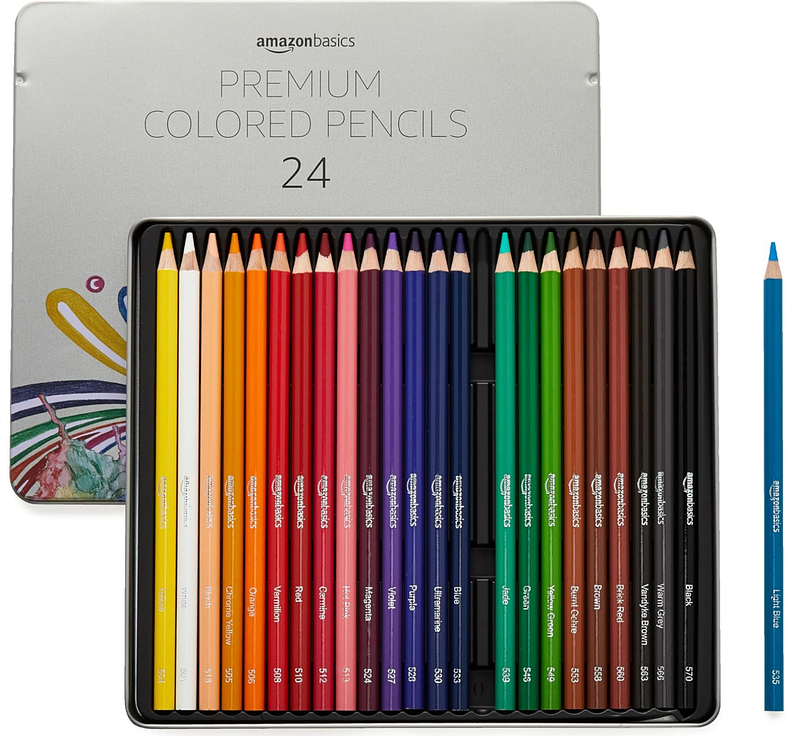
Color With: Mix beige and light gray Amazon Basics Premium Colored Pencils to get this delicate hue. They guarantee a smooth application ideal for intricate drawings and are renowned for their robust wood casing and rich coloration.
Glaucous
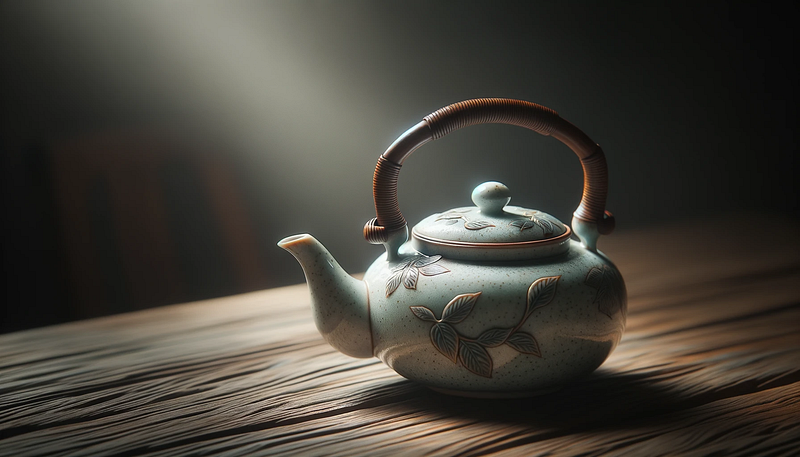
Origin: Originating from the Latin “glaucus” and ancient Greek “γλαυκός” (glaukós), “glaucous” means “bluish-green” or “gleaming.” The term is often observed in ancient texts to describe the appearance of the sea under specific lighting conditions, as well as the eyes of Athena, the Greek goddess of wisdom, historically defined as “glaukopis” or “owl-eyed.”
Modern Encounter: In nature, the term refers to a pale gray or bluish-green waxy coating seen on certain fruits and leaves, like grapes and succulents, protecting against water loss and UV damage. In ornithology, it denotes a specific gray-blue bird plumage shade. Today, “glaucous” is a cherished color in design and fashion for its tranquil and refined appearance.
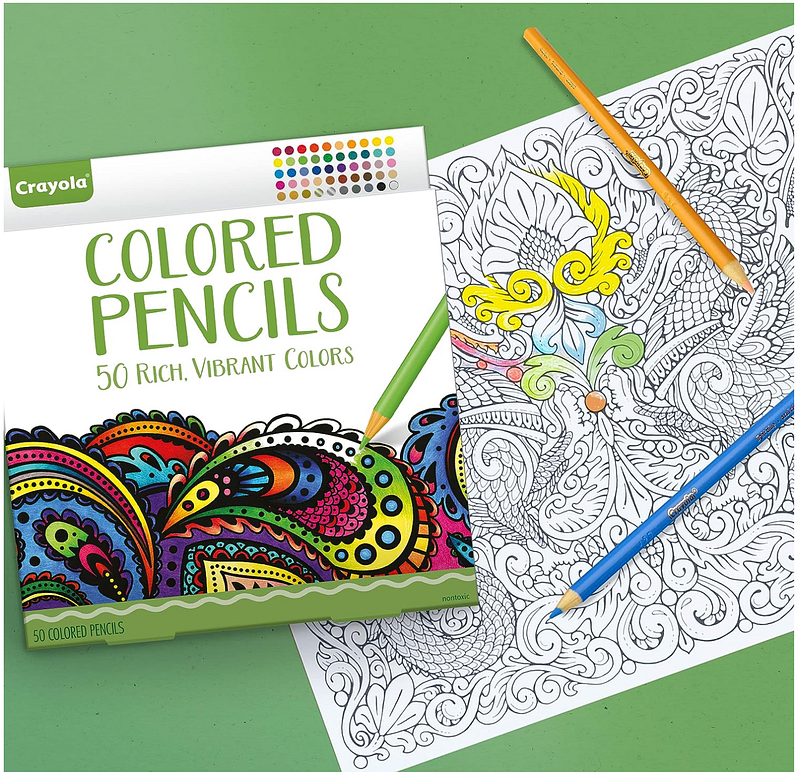
Color With: Crayola Colored Pencils For Adults can be used to master the bluish-green tint. Blending is now an art form because of its precision tip and environmentally sustainable wood case.
Falu

Origin: “Falun” red originates from the Swedish city of Falun, home to the historic Great Copper Mountain mine. The distinct deep red hue comes from the mine’s oxidized waste, rich in iron ochres and copper compounds. Used as “Falu red” paint, this color became iconic in Swedish architecture, adorning countless wooden structures. Its resilience against Nordic weather made it a preferred choice, symbolizing both Swedish heritage and the enduring legacy of Falun’s mining past.
Modern Encounter: This type of paint, known as “Falu red” or “Swedish red,” became emblematic of Swedish architecture and is still prevalent in Sweden and many parts of Finland today, especially in rural barns.
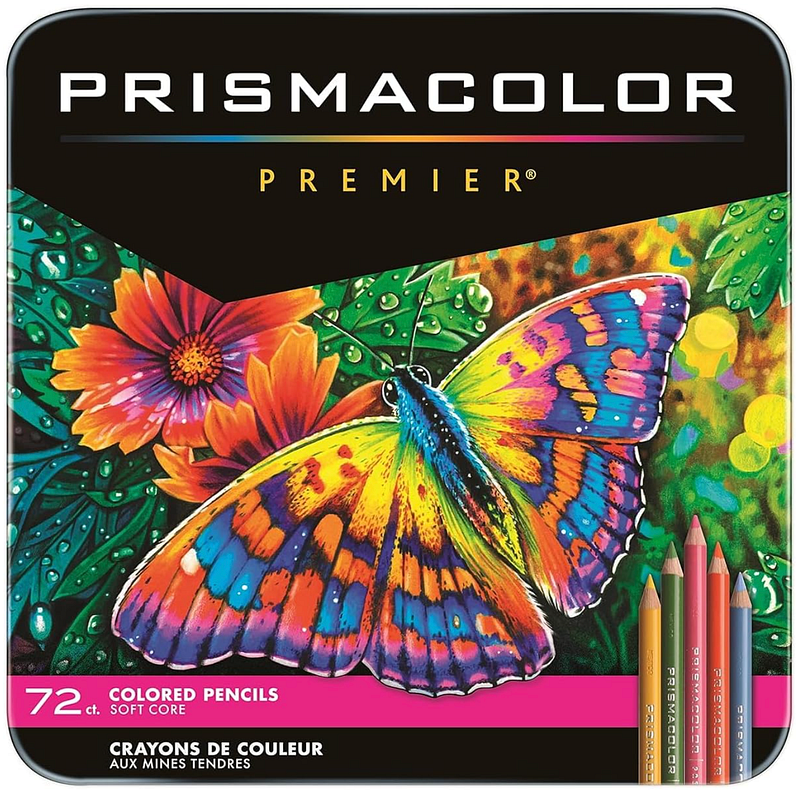
Color With: Use the Prismacolor Colored Pencils | Premier Soft Core Pencils’ rich reds to color. Because of their thick, sturdy leads, these pencils are ideal for creating the deep, rustic Falu hue.
Conclusion
Capture even the most elusive colors with the proper equipment. You can bring every shade, common or uncommon, to life on paper using premium pencils like those from Crayola, Prismacolor, and Amazon Basics. Let these colors and their narratives inspire your artwork as you begin your coloring journey.
Disclosure: As an Amazon Associate, I earn from qualifying purchases.