
3 Easy Ways to Reduce Waste In New Homes
The thing about moving into housing for college is that you’re likely moving out of it in a few years, which generates a lot of trash at move out day. Multiply that by the number of students coming in and out of college every year and envision the amount of trash generated because the norm is to buy pretty brand new items to go with your dorm aesthetic.
Although the items below can be bought cheaply at a dollar store, I opted to substitute them with existing materials I was going to recycle anyways instead of buying new. That way, instead of donating massive amounts of items to the local charity (knowing that a portion of it will never be bought again and contribute to landfill), I first prioritized the things I could reuse.
Indoor plants & plant pots
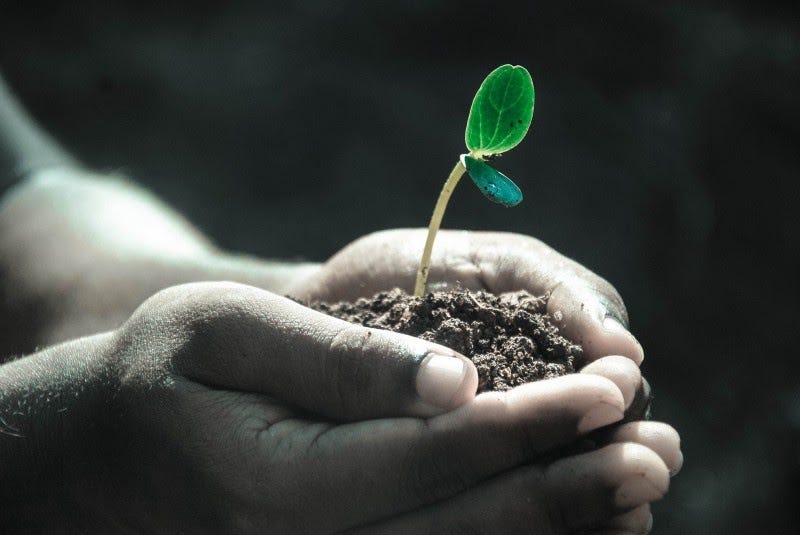
- If you’re a budding gardener like I am and you serially kill new plants and feel guilty for spending $$ on things that will just die under your care, try growing food scraps.
- Level 1: Food scraps that grow in the fridge despite your intentions and surely will grow in water and soil when you remember to water it once every few days — green onions & garlic shoots. Place both in soil and they will grow despite sporadic forgetful watering.
- Level 2: These might not grow to fruition but are cute green accents in your home and will give you that dose of dopamine if you successfully grow a little bud: bell pepper, apple seeds, Japanese pumpkin. I’m guessing that if you place any seed from your food scraps into soil surely it will grow something. If it doesn’t, that’s okay too, you were going to compost it in the first place.
- Containers I use as pots: small plants (bowl noodle bowls, cleaned candle or pasta jars, yogurt tubs, egg cartons); bigger plants (coffee tins)
Pencil Holders

- Yogurt tubs, takeout soup containers
- Pasta jars or cleaned out glass candle jars
- Glass Candle Jar Protips: You probably spent a fortune on the candle so surely you want to use up all of it. The wax can be reused in a wax melter. The glass can be reused to sort a number of other household items or as plant pots. I use boiling water to remove the bulk of the leftover wax but there are a few ways that you can clean your candle jars for reuse!
Indoor Compost Bin
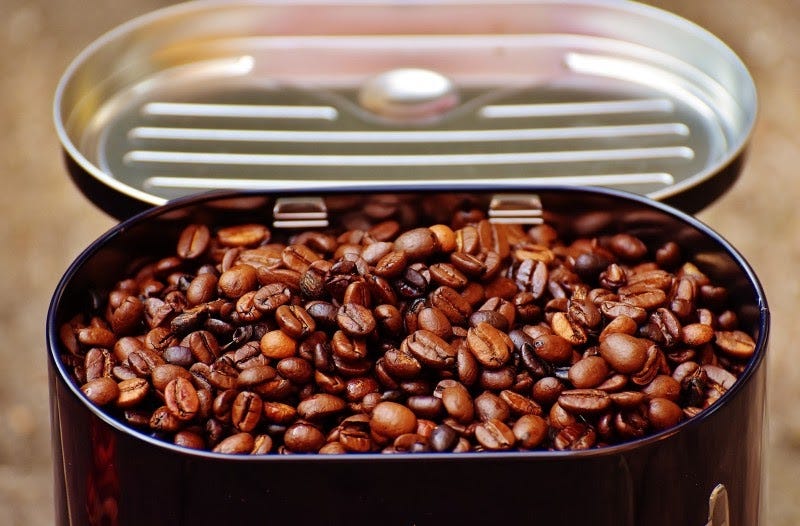
- Large (1kg) coffee tin
- Line these with a bin liner (I use a paper bag or compostable bin liners).
- Keep the lid on at all times.
- There’s a near 0 chance you’ll resell an old compost bin so having one that you can just recycle at the end of it.
Do you have any other upcycle suggestions!? Chirp @ me on twitter, I want to hear about all of your creative solutions!


