
Collective Soul’s Will Turpin lays bare admiration for John Lennon
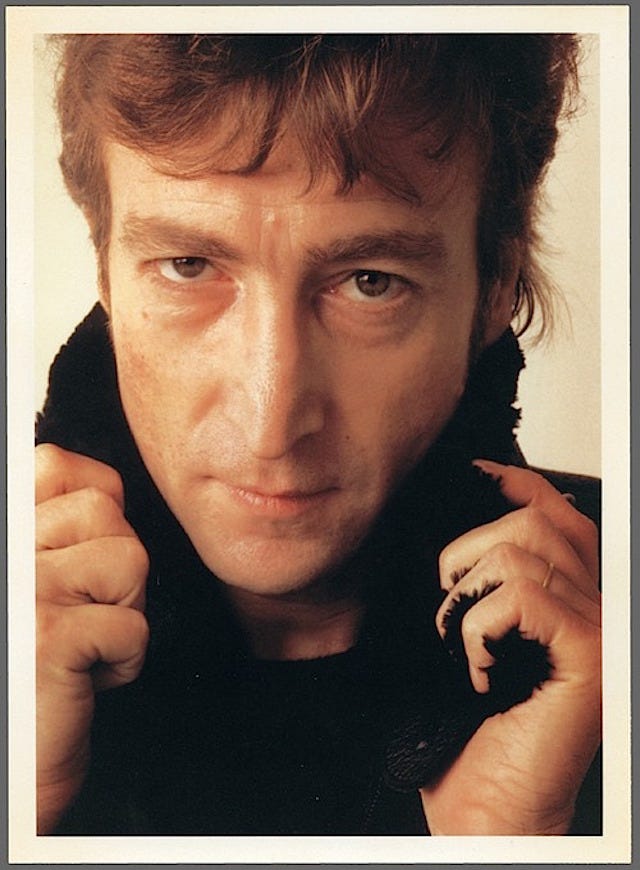
John Lennon was senselessly murdered in Manhattan on December 8, 1980. After a five-year sabbatical from recording, the erstwhile Beatle leader had unleashed his multi-platinum comeback record, Double Fantasy. Songs recorded during those August through September 1980 sessions like “I’m Losing You,” “[Just Like] Starting Over,” “Watching the Wheels,” “Beautiful Boy [Darling Boy],” “Borrowed Time,” “I’m Stepping Out,” and “I Don’t Wanna Face It” uncovered a songwriter rediscovering his muse, made all the more heartbreaking by his sudden demise.
Although Lennon hadn’t been much of a father to his first child, Julian, he was given a rare second opportunity when Sean was born on October 9, 1975, serendipitously the same birthday as the elder Lennon. Friends or musical acquaintances visiting the Lennon’s home at the Dakota were often stunned to catch a domesticated Beatle baking bread or tending to Sean.
Another dedicated father is Will Turpin, a Georgia Music Hall of Fame inductee best known as the founding bassist of alternative rockers Collective Soul. Although he didn’t find it necessary to abandon his day job to raise his three kids, Turpin recognizes that setting an example is essential to being a good dad.
Turpin has no qualms laying bare his musical debt of gratitude to the scintillating Liverpudlian. Consequently, on a pleasant November afternoon at his home in Stockbridge, Georgia, the singer-songwriter explained why he considers Lennon to be such a pivotal figure in pop culture.
Turpin, whose debut full-length solo record is Serengeti Drivers, also sheds light on the terrible night when Lennon was shot, his preferred Lennon tunes, Collective Soul’s “Jealous Guy” tribute, Lennon’s masterful word play and diary-torn lyrics, encouraging teenage musicians on the John Lennon Educational Tour Bus, and much more.
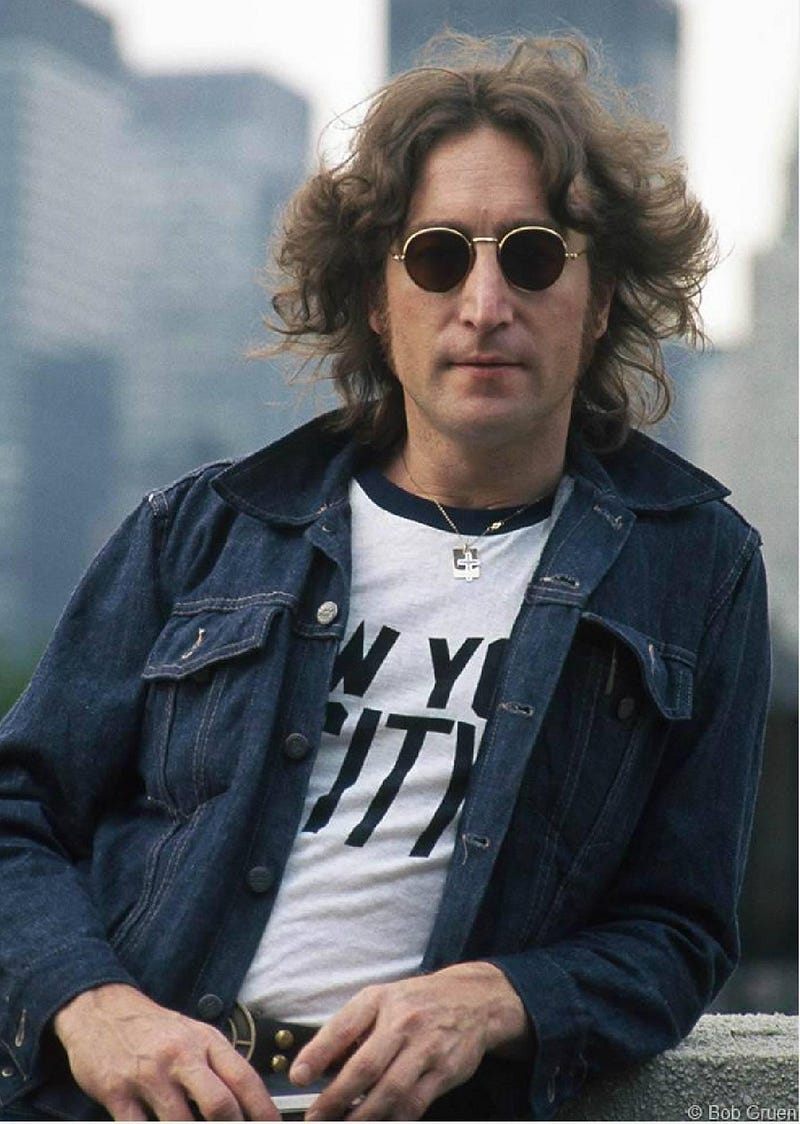
The Will Turpin / John Lennon Interview
Do you remember the day John Lennon was murdered?
I was a nine-year-old kid at the time and vaguely remember that day. What I remember most was that my mother was very sad and my dad was speechless, almost crestfallen.
You have to remember what John Lennon and the Beatles meant to their generation and how one insane act took away such a talented person. His murder will never make sense and the pain of his loss is still felt.
I would have loved to have seen Lennon grow older and watch him progress both musically and culturally. He had great and innovative ideas on peace and love, and we sure do need a voice like his in today’s world.
What we can be thankful for is that we have his music to enjoy and savor. Lennon’s songs will live on forever and will be played by future generations to come.
What are your favorite Lennon songs?
“Jealous Guy,” “Imagine,” “Instant Karma,” “[Just Like] Starting Over” and “I’m Losing You.” They’re excellent songs and they show Lennon’s great musical range. Those tunes, especially the first three I mentioned, are right up there with anything the Beatles ever did.
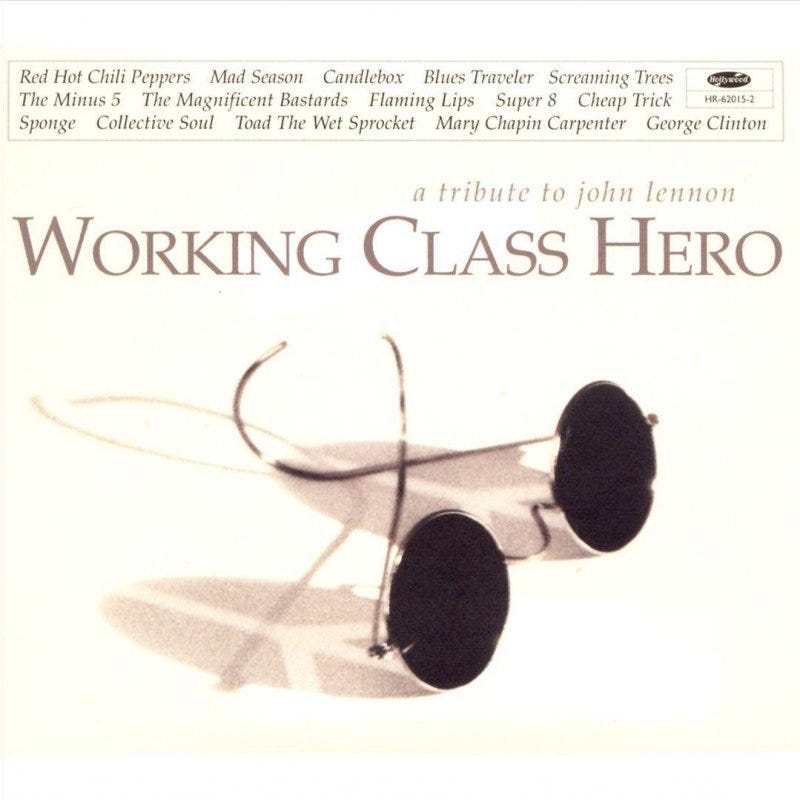
Collective Soul tackled an outstanding rendition of “Jealous Guy” for 1995’s Working Class Hero: A Tribute to John Lennon. What do you recall about that session?
That was one of those assignments that just fell in our laps and was a very special moment in our career. I think we gave a great performance on that one. We nailed it…we really nailed it. I feel so good about that song.
I can look back decades later and say, ‘Did we or did we not get that one? I think we nailed it.’ Our performance of “Jealous Guy” is very special and I’m real happy with how it turned out. It’s just on.
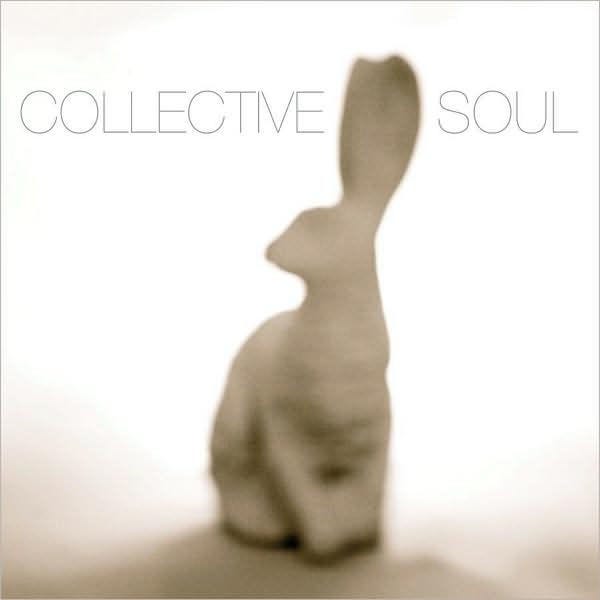
For “Understanding” [Rabbit, 2009], you wrote a line that was very Lennonesque: “Dancing to the rhythm from the knowledge of a hard drive spin.”
Thank you for recognizing that. The way that song came about was very cool. Ed Roland told everyone to write on a sheet of paper a set of lyrics and he’d collect them the next day. So we did and he took lyrics from everyone and took his favorite bits and pieces and turned it into a song.
Lennon was a master at word play, and he often wrote lyrics that sounded really good but didn’t necessarily mean anything. The prime example is the song “Come Together” from Abbey Road. “Hold you in his armchair you can feel his disease” sounds really good but it doesn’t really make sense.
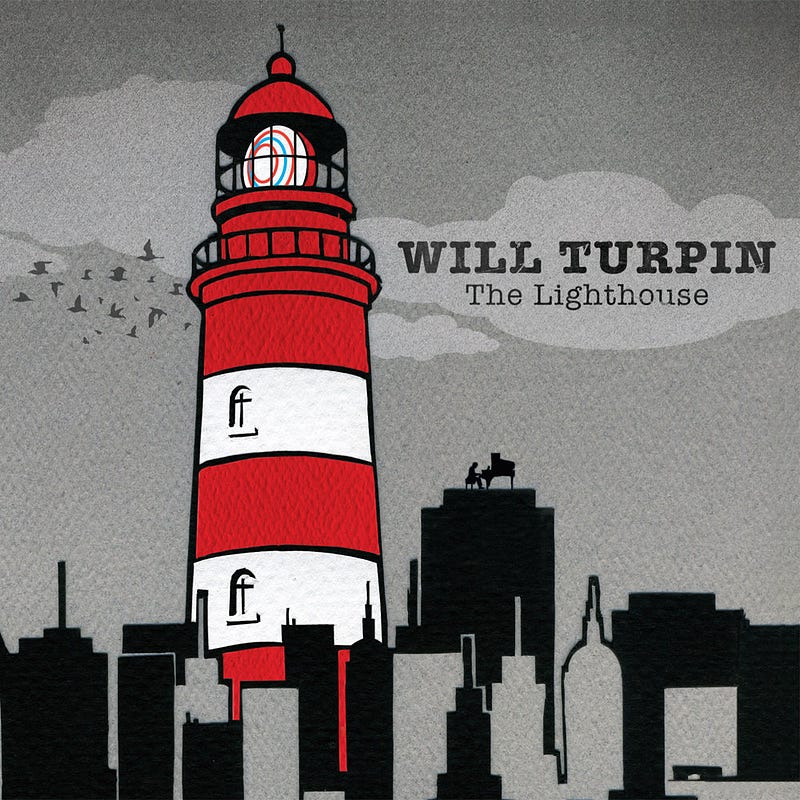
The songs on your debut solo release, The Lighthouse EP, are personal in a similar way to Lennon’s. Do you find yourself emulating his strategy while writing a song?
Yes and no; both of our styles are very personal, but he was a lot more daring and willing to reveal more than I am. His songs are like a personal diary and laid bare for all to see whereas I try to mask mine a bit.
Yes, my songs are personal but I don’t want to be too specific with my songs. I am not at that point where I want to put it all out there on the line like John did.
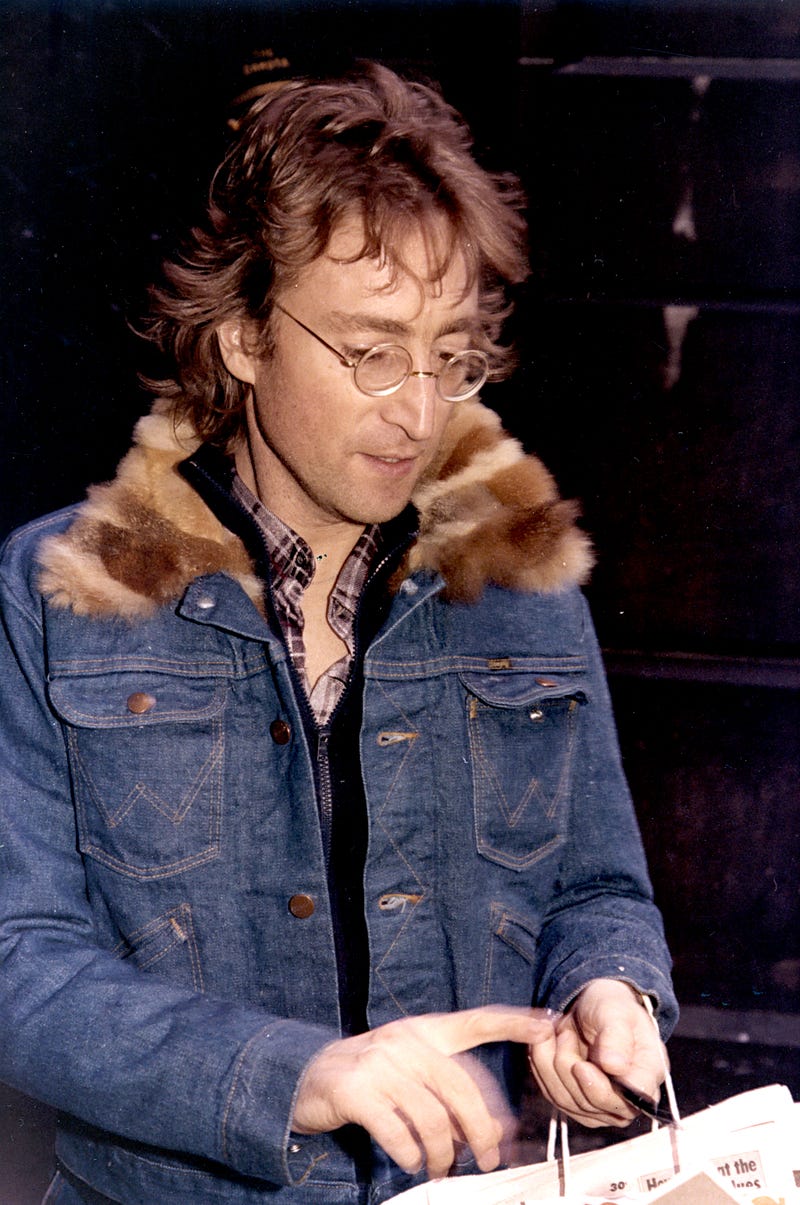
Lennon virtually quit music for five years [1975–1980] to raise his son Sean. Could you ever see yourself abandoning your career to raise your kids?
Frankly, no, that would be difficult for me. I have three kids ages 16, 11 and 9 and I’ve always had to work while raising my kids. But you have to understand my situation was so much more different than John Lennon’s.
He had a very crazy, chaotic life and I could never possibly begin to understand the strain and pressure he must have felt. The Beatles had ATOMIC fame and no one can even imagine what that must have been like except for the four individuals in the band.
John probably needed to take that five-year break for his own sanity. I think he recognized that he got a second shot at fatherhood and decided to take it.
I’m lucky that there is a balance of friendship, music and family with Collective Soul. We all know and understand each other. We know when it’s time to make music and when it’s time to take a break.
When Lennon did emerge on 1980’s Double Fantasy, fatherhood had obviously changed him and his songs were lighter and more joyous. Can you see where fatherhood can do that to an artist?
Absolutely. When you become a father you definitely become a lot more inward. You change because you start trying to lead by example, and that means being a good role model and father. It’s like that old saying, “with age comes wisdom,” and hopefully if you’re doing something right, you become a better person.
Being a father does change your outlook and you hear it on Double Fantasy. His songs on that album reflect not only the joys of domesticity but the enormity of life. It’s just too bad Lennon’s ended when he was 40, as he really seemed to be enjoying life and celebrating fatherhood.
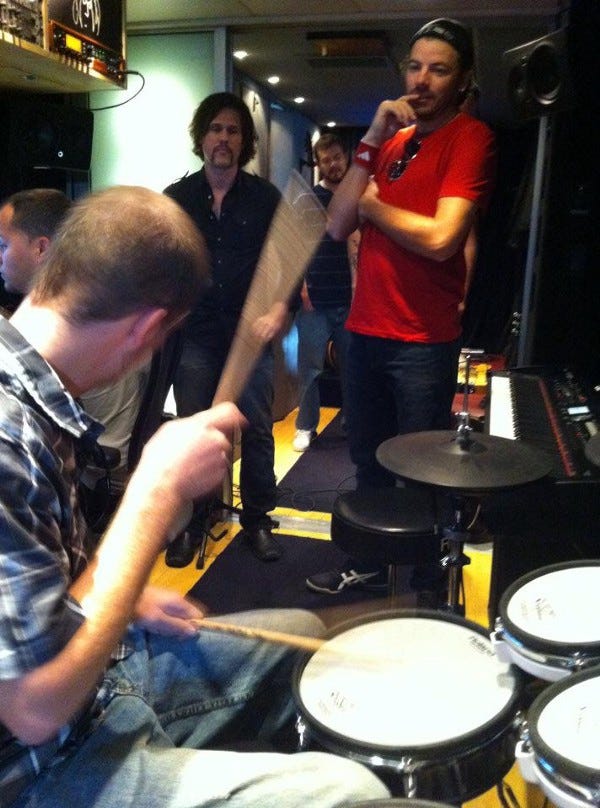
You and former Collective Soul lead guitarist Joel Kosche paid tribute to Lennon in October 2011 as musical mentors on the John Lennon Educational Bus when it swung through Georgia on a national tour. Tell us what that was like.
It was an extremely cool experience for everyone involved, especially me. It’s a non-profit mobile recording studio dedicated to providing students of all ages with free hands-on opportunities to make music and produce video projects.
The bus was loaded with state-of-the-art recording gear and Apple computers. It’s as high tech as it gets. The interesting thing is that Jonathan Beckner, who co-produced The Lighthouse, also helped in the design of the bus, so there was another big personal connection for me.
Basically Joel and I got to hang out and spend the day with students from SAE Institute Atlanta — a local trade school — creating songs with Avid Pro Tools along with a video.
That day made me realize that we as a society need to continue raising awareness to keep music and arts in our school system. I also came to realize that John Lennon’s hopes and dreams are still alive on that bus.
What do you teach young kids who want to make music their full-time career?
I teach them two things. The first is to try and play with people who are better than you. Lessons are wonderful, practicing alone is essential in your development, but nothing beats playing with great players.
The second thing I teach them is to keep a side job. Try to be a lawyer or doctor who plays rock on weekends. The industry has changed and evolved so much even when I first started out, and it just keeps getting harder and harder to break through or earn a living.
I would never discourage anyone not to go for their dreams but it doesn’t have to be an all or nothing proposition. There’s nothing wrong with getting a college degree before venturing off into a career in entertainment [Author’s Note: Before leaving, consider checking out part one of the story, entitled “The Beatles’ Epic Influence on Stalwart Collective Soul Bassist Will Turpin”].
© Jeremy Roberts and Marshall Terrill, 2011, 2017. All rights reserved. To touch base, email [email protected] and mention which story led you my way. I appreciate it sincerely.