International Politics
The Cold War Between China and America has begun!
Read an In-depth analysis of the ongoing cold war between China & United States of America.

In the vast arena of global geopolitics, few rivalries have captured the world’s attention quite like the Cold War between China and America. Like the ebb and flow of waves in the ocean, this multifaceted confrontation between two superpowers has shaped the course of history and continues to influence our modern world.
This study will go into the subtle mechanics of this geopolitical chess match, investigating its roots, manifestations, and worldwide repercussions.
Understanding the Origins of the Cold War:
To comprehend the present, we must first journey back in time to explore the roots of this Cold War. It began to take shape following World War II, as the United States and the Soviet Union found themselves embroiled in a tense ideological struggle.
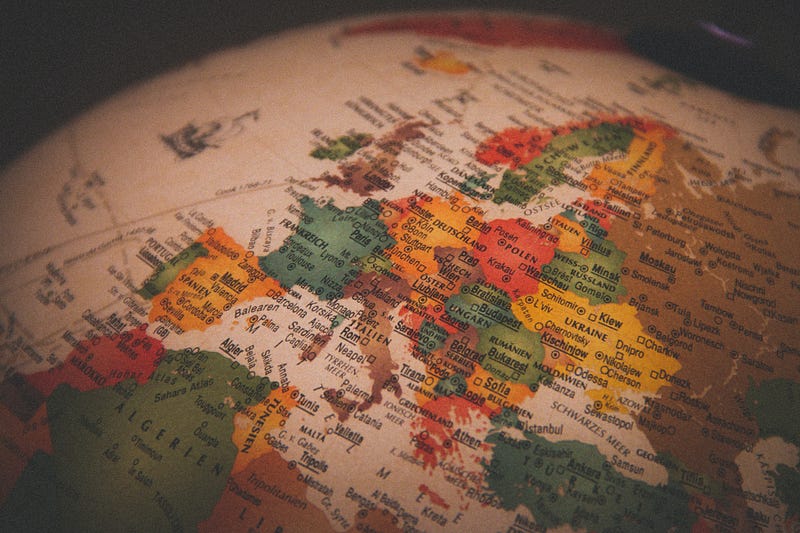
Fast forward to the latter part of the twentieth century, when China emerged as a prominent actor in the world arena, adding a new layer of complication to the already complicated geopolitical environment.
Economic Clout and Technological Prowess:
As we navigate through the currents of this ongoing rivalry, it becomes apparent that economics and technology play crucial roles in shaping the dynamics between these two giants. The United States, with its robust economy and cutting-edge technological advancements, has long been a trendsetter in the global market.
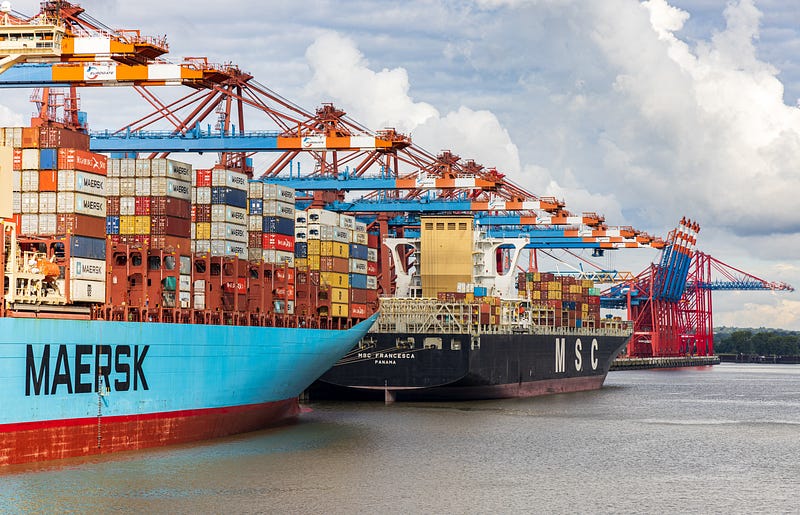
Meanwhile, China’s meteoric rise as an economic powerhouse and technological innovator has positioned it as a formidable challenger, leading to competition and cooperation between the two.
Matters of Ideology and Geopolitics:
Beneath the surface, ideology and geopolitics add further layers to this complex web of international relations. The United States, advocating for democracy, individual liberties, and human rights, often finds itself at odds with China’s approach to governance and state control.
This fundamental clash of principles has led to diplomatic complications, human rights concerns, and territorial conflicts in locations like the South China Sea.
Trade and Tariffs:
At times, the seas of the Cold War have turned turbulent, with trade and tariffs becoming stormy waters. Trade disputes between China and America have led to waves of tariffs and counter-tariffs, creating ripples felt across the global economy.
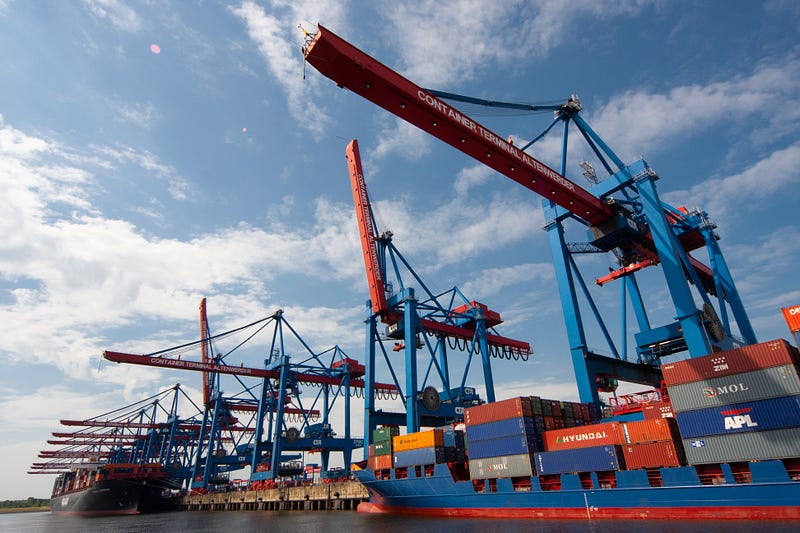
Amidst these challenges, the world has witnessed rounds of negotiations and tariff truces, showcasing both the tensions and the necessity for cooperation.
Competing for Global Influence:
Like rival sailors vying for command of the seas, China and America engage in a race for global influence. The Belt and Road Initiative, China’s ambitious infrastructure project, seeks to establish a vast network of trade routes, while America’s alliances and military presence aim to maintain its position as a dominant world power.
These endeavors have sparked debates over spheres of influence, national security, and international cooperation.
Navigating a Path to Peace:
Despite the turbulent seas of the Cold War, there are glimpses of hope for a more stable future. Both China and America recognize the consequences of open conflict and the importance of maintaining channels for dialogue.

Engaging in strategic dialogues, diplomatic engagements, and multinational forums allows the two giants to seek common ground on pressing global issues such as climate change, pandemic response, and nuclear non-proliferation.
Technological Espionage and Cybersecurity:
In the realm of modern warfare, technology is a formidable weapon. Both China and America are well aware of the potential advantages offered by advanced technologies, and this has led to concerns over technological espionage.

Accusations of intellectual property theft and cyberattacks have intensified the already strained relations between the two nations. The race to develop cutting-edge technologies such as artificial intelligence, 5G, and quantum computing has become a key aspect of this Cold War.
Proxy Conflicts and Diplomatic Maneuvers:
While confrontation is avoided, the Cold War plays out on multiple fronts through proxy conflicts and diplomatic maneuvers. China and the United States both expand their influence in places such as the Middle East, Africa, and Latin America, backing various forces and ideologies.
Diplomatic alliances and counter alliances have become a part of this global game, with nations carefully choosing their partners based on strategic interests and ideological affinity.
Is Space War between America and China Dangerous for International Community?
Ah, space, the final frontier — where the stars shine and humanity’s curiosity knows no bounds. But amidst the awe-inspiring beauty of the cosmos, there looms a new frontier of conflict: the prospect of a space war between China and America.

As technology advances and mankind reaches further into the heavens, space has become a critical arena for both nations to assert their dominance and protect their interests. Both China and America have invested heavily in space programs, aiming to enhance their scientific knowledge, satellite capabilities, and potential military applications.
Satellites
Satellites play an important role in today’s world. Without satellites, we can’t navigate, or communicate with each other. We can’t even Globalize the world without this. Hence, the control and protection of space assets have become paramount in maintaining a strategic advantage.
But, just like any game of chess, there’s a risk of conflict and confrontation. Accusations of space espionage and anti-satellite weapons tests have raised concerns about the militarization of space. The destruction of satellites or jamming of communication signals could lead to widespread disruption and even escalate into a full-fledged space conflict.
International Space Station (ISS)
Yet, there’s also hope for cooperation among the stars. Space exploration and research often transcend geopolitical rivalries. The International Space Station (ISS) exemplifies how countries may work together peacefully to solve the mysteries of space.
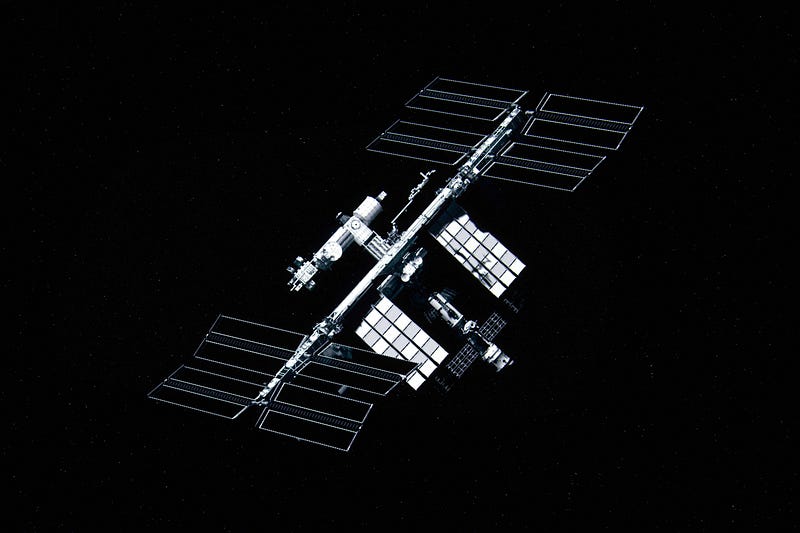
Joint missions, like the Mars rover Perseverance, demonstrate that even in times of tension, space can become a bridge for mutual understanding.
Challenges & Hope
To navigate the path ahead, both China and America must recognize the potential consequences of space warfare. Spacefaring nations have a collective responsibility to establish clear rules and norms governing activities in space to ensure it remains a domain for exploration, scientific advancement, and peaceful endeavors.
As we peer into the boundless night sky, we must remember that the challenges and possibilities of space are not confined to any single nation. It’s a shared venture that unites humanity in its quest for knowledge, understanding, and the expansion of our horizons.

So, let us hope that in the grand cosmic play between China and America, they choose to be stellar examples of responsible space exploration and cooperation, guiding us all to new frontiers and uncharted territories, rather than descending into a dark space war that could shroud the heavens with uncertainty.
The Role of Public Opinion in the Cold War:
The Cold War extends beyond diplomatic corridors and military bases; it permeates public opinion in both nations. State-controlled media and social media platforms play significant roles in shaping the narratives and perceptions of each other’s actions and intentions.
Understanding and managing public sentiment has become crucial for both governments, as the support or criticism of their citizens can influence policy decisions and international actions.
The Impact on Global Trade:
As the two largest economies in the world, China and America’s trade relationship has far-reaching consequences for the global economy. Tariffs, export restrictions, and supply chain disruptions resulting from trade disputes impact businesses and consumers worldwide.
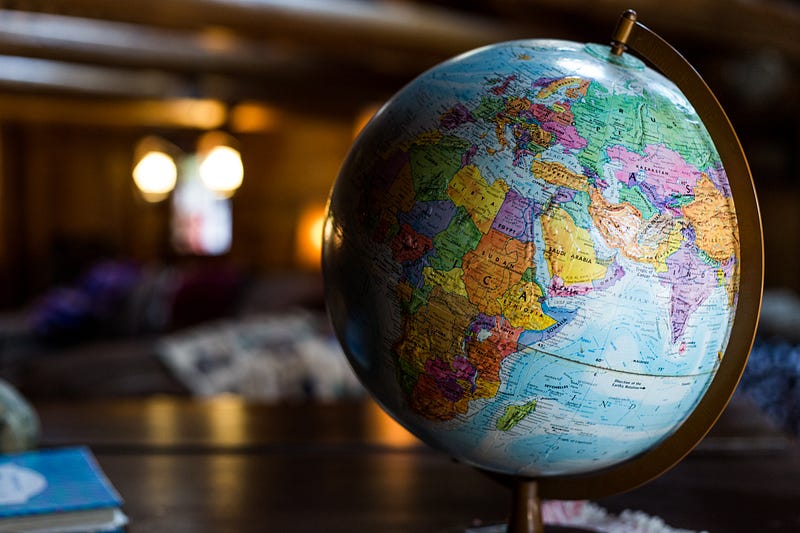
The unpredictability of trade policies adds an element of uncertainty to the global market, affecting investment decisions, financial markets, and economic growth prospects.
Human Rights and International Relations:
The Cold War between China and America also intersects with human rights issues, raising debates about how to balance diplomatic relations with a commitment to promoting universal human rights.
Concerns about China’s treatment of ethnic minorities in Xinjiang, the situation in Hong Kong, and freedom of speech have led to public calls for America to take a stand on these matters. Balancing these concerns with diplomatic engagement can be a delicate dance for policymakers.
Climate Change and Multilateral Cooperation:
Despite their differences, China and America recognize the urgency of addressing climate change. The threat of environmental degradation and its potential impact on global stability has driven the need for multilateral cooperation.

Climate change mitigation and renewable energy transition efforts have become areas where both countries may find common ground and collaborate for the greater benefit.
Conclusion:
The stakes are high in this ever-evolving Cold War story between China and America, and the ramifications of their actions reverberate throughout the world. As we navigate through these uncertain waters, it becomes apparent that open communication, diplomacy, and a willingness to find areas of cooperation are essential to preventing escalation and fostering a more stable and harmonious global order.
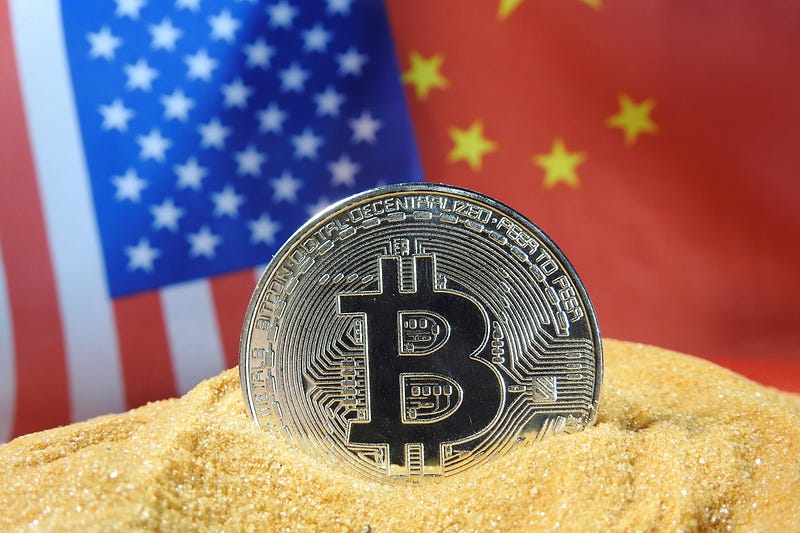
While challenges remain, the shared destiny of our interconnected world demands that these giants strive for a future where mutual understanding and cooperation prevail over conflict and confrontation. Only time will tell how this geopolitical tussle will unfold, but one thing is clear — the course of history hangs in the balance.
I hope you’ll find this little story informative and amusing. For more interesting and astonishing stories you can visit our Lists of Astonishing Facts and Powerful Countries.
You may like this:
This story is written by M Aslam Waheed. Open for Gigs.


