
Coffee — The Ultimate Drinking Guide
The benefits, the drawbacks, and how to make it work best for you.
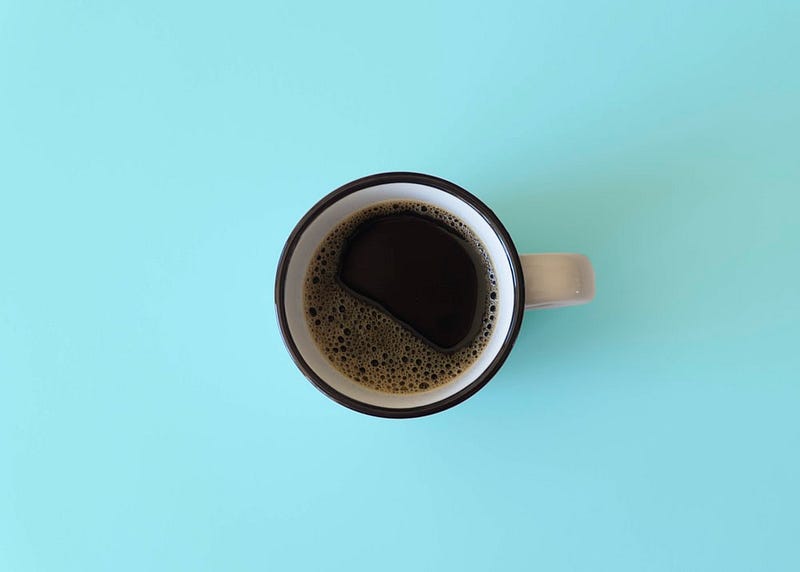
Around 3 billion people worldwide will have a cup of coffee today.
The average number of cups per person per day is 3, and this hasn’t changed since 1999. It’s safe to say that most of us love our coffee. And fortunately, coffee is one of the healthiest things you can consume, with benefits for nearly every aspect of your health.
In this in-depth guide, I want to illustrate both the benefits and the potential downsides of coffee, and how we can use coffee in a smart way to improve our health, our performance (both physical and mental), and ultimately, improve our lives.
The Benefits of Coffee
There are numerous benefits to coffee, and these seem to increase linearly with the number of cups consumed in a day. There are many more benefits than drawbacks to drinking coffee, and in fact, coffee has been scientifically proven to be “remarkably” safe to drink in moderate amounts (up to 4–5 cups, depending on body weight).
Here are some of the key benefits.
Mood
Coffee has been shown to improve mood and contentment, and this effect is increased when you consume coffee regularly.
Performance
Coffee can improve performance in every regard, whether cognitive, physical, social, or other. Unlike some of the other benefits of coffee, this one is mainly attributed to the caffeine content, rather than the coffee itself.
Caffeine has been shown to decrease perceived effort during a workout, and thus improve performance in the gym. It also increases time-to-exhaustion, muscle strength, and sprint power.
For maximum effect, drink a cup or two of coffee one hour prior to a physical performance, whether going to the gym or competing in a sport. This is the point where the performance effects peak.
Caffeine is also the most widely used stimulant and neuro-enhancer in the world. It improves cognition — memory, attention, and reaction time all improve when drinking coffee.
“The powers of a man’s mind are directly proportional to the quantity of coffee he drank.” — Sir James MacKintosh, Scottish politician and historian
Fights cancer
The cafestol and kahweol molecules present in coffee have cancer-fighting properties. However, these are filtered out when using filter paper, so for best effect, drink French press or Turkish coffee.
Furthermore, coffee is packed with antioxidants, which are molecules that bind to free radicals and reduce the risk of cancer.
Reduces the risk of Alzheimer’s and Parkinson’s
Both caffeinated and decaffeinated coffee consumption has been correlated to a reduced risk of both Alzheimer’s and Parkinson’s diseases. It appears that there are compounds in coffee that prevent the build-up of both beta-amyloid and tau — compounds that have been linked to the development of these diseases.
Interestingly, it appears that dark roasts have more of these compounds, so for maximum effect, go for a dark roasted bean.
Fat loss
One of my favorite coffee hacks is to drink a cup of black coffee (i.e. no calories) before a morning workout or movement session. This will lead to increased fatty acid mobilization during the workout, leading to an increase in fat loss.
Fasted cardio is a powerful fat loss strategy on its own, but combined with caffeine, it becomes even more potent. Caffeine helps to mobilize fatty acids during your cardio, leading to even more fat burning.
During fasted cardio, your body will have minimal to no stores of readily available energy — i.e. glycogen from the foods you eat. Your body will therefore need to tap into energy stores in the body — i.e. stored fat. In fact, a study has shown that you will burn up to 20% more fat than you would have if you had eaten beforehand.
Interestingly, it is suggested that this protocol is particularly effective for stubborn areas, such as the thighs.
Furthermore, exercising in the morning will boost your metabolic rate and lead to EPOC — excess post-exercise oxygen consumption. This is where your body continues to burn calories for up to 24 hours after a workout, meaning you’ll be burning extra calories for the rest of the day.
Note: If your primary goal is to build muscle, it is advisable to have some fast-absorbing protein, such as a whey protein shake, immediately after your fasted cardio. Fasted cardio can lead to utilizing amino acids for fuel — the building blocks of muscle — which can lead to some muscle loss.
You can also take some calorie-free aminos before your cardio to help promote muscle building and prevent any potential muscle loss.
Caffeine can also increase the amount of fat burned during a workout, meaning that you will be burning more fat at the gym than if you hadn’t had that cup of coffee beforehand.
Drinking coffee before a workout has long been known to increase subsequent fat oxidation.
However, a 2021 study shows that the combination of pre-workout coffee consumption paired with an afternoon workout may lead to the greatest fat oxidation.
The study concludes:
“These results suggest that a combination of acute caffeine intake and exercise at moderate intensity in the afternoon provides the best scenario for individuals seeking to increase whole-body fat oxidation during aerobic exercise.”
The study participants consumed the caffeine 30 minutes before starting their workout, so if you want to maximize your fat-burning, have your caffeine 30 minutes before starting your exercise. The exercise was also aerobic in nature.
Furthermore, this study found that consuming coffee can significantly increase metabolic rate and fat oxidation.
Longer life
Coffee has repeatedly been shown to increase life expectancy: those who regularly drink coffee are less likely to die from any cause, from heart failure to stroke to suicide. Interestingly, this effect remained whether the coffee was decaf or not, an even bigger incentive to switch to decaf coffee once a month.
This comes from a meta-analysis of over 200 studies investigating the link between coffee and longevity. Researchers explain,
“Drinking coffee was consistently associated with a lower risk of death from all causes and from heart disease, with the largest reduction in relative risk of death at three cups a day, compared with non-coffee drinkers. Increasing consumption to above three cups a day was not associated with harm, but the beneficial effect was less pronounced.”
Therefore, it appears that for maximum health benefits, drink 3 cups of coffee a day. While more will not hurt you (up to about 5 cups per day), they also won’t have any added benefit.
This may be due to a number of effects, such as coffee’s ability to reduce systemic inflammation, reduce age-related problems, and slow down the metabolic processes that lead to aging. Coffee also has numerous nutrients that lower insulin resistance.
Drinking 1 cup per day was associated with lowered all-cause mortality of 12%, and drinking more than two cups per day was associated with lowered all-cause mortality of 18%, compared with non-coffee drinkers.
Even more astonishing is that high consumption of polyphenols, the main compound found in coffee, has been correlated to a 30% reduction in the mortality of older adults — a very good reason for older adults to regularly consume coffee.
Caffeine resets the circadian rhythm
Resetting the circadian rhythm is something I talk about a lot.
I believe it is one of the greatest tools for improving our sleep, and subsequently, our health in general. The usual ways of resetting the circadian rhythm include morning light exposure, morning movement, and sometimes food. We also want to ensure we get adequate daylight exposure throughout the day.
However, it seems that a cup of coffee, timed appropriately, can also help us to reset our circadian rhythms in the morning.
“A cup of coffee in the morning resets our internal clock to the same extent that bright light does. We can use coffee to our advantage during the first half of the day to help us wake up and feel more alert. Coffee first thing in the morning along with a bit of physical activity and having your first calories of the day will help synchronize the brain clock and the body clock.” — Dr. Satchin Panda
A 2015 study in Science Translational Medicine found that caffeine can actually shift your circadian rhythm:
“Your morning cup of coffee may be shifting your circadian clock. Burke et al. show that caffeine — widely available, legal, and psychoactive — inserts a delay into the ~24-hour metabolic rhythm that keeps your body running in time with the world.”
They found that the caffeine impacted the circadian rhythm about half as well as 3 hours of bright light exposure, with bright light exposure being arguably the strongest circadian cue for humans. This is quite a large effect, which also highlights why it’s crucial we stay away from caffeine in the afternoons.
“In the late afternoon or evening, coffee begins to work against your clock. It signals that it’s morning and has an alerting effect on the brain, which can negatively affect sleep.” — Dr. Satchin Panda
Fix leaky brain
The blood-brain barrier (BBB) regulates what goes into your brain, and protects the brain against toxins and pathogens.
However, due to our sleep-deprived, alcohol-ridden, high blood pressure society, it can become leaky. This is a problem, as substances that definitely should not be in your brain are getting in. It can lead to depression and anxiety, brain fog, and even things like Alzheimer’s disease.
But luckily, caffeine protects the integrity of the BBB and therefore contributes to the prevention of anxiety and depression, as well as Alzheimer’s.
Improve gut health
A recent study has suggested that drinking coffee can improve the health of your gut by increasing the diversity of gut bacteria.
Your gut is so important for overall health, from mental health due to all the neurotransmitters that reside in your gut, to immunity and better sleep. So anything that improves your gut health is something you should incorporate into your life.
A Meta-Analysis of the Long-Term Impact of Drinking Coffee
Meta-analyses are helpful because they take a bunch of studies and see what the general findings are about a certain topic.
This means that outlier studies don’t impact the final result. Rather, the study finds out what most studies are saying.
A recent meta-analysis looked at the long-term impact of coffee consumption.
The research included 468,629 participants, who were divided into 3 groups based on their coffee consumption: none (do not drink coffee regularly), light to moderate (0.5 to 3 cups), and high (more than 3 cups per day).
They followed up with the participants 10 to 15 years later, with a median follow-up of 11 years.
They adjusted their results for age, sex, weight, height, smoking status, physical activity, high blood pressure, diabetes, cholesterol level, socioeconomic status, as well as alcohol intake, and consumption of meat, tea, fruit, and vegetables.
They found that the light to moderate coffee drinkers of 0.5 to 3 cups per day had a lowered risk of all-cause mortality of 12% compared to non-coffee drinkers. They also found a 17% lower risk of death from cardiovascular disease and a 21% lower risk of stroke.
In regard to the mechanism behind this effect, the researchers explained:
“The imaging analysis indicated that compared with participants who did not drink coffee regularly, daily consumers had healthier sized and better functioning hearts. This was consistent with reversing the detrimental effects of aging on the heart.”
The Caveats
While there are obviously a lot of reasons why we should drink coffee, we should also consider instances when we shouldn’t drink it.
An important consideration is pregnant women — caffeine has been shown to be not completely safe for this population, although new research is suggesting that up to two cups are safe when pregnant.
Some other considerations include:
Caffeine addiction/reliance
“High doses of caffeine can flood the brain with excitatory neurotransmitters, creating neurotransmitter resistance or long-term receptor damage.” — Ben Greenfield
This can make you resistant to the effects of neurotransmitters, due to the constant flood of adrenaline and other energy hormones. This can lead to adrenal depletion and corresponding feelings of fatigue, and the need for more and more caffeine.
Caffeine withdrawal
With regular coffee consumption, some people experience withdrawal symptoms when they don’t have coffee.
While slightly unpleasant, caffeine withdrawal isn’t something to be overly concerned about and symptoms should go away in a day or two. See below for how to mitigate this effect.
Slow coffee metabolizers
Those who are slow coffee metabolizers can tolerate far less caffeine than those who metabolize caffeine more quickly. Listen to your body. If you start getting jittery, you’ve reached your limit. Stop drinking coffee for the day.
Oesophageal cancer
Very hot coffee (or any drink) has been linked to oesophageal cancer. So wait for it to cool before drinking.
How to Make Coffee Work for You
Take a break
Too much of anything is bad. And this definitely includes coffee. You need to take regular breaks, ideally for one week every month. I just do the first week of every month, so that it’s easy to remember.
Taking a break has multiple benefits, the first and main one being the effect it has on the adenosine receptors in the brain. Caffeine mimics adenosine, the neurotransmitter in the brain that makes us feel tired. Caffeine binds to the adenosine receptors, therefore blocking the adenosine from binding to the receptors, which is how caffeine works to make us feel awake.
However, continued caffeine use causes our brain to create more receptors, which is why it takes more and more amounts of caffeine to achieve the same buzz.
This also means that when we don’t have caffeine, or when the caffeine runs its course, there are a lot of receptors for the fatigue-inducing adenosine to bind to and we experience a huge crash in energy.
If you have a reliance on caffeine, and/or experience caffeine withdrawal symptoms when you don’t have a cup first thing in the morning, this will help curb that.
L-Theanine
“By itself, l-theanine is effective nootropic. But when combined with caffeine…there’s a pronounced synergistic effect. This means you experience heightened focus, awareness, and energy, as well as reduced stress and improved mental endurance to even higher levels.” — Michael Brooks
The L-theanine and caffeine combination is a well known brain-boosting stack. L-theanine is an amino acid that induces feelings of calm and relaxation.
L-theanine combined with caffeine improves concentration, focus, and energy. You get the benefits of caffeine without the jitters or anxiety that can sometimes come with it.
Interestingly, green tea is high in L-theanine and also contains caffeine. It’s nature’s own brain-boosting stack. If you’re not a big green tea drinker, you can buy L-theanine capsules. Take one 20–30 minutes before drinking coffee, as the L-theanine takes longer to metabolize than the coffee. The usual recommended dose is 400mg of L-theanine to 100mg of caffeine.
Find mold-free coffee
A lot of coffee blends contain mold. As with any plant we eat, coffee beans are often sprayed with pesticides, and these can get into the resulting cup of coffee that we drink.
Similarly, cheap beans can often contain mold. This mold can lead to the production of mycotoxins — which, according to the World Health Organisation, have been linked to immune deficiencies and cancer.
To mitigate these, look for beans grown at a higher altitude, as the air tends to be dryer and therefore mold is less likely. Make sure you store your beans in an air-tight container.
Drink coffee at the right time
The time of day we consume it exponentially increases or decreases its benefits, and drinking coffee at the ‘wrong’ time can actually be harmful to our health.
So, looking at the current research, when should we be having our favorite drink?
Why does the time of day matter?
We have an internal clock called the circadian rhythm.
This rhythm dictates all the mechanisms in our bodies — from hormone release and turning on and off the metabolism, to when our bodies are primed for sex. The circadian rhythm does it all.
But this rhythm is why we need to be cognizant of our caffeine habits.
At certain times during this rhythm, we should avoid coffee. And at other times, we can maximize the benefits of coffee.
The circadian rhythm controls a part of the brain called the suprachiasmatic nucleus (SCN). The SCN is responsible for releasing cortisol — our stress hormone.
This hormone, while often vilified, is normal and beneficial. However, when we compound our natural cortisol spikes with a cup of coffee, it can dramatically increase our stress response, and can also cause our bodies to be immune to the impact of the caffeine. In the long term, this increases our caffeine tolerance, meaning we’ll need more and more in order to get a buzz.
What is the ideal time?
I think we all know by now to avoid coffee after 2pm (or at least 10 hours before sleeping) due to the long half-life of caffeine.
Drinking coffee in the afternoon can impact the quality of our sleep; while you may fall asleep fine, your sleep will not be sound.
But what you may not realize, is we should avoid coffee at other times of the day as well.
We have a natural spike in cortisol about an hour after we wake up — so for most people, around 8–9am. (From when we wake up, our cortisol levels continue rising for about an hour.)
We have another spike in the afternoon, around noon.
We want to avoid consuming caffeine during these spikes, and if we want to optimally maximize the benefits, we want to aim to consume the coffee just after the spike.
So, what does this translate to? For the average person with a normal sleep schedule, consume coffee in these windows:
- 9–11:30am
- 1pm-5pm (although it’s advised to avoid caffeine after 2pm)
Geoffrey James, writer for Inc, explains:
“Because cortisol levels start rising the moment you get out of bed, if you drink your first cup of coffee at breakfast or while commuting, you’re not getting the full benefit and may be creating unnecessary stress.
Similarly, if you’re holding out until lunch for your first cup, you’ll be drinking it when your cortisol levels are high, thereby limiting its effectiveness.”
Avoid coffee after a bad night of sleep
While it’s probably the first thing you want to reach for after waking up after a bad night of sleep, you should avoid coffee.
A recent study in the British Journal of Nutrition has revealed the detrimental impact of consuming coffee before breakfast, especially when our sleep quality has been poor.
The study from the Centre for Nutrition, Exercise & Metabolism at the University of Bath (UK) revealed that even after a single night of poor sleep, consuming coffee can increase our blood glucose response to a meal by 50%.
This is a huge increase, and this can be detrimental to our health because blood glucose issues are at the root of chronic illnesses such as diabetes and obesity.
The researchers explain,
“We know that nearly half of us will wake in the morning and, before doing anything else, drink coffee — intuitively the more tired we feel, the stronger the coffee. This study is important and has far-reaching health implications as up until now we have had limited knowledge about what this is doing to our bodies, in particular for our metabolic and blood sugar control.”
Therefore, if you want a cup of coffee to wake you up in the morning, at least wait until after you’ve eaten breakfast.
This gives your body time to respond to the food in its normal way, before adding the caffeine on top. This will prevent any spikes in our blood glucose response.
The researchers conclude,
“Put simply, our blood sugar control is impaired when the first thing our bodies come into contact with is coffee especially after a night of disrupted sleep. We might improve this by eating first and then drinking coffee later if we feel we still need it. Knowing this can have important health benefits for us all.”
Organic vs Non-Organic
Organic coffee has become more popular in recent years.
Organic coffee is that which has been grown, processed, and roasted without the use of any chemicals. This is in contrast to non-organic coffee, or conventional coffee, which is grown with various pesticides, herbicides, and fertilizers to increase growing efficiency and to produce large volumes of beans quickly and inexpensively.
Environmental impact
Organic methods utilize the natural ecosystems in the environment to fertilize the crops and to control pests, therefore preventing any need for pesticides. These beans are grown in the shade, where they grow best.
Conventional beans, on the other hand, are grown in the sun on large-scale farms. The land is cleared to make room for a lot of coffee plants, which destroys the natural ecosystems.
Only about 3% of the world’s coffee is certified as organic, meaning the very overwhelming majority of the coffee we drink is not organic. This has a huge downstream effect on the environment and the livelihoods of the farmers and their families.
Health impact
There are various health differences between conventional and organic coffee beans.
Organic beans have a higher antioxidant content than conventional beans. The antioxidant content of coffee is one of its greatest health benefits, meaning that organic beans are incredibly healthy.
In regard to the pesticides used on conventional beans, it seems that the roasting process burns off any harmful substances before we consume the coffee. Coffee beans are protected by a thick skin and then are roasted at temperatures exceeding 400°F.
Organic vs inorganic debates often come down to ethical considerations in regards to the lives of the people growing and farming the beans, as well as the environmental impact, rather than the health impact.
Conclusion
Coffee is an incredibly healthy drink and has benefits for nearly every aspect of our health.
However, there are some caveats to be aware of. We need to be smart with our coffee consumption to ensure we stay in control and don’t experience any harmful effects. We need to nurture our relationship with our coffee.
Fortunately, it’s not hard to make coffee work for us and use it as a tool to improve our lives.
Want to improve your health, one habit at a time?
Sign up for my free weekly newsletter, Momentum. Each week you’ll receive one new habit to try. I’ll explain why it’s important and how to make it easy. This newsletter will help you to create the momentum you need to move towards a healthier and happier future.