
Coffee — is this dreamy drink good for my health?
Looking into the research of the second favored beverage in America
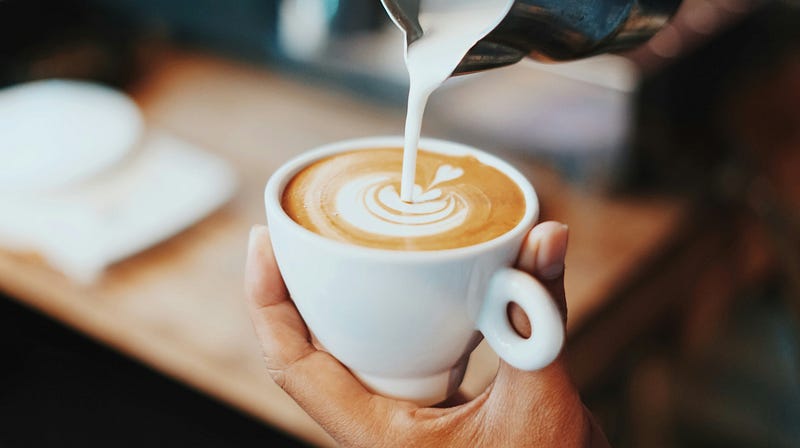
I remember when I first started drinking coffee. It is interesting how it is a beverage that most of us don’t like when we first begin to consume it but then grow to love and depend on it.
Like most people, I began drinking coffee out of necessity — high school me was getting up at 4 AM to go running before school, and I needed something to fuel me due to my not getting enough sleep. Ever since then, there hasn’t been a day that I have missed my morning coffee (even on vacations when I am without my car, you will find me waking up early, making my way to the nearest coffee shop on foot)
With time, coffee can even become a hobby — something people enjoy learning about and taking out extra time in their day to craft the perfect cup of Joe in the convenience of their home. Think of the extended process of making pour-over coffee, or how much of an investment it is to have your own espresso machine.
For me, I enjoy my coffee (specifically espresso) made from freshly ground beans, pressed into a stovetop percolator, and then mixed with some thick oat milk.
Yes.
(As I am writing this from a coffee shop, I am having regrets about choosing the matcha latte rather than my classic oat milk latte)
Lately, I have been finding myself reaching for a second cup of coffee in the afternoons (most specifically after lunch) to get through the rest of the work day. Usually, my coworker and I have more coffee on “caffeine Fridays” as a treat, however, it has been becoming much more common (more of a Monday, Tuesday, Wednesday, and Thursday occurrence).
As a dietitian and someone who loves learning and asking questions, I began to wonder if the second cup of coffee is something that I would like to continue doing and eventually make into a habit. A question that led to plenty of rabbit holes, which I will hopefully do justice in summarizing today.
So first off, taking a step — what even is caffeine and what effect does it have on the body?
Caffeine is a substance that can either occur naturally (in coffee beans, cacao beans, leaves of different plants/trees such as Yerba Mate, etc) or is made synthetically. It is a stimulant, meaning that it is a drug that speeds up the body’s systems.
How caffeine works in the body, is that it blocks certain receptors in the body (by the name of A1 and A2 receptors). These are receptors for Adenosine, a neurotransmitter that leads to feelings of sleep and relaxation when bound to them. Caffeine blocks these receptors, so we don’t feel as tired, making us feel more alert and focused. It can also enhance the effects of dopamine (“the happy hormone”) in the brain, increasing our sense of well-being.
Ever felt in a better mood after drinking a cup of coffee? Well, this is likely the reason why.
Of course, we all like feeling happy and energized, but is coffee/caffeine good for our health?
There have been many studies linking the intake of coffee to a decreased risk of many non-communicable diseases (such as liver disease, Alzheimer’s disease, type 2 diabetes, and various types of cancers).
Many mechanisms of action may explain why there is such a link, but some are:
- Coffee has been associated with decreased estrogen levels — this is a hormone that is found in both men and women. Higher levels have been associated with certain types of cancers.
- Coffee appears to lower inflammation
- Coffee contains polyphenols — a substance that has been associated with a lot of potential health benefits. They may serve as anti-oxidants, have anti-inflammatory effects, and have potential anti-cancer properties.
Of course, all of the studies that were utilized to reach these associations have their limitations, but the literature so far on coffee is surely promising.
It seems like the general scientific consensus is that moderate consumption of coffee can be a part of a healthy diet for most adult individuals. However, if you have certain chronic diseases (such as cardiovascular disease, GERD, etc.), a conversation with your healthcare provider regarding your coffee/caffeine intake should provide more individualized guidance.
As a side note — caffeine also has benefits when it comes to performance (most pre-workouts contain caffeine as an active ingredient, some people even use coffee as their pre-workout). If you are interested in exercise and performance, caffeine as a supplement is a topic worth looking into.
Coffee is coming off as liquid gold with all these positive associations — so would that mean the more coffee, the better?
Sadly, there is such a thing as too much coffee.
Various scientific organizations (such as the EFSA, NAS, FDA, and Health Canada) have concluded the recommended limit is 400mg/day, as an amount less than this doesn’t raise any health concerns for healthy individuals.
In case you don’t look up mg of caffeine in different beverages as a hobby, here are some different caffeine-containing beverages and their caffeine content, so you can see where you stack up:
- An 8-oz cup of brewed coffee contains 95 mg on average
- 1 shot of espresso has about 64 mg
- Energy drinks can be all over the ballpark — with some containing 80mg (sugar-free RedBull) and others up to 300mg (Bang) (felt like puking after drinking a Bang anyone?)
- An 8-oz cup of green tea can have around 35mg
So if your sole source of caffeine is brewed coffee, that means you can get away with having 4 cups daily (for the most part).
When deciding how much caffeine you are planning to have in a day, it is also important to consider different factors, since as with everything, everyone is different and will have a different tolerance to caffeine.
Some of the signs of overconsuming caffeine can be:
- Insomnia
- Jitters
- Anxiousness
- Fast heart rate
- Nausea
- Headache
Therefore, it is important to know yourself and assess your symptoms before reaching for another cup of coffee. For example, on “Caffeine Fridays”, I usually have my second cup of coffee when I get to the office (about 2 hours after my first cup). Depending on how much I’ve eaten, or how big of a portion of coffee I go for, I end up having to go see my patients very jittery.
Also, expanding on the insomnia portion of it. Caffeine has a half-life of about 5 hours, which means it takes around 5 hours for half of the caffeine to leave your system and 10 hours for all.
This is important to keep in mind when timing your caffeine consumption since you don’t want it to get in the way of your rest. Even if you can fall asleep, intake of caffeine close to bedtime can reduce the quality of your rest, leading you to feel like you have more of a need for your cup of coffee in the morning (and maybe even a second and third as well).
In conclusion…
To bring it back full circle, learning about all of this made me want to leave my second cup of coffee exclusively to “Caffeine Friday”, as I have noticed that the quality and quantity of my sleep are reduced whenever I choose to drink coffee later in the afternoons. However, with all the benefits (and can’t forget about the delicious aroma and taste), I don’t think I will ever want to hash out the first cup.
What are your thoughts? How much coffee do you drink a day and how do you feel about that intake?
This post was originally published on my blog