avatarCarol Labuzzetta, MS Natural Resources, MS Nursing

Free AI web copilot to create summaries, insights and extended knowledge, download it at here

2466

Abstract

the cities.</p><p id="d23f">Imagining the SS and other Nazi propagandizers not only wandering but also marching over those cobbles was frightening. But being medieval cities, there were other terrors on those streets long before the Nazis.</p><p id="1b47">Nuremberg remains a walled city, not because it has to be, but because the wall shows a remnant of what life used to be like. When the city was rebuilt after WWII, the wall remained.</p><p id="35d1">There are several squares in Nuremberg where people congregate. They all had cobblestones. We were there on a Festival Day — German Reunification Day and many locals were enjoying their day off by sitting on the cobblestones in the public areas to eat or have a beer.</p><p id="39b8">It was nice to see a young, vibrant community mixing in the old city streets.</p><figure id="4a01"><img src="https://cdn-images-1.readmedium.com/v2/resize:fit:800/1*gmFS_imbe6rAFhWL5kOqAg.jpeg"><figcaption>Nuremburg, Germany. © Carol Labuzzetta, 2023.</figcaption></figure><p id="1a6d">Near to, and inside, the walls of the old buildings are cobblestones. When you think of the times of destruction these cities experienced in their histories, such as during WWII, the cobbled roads were probably some of the only visible serving pieces of life from a gone-by era.</p><figure id="a036"><img src="https://cdn-images-1.readmedium.com/v2/resize:fit:800/1*kzmR6Lj60e2idmpR5purLg.jpeg"><figcaption>Bamberg Cathedral. © Carol Labuzzetta, 2023.</figcaption></figure><p id="b7f8">Bamberg Cathedral had cobblestones that served as both roadways and walkways. There were thousands. The stones can be uneven and one can catch the toe of your shoes or sneakers on them and cause you to trip.</p><p id="5c1d">It is important to have good walking shoes if one goes to tour these cities in Europe. Shoes that are closed-toe and comfortable for a day's worth of walking on the cobbles of time are what you need and what served us well.</p><figure id="6943"><img src="https://cdn-images-1.readmedium.com/v2/resize:fit:800/1*a2FinwxY44CnLBgKCZWLhA.jpeg"><figcaption>A Street in Bamberg, Germany. © Carol Labuzzetta, 2023</figcaption></figure><p id="2479">Bamberg did not suffer the same amount of damage from WWII bombings and remains a great representation of a medieval town. The old buildings are well preserved (it is a UNESCO Heritage site) and one can appreciate how life was centuries ago — centered around the church and in defense of t

Options

he city.</p><figure id="1a40"><img src="https://cdn-images-1.readmedium.com/v2/resize:fit:800/1*X7JqH3Mv9WuLP7r29367Zg.jpeg"><figcaption>Bamberg, Germany. © Carol Labuzzetta, 2023.</figcaption></figure><p id="1ac5">Now, the cobblestones are worn and have moss growing between them in some areas. We didn’t encounter too many loose stones. Nor, did we trip.</p><p id="067f">Thankfully!</p><figure id="a0a4"><img src="https://cdn-images-1.readmedium.com/v2/resize:fit:800/1*XOHQOzNED2LWlwOxpPL9Pw.jpeg"><figcaption>Cobblestones in Bamberg, © Carol Labuzzetta, 2023.</figcaption></figure><p id="f278">Cobblestones offered several advantages over dirt or wooden roads. One advantage was that they allowed horses traction. Another advantage was their ready availability near the great rivers of Europe.</p><p id="48fa">The cobblestones are smoothed and rounded by water over the eons. By the time people retrieved them for roads, they were ready-made to be used!</p><p id="1a1c">Three, they didn’t crack and crumble due to the spacing left in between the stones — so less repair — and more durability.</p><p id="c4fb">And four, they were (are) placed by hand, needing no special equipment to put down. They went together like jigsaw pieces.</p><blockquote id="3aec"><p>“The term cobblestone refers to the smooth, round shape of the stones that workers picked up in rivers and streams. Cobblestones were cheap and they were plentiful. They generally range between 2 and 10 inches in size.” — <a href="https://www.historicalbricks.com/really-know-cobblestone/">Source</a>.</p></blockquote><p id="09de">So whether you are visiting the Old Residence in Bamberg or the New Residence, the slanted side streets and artisan alley of Passau, or the ghostly walled city of Nuremberg, look for the cobblestones, they’ve lasted centuries!</p><figure id="5302"><img src="https://cdn-images-1.readmedium.com/v2/resize:fit:800/1*n_-yy7V3dLpiCEQIXphjuw.jpeg"><figcaption></figcaption></figure><figure id="5192"><img src="https://cdn-images-1.readmedium.com/v2/resize:fit:800/1*9V2_7EeKKDFgfvusBrmewg.jpeg"><figcaption></figcaption></figure><figure id="7d07"><img src="https://cdn-images-1.readmedium.com/v2/resize:fit:800/1*VQ4laHDg-GoKsabI2QrZQw.jpeg"><figcaption>Cobblestones and palaces in Bamberg, Germany. © Carol Labuzzetta, 2023.</figcaption></figure><p id="cdcb">Just imagine the stories they could tell!</p><p id="3b0c">(Told to only those with good shoes!)</p></article></body>

Cobblestones Still Pave The Way: Walking On The Centuries of Time

One thing they tell travelers who are venturing to Europe is to wear a pair of good shoes because “those cobblestones are killers!”
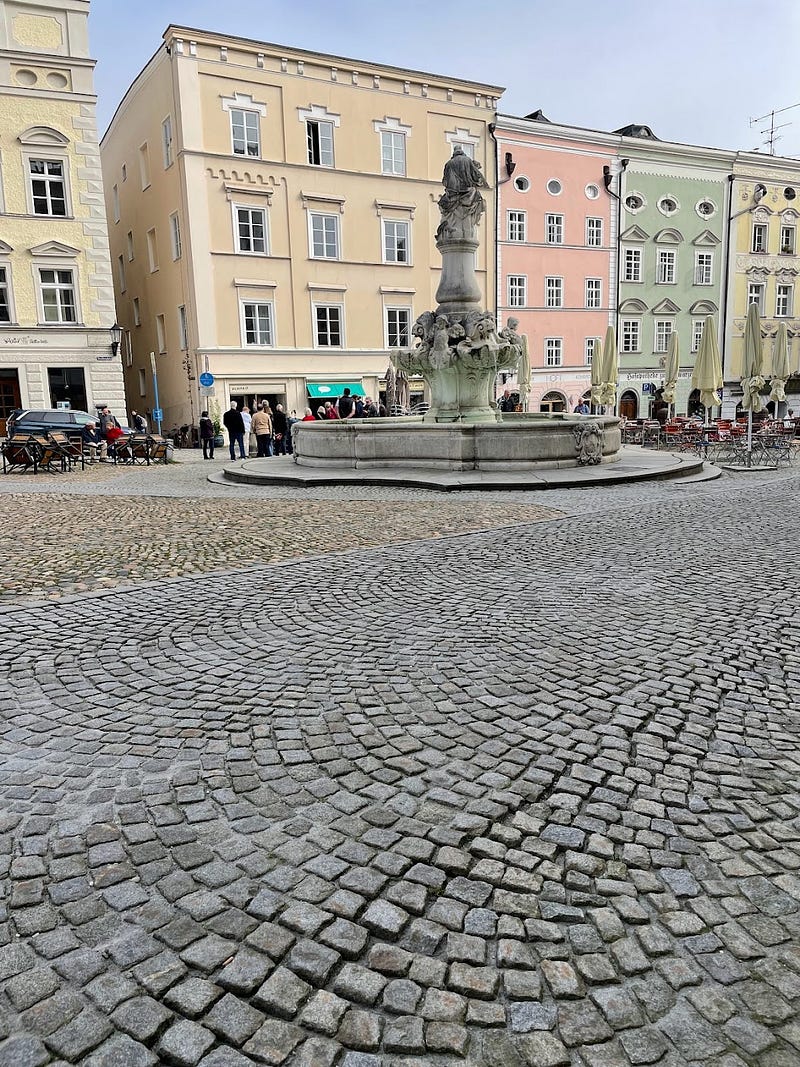
Centuries-old cobblestones in Passau. © Carol Labuzzetta, 2023.

And so they were. Nearly everywhere we walked, we walked on cobblestones that were centuries old.

Budapest, Vienna, Passau, Nuremberg, Bamberg, Wurzburg, Wertheim, Cologne, and Koblenz had centuries-old cobbled streets on which we walked.

I cannot say I noticed them in Budapest and Vienna. But once we got to Passau, Germany, I noticed.

Perhaps it was because I didn’t feel good that day.
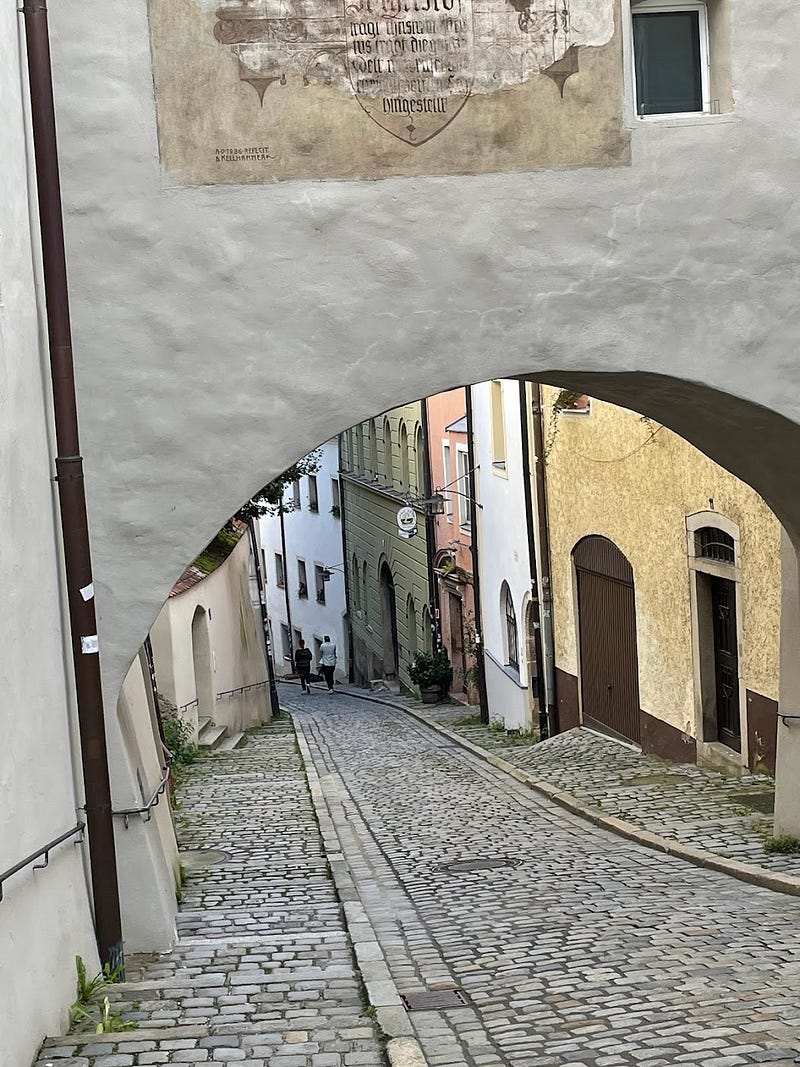
Perhaps it was because the streets were more like little alleys and by the time we got to the town square where the tour guide showed us the pharmacy, statues, and marks on the government buildings from past floods and high water, she also pointed out the cobblestones — from the 12th century — or so she told us.
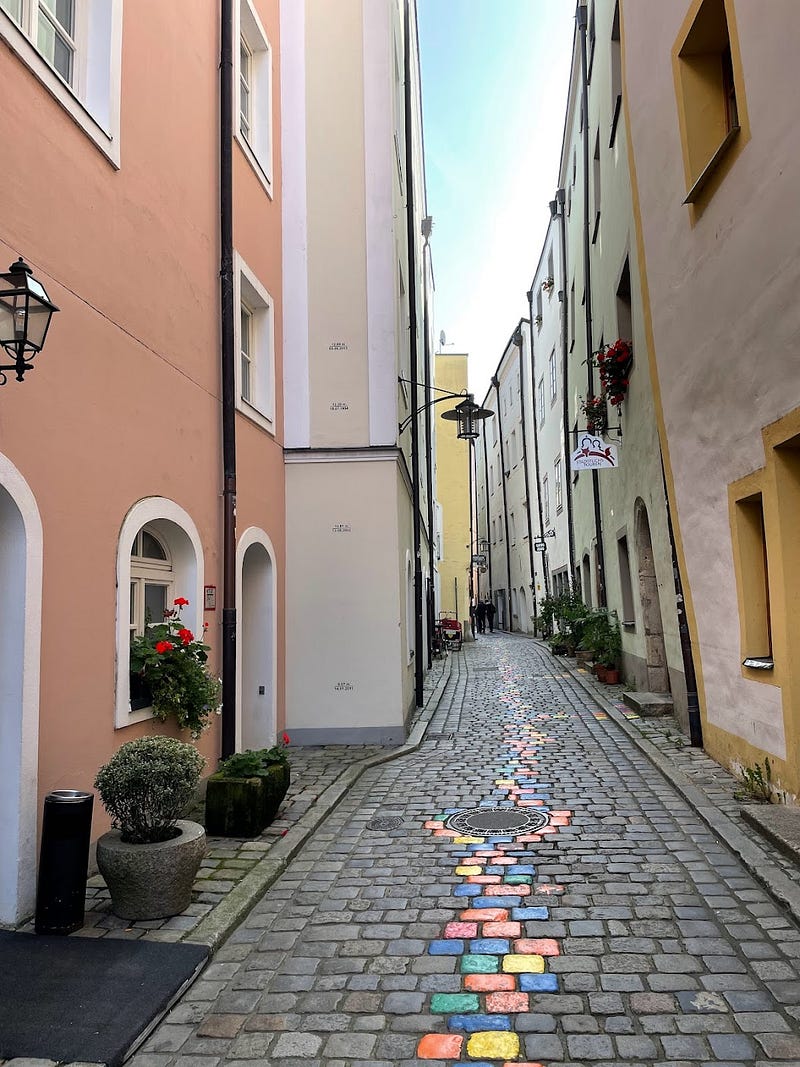
Hollgasse Artists Alley, Passau, Germany, 2023.

Cobblestones are everywhere in the old cities of Germany that line the hills along the Rhine River. They are walked on and driven on and stood the test of time.
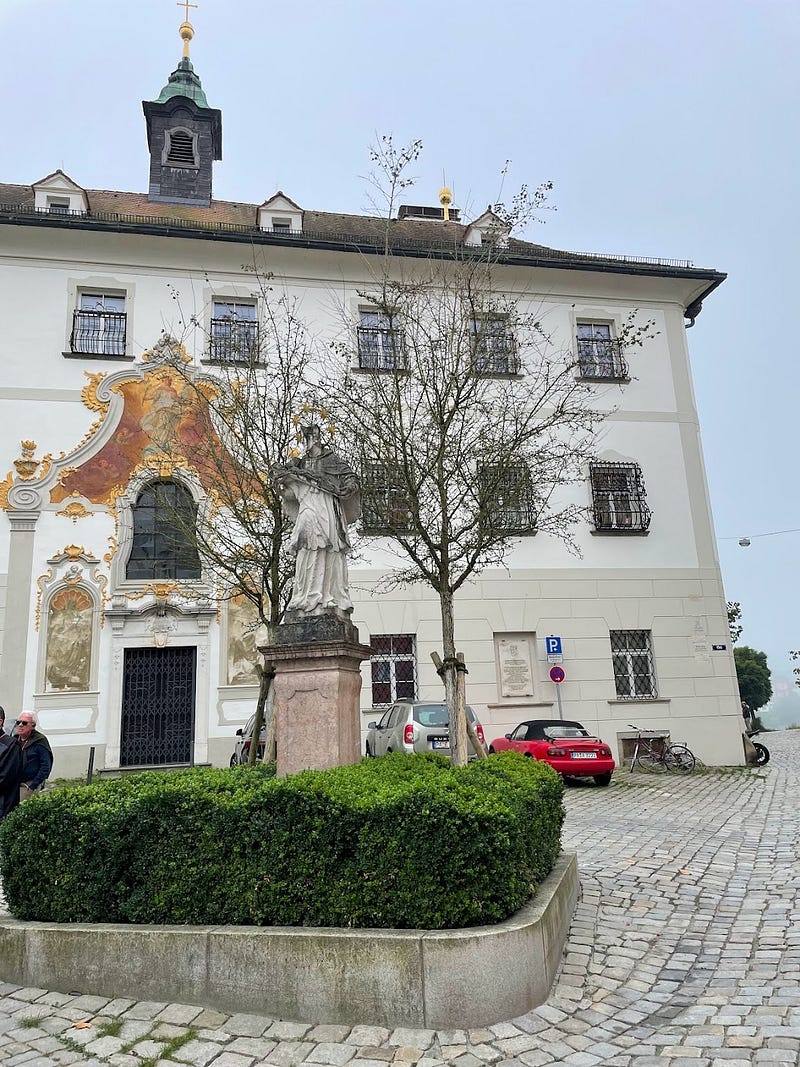
A building in Passau is bordered with cobbled streets and parking for patrons. © Carol Labuzzetta, 2023.

After wandering around Passau, we went back to the ship for lunch. My husband returned to this unique city, where three rivers meet, for more walking — seven miles to be exact.

The cobblestones didn’t bother our feet — which, after all my husband's walking, is surprising! So, they are not “the killers” we were told about.

Moving upriver, we stopped at both Nuremberg and Bamberg, both of which also have some cobblestone streets in the old sections of the cities.

Imagining the SS and other Nazi propagandizers not only wandering but also marching over those cobbles was frightening. But being medieval cities, there were other terrors on those streets long before the Nazis.

Nuremberg remains a walled city, not because it has to be, but because the wall shows a remnant of what life used to be like. When the city was rebuilt after WWII, the wall remained.

There are several squares in Nuremberg where people congregate. They all had cobblestones. We were there on a Festival Day — German Reunification Day and many locals were enjoying their day off by sitting on the cobblestones in the public areas to eat or have a beer.

It was nice to see a young, vibrant community mixing in the old city streets.
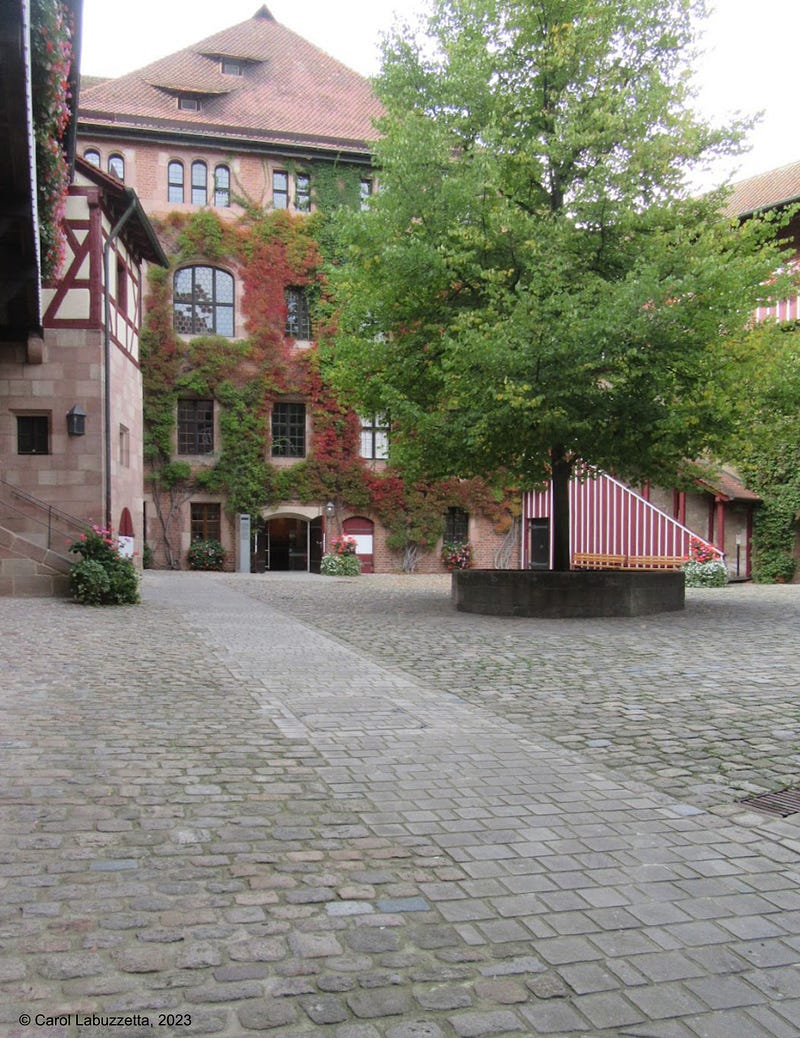
Nuremburg, Germany. © Carol Labuzzetta, 2023.

Near to, and inside, the walls of the old buildings are cobblestones. When you think of the times of destruction these cities experienced in their histories, such as during WWII, the cobbled roads were probably some of the only visible serving pieces of life from a gone-by era.
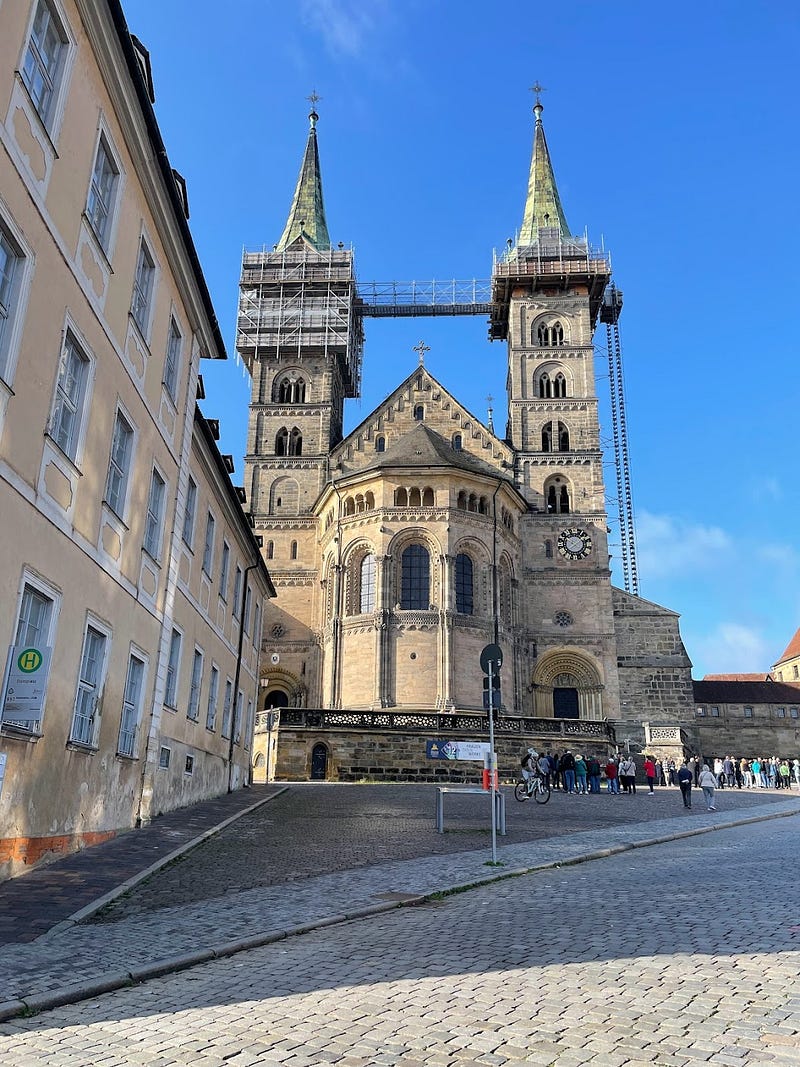
Bamberg Cathedral. © Carol Labuzzetta, 2023.

Bamberg Cathedral had cobblestones that served as both roadways and walkways. There were thousands. The stones can be uneven and one can catch the toe of your shoes or sneakers on them and cause you to trip.

It is important to have good walking shoes if one goes to tour these cities in Europe. Shoes that are closed-toe and comfortable for a day's worth of walking on the cobbles of time are what you need and what served us well.
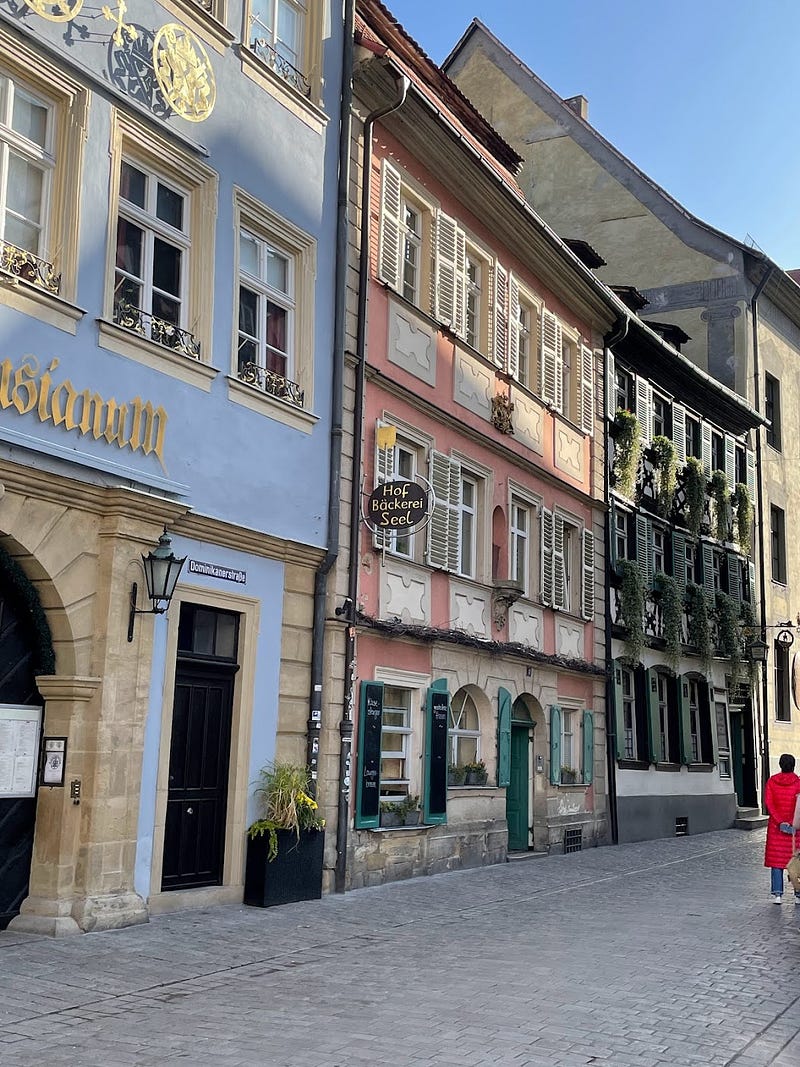
A Street in Bamberg, Germany. © Carol Labuzzetta, 2023

Bamberg did not suffer the same amount of damage from WWII bombings and remains a great representation of a medieval town. The old buildings are well preserved (it is a UNESCO Heritage site) and one can appreciate how life was centuries ago — centered around the church and in defense of the city.
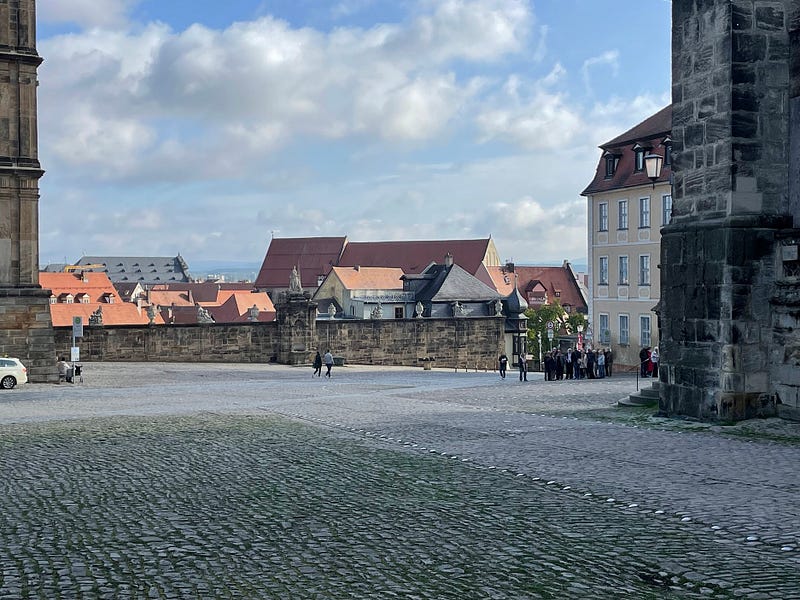
Bamberg, Germany. © Carol Labuzzetta, 2023.

Now, the cobblestones are worn and have moss growing between them in some areas. We didn’t encounter too many loose stones. Nor, did we trip.

Thankfully!
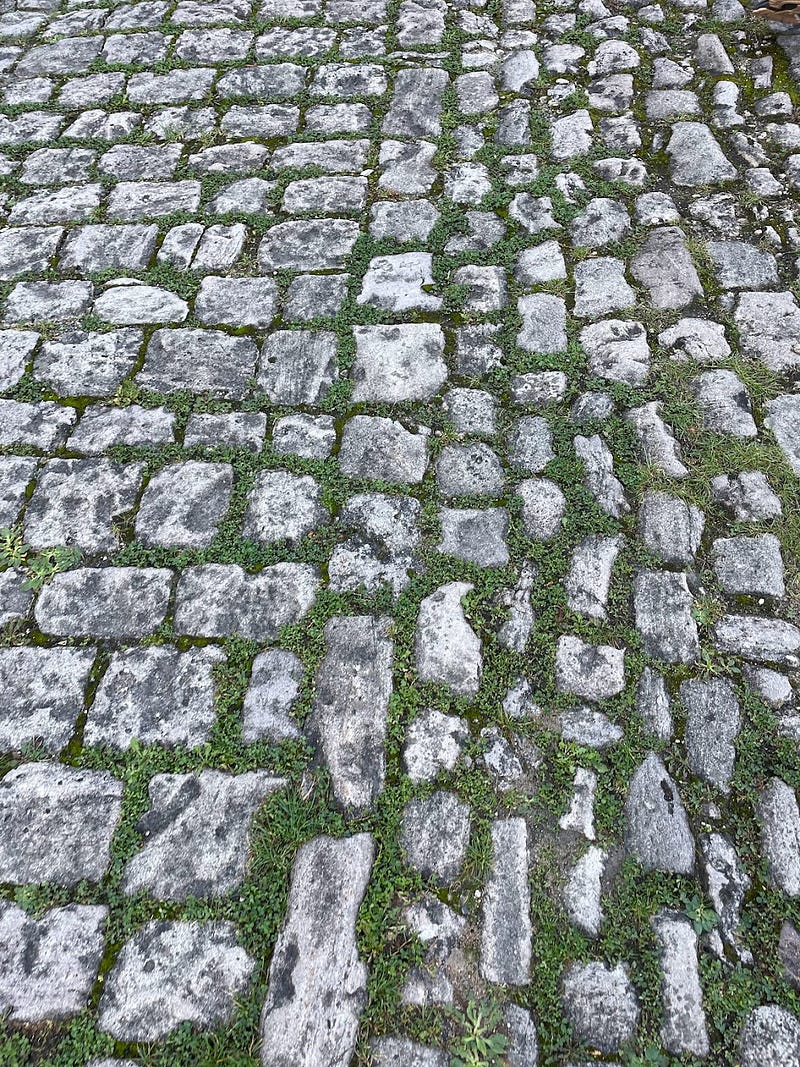
Cobblestones in Bamberg, © Carol Labuzzetta, 2023.

Cobblestones offered several advantages over dirt or wooden roads. One advantage was that they allowed horses traction. Another advantage was their ready availability near the great rivers of Europe.

The cobblestones are smoothed and rounded by water over the eons. By the time people retrieved them for roads, they were ready-made to be used!

Three, they didn’t crack and crumble due to the spacing left in between the stones — so less repair — and more durability.

And four, they were (are) placed by hand, needing no special equipment to put down. They went together like jigsaw pieces.

“The term cobblestone refers to the smooth, round shape of the stones that workers picked up in rivers and streams. Cobblestones were cheap and they were plentiful. They generally range between 2 and 10 inches in size.” — Source.

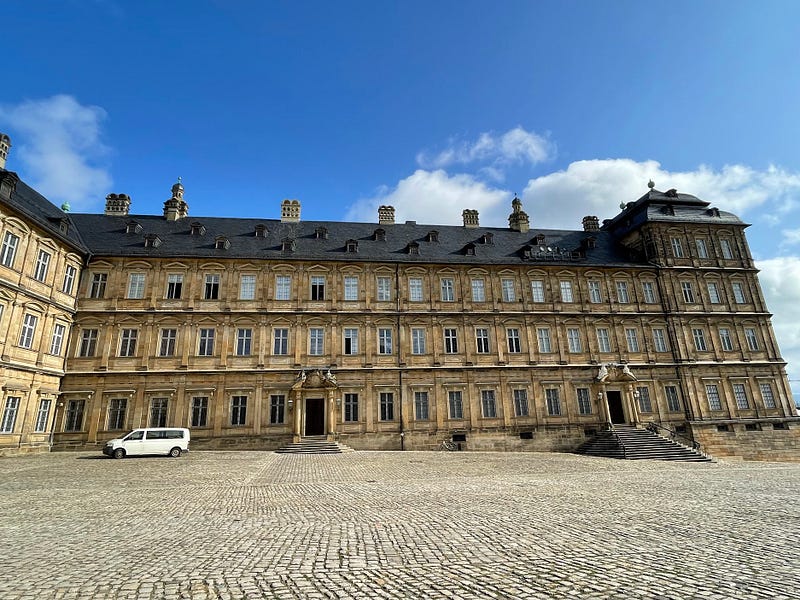
So whether you are visiting the Old Residence in Bamberg or the New Residence, the slanted side streets and artisan alley of Passau, or the ghostly walled city of Nuremberg, look for the cobblestones, they’ve lasted centuries!
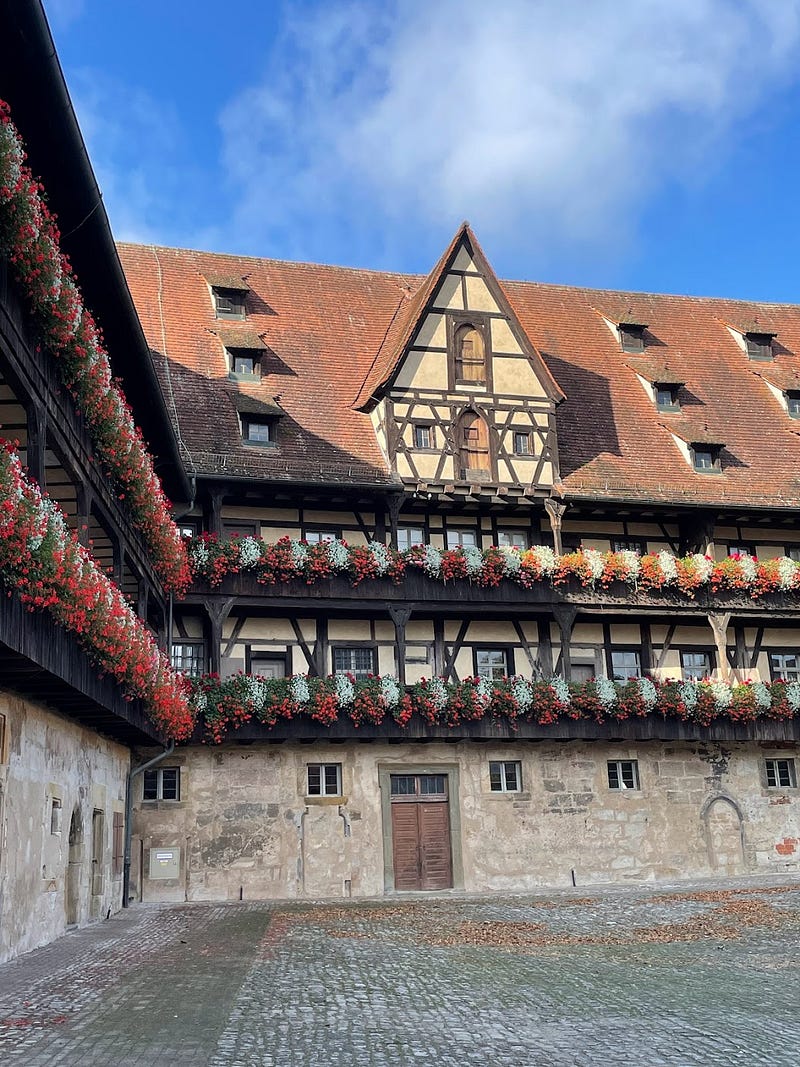
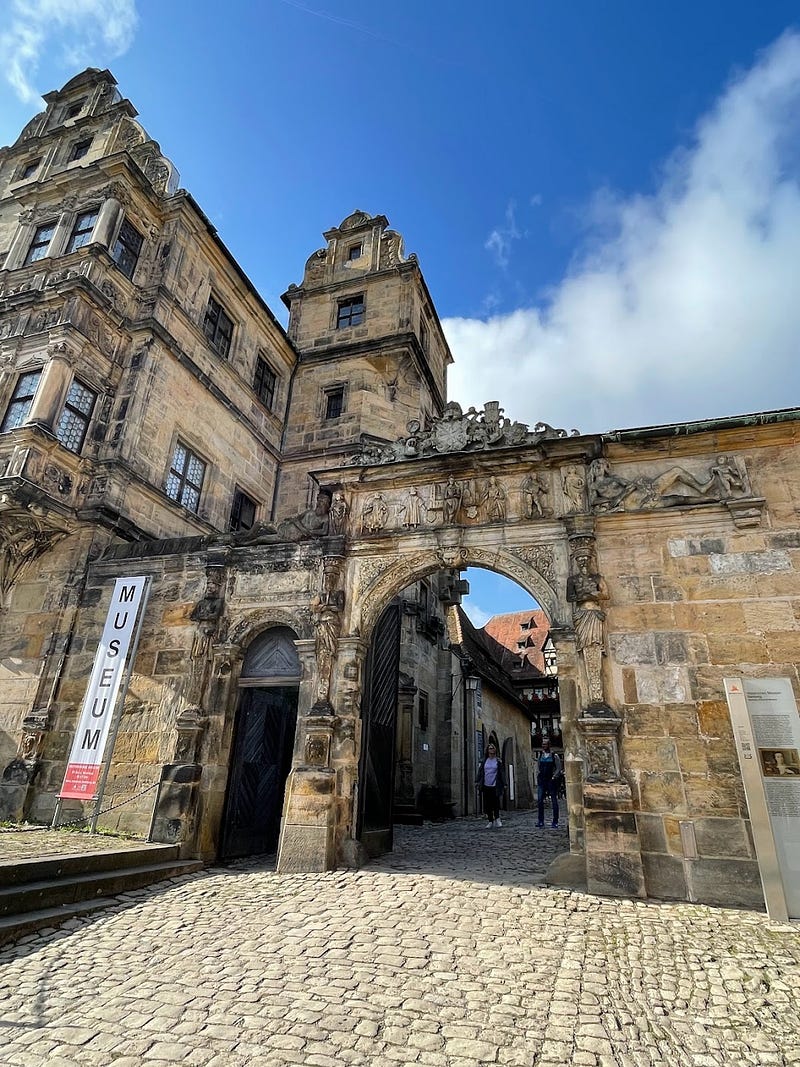
Cobblestones and palaces in Bamberg, Germany. © Carol Labuzzetta, 2023.

Just imagine the stories they could tell!

(Told to only those with good shoes!)

Travel
Society
History
Europe
Walking
Recommended from ReadMedium