
Co-author vs. Ghostwriter
What are they & how do they get paid?

I’ve been seeing more and more questions lately about what ghostwriting is, or ads looking for a ghostwriter but the way they write it is actually searching for a co-author.
So, let’s dive into the differences between a ghostwriter and a co-author.
It is important to know the differences between the two so that you know what you’re really looking for and how they differ. If you’re looking for a co-author to share the writing process with and split royalties, do not advertise for a ghostwriter. It’s a completely different relationship and process.
What are a ghostwriter and co-author?
A ghostwriter is a writer who is hired to write books, speeches, literary works, anything which is officially credited to another person.
A co-author is someone who jointly writes the book or paper WITH another author; both parties are actively writing and including their ideas. It is a partnership where both parties write and both have their name on the cover of the book.
The main three differences are the way ghostwriters and co-authors write the book, if they get credit, and how they are paid.
Examples of ghostwriting:
Famous examples of ghostwriting are when celebrities hire a ghostwriter to write books under the celebrities’ names or speechwriters for political figures. Some lesser-known examples of ghostwriting are CEOs and brand owners hiring ghostwriters to write their e-books, companies having people writing for their blogs as ‘ghosts’ and putting the blogs in employee’s names, and companies hiring social media managers to write posts under the corporate brand name, not as themselves.
Specific examples of ghostwritten books:
- The Babysitter’s Club was written by Ann. M. Martin for the first 35 books and then written by Peter Lerangis after that, with the books still published under Martin’s name.
- The Animorph’s series was written by K.A. Applegate for the first 24 books and then written by ghostwriters after that for the next 27 books. She was transparent about this and even thanked the ghostwriter in her books.
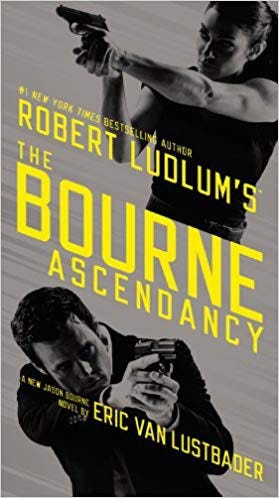
- Eric Van Lustbader ghostwrote the Jason Bourne series after Robert Ludlum died in 2001 — and his name is on the cover.
Examples of co-authored books:
- Good Omens by Neil Gaiman and Terry Pratchett
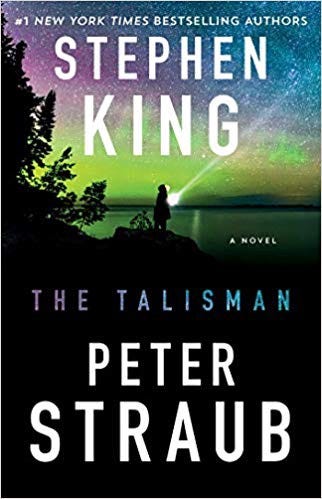
- The Talisman by Stephen King and Peter Straub
- Pendergast series, by Douglas Preston and Lincoln Child
- House of Night series by P.C. Cast and Kristin Cast
How does ghostwriting work?
I ghostwrite both books and articles for clients. It’s not as if the author just says “I want to write a book about marketing, go!”
It’s a lot more involved than that.
The top two reasons someone hires a ghostwriter is that they have a lot of content and great ideas but either they are not good writers or simply don’t have the time to devote to writing a book.
So, they hire someone to take their outline, all of their notes and ideas, whatever they’ve written so far, and put it all together in a cohesive book.
The ghostwriter talks to the author regularly to get more information, ask questions, dig deeper, and then I keep writing until there is a full manuscript.
The author then goes over it with a fine-tooth comb to make sure the content is correct and accurate and conveys the message they are trying to get out there, as well as make any additions or changes.
Once the author approves it (they have full creative control), the manuscript is ready to go to an editor.
This process can take weeks or months.
Basically, a ghostwriter is not coming up with and writing their own book based on their expertise and experience. They are TAKING someone else’s expertise and experience and writing it down in a way that makes sense.
How does co-authoring work?
This varies from partnership to partnership. In most cases, the authors come up with the ideas and entire outline together and both have a lot of say in how the book will go and what they will include.
In some cases, they may split it by chapter and have each author working on different chapters of the story but working from the same outline and overall writing style and ideas.
In some cases, they actively work together in one room with one typing and both bouncing ideas back and forth. In others, they are writing it one chapter at a time and trading the chapter back and forth until they are both happy with it.
It depends on the partnership and how they work best together.
How do ghostwriters and co-authors get paid?
Ghostwriters typically sign an NDA (non-disclosure agreement) so they are not advertising their work on the book, and get paid an upfront flat rate.
Rates are generally calculated by how much time the ghostwriter thinks it will take times their hourly rate.
Contracts are signed and typically the full amount is paid upfront.
Ghostwriters DO NOT GET ROYALTIES or their names on the book cover (in most cases). They charge an upfront flat rate to get paid on the front end, not on “potential sales.” There is no guarantee of those.
Co-authors are not paid upfront. All parties are active authors of the book and get full credit and usually, two or more co-authors split any publisher advance money, royalty money, and/or merchandise money. Co-author partnerships also have a contract stating who gets what and how things are split.
They don’t get paid for the writing process, they get paid on the back end after the book is complete and published.
Sign up for my mailing list for writing and freelancing news and information.
Other stories you may like:


