Summary
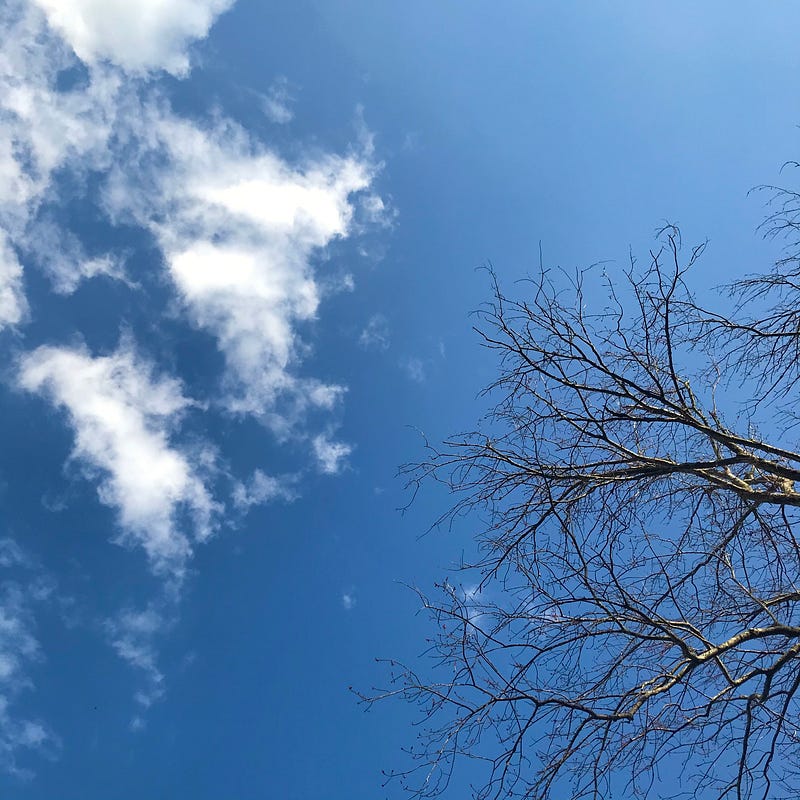
The content reflects on the psychological reasons behind our tendency to see things that are not physically present, using the imagery of a cloud interacting with a silver maple tree as a metaphor for this phenomenon.
Abstract
The poem "Cloud to the Silver Maple" delves into the human perception of reality, questioning why we often see things that aren't there upon closer inspection. It suggests that these imaginings serve a psychological purpose, perhaps fulfilling a need for connection or wonder. The poem describes a scene where a white cloud, personified, greets a leafless silver maple tree, symbolizing the beginning of spring and the end of winter's blur. The tree, glad to see its "misty fair weather friend," reaches out, either to embrace the cloud or simply to wave goodbye as it drifts away. The observer concludes that the reality of this interaction is not as important as its impact on the observer, as the tree, the cloud, and the thoughts they inspire feel very real.
Opinions
- The author implies that our perceptions are deeply intertwined with our psychological needs, suggesting that imagination plays a role in how we interpret the world.
- There is a sense of personification in the interaction between the cloud and the tree, which conveys a belief in the life and movement within nature, beyond what is tangible.
- The poem reflects an appreciation for the beauty in fleeting moments and the importance of being present to witness them, regardless of their physical reality.
- The text seems to celebrate the idea that the emotional or subjective reality can be just as valid as the objective one.