
Humanity
Cloning of the Human beings: An utterly controversial subject and discordant with Human Individuality.
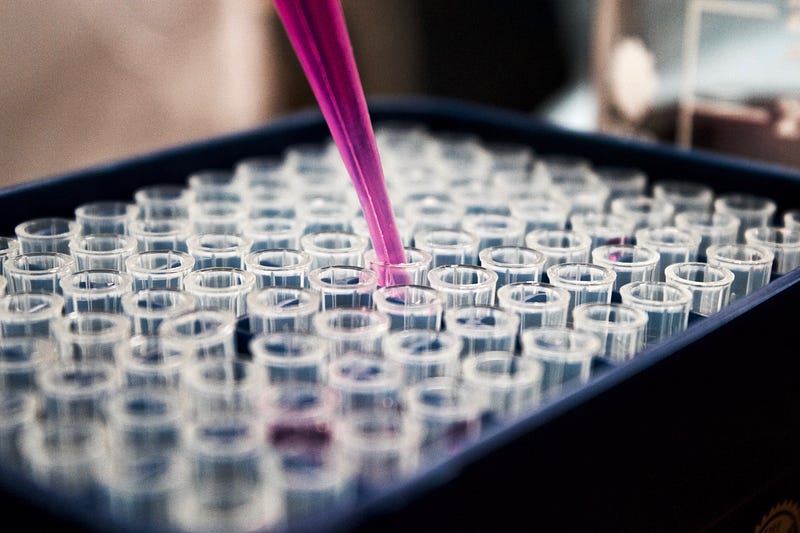
Self-preservation and propagation of genes is an innate instinct in every organism and being in the world. Such drive occasionally becomes even more pronounced in the various realms of the animal kingdom. For instance, a male lion will often try to kill the lion litters born to another male lion to mate with the female, hoping to mate with the mother during the next mating cycle.
Human fascination with self, self-preservation, and their drive to pass their genetically driven traits along the generational chain are neither alien to our social sphere.
Amidst many historical patterns of how humans have tried to position their genetic heritage in the social dominion, cloning has gained unprecedented attention both from negative and positive perspectives.
The word "cloning," as it was described initially by ancient Greek, "making an identical copy," refers primarily to the "Asexual replication of an organism.”
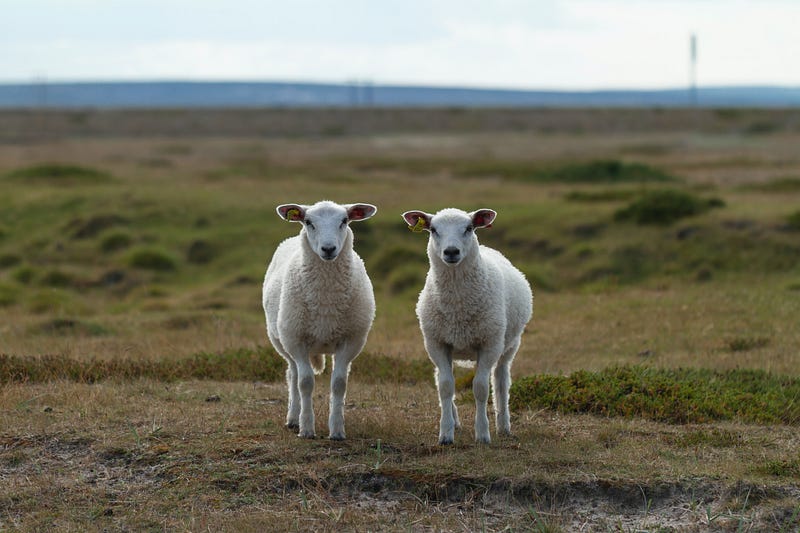
Cloning has been chronologically used in various spheres of biological research. A cloned organism contains the DNA molecule of cells with genetically identical structures. One prominent example of natural cloning phenomena occurs in Honey bees, where they reproduce by cloning. Throughout the lifetime, the queen bee mates one time. After, eggs propagate in the queen via a cloning process up to thousands of eggs, thus, hatching into bees.
Joshua Lederberg was an American molecular biologist recognized for microbial genetics, artificial intelligence, and the United States space program. He earned the 1958 Nobel Prize in physiology and biology for realizing that bacteria can mate and exchange genes (bacterial conjugation), which sparked genetic engineering development. Nonetheless, Lederberg only advocated cloning as a subject of speculation in the 20th century. But scientists and several scholars started to take his theories to the next level in the mid-1960s. Later, James D. Watson, another pioneer in Molecular biology, publicized the potential and the perils in 1971.
With the cloning "Dolly the Sheep," by Keith Campbell, Ian Wilmut, and colleagues at the Roslin Institute and the biotechnology company PPL Therapeutics in Edinburgh, Scotland, using somatic cell nuclear transfer (SCNT), the idea of cloning humans has become a hot debate subject.
Human beings and their fascination with self-Preservation and Self-Propagation
History is not alien to human self-preservation and self-propagation, as I mentioned earlier. The ancient philosophers have long correlated the idea of love with the concept of self. As Plato states:
“Love is a form of seeking immortality for oneself.”
“Men who are ‘pregnant only in the body’ seek out women, with whom they can produce merely mortal offspring.”
Aristotle might say, 'other little themselves.' But men who are 'pregnant in the soul,' like Homer and Hesiod, are more fortunate: they can produce genuinely immortal offspring, poems like the Iliad and Odyssey, which promise their fathers everlasting glory and remembrance (Symposium 206b – 209e).
Self-preservation behavior or a set of behaviors ensures human survival. It is universal among all living against pain, fear, and ailments. Although that is fair under the living circumstances, it's a radical tributary; self-propagation is often deemed unethical and pretentious. For instance, incest was not unusual during the medieval era, particularly among emperors and elites. Although ancient Romans, unlike their Egyptian counterparts, prohibited incest by regarding it as "nefas," meaning, against divine law." The average Roman was forbidden to marry or have sex with anyone closer than a cousin. But compromises were made for the respectable Roman or a member of the imperial family.
Julia Agrippina, the Younger, was a Roman empress and One of the most prominent women in the Julio-Claudian dynasty. She is known for being the sister, niece, and mother of emperors. She is also reputed to have had sexual relations with her brother and son- and married her uncle.
Tales about incestuous practices, especially those between siblings, have been deciphered as exemplifying creation misconceptions based on the idea that the only way to populate the earth would have been through incest at the beginning of time. But incest, as described earlier, was more about "keeping it in the family" or protesting the "particular selves."
Clearly, Human self-propagation was about promoting the feudal families’ genetic and wealthy heritage.
Biological basis of Self-Preservation and passing on the Genes
Humans are social animals. They are biological creatures, such as crocodiles, cougars, and capybara. They are the upshot of millions of years of fruition, the physical make-up of humanity, and the changes that made them fitter to survive and reproduce. Yet still, humans possess complex social structures. The clutter of biology and society makes humans what we are and do what they do.
Human Cloning is the embodiment of utmost Self-Propagation
As the means of creating a genetically identical copy or reproduction of human cells and tissue, human cloning is far from the natural conception and delivery of identical twins. That is why cloning has raised numerous controversies urging various governments to ratify statutes regarding its legality.
Within the chaotic milieu of human cloning ethics, we can find not such a clear delineation between human propagation, human self-preservation, and human enhancement.
The probability of human enhancement has particularly enticed considerable scrutiny from scholars, the media, and policymakers alike.
Suppose a patient can ask a doctor to ensure that their medicine using cloned tissue has an enhancing rather than simply reparative effect. In that case, the role of treatment and health care and the relationship between the doctor and patient change broadly. And if not dealt with correctly, it can be the instrument of potential abuse within societies, just like ancient ancestry practices.
Irrespective of the primary intention, Human cloning is self-centered and is just another selfish form of breeding.
Science and technology will continue to outpace the ability of society to appreciate the ramifications of human cloning, and the extent to which we accept cloned humans depends on how much we can condone their utility.
Indeed, cloning would sabotage our sense of individuality or uniqueness. It would undermine the value of human beings.
There are sundry potential benefits to human cloning. That is only if exclusively exploited within the tissue regeneration and transplant framework. Yet the intricacy will be not the technological and the humanitarian aspect of human cloning as it will be the fascist diversion of humanity and further fall of individuality.