avatarSourabh Jain

Free AI web copilot to create summaries, insights and extended knowledge, download it at here

793

Abstract

t “the number of tropic cyclones that intensify from a Category 1 hurricane (or weaker) into a major hurricane within 36 hours has more than doubled in the modern era relative to the historical era”.</p><p id="50ca" type="7">The major finding of a study published last week was that the number of tropic cyclones that intensify from a Category 1 hurricane (or weaker) into a major hurricane within 36 hours has more than doubled in the modern era relative to the historical era</p><p id="fae8">Then, I stumbled on <a href="https://www.washingtonpost.com/weather/2023/10/25/hurricane-otis-forecast-category5-surprise/">an article</a> (paywalled), published on 25th October 2023, in the Washington Post on the coverage of Otis hurricane in some parts of Mexico. The headline, which caught my att

Options

ention, was “How Hurricane Otis stunned forecasters with its leap to a Category 5”. The hurricane intensified from Category 1 to Category 5 within 24 hours, ‘stunning’ every weather expert and proving all weather forecasting models wrong by a large margin.</p><p id="ac1a">This was one of the most ‘strange’ moments since I began reading about climate change. Never before in my life, a climate science finding became so palpable and an omen so quickly. I feel that climate change is happening so fast that it is blurring the lines between long-term climate foresight and short-term weather forecast.</p><p id="a739" type="7">I feel that climate change is happening so fast that it is blurring the lines between long-term climate foresight and short-term weather forecast.</p></article></body>

Climate Science Foresight Coming True in Real Time

The speed of climate change seems to be blurring the lines between climate foresight and weather forecast
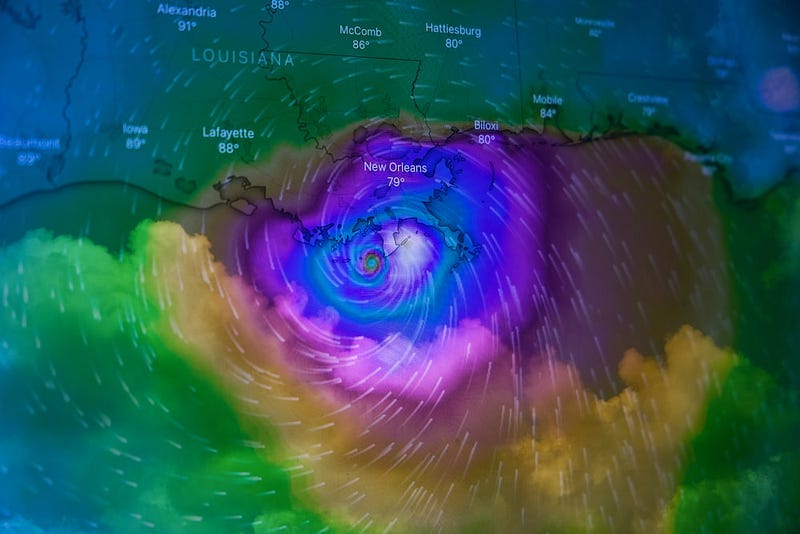
Photo by Brian McGowan on Unsplash

This is a short but important post about my experience of eco-anxiety and solastalgia.

A few days ago — on 19th October 2023, a new research was published in Nature Climate Change. The significant finding of the article was that “the number of tropic cyclones that intensify from a Category 1 hurricane (or weaker) into a major hurricane within 36 hours has more than doubled in the modern era relative to the historical era”.

The major finding of a study published last week was that the number of tropic cyclones that intensify from a Category 1 hurricane (or weaker) into a major hurricane within 36 hours has more than doubled in the modern era relative to the historical era

Then, I stumbled on an article (paywalled), published on 25th October 2023, in the Washington Post on the coverage of Otis hurricane in some parts of Mexico. The headline, which caught my attention, was “How Hurricane Otis stunned forecasters with its leap to a Category 5”. The hurricane intensified from Category 1 to Category 5 within 24 hours, ‘stunning’ every weather expert and proving all weather forecasting models wrong by a large margin.

This was one of the most ‘strange’ moments since I began reading about climate change. Never before in my life, a climate science finding became so palpable and an omen so quickly. I feel that climate change is happening so fast that it is blurring the lines between long-term climate foresight and short-term weather forecast.

I feel that climate change is happening so fast that it is blurring the lines between long-term climate foresight and short-term weather forecast.

Climate Change
Foresight
Weather Forecasts
Climate Research
Solastalgia
Recommended from ReadMedium