avatarTessa Schlesinger - traveler, atheist, reader.

Free AI web copilot to create summaries, insights and extended knowledge, download it at here

2914

Abstract

ls for each outside wall — cavity walls. This means there is air flow between them.</p><div id="5749" class="link-block"> <a href="https://www.claybrick.org/tn37-how-build-water-tight-thermally-efficient-cavity-wall"> <div> <div> <h2>TN#37 How to build a water-tight, thermally-efficient cavity wall</h2> <div><h3>TN#37 How to build a water-tight, thermally-efficient cavity wall A cavity wall is two masonry walls separated by an…</h3></div> <div><p>www.claybrick.org</p></div> </div> <div> <div style="background-image: url(https://miro.readmedium.com/v2/resize:fit:320/0*RsVsGJ2Z_NKHH9l6)"></div> </div> </div> </a> </div><figure id="ed46"><img src="https://cdn-images-1.readmedium.com/v2/resize:fit:800/1*fnwgiUjFULpvnLoCJaRdAQ.png"><figcaption>Examples of cavity walls. Own collage.</figcaption></figure><h1 id="101d">Airflow through the home</h1><p id="36b1">It’s important for cool air to flow through the home. This can be done through vents in the walls which allows air to come in from outside, flow through the cavity walls which allows the air to cool down (or warm up in winter), and then flow into the home from a vent.</p><figure id="3f0e"><img src="https://cdn-images-1.readmedium.com/v2/resize:fit:800/1*N8AxzfPM5Lkq87MDWOQp0w.png"><figcaption>Air vent built into a wall. Own artwork.</figcaption></figure><p id="d513">The idea of the air vent built into the outer wall is that air flows in, cools down, and then flows into the home from the indoor vent. However, the vents are not opposite to each other. They are at opposite ends, so that the air has time to cool down.</p><h1 id="5633">Steal metal shutters from Portugal!</h1><p id="7573">The most efficient blinds (window coverings) I have ever seen were in Portugal. They are generally made of aluminum. When you close them, there is a complete blackout. You can leave some of it open, and then they will let light in. However, they block out all sorts of weather as well — particularly heat. I would think that in a hurricane, they would also stand up better than our conventional blinds and curtains.</p><figure id="0213"><img src="https://cdn-images-1.readmedium.com/v2/resize:fit:800/1*V6kOKR05KZ6k-sNRldslPA.png"><figcaption>Aluminium shutters for windows in Portugal. Own collage.</figcaption></figure><h1 id="c4df">Double glazed windows</h1><p id="3c76"><a href="https://www.homedit.com/windows/energy-efficient/double-pane-windows/#">Double glazed windows</a> not only block out the cold — they also insulate against the heat. Also, while it is tempting to have large windows to enjoy the view, rather have many small windows. The less surface there is for heat to penetrate, the better. Small window panes can look very pretty.</p><figure id="9298"><img src="htt

Options

ps://cdn-images-1.readmedium.com/v2/resize:fit:800/1*S89HjTbdBLwTngXO1zRhpg.png"><figcaption>Smaller window panes. Own collage.</figcaption></figure><h1 id="c87c">The roof</h1><p id="b0a8">A light color roof will reflect the heat back to where it came from. You can also use the same type of insulation that you would use to prevent the cold from creeping in. Terracotta tiles are great. They are made of clay, and they keep the heat out.</p><h1 id="68eb">Ceiling fans</h1><p id="9a04">Keep in mind that when it gets terribly hot, air conditioners will use a lot of energy. It’s best to have a ceiling fan which you can switch on or off as you need to. If the electricity grid is overloaded and goes down, it’s best to draw down the shutters.</p><h1 id="3875">Fabric in the home</h1><p id="f95a">Some fabrics work better in the heat than others. These include wool, linen, and cotton. So it’s best to have cotton sheets and a wool fabric on your sofa. The wool will not get sweaty when you sit on it. Leather, on the other hand, can get sticky.</p><h1 id="516e">Water tanks</h1><p id="309d">It’s become normal in South Africa for every home to have its own water tank. Water is still piped in through the government waterworks. However, lessons have been learnt. So rain tanks are the norm for all homes. If nothing else, as the rivers dry up, you may have some water in your tank.</p><h1 id="971f">Greenery</h1><p id="e818">As the climate gets hotter, it may get so dry that some areas will be in perpetual drought. When that happens, it’s difficult to grow trees that require a lot of water. However, greenery provides shade, and there are options.</p><p id="493a">You will need to look for drought tolerant trees if you are living in a dry environment, and trees adapted to a more humid climate if the heat is both wet and hot.</p><p id="3b91">However, keep in mind that weather will not only become hotter but stormier as well. It’s not advisable to grow the trees close to the home. Rather grow them to surround the property.</p><h1 id="e75f">Shelter from climate change</h1><p id="d63d">Climate change will make some places hotter and other places cooler. Where I am (Ireland), it will become cooler. You will need to adapt your home to suit the particular weather in your area. Be aware, though, that weather will become increasingly unpredictable, and it is best to have a home that will withstand all types of weather.</p><p id="6159"><i>If you enjoy my stories, please would you consider ‘buying’ me a cup of coffee at <a href="https://ko-fi.com/tessaschlesinger">Ko-fi for $3</a>. Writing is my only means of survival, and I would greatly appreciate your kindness. Alternatively, if you’d like to contribute to me on a monthly basis, you can do so at either <a href="https://ko-fi.com/tessaschlesinger">Ko-fi </a>or <a href="https://www.patreon.com/TessaSchlesinger">Patreon</a>.</i></p></article></body>

Climate Change: Heat Resistant Homes

As the temperature heats up, it’s a good thing to make your home a shelter from the heat.
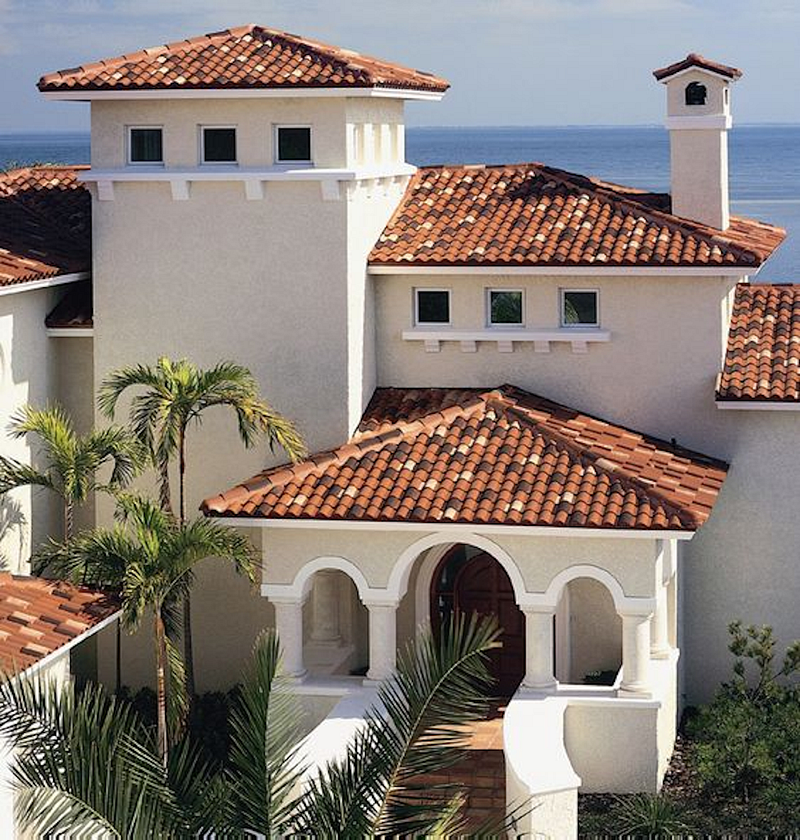
A home built to withstand the sun — brick, verandah, small windows, clay roof. Picture

Years ago, in an architecture class, I remember our professor saying that we don’t need air conditioning — that the home can be designed in a way that drafts flow through, thus cooling the house. I also remember, many years later, living in Spain during a 108 degree heat wave, that there was no such thing as an air conditioner! Instead, it seemed to be popular to wet sheets, then hang them in open doorways and windows, and let the resulting cool breeze flow through the habitat.

As there are now extreme heatwaves in many countries, and as the electricity grid is not always going to be reliable, it’s probably best to start planning how to have a cool home.
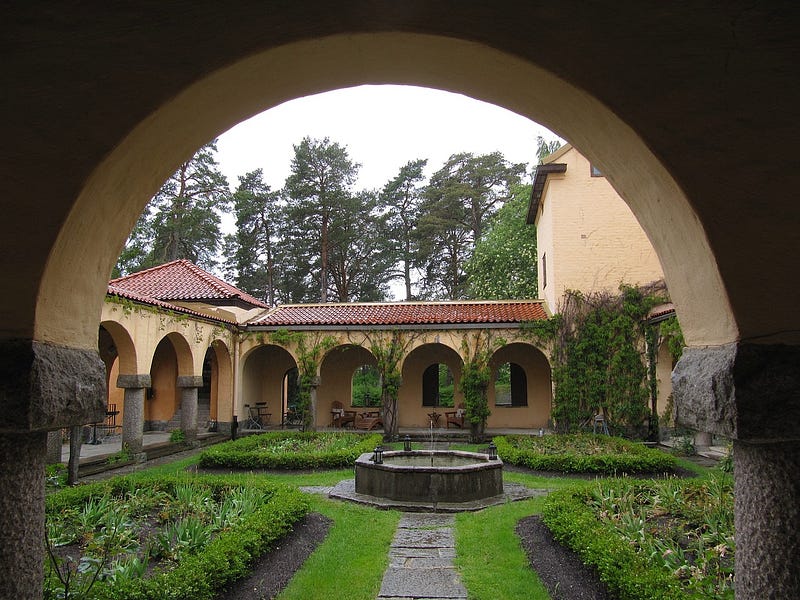
Home with courtyard. Pixabay

Size and shape of homes in a hot climate

The more air there is in a home, the more energy is required to cool it. So it’s best to have smaller homes. If more space is needed, rather have several smaller rooms than one big space.

A popular shape for homes in hot climates is to have the home surround a courtyard. If you look at both Spanish and Italian homes, this is common practice — even in ancient Rome. As a consequence of four walls surrounding the courtyard, except for when the sun is directly above, one or two of the walls will always provide some shade.

Another consideration is always to have a porch with overhead roof, surrounding the house. This serves two purposes. It protects the walls of the home from the heat of direct sunlight, and it provides a shady outdoor place to get fresh air without sweltering in terrible heat.
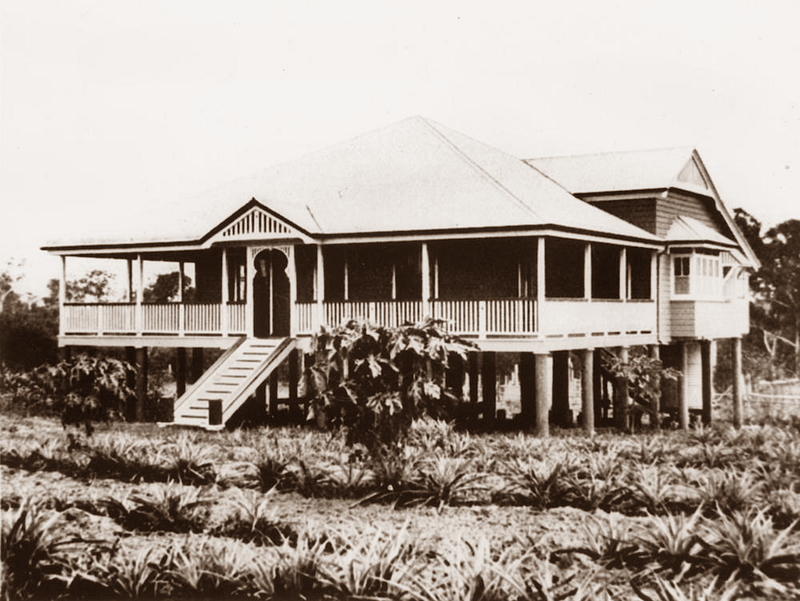
A house from a century ago in Queensland, Australia. It is built to provide shade in the hot sun. Wiki

Cavity walls built with brick

The best building material for homes to keep the heat outside (and the warmth inside during winter) is brick. It’s also important for there to be two walls for each outside wall — cavity walls. This means there is air flow between them.
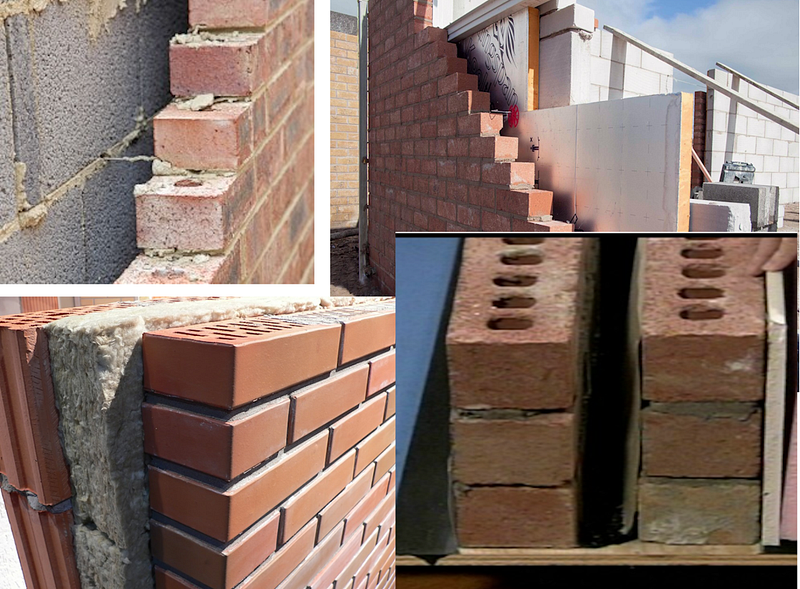
Examples of cavity walls. Own collage.

Airflow through the home

It’s important for cool air to flow through the home. This can be done through vents in the walls which allows air to come in from outside, flow through the cavity walls which allows the air to cool down (or warm up in winter), and then flow into the home from a vent.
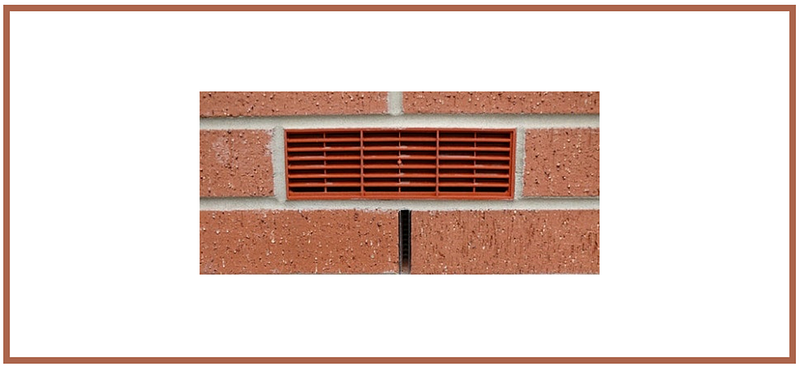
Air vent built into a wall. Own artwork.

The idea of the air vent built into the outer wall is that air flows in, cools down, and then flows into the home from the indoor vent. However, the vents are not opposite to each other. They are at opposite ends, so that the air has time to cool down.

Steal metal shutters from Portugal!

The most efficient blinds (window coverings) I have ever seen were in Portugal. They are generally made of aluminum. When you close them, there is a complete blackout. You can leave some of it open, and then they will let light in. However, they block out all sorts of weather as well — particularly heat. I would think that in a hurricane, they would also stand up better than our conventional blinds and curtains.
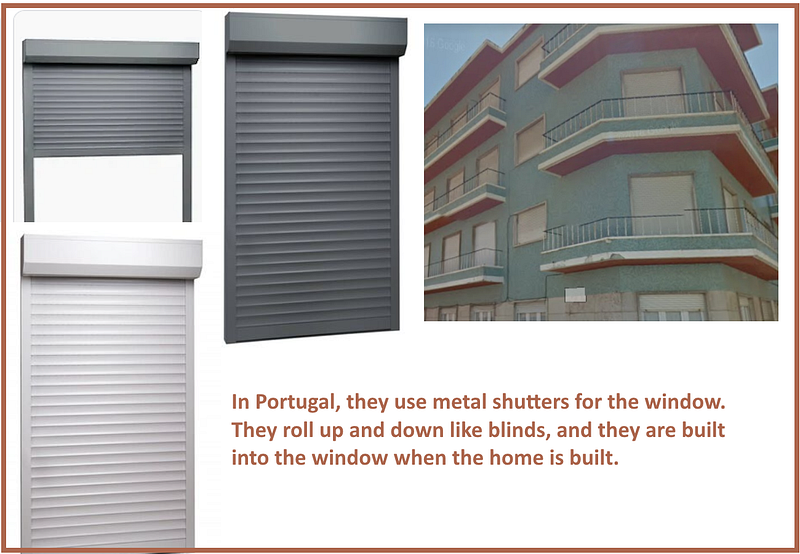
Aluminium shutters for windows in Portugal. Own collage.

Double glazed windows

Double glazed windows not only block out the cold — they also insulate against the heat. Also, while it is tempting to have large windows to enjoy the view, rather have many small windows. The less surface there is for heat to penetrate, the better. Small window panes can look very pretty.
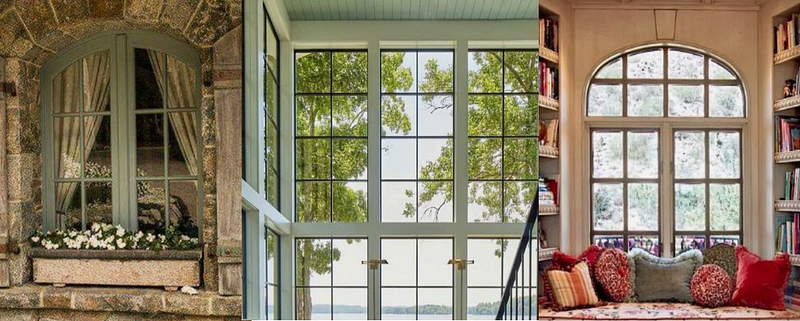
Smaller window panes. Own collage.

The roof

A light color roof will reflect the heat back to where it came from. You can also use the same type of insulation that you would use to prevent the cold from creeping in. Terracotta tiles are great. They are made of clay, and they keep the heat out.

Ceiling fans

Keep in mind that when it gets terribly hot, air conditioners will use a lot of energy. It’s best to have a ceiling fan which you can switch on or off as you need to. If the electricity grid is overloaded and goes down, it’s best to draw down the shutters.

Fabric in the home

Some fabrics work better in the heat than others. These include wool, linen, and cotton. So it’s best to have cotton sheets and a wool fabric on your sofa. The wool will not get sweaty when you sit on it. Leather, on the other hand, can get sticky.

Water tanks

It’s become normal in South Africa for every home to have its own water tank. Water is still piped in through the government waterworks. However, lessons have been learnt. So rain tanks are the norm for all homes. If nothing else, as the rivers dry up, you may have some water in your tank.

Greenery

As the climate gets hotter, it may get so dry that some areas will be in perpetual drought. When that happens, it’s difficult to grow trees that require a lot of water. However, greenery provides shade, and there are options.

You will need to look for drought tolerant trees if you are living in a dry environment, and trees adapted to a more humid climate if the heat is both wet and hot.

However, keep in mind that weather will not only become hotter but stormier as well. It’s not advisable to grow the trees close to the home. Rather grow them to surround the property.

Shelter from climate change

Climate change will make some places hotter and other places cooler. Where I am (Ireland), it will become cooler. You will need to adapt your home to suit the particular weather in your area. Be aware, though, that weather will become increasingly unpredictable, and it is best to have a home that will withstand all types of weather.

If you enjoy my stories, please would you consider ‘buying’ me a cup of coffee at Ko-fi for $3. Writing is my only means of survival, and I would greatly appreciate your kindness. Alternatively, if you’d like to contribute to me on a monthly basis, you can do so at either Ko-fi or Patreon.

Climate Change
Home
Heat
Weather
Help
Recommended from ReadMedium