Summary
"City Seas" is a poem that metaphorically transforms the noises of a bustling city at night into the sounds of a seaside harbor, evoking a serene and contemplative atmosphere.
Abstract
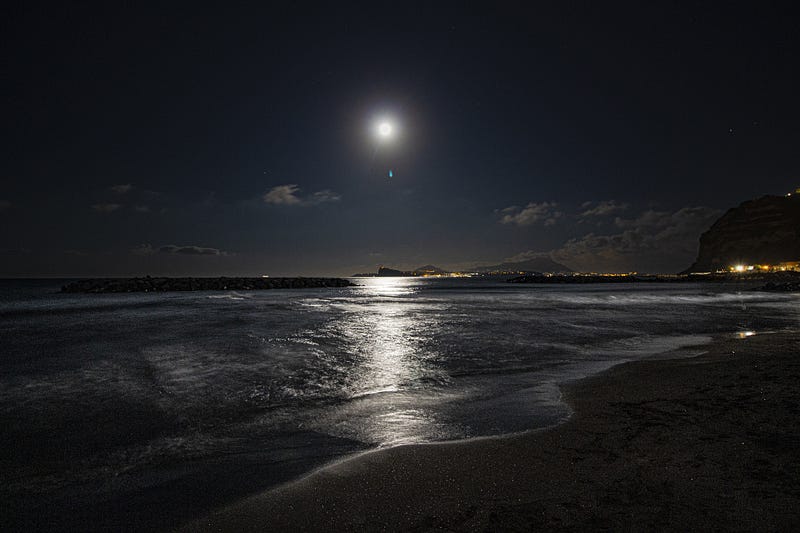
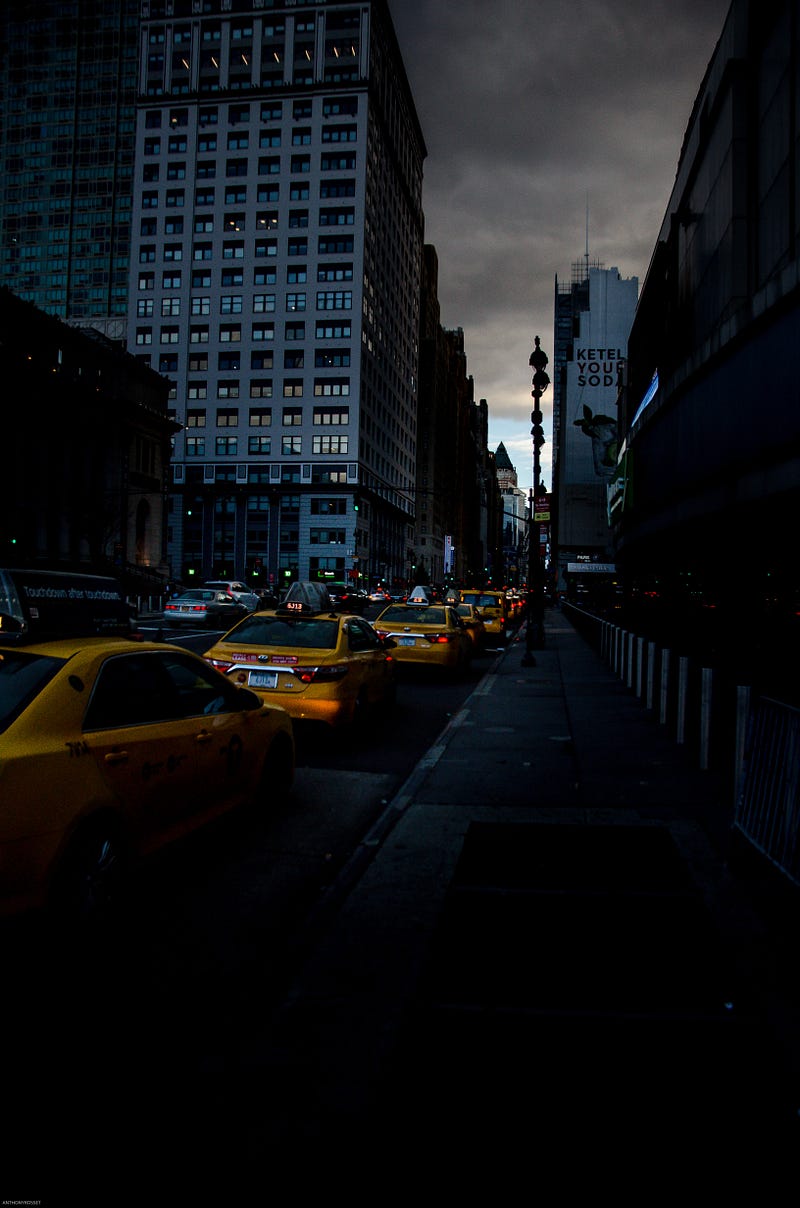
The poem "City Seas" paints an auditory picture of a city at night, drawing a vivid comparison between the urban soundscape and the serene ambiance of a coastal scene. Cars become waves, early birds morph into seagulls, and a distant siren echoes a tugboat's call. The city's nightlife is reimagined as maritime activity, with tractor-trailers turning into cargo ships and the conversations of passersby representing a couple's peaceful stroll along the shore. The author suggests that the city, with its open window admitting the sounds of activity, offers a tranquil sleep aid akin to the natural lullaby of the sea.
Opinions
- The poem expresses a poetic opinion that the city's noises are not merely urban sounds but can be appreciated as natural and soothing elements similar to those found by the ocean.
- There is an underlying tranquility in the city at night, which is often overlooked but can be as calming as a seaside environment.
- The author seems to enjoy the sensory experience of the city at night, finding beauty and peace in the sounds that others might dismiss as noise.
- The poem suggests that the city's nocturnal transformation has the potential to offer therapeutic benefits, much like the relaxing effects of being near the sea.