

Cities kick out the car: Part 2 of ‘And you may find yourself behind the wheel of a large automobile’
Part two of a three-part series exploring how cities around the world are snapping out of autopilot and moving beyond the automobile.
Ed. Previously, on ‘And you may find yourself behind the wheel of a large automobile’, I looked at how cities often got themselves into today’s mess, rebuilding around the car in the middle of the 20th century. Part two looks at how cities are moving on from the century old thinking embodied in the car, and its impact on our streets and places.
Over the last hundred years, city after city performed open heart surgery on themselves by building around the technology of the car. The ongoing complications of that surgery—in terms of environment and health, social and cultural life, politics and economics—are so extensive that we might think of the car as the single worst invention that we, as a species, have really got behind.
As the architect Peter Calthorpe put it:
“(Cars are) too much for the climate, too much for people’s pocketbooks, too much for the community in terms of congestion, too much for people’s time. I mean, every way you measure it, it has a negative — no walking is a prescription for obesity. Air quality feeds into respiratory illnesses.”
If anything, he underplays the impact, in terms of carbon, air pollution, deaths and injuries through accidents, physical and mental health, diminution of social life, removal of biodiversity, waste of valuable space, and so on. The recent trend for SUVs, along with using cellphones while driving, has almost single-handedly reversed the trend for safer streets, increasing pedestrian and cyclist deaths, as well as being the second largest recent contributor to carbon emissions, period. Air pollution is now believed to kill more people than smoking (around 800,000 premature deaths every year in Europe), as well as leading to ‘cognitive stumping’, a horrible phrase describing how intelligence is reduced through oxidative stress and neurodegeneration. The car’s impact on climate crisis, as perhaps the primary product of fossil capitalism, is incontrovertible.
No other single aspect of urbanism is as systemically affecting as building around the automobile. Nathan Heller in the New Yorker, July 2019 goes so far as to suggest that perhaps “the automotive era was a mistake”. The entire thing.
With these pieces starting to regularly appear in mainstream American media, in the country most clearly associated with the automobile, one suspects a shift is happening. Indeed, the number of young Americans with a driving license has been steadily dropping since the 1980s (in 2014, just 24.5% of 16-year-olds had a license, a 47-percent decrease from 1983, when 46.2% did.)
Similarly, the car industry generally is facing a highly uncertain future, with all the metrics beginning to drift away from the pattern of the last half-century (despite the locked-in cultural patterns amongst intellectually lazy policymakers and journalists, who still report on car sales numbers as a sign of an economy’s health.)
Yet Peter Calthorpe, alongside others like Jan Gehl, is a still a rarity amongst architects. As they do with many everyday technologies, architects have a blind spot about the car. They have almost completely failed to engage with its impact on the city—which has been far greater than any architect, building, or other built environment technology. As a result, the single biggest influence on the way the city has unfolded for the last century has been left to an unholy and informal alliance between traffic engineers and transport planners, the lobbyists in the car industry, and most politicians, who often find it easier to stand behind the individual gain that the car represents than to talk about the happy, healthy compromises involved in shared spaces, transport and outcomes.
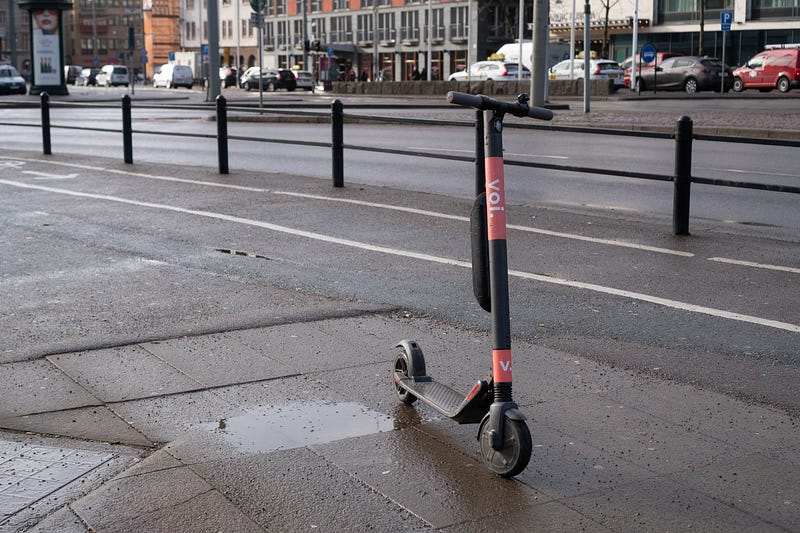
We are still in this mode, despite facing three major entwined challenges — the climate crisis, the health challenges of obesity and pollution, and rising inequality — that are all directly linked to building our cities around the car. New technologies such as ride-sharing, e-scooters and e-bikes, data-driven transit, and autonomous vehicles have immense promise if we figure out how to design and deploy them in a way that addresses these challenges, and fit well alongside old technologies, like the bicycle in all its myriad forms, the car, the various modes of mass transit, and indeed the shoe.
If we don’t do that, if we don’t lead with the culture change required to work with these technologies for 21st century values and outcomes, such technologies will simply continue to drive into the cul-de-sacs the car has forged.
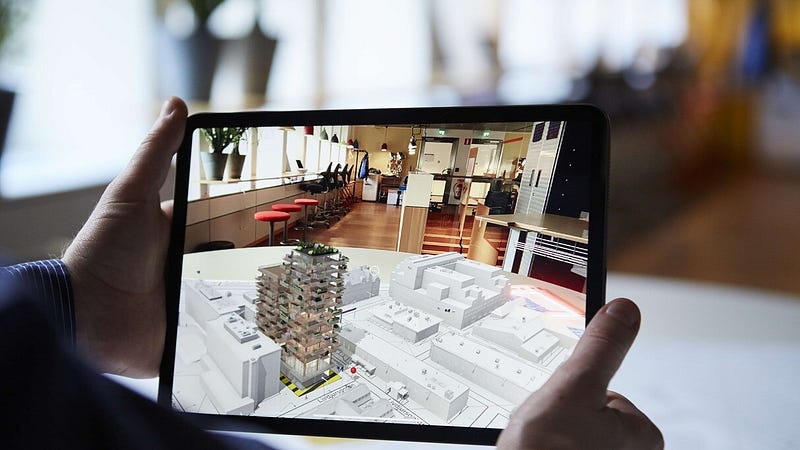
With yesterday’s values guiding our compass, a technology like ride-sharing ends up articulated as the massively-capitalised corporations of Uber and Lyft, which have been found to increase congestion in cities, rather than reduce traffic (leaving aside a wider set of issues they bring, around destabilising local economies and employment rights whilst reducing ridership on public transport.) Autonomous vehicles, which could provide incredibly useful, currently uneconomic, last-km local bus services, might instead manifest themselves as self-driving versions of today’s privately-owned cars. These would increase congestion, waste space, lead to yet more resource extraction (lithium, cobalt and nickel, and the vast carbon footprint of data), and further exacerbate health problems like obesity. Data-driven micromobility might be handy, fun and healthy; or it could clutter our streets and dissuade people from walking. Augmented reality can enable new participative co-design practices, or simply spice up the existing practice of tokenistic consultation. The impact of these technologies depends entirely on how cities articulate them.
Fortunately, many cities are now poised to move differently. Most obviously, cities like Copenhagen, Amsterdam and Utrecht have managed to avoid the worst excesses of 20th century planning, at least in their urban cores, and have continued to thrive around walkable, bikeable environments. Even here, there is work to do unpicking the anti-human, anti-nature and ultimately anti-urban moves of the 1950s onwards, but they are well-set. Other Nordic cities, like Helsinki, Oslo and Stockholm, are leading the drive to largely remove the private car from city centres.
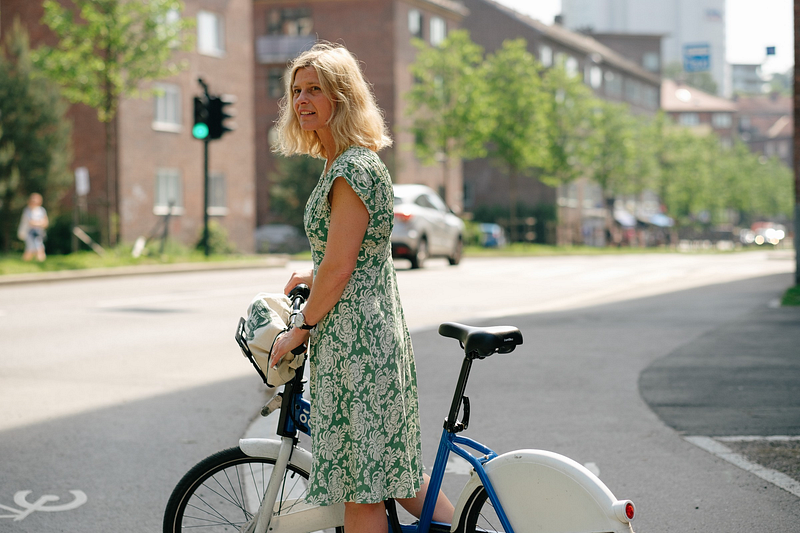
In 2015, Oslo’s city government announced their intention to remove cars from the city centre. Typically, business owners objected — despite evidence from all over the world that largely removing cars in favour of more walkable, bikeable cities increases retail spend — and so the city moved a little slower in its plans. Yet now, there are few parking spots left in the centre, with legacy infrastructure converted to public spaces, cycling infrastructure and more fluid use of the street. Alongside investment in public transport, and active transport like exemplary bike-sharing service run by local startup Urban Sharing, the city is transforming itself.
The tide is beginning to turn, based around shared spaces and services rather than the individualised tech of the car
On-street parking still pervades the streets, and the place is still traffic-heavy, yet there is a brighter Oslo emerging in real-time thanks to these moves. A healthier, more vibrant, greener, more creative city is unfurling from its stolid concrete past.
Similarly, Helsinki’s transport agenda attempts to dissolve the need for private cars completely by 2025. Stockholm has similar moves in place, and one of my current projects looks to develop these programmes across Sweden. Smaller cities again, like Luxembourg or Tallinn, are even making public transport entirely free. Shining examples, albeit little gems like Vauban in Freiburg, have supplied years of data now. Whilst never easy, and not without complications, this cumulative evidence suggests the overwhelming benefit of largely shifting away from the car. The tide is beginning to turn, based around shared spaces and services rather than the individualised tech of the car.
In this world, the car becomes like the horse — something we used to build urban transport around, but now largely used for leisure. Here, one can imagine car-sharing services that let you borrow a vehicle for your needs, essentially for fun — whether a 1969 Ferrari Daytona for a drive in the Dolomites or a classic VW Camper van for a drive to the lakes (or some future version of these classics). They’re for casual use, for the sheer enjoyment of the driving experience. Like in the adverts. Something for the weekend, if you will. Again, like a horse is now. But as a solution for getting around cities? That would indeed be absurd as trying to ride a horse into Times Square at 8:30 on a Monday morning.
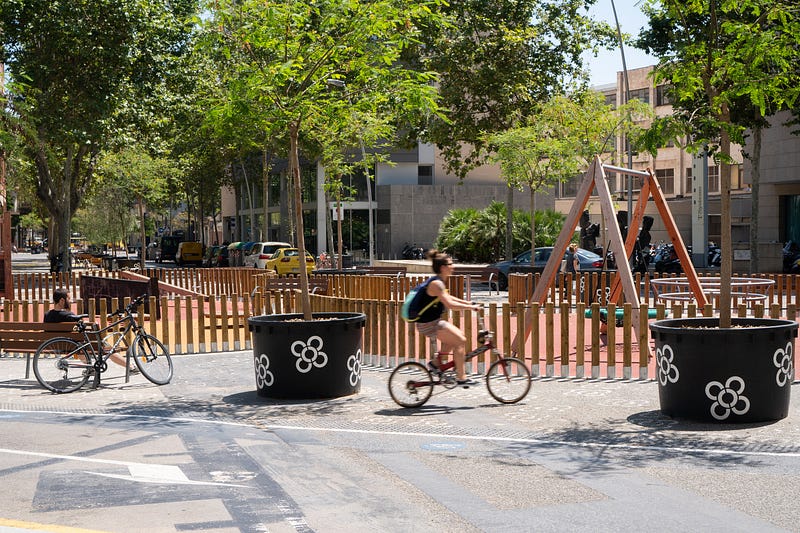
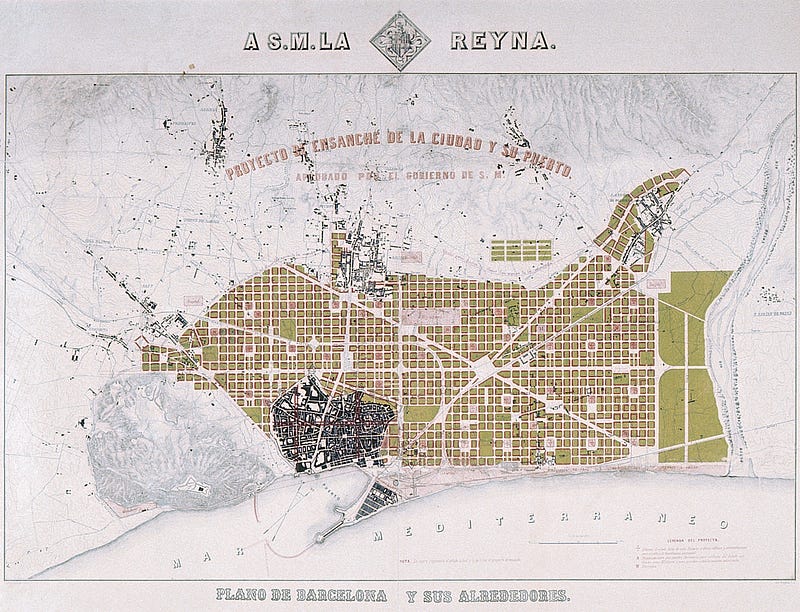
Barcelona’s Superblocks project shows us how to recapture the pre-car patterns that exist in most of the world’s urban cultures — remember, the car has really only been around for a couple of generations, and should be seen as no more than an awkward blip, given the long history of most of our cities. Barcelona’s government is now essentially unlocking the city’s secret weapon, using the fabulously generative griddy block structure that defines most of the central city, created by the legendary Cerdà plan of 1859, which was essentially built around trams, active transport, and a desire to increase health.
Superblocks suggests a scalable approach, in which existing cities are transformed block-by-block, place-by-place — rather than the old immensely heavy, expensive and almost irreversible heavy surgery of freeways and new district projects. (Similar street-reclamation projects are taking place in Latin American cities too, particularly the various initiatives in Santiago, Chile.) Berlin and Paris are also setting a strong agenda for post-car cities at scale (despite the sometimes unhelpful manoeuvres of national governments with an eye on their domestic car industries.)
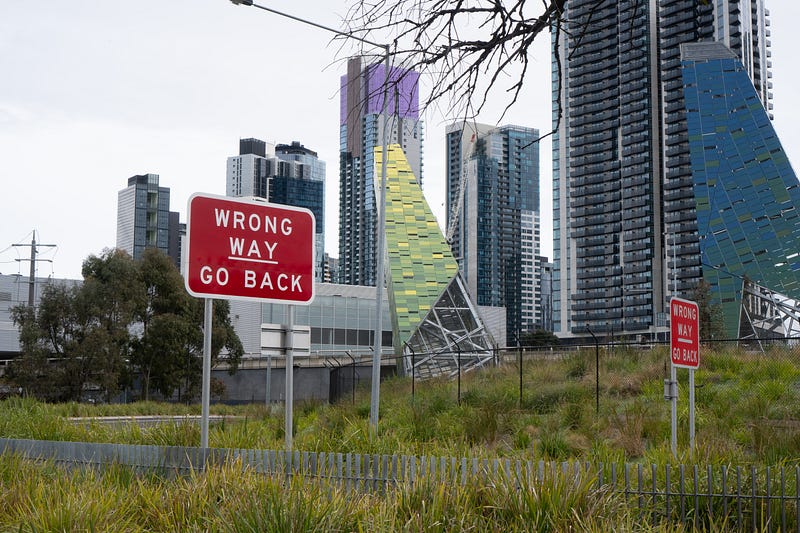
Larger cities, like London, New York, and Melbourne are also pushing for change, although less successfully. Is there a relationship between the car being dug in a little deeper and the more individualistic, privatised cultures often found in English-speaking countries? In Barcelona cars use about 25% of the urban area; in Houston, cars use 60% of the urban area.
And London is horribly polluted, despite the efforts of Mayor Sadiq Khan to create low-emission zones and car-free days. It fatally uses up its annual legal limit of air pollution within the first few weeks of each year. Its numbers are improving, but too little, and too late. A major London artery like Archway Road or Brixton Road is an embarrassment for a city of such wealth, collective talent, and motivation for change. Yet due to London’s tortuous governance, the car-free day only extends to the City of London, essentially, which is usually empty at weekends anyway.
British government at national, metropolitan and borough levels are all passing the buck to each other. Whilst London’s air pollution is responsible for 9,000 early deaths each year, and every person in the capital breathes air that exceeds global guidelines for one of the most dangerous toxic particles, the national government’s clean air plans have been judged to be illegal by the High Court three times over. The issue is little understood by Londoners, however, with various governments perhaps wishing to avoid being found culpable, and not exactly broadcasting the issues. Over half of London’s toxic air quality is caused by vehicles, yet a recent survey found that half of Londoners do not realise cars or vans were the main cause of the air pollution.
So the challenge is whether we can turn enough of these cities quickly enough, given our climate and health crises, and how we do this, effectively and equitably.
These questions of mobility apply not only to people, but also, of course, to the movement of things. Currently, in a typical European city like Breda in the Netherlands, of the 2000 vans and trucks which enter the city each day, 40% of the deliveries involve just a single box, and 90% would not need a large vehicle in the first place. Across Europe, only 20% of all cargo trips require the use of heavy vehicles.
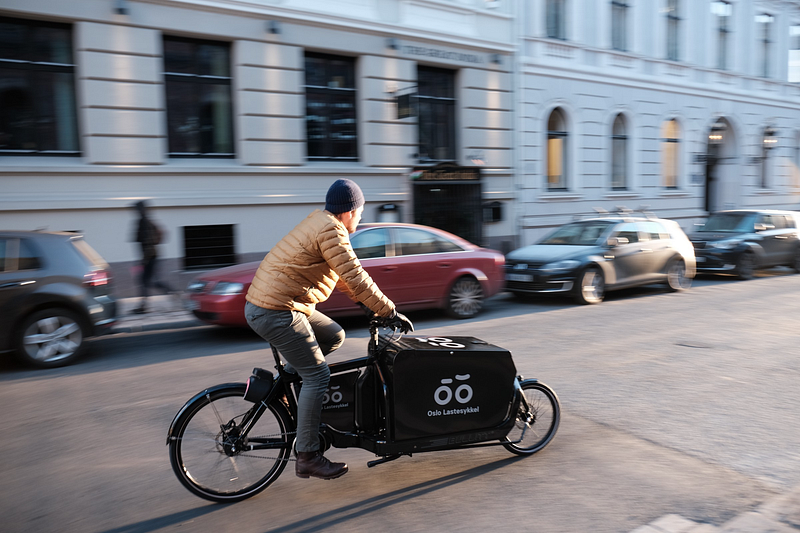
Research based on Berlin indicates that an electrically-assisted cargo bike, as we can see in Urban Sharing’s new service in Oslo, could replace over 85% of the car trips by courier service deliveries in a city; anything smaller than a bed, essentially, could be delivered effectively by cargo bike. Yet European cities, mostly built around medieval street patterns, are still full of (half-empty) large trucks, with a notion that the logistics industry only “works at scale”.
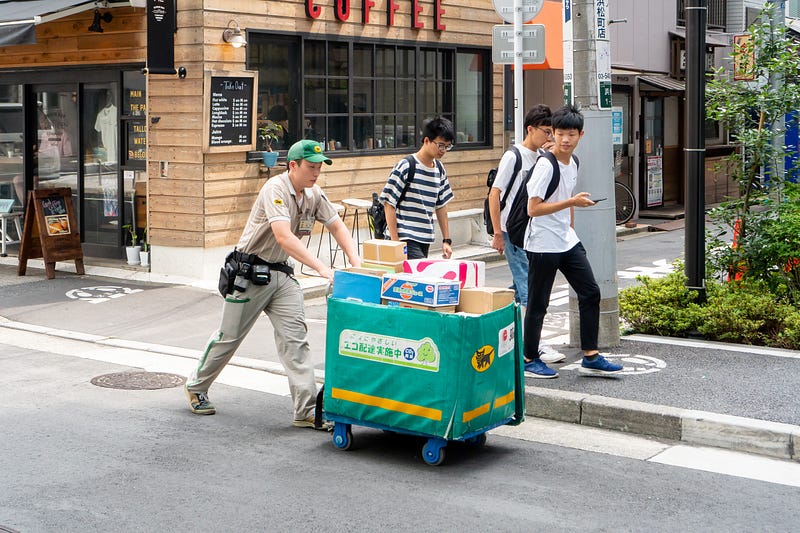
Yet in Tokyo, essentially the world’s largest metropolitan city, an amazing array of ‘shrunken’ vans, cargo bikes and hand-powered push carts delivers goods through the small streets that people live and work in. This is not only effective in multiple ways, but is a vibrant component of Tokyo’s urban character. The possibility is small, quiet, clean, active, humane, balancing tech and people — the former akin to sheepdog, the latter akin to shepherd — in a way that adds to the street rather than subtracts from it. And if that approach works in Tokyo, a city region of 38 million people, one can say it could probably ‘scale’ anywhere else too.
The impact of these parcels and packages, as well as people, continues to play out upon our streets. Yet it is our choice, as a society, as to how e-commerce best plays out in the places we live. It is not some natural law that pure market dynamics must decide how our cities work, any more than it is a natural law that people are born wanting to own and drive a car. These are things are down to us.
We can shift the load from out-of-town shopping malls and car-dependent ‘big box’ retail towards vibrant high streets full of diverse, characterful shopping which reinforces the value of local production and places with provenance, and with staple, undifferentiated goods sold via online retail, delivered effectively to the home via person-powered cargo-bikes by day and quiet, humble ground drones trundling around at night … or we can have cities like London and Paris right now, clogged by large vans too big for the small streets, half-full of air rather than goods, increasing pollution, accidents, carbon and congestion whilst decimating local high streets.
Which do we want?
Part Three of ‘And you may find yourself behind the wheel of a large automobile’ closes by suggesting how Tokyo provides a perhaps unlikely role model for cities large and small to move beyond the car.


