Circular Economy is the solution for a sustainable future
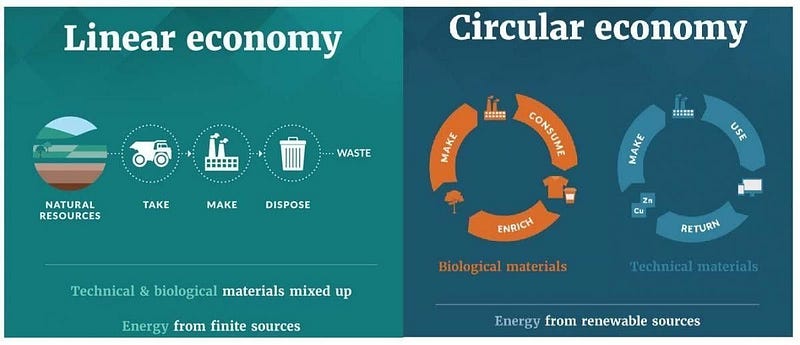
The concept of the Circular economy is a relatively new one but has gained a lot of traction in recent years with the World moving away from the perishable and finite resources like coal, gasoline & wood, etc. The age-old Linear economic model is unsustainable in the long run and is therefore slowly transitioning to the more efficient & renewable Circular model. The expedited digital transformation of global ecosystems has also supported this initiative greatly. Before you get confused about the two terms, let’s look at the following infographic of the two models.
Easier said than done, this kind of transition would take commitment and resources from local & national governments making use of the research of the academics to come up with innovative solutions by putting best practices into action.
The current most prevalent model is the linear economy in which we produce from finite resources, consume & produce waste to pollute, while the circular economy presents a regenerative design in which you produce from renewable sources, consume responsibly and recycle & reuse the materials.
The main purpose of this model is to produce minimum waste by extending the after-life purpose of everything from food, tools, households items & clothes, etc. So far most of the western economies have been happy just recycling the massive amounts of waste produced on a daily basis. EU, however, has taken the biggest initiative in moving towards a Circular economic model.
Last year in June, Leaders & experts from 90 countries met at the World Circular Economy Forum in Helsinki at the circular economy’s gathering in Finland, attended by around 1,500 experts and policymakers to discuss ways & means on how to better implement this concept of the circular economy on a global scale.
Followed by that the EU ratified the Circular Economy Package (CEP) in April of this year which includes higher recycling targets, reducing waste to a minimum, reusing & refurbishing existing materials & products apart from making all plastics recyclable by the year 2030. These are all commendable steps that will reduce pressure on the environment, inducing competitiveness & innovation and providing new job opportunities.
With barriers like access to reusable products & cost-effectiveness of recycling etc. it will be a challenge to achieve the ambitious targets set forth in implementing this policy across the continent. A successful adoption, however, would provide a great model to follow for other countries & regions.
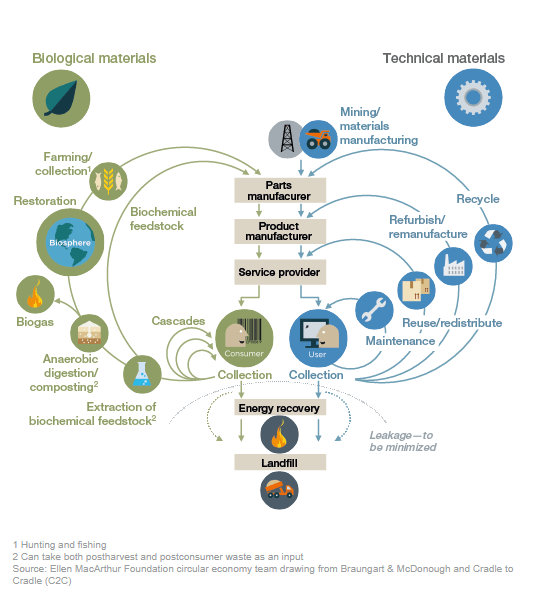
The Linear economy is no more a sustainable model for a planet of more than 7 billion people where we are producing goods from finite resources at a rate faster than we can replenish them, consumption is outstripping the supply, and millions of tons of non-bio degradable waste is littering our oceans & landfills across the globe.
So far we are lingering with a system that is not only unsustainable but becoming a major contributing factor in destroying the fragile ecosystems around the world. A circular system, on the other hand, presents a restorative solution that marks the shift towards using renewable energy, eliminating the use of toxic chemicals & and an aim to design out the waste with efficient business processes and a superior design of systems & products.
Apart from the positive steps at the countries’ level, Startups like RePack and MaaS Global are already exploring the next steps in circular solutions employing technology. Use of Renewable energy to power their offices by tech giants like Google & Apple is bringing much-needed awareness & acceptance as well. Honorable mention of UK-based Ellen MacArthur Foundation which has been at the forefront of the circular economy initiatives in Europe & across the Globe.
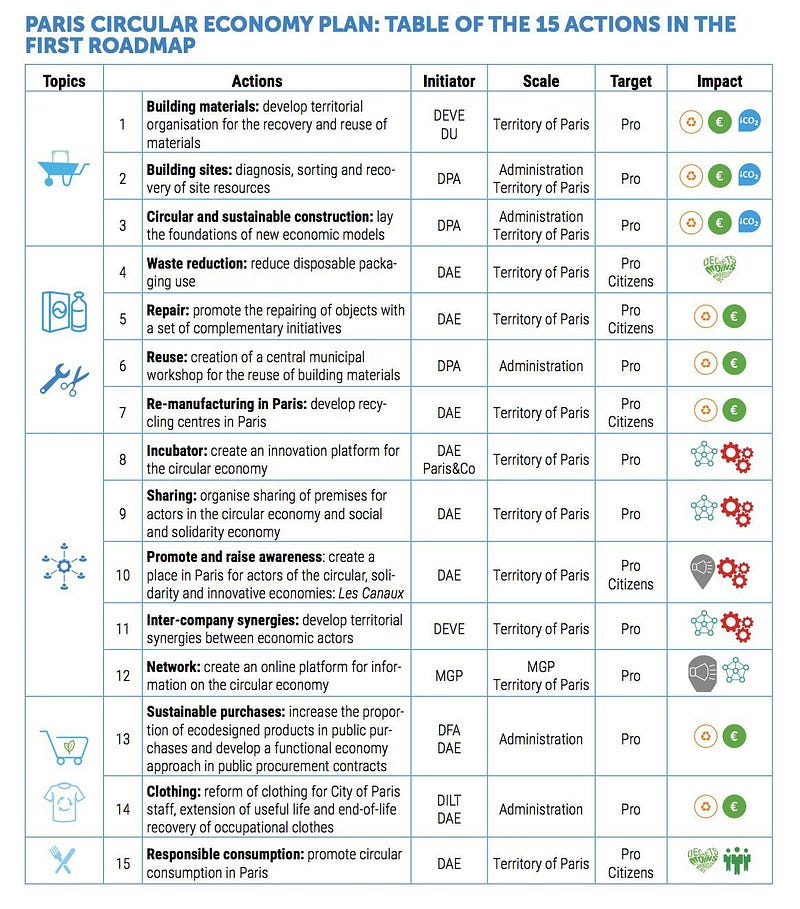
The biggest initiative so far in this regard has been from the city of Paris which recently unveiled a plan to build the World’s greenest business district. It is a bold step towards moving to a circular economy which includes 15 action items, put together after taking inputs from the Public & Private sector, Civil society & Academia. The plan basically envisages sustainable production & consumption with an aim to eliminate waste by 2020. The following infographic would help you understand what they are trying to achieve.
The need for accelerating to a Clean & Eco-friendly economy is immediate & and while the Circular economy is not a magical fix solution for our sustainability & environmental woes, it is most certainly a major step in the right direction. And to wrap it all up another great example of the Circular economy being put into practice in the Netherlands.
Recent Articles: How is Bitcoin’s ‘Liquid sidechain’ different from the Lightning network?, What is the Dandelion privacy protocol?, The enigma of the ‘DARK WEB, ’The emergence of Blockchain Consortia
Stay in touch: Twitter | LinkedIn | Tradealike | StockTwits | Telegram
Originally published at www.datadriveninvestor.com on October 19, 2018.