
Cinderella: A Story Through Time
Did you know that the beloved story of Cinderella didn’t originate in a European castle, but has roots in a far more ancient land?

The enchanting story of Cinderella, with its themes of hope, transformation, and happily-ever-after, has captured hearts for centuries. Many people believe the story has ancient Egyptian roots, but recent discoveries paint a more interesting picture, showing a mix of history and imagination.
Rhodopis: A Real Person, Not a Fairy Tale Character
Unlike what many believe, the earliest known version of the Cinderella story is not from Egypt. It actually comes from ancient Greece, and the main character is not a young woman waiting for a prince, but a famous courtesan named Rhodopis.

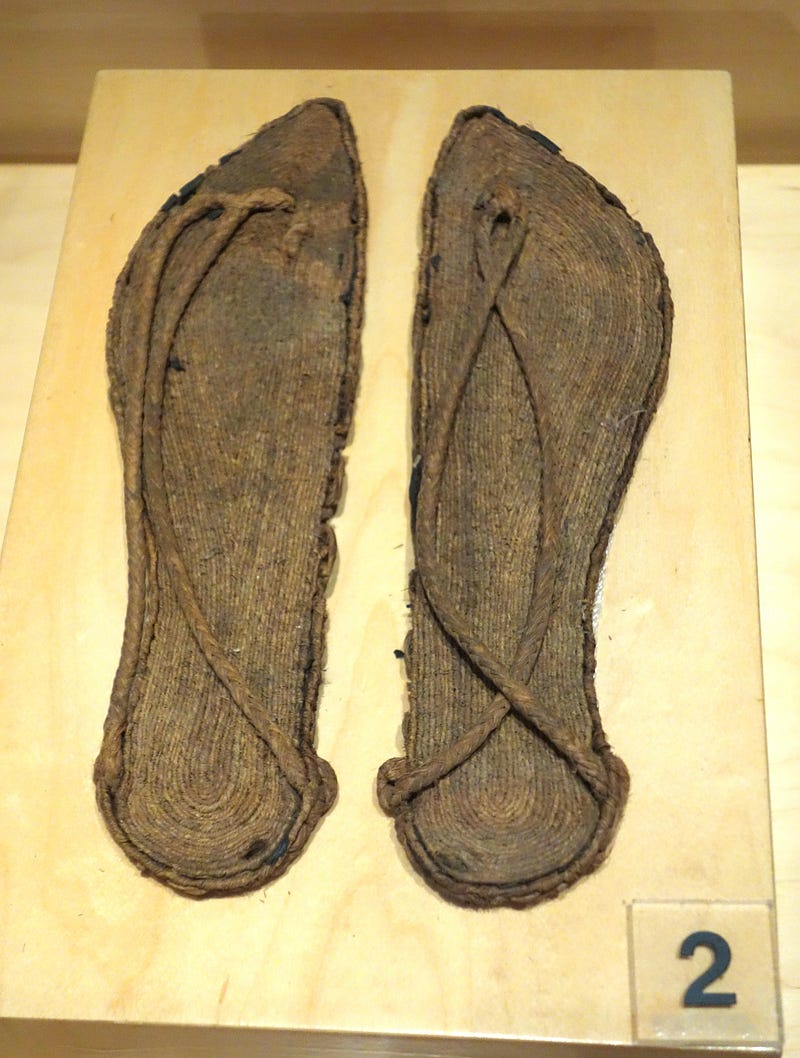
This story, written by the Greek historian Strabo in the 1st century BC, tells the tale of a beautiful woman named Rhodopis who loses a sandal while walking. An eagle mistakes the shiny sandal for something to eat, grabs it, and flies it all the way to the Egyptian Pharaoh, Amasis. The Pharaoh is very impressed by the beautiful sandal and wants to find the woman it belongs to, so he starts searching his entire kingdom. The search leads him to Rhodopis, and when he sees that the sandal fits her perfectly, he is so struck by her beauty that he makes her his wife.
The Birth of a Fairytale
While the main parts of the story, like the lost shoe, the search for the owner, and the marriage at the end, are similar in both the Rhodopis story and the Cinderella fairytale, there are some important differences. For example, Rhodopis is an adult who works as a courtesan, which is very different from the innocent and kind character of Cinderella.
The Story of Rhodope
The person who changed Rhodopis into the Cinderella we know today is a 20th-century writer named Olive Beaupre Miller. In 1920, Miller published a children’s book called “The Story of Rhodope,” which was a very different version of the tale. Miller changed Rhodopis from a courtesan into a young and good girl, and she added new parts to the story, like slavery and a happy ending where Rhodopis marries a prince. This new version of the story became very popular, and it is likely the reason why many people believe the Cinderella story comes from ancient Egypt.
Setting the Story Straight
It’s important to remember that the “Egyptian Cinderella” story, as most people know it, is not an ancient tale from Egyptian folklore. The story is actually a creation of 20th-century literature, inspired by the real story of Rhodopis. While the Rhodopis story is older than the Cinderella fairytale, it’s important to understand that these are two separate stories with different origins and contexts.
The ‘Cinderella’ story has captivated imaginations for centuries, with different versions emerging across cultures. In this article, we’ll explore some of the most well-known examples, including ‘Cendrillon’ by Charles Perrault, ‘Aschenputtel’ by the Brothers Grimm, Andrew Lang’s ‘The Wonderful Birch’, the Indian story of ‘Sodewa Bai’ and, of course, the ancient Egyptian Cinderella — ‘Rhodopis and Her Little Gilded Sandals.
A Legacy of Storytelling
The story of Cinderella, no matter where it truly comes from, continues to touch people’s hearts all over the world. It reminds us of the power of hope, never giving up, and the possibility of amazing things happening, even when we least expect them. The story’s enduring popularity shows how much people love stories about change, love, and good winning over bad.
Even though the “Egyptian Cinderella” story may not be historically accurate, it helps us understand the interesting way stories can change and develop over time. It also shows us the connection between history, literature, and the power of storytelling, which has been around for centuries.