
Cilantro, A Fragrance Bomb
Cilantro, or How I Learned to Stop Worrying and Love the Fragrance Bomb in My Food
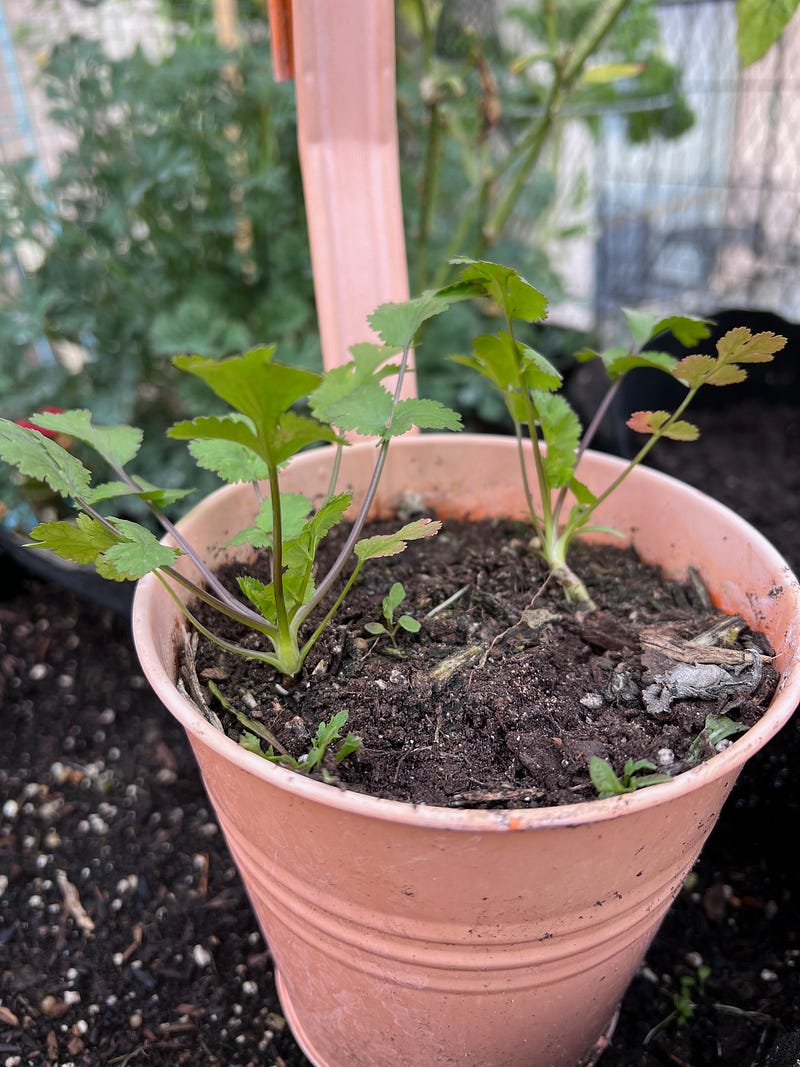
Cilantro Tastes Like Soap
Cilantro tastes like soap. It tastes like stink bugs. Is there dirt in this dish? Those are some of the reactions to eating cilantro. Julia Childs famously told Larry King that she would throw the dish on the floor if it appeared on food presented to her. Many people just push it aside.
The English herbalist John Gerard called it a very stinking herb.
If it is so bad, why is it so good?
Fortunately, my family likes the herb.
The term Fragrance Bomb may seem extreme, but this herb does release aldehydes which can be odiferous. For millennia, aldehydes in cilantro have been used for perfumes. Synthetic aldehydes are found in perfumes such as Chanel №5. Truly a fragrance bomb.
There is a gene associated with some of the people who find cilantro revolting. A survey of 23&Me asked users if cilantro tasted soapy. The results suggested a genetic connection:
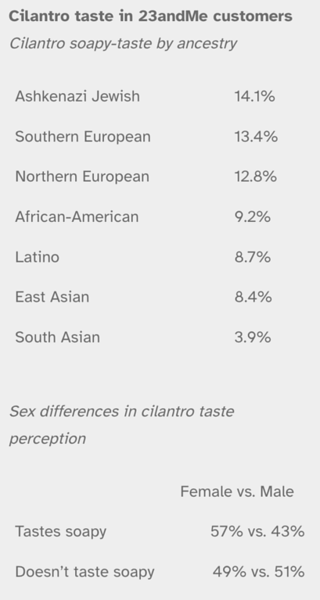

A study reported in 2012 (source below) suggests a gene near a cluster on the 11th chromosome responsible for olfactory reception may be responsible for the dislike of cilantro in ten percent of the population. The exact mechanism has not been discovered, however, it has to do with aldehydes.
These results confirm that there is a genetic component to cilantro taste perception and suggest that cilantro dislike may stem from genetic variants in olfactory receptors. We propose that one of a cluster of olfactory receptor genes, perhaps OR6A2, may be the olfactory receptor that contributes to the detection of a soapy smell from cilantro in European populations. — Eriksson, N., Wu, S., Do, C.B. A genetic variant near olfactory receptor genes influences cilantro preference. Flavour 1, 22 (2012). https://doi.org/10.1186/2044-7248-1-22
Another familiar aldehyde is formaldehyde, which is used to preserve organic samples. Aldehydes give stink bugs their distinctive odor, a form of defense that is truly a fragrance bomb.
You do not like cilantro? Does the evidence above suggest your dislike is in your genes? Not entirely. Your loathing may also be cultural or environmental, rather than genetic. Maybe you have not had cilantro with the right combination of foods.
Cilantro in Food
Consider for example a search for recipes that include cilantro. A search for recipes using cilantro in the food section of the New York Times came up with 1,760 results. Here is a sample:

I would guess that only a few of the 1700-plus recipes are for dishes common in north European cuisine. Of course, the world is not static and dishes such as Lorne Sausage in Scotland include cilantro. Also the spicy Akvavit, a Scandinavian spirit can include coriander (which is another way of saying cilantro). Phall makes the list of the most popular dishes in the UK. It is made with coriander and with a combination of chili is said to have a Scoville rating of 1,000,000. Source: Taste Atlas
Most of my working life was in cilantro-friendly territories. However, my cilantro joy started prior to my work overseas with the California staple, guacamole.
Unsure if you like cilantro? Guacamole is a good gateway recipe to get you started. As an added benefit, avocados are the main ingredient of guacamole, and I have noticed that the price of the fruit has not increased in recent years.
My Recipe for Guacamole
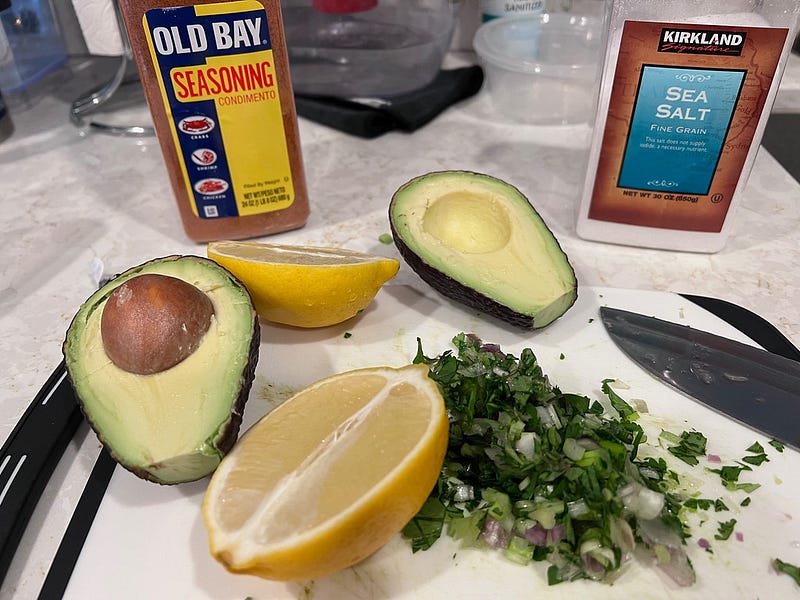
- Avocado
- Fresh lime juice (yes, that is a sweet lime from the garden
- Green onions
- Cilantro
- Fresh chili, but in a pinch Old Bay Seasoning
- Salt
Guacamole is a Nahuatl (as in Aztecs) word for avocado sauce. However early avocado sauce prior to the Spanish conquest did not include cilantro. Nahuatl speakers used the name avocado to refer to the fruit and to testicles, but we will not dwell on that unfortunate connection.
Cilantro recipes were written in hieroglyphs, seeds were found in King Tut’s tomb, and the ancient Greeks grew it as a herb and ingredient for their perfumes.
Health Benefits of Cilantro?
Pliny in his Natural History said the plant had cooling and refreshing properties.
According to an article in the Health Cleveland Clinic, cilantro is
- It’s a natural potent antioxidant.
- Its leaves contain a chemical called dodecanal that has an antibacterial effect against salmonella.
- It’s a dietary source of iron, magnesium, and manganese.
- It’s a natural diuretic.
- It can help battle nausea.
What do you think? Do you hate it or like it? Do you have a favorite recipe? Tempted to purchase a cilantro-based perfume on Etsy? Add a comment below to share your experience.
Even with an aversion to the plant, you may find an enjoyable recipe that includes it. Positive behavioral feedback can overcome a natural or cultural antipathy to cilantro. If that happens, then you might not do a Julie Child and throw your cilantro on the floor in disgust.
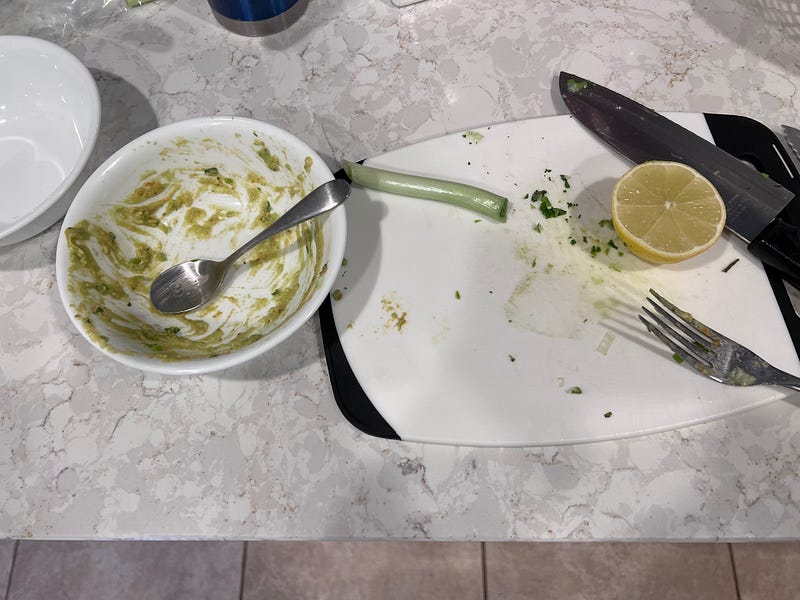
By the way, I did make guacamole, but it disappeared before I could photograph it!
Sources and Notes:
1. Eriksson, N., Wu, S., Do, C.B. A genetic variant near olfactory receptor genes influences cilantro preference. Flavour 1, 22 (2012). https://doi.org/10.1186/2044-7248-1-22
https://www.tasteatlas.com/100-most-popular-dishes-in-united-kingdom
https://health.clevelandclinic.org/do-you-love-or-hate-cilantro-the-reason-may-surprise-you/
I have used cilantro and coriander interchangeably. Same plant, but in North America cilantro refers to the leaf, and coriander is the dried seed of the plant.

A variation of this article was originally published at https://www.townhousegardening.com.