
Christianity in China Amidst Tolerance and Surveillance
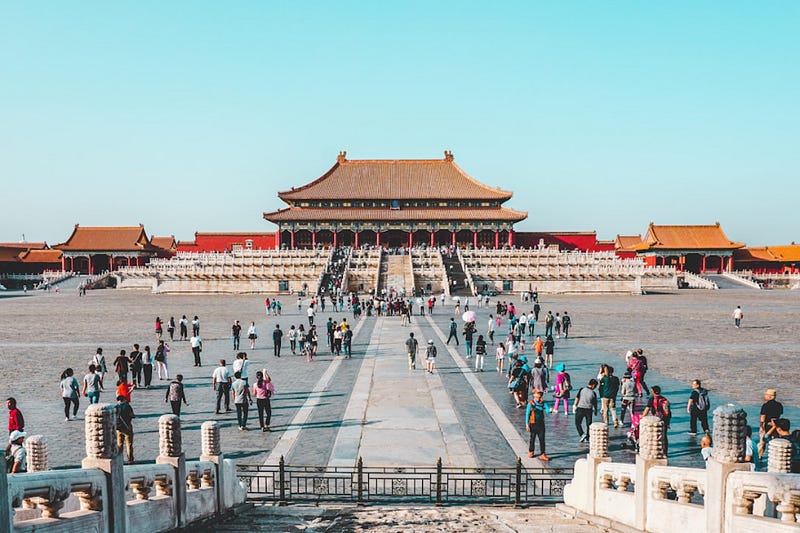
In the vast expanse of Chinese territories, a complex reality unfolds between tolerance and control regarding the practice of the Christian faith. The Chinese Communist Party, holder of political power, requires citizens who wish to profess Christianity to register with one of the three recognized Christian associations monitored by the government. While in theory this requirement may seem like an attempt to regulate and ensure a certain order in the country’s religious landscape, it often clashes with the reality of believers’ spiritual aspirations.
The three official Christian associations, known as the Chinese Patriotic Catholic Church, the Protestant Three-Self Patriotic Movement, and the Chinese Patriotic Catholic Association, are subject to government control and supervision. This reflects the Communist Party’s policy of control, aiming to maintain close observation over all organizations and institutions in the country.
However, this government imposition often paradoxically pushes many believers to reject such control structures. Instead, they prefer to organize themselves into informal groups, allowing them to freely cultivate their religious practices without having to adhere to the restrictions imposed by political authorities. These informal groups, known as “house churches” or “clandestine churches,” have become a widespread phenomenon in the Chinese religious landscape.
Within these clandestine churches, believers find an environment where they can freely express their faith without fear of persecution or limitation by authorities. Meetings are often held in private homes and are characterized by strong solidarity and sharing among community members.
This situation presents a complex challenge for the Chinese government. On one hand, the Communist Party aims to maintain control and social stability, and therefore seeks to regulate and closely monitor religious activities. On the other hand, the growing popularity and influence of Christianity, especially in rural and urban communities, make it difficult for the government to exert complete control over its citizens’ faith.
Furthermore, the presence of foreign missionaries and access to sources of religious information and teaching through the internet and other global communication channels have contributed to the spread of Christianity in China, further challenging government control.
In an attempt to manage this complex dynamic, the Chinese government has adopted various strategies, ranging from repression and persecution of clandestine churches to the promotion of a form of “patriotic” Christianity that aligns with the values and goals of the Communist Party.
The situation of the Christian faith in China is characterized by a delicate balance between tolerance and control by political authorities. While the government seeks to maintain control over this important sphere of social life, believers continue to seek ways to cultivate their faith and keep their religious identity alive, both within official structures and through informal forms of organization.
In the midst of this complex landscape, the resilience and fervor of Chinese Christians shine brightly, illuminating a path of hope and determination. Despite the challenges they face, they persist in their quest for spiritual fulfillment, forging bonds of solidarity that transcend government regulations. As the story of Christianity in China unfolds, it becomes a testament to the enduring power of faith in the face of adversity. Their journey is not just a struggle for religious freedom, but a poignant reminder of the universal human longing for connection, purpose, and transcendence. In the shadows of surveillance, vibrant faith continues to weave itself, offering a glimpse into the indomitable spirit of the human soul.