
Chores & Homeschool: How to Turn Your Kids into Happy Little Helpers
Strategies for Encouraging Kids to Help with Household Chores and Homeschooling
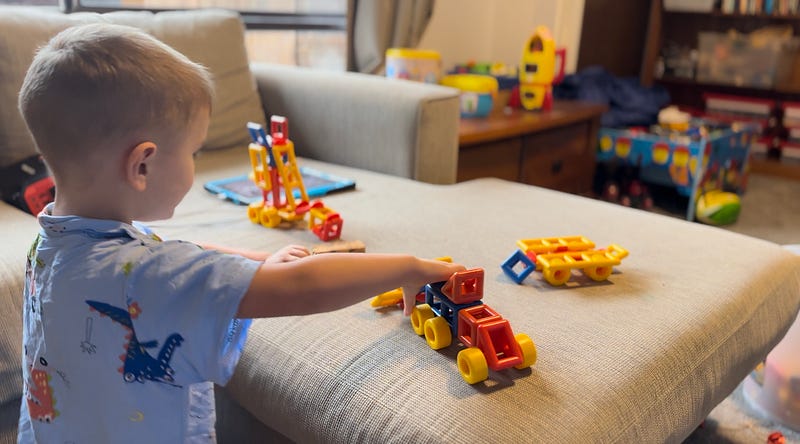
Ah, the age-old challenge of convincing your little ones that helping out around the house and diving into homeschooling can be as exhilarating as a roller coaster ride.
Okay, maybe not quite as thrilling, but you get the idea.
If you’re anything like me, you’ve probably had your fair share of eye-rolls and the occasional “But, do I have to?” when it comes to household chores and homeschooling.
But fear not, fellow parents!
In this article, I’m going to explore some tried-and-tested strategies for getting your kids to lend a hand with chores and embrace homeschooling with gusto.
As a parent myself, I’ve had my fair share of parenting triumphs and, well, let’s call them “learning experiences.”
Through a bit of trial and error, I’ve managed to encourage my kiddos to embrace the exciting world of dishwashing, laundry folding, and arithmetic with (mostly) enthusiastic smiles.
Together, we’ll dive into the magical world of expectation-setting, age-appropriate assignments, and the power of turning chores and learning into games.
The Power of Expectations
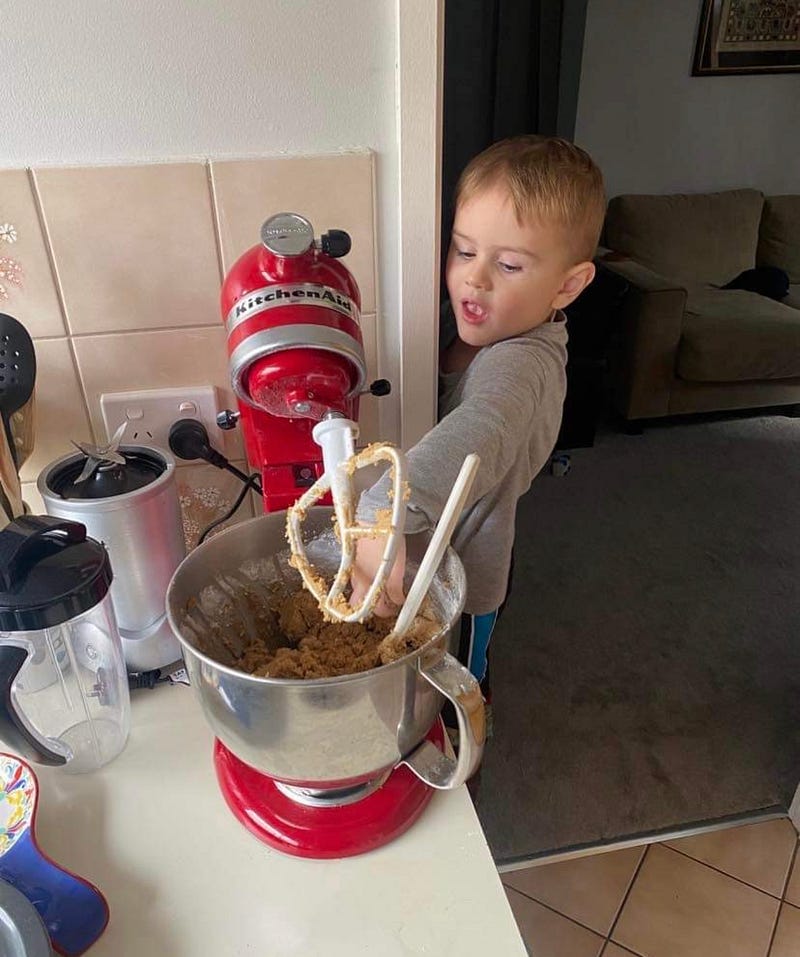
I remember the day my five-year-old son approached me, his face beaming with pride, as he presented me with a dish that he had “washed” himself.
Sure, the dish was still covered in bits of dried spaghetti sauce and the kitchen looked like a soapy water park, but hey, it was a start!
That was when I realised the power of setting expectations for my little ones.
It’s never too early to let them know that they can contribute to the household.
Setting expectations early on is crucial. It helps kids understand that they’re part of a team and that their actions matter.
When they know what’s expected of them, they’re more likely to rise to the occasion and take pride in their accomplishments.
Plus, it saves you from having to nag them constantly (well, most of the time).
Here are a few practical tips for setting clear and realistic expectations:
- Be specific: Instead of saying, “Please clean your room,” try, “Put your toys away, make your bed, and put your dirty clothes in the laundry basket.” The more specific you are, the less room there is for confusion.
- Keep it age-appropriate: Don’t expect your three-year-old to mop the entire house or your teenager to be thrilled about sorting socks. Assign chores that are suitable for your child’s age and abilities.
- Communicate regularly: Talk to your kids about their responsibilities and be open to adjusting expectations as they grow and develop new skills.
- Be consistent: If you expect your kids to make their beds every morning, make sure you stick to it. Consistency helps establish a routine and reinforces the importance of their contribution to the household.
- Lead by example: Show your kids that you also have expectations for yourself. When they see you doing your part, they’re more likely to do theirs. Plus, it’s a great way to bond and spend time together while getting things done.
I know I’ve already said this too many times (in other articles!) but do remember that Rome wasn’t built in a day, and neither will your child’s dishwashing skills.
But with clear expectations and a bit of patience, you’ll soon have a little helper who takes pride in their work (and maybe even enjoys it!).
Age-Appropriate Assignments
Choosing age-appropriate chores is essential for keeping your kids engaged and motivated. When a task is well-suited to their abilities, they’re more likely to feel confident and take pride in their work. On the other hand, if a chore is too difficult or too easy, frustration or boredom can set in, leading to less-than-enthusiastic helpers.
Here are some examples of age-appropriate chores for different age groups:
Ages 2–3:
- Pick up toys and put them away
- Help put clothes in the laundry basket
- Wipe up small spills with guidance
Ages 4–5:
- Make their bed (with assistance, if needed)
- Set the table
- Water plants
Ages 6–8:
- Fold and put away laundry
- Help with meal prep (e.g., washing vegetables)
- Sweep or vacuum floors
Ages 9–12:
- Take out the trash and recycling
- Load and unload the dishwasher
- Help with yard work
Ages 13 and up:
- Do laundry (washing, drying, folding)
- Plan and prepare simple meals
- Deep clean specific rooms (e.g., bathroom, kitchen)
One day, I assigned my seven-year-old daughter the task of folding laundry, including her then two-year old brother’s clothes.
After a while, I noticed she was suspiciously quiet, so I went to check on her. I found her giggling uncontrollably as she tried to fold her brother’s tiny socks.
It was a stark contrast to her usual complaints about folding her own clothes.
Turns out, she found folding the miniature clothes amusing, and it gave her a newfound appreciation for her “gigantic” shirts and pants.
The key is to strike a balance between challenging your kids and setting them up for success.
When they feel accomplished and appreciated, they’re more likely to embrace their chores with enthusiasm (and maybe even a smile).
Make it a Game
Turning chores into games is a fantastic way to make tasks more enjoyable for kids.
Not only does it inject a dose of fun into otherwise mundane activities, but it also taps into their natural love for play and competition.
And let’s be honest, who wouldn’t prefer transforming laundry folding into an Olympic event?
My kids and I have come up with various games and challenges around chores, and it’s been a game-changer (pun intended).
For instance, we once turned tidying up the playroom into a “toy rescue mission,” where the toys were “stranded” and needed to be returned to their “homes” (i.e., their designated storage spots).
My kids loved the imaginative twist on the task and raced to save their toys from the “danger” of being lost forever.
Here are a few ideas for games or challenges you can try with your kids:
- Chore Bingo: Create a bingo card with different chores listed in each square. As your kids complete the chores, they mark off the squares. The first one to get a full row or column wins a small prize or privilege.
- Speed Cleaning: Set a timer for 10 or 15 minutes and challenge your kids to see how much they can clean in that time. You can even play upbeat music to keep the energy high. Afterward, take a moment to admire their progress and celebrate their achievements.
- Dishwashing Derby: Have your kids race to see who can wash and dry a set number of dishes the fastest, without sacrificing cleanliness. Make sure to establish clear rules about what constitutes a “clean” dish to avoid any shortcuts.
- Laundry Basketball: Set up a laundry basket or hamper and have your kids “shoot” their dirty clothes into it like they’re playing basketball. You can even assign point values to different items (e.g., socks are worth 1 point, shirts are worth 2 points) and keep score.
- Puzzle-Style Meal Prep: Turn meal prep into a puzzle by giving your kids specific tasks that contribute to the final dish. As they complete each task, they’ll feel a sense of accomplishment seeing how their individual efforts come together to create the meal.
Remember, the goal is to make chores more engaging and enjoyable.
Get creative, and don’t be afraid to tailor the games to your kids’ interests and personalities.
With a little imagination, even the most mundane tasks can become a fun and rewarding experience for the whole family.
Establishing a Routine

Now, we’re “unschoolers”, which means we’re big on personal autonomy. That said, we’ve still found that a consistent homeschooling routine is the key to a happy home and kids.
Routines provide structure, predictability, and a sense of security for kids.
A well-planned routine provides support, plenty of opportunities for trying new things or picking up new challenges, time for getting bodies moving and still leaving plenty of room for screen time (if that’s your thing — it is in our house).
Self discipline and accomplishment are things we encourage but structure helps with these things.
When we first started homeschooling, it felt like navigating uncharted territory. After some experimentation, we managed to establish a routine that worked for our family.
It wasn’t rigid (autonomy is important for us), but it provided enough structure to keep everyone on track while allowing for flexibility and individual choices.
Here are some tips for creating a flexible yet structured homeschooling schedule:
- Start with a basic framework: Outline the main goals, expectations and activities you want to cover each day or week. For us, exercise, time outside of the home in the community, prioritising nutrition / food! are all super important. Everything else is up for grabs, but we schedule these things.
- Be realistic: Don’t try to cram too much into your schedule or set unrealistic expectations. It’s better to have a manageable plan that allows for a sense of accomplishment and progression.
- Allow for flexibility: Life happens, and some days may not go according to plan. Build in buffer time to catch up on things that need doing, reschedule activities, or simply take a break when needed.
- Involve your kids: Give your children as much control as you can over their schedules by letting them choose when to work on specific subjects or projects. This can help increase their motivation and sense of ownership over their learning.
- Establish a routine, not a strict timetable: While it’s essential to have a plan, avoid adhering to a strict timetable. Instead, focus on creating a consistent rhythm to your day. This will allow for more organic learning experiences and reduce stress for both you and your kids.
- Regularly reevaluate and adjust: As your children grow and their needs change, be prepared to adapt your routine. Keep an open dialogue with your kids about what’s working and what could be improved.
Encouraging Autonomy
Fostering independence in learning is vital for your child’s growth and development. It helps them build self-confidence, critical thinking skills, and a sense of responsibility for their education.
Plus, it prepares them for future academic and professional challenges where self-directed learning will be essential.
I’ve always made it a point to encourage my kids to take ownership of their education.
One memorable moment was when my son decided to learn about the solar system. Instead of dictating his study plan, I supported him in researching and creating her own learning materials.
He went above and beyond, even painting a detailed model of the solar system that still proudly hangs in his room.
This experience not only deepened his understanding of the subject but also reinforced his belief in her ability to learn independently.
Here are some strategies to help your kids become more autonomous learners:
- Set clear goals: Work with your kids to set specific, measurable, and attainable learning goals. This will help them understand what they’re working towards and enable them to track their progress.
- Provide choices: Allow your kids to choose topics, projects, or activities within the curriculum. Giving them a sense of control over their learning can increase their motivation and engagement.
- Teach time management and organisation: Help your kids develop skills like creating to-do lists, prioritising tasks, and setting deadlines. These skills will empower them to manage their own learning more effectively.
- Encourage problem-solving: When your kids encounter challenges, resist the urge to jump in and fix everything. Instead, guide them through the process of identifying the problem, brainstorming solutions, and evaluating their options.
- Provide guidance, not answers: Act as a facilitator rather than a lecturer. Ask open-ended questions, offer resources, and encourage your kids to explore and discover on their own.
- Celebrate their achievements: Acknowledge your child’s accomplishments, both big and small. This will help build their confidence and reinforce the value of their efforts.
By promoting autonomy in learning, you’re empowering your kids to take charge of their education and helping them develop essential life skills that will benefit them long after their homeschooling days are over.
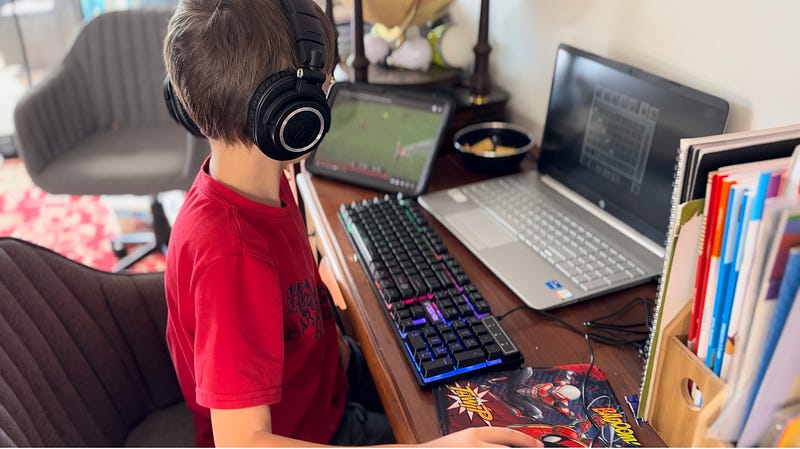
And there you have it, dear readers! With a little ingenuity, a dash of patience, and a hearty dose of humour, you’ll soon have your kids transforming into happy little helpers and eager homeschoolers.
Who knows, you might even find yourself with enough free time to enjoy a well-deserved bubble bath or tackle that dusty novel on your nightstand.
So, embrace the chaos, celebrate the small victories, and remember: if all else fails, there’s always bribery with ice cream (just kidding… or am I?).
Happy parenting, fellow Domestic Divas and Dapper Dads!