
Choosing the Right RV Battery
Essential Tips

In this article, we will provide you with essential tips on how to choose the right RV battery for your travels. We’ll cover everything from determining your power needs and understanding battery capacity to exploring different types of RV batteries and considering factors like battery voltage and size.
- Determine your power needs by considering the electrical appliances and devices you plan to use in your RV.
- Understand battery capacity, measured in amp-hours (Ah), to ensure it can meet your energy demands.
- Consider different types of RV batteries, such as deep cycle, AGM, and lithium-ion, to find the one that suits your needs.
- Take into account battery voltage and size to ensure compatibility with your RV’s electrical system.
- Choose a battery with a longer lifespan and follow maintenance tips to prolong its overall life.
Determine your Power Needs
When it comes to choosing the right RV battery, one of the most crucial factors to consider is your power needs. Understanding the electrical appliances and devices you plan to use while camping is essential in estimating the battery capacity required to meet your energy demands.
Think about the lights, refrigerator, microwave, air conditioner, and any other equipment that will rely on your RV battery. Each of these devices consumes a specific amount of power, and it’s important to account for their usage to ensure your battery can handle the load.
By considering your power needs, you can make an informed decision and select a battery with the appropriate capacity to support your RV’s electrical systems throughout your travels.
Estimating Power Consumption
To estimate your power consumption accurately, you can refer to the device’s user manual or check the power ratings displayed on each appliance. These ratings are usually expressed in watts (W) or ampere (A), providing valuable information about their energy requirements.
Make a list of all the devices you plan to use and their respective power ratings. Once you have these values, you can calculate the total power consumption by summing up the individual ratings.
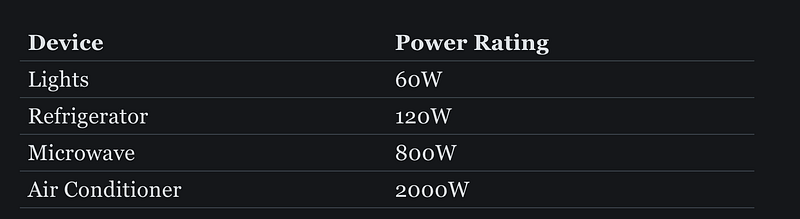
In the example above, the total power consumption for these devices would be 2,980 watts. This value serves as a reference for selecting a battery with the appropriate capacity to handle this load efficiently.
Remember, it’s always better to choose a battery with a higher capacity than your estimated power consumption to provide a buffer in case of unexpected power surges or a higher usage than anticipated.
Types of RV Batteries
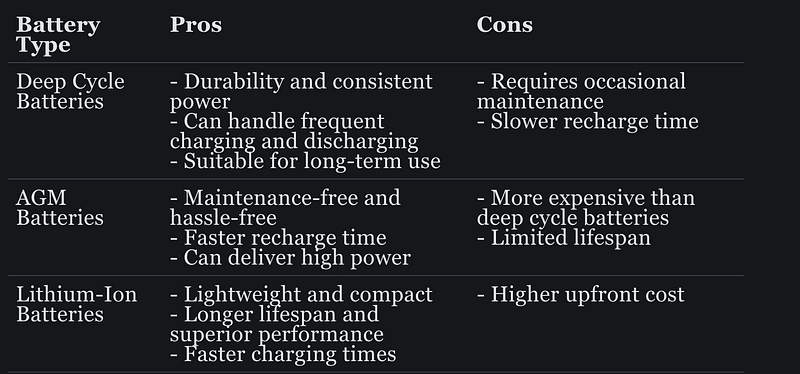
When it comes to choosing the best RV battery for your travels, it’s important to understand the different types available. Each type has its own advantages and disadvantages, and selecting the right one will ensure reliable power on your adventures. In this section, we will discuss the pros and cons of three key types of RV batteries: deep cycle batteries, AGM batteries, and lithium-ion batteries.
Deep Cycle Batteries
Deep cycle batteries are designed to provide a steady and sustained supply of power over an extended period. They are ideal for RVs as they can handle frequent charging and discharging cycles without impacting their lifespan significantly. Deep cycle batteries are known for their durability and ability to provide consistent power, making them a popular choice among RV enthusiasts. However, they may require occasional maintenance and have a slower recharge time compared to other battery types.
AGM Batteries
AGM (Absorbent Glass Mat) batteries are a type of sealed lead-acid battery that offers several advantages for RV owners. They are maintenance-free and require no watering or acid level checks, making them hassle-free to use. AGM batteries also have a faster recharge time and can deliver a high level of power when needed, making them suitable for RVs with demanding electrical systems. However, they are generally more expensive than deep cycle batteries and have a limited lifespan compared to other battery types.
Lithium-Ion Batteries
Lithium-ion batteries are gaining popularity in the RV community due to their numerous advantages. They are lightweight, have a longer lifespan, and can provide consistent power throughout their charge cycle. Lithium-ion batteries are highly efficient, allowing for a higher energy output and faster charging times compared to other types of batteries. While they are more expensive upfront, their longer lifespan and superior performance make them a cost-effective choice in the long run.
Understanding Battery Capacity
To choose the right RV battery, it’s crucial to understand battery capacity. Battery capacity is measured in amp-hours (Ah) and represents the amount of energy a battery can store. When considering factors for choosing an RV battery, understanding battery capacity is essential.
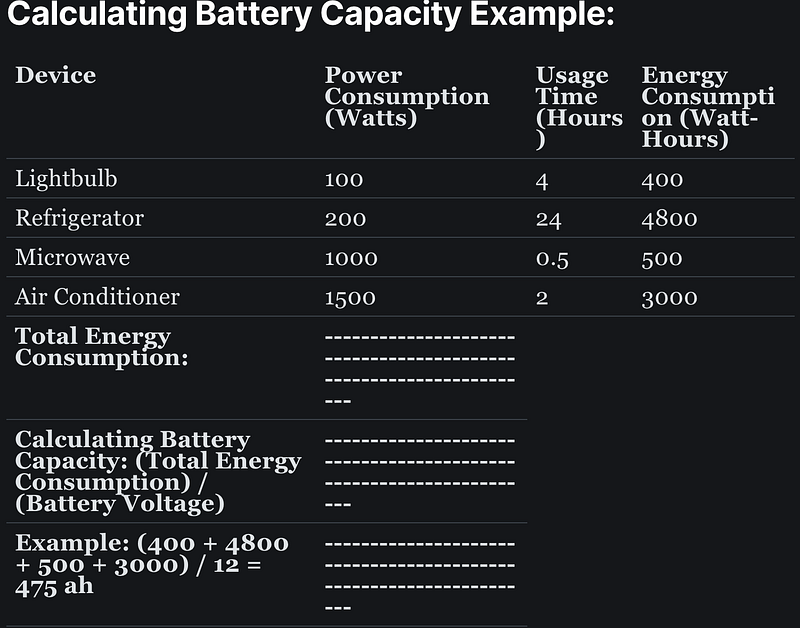
Calculating your battery capacity requirements is based on your power needs and usage patterns. To do this, you need to determine the total power consumption of the electrical appliances and devices you plan to use in your RV. Consider the wattage or amperage ratings of each device and estimate the number of hours you will use them each day.
For example, if you plan to use a 100-watt lightbulb for 4 hours a day, the power consumption would be 400 watt-hours (100 watts x 4 hours = 400 watt-hours). To convert watt-hours to amp-hours, divide the watt-hours by the battery voltage. If you have a 12V battery, divide 400 watt-hours by 12 volts to get a battery capacity requirement of approximately 33.3 amp-hours (400 watt-hours/12 volts ≈ 33.3 amp-hours).
Battery Voltage and Size
When choosing an RV battery, it is important to consider the battery voltage and size about your RV’s electrical system. These factors play a crucial role in ensuring compatibility and optimal performance of your battery.
Battery voltage refers to the electrical potential difference between the positive and negative terminals of the battery. RV batteries typically come in three common voltage options:
- 12V Batteries: These are the most commonly used batteries in RVs. They are versatile and can power a wide range of electrical devices and appliances found in an RV.
- 6V Batteries: These batteries are often used in pairs and connected in series to create a 12V system. They usually have a larger capacity than a single 12V battery, making them ideal for powering energy-intensive devices.
- 24V Batteries: These batteries are less common in RVs but can be used in specific situations where higher voltage is required. They are typically used in larger RVs or motorhomes.
Choosing the right battery voltage depends on the electrical system of your RV and the devices you plan to power. It is essential to ensure that your battery voltage matches the voltage requirements of your RV’s electrical components.
Aside from voltage, the size of the battery is another factor to consider. RV batteries come in various sizes and capacities. The size of the battery will determine its physical dimensions and weight. It’s important to choose a battery size that can fit in the designated battery compartment of your RV and can be safely installed.
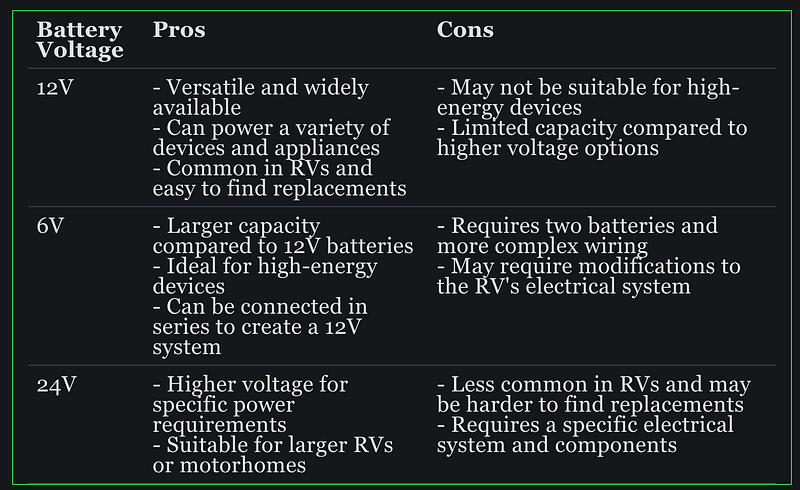
By considering the battery voltage and size, you can ensure that your RV’s electrical system is properly powered and that your battery meets the specific requirements of your devices and appliances.
Consider Battery Lifespan
The lifespan of an RV battery is a crucial factor to consider when choosing the right battery for your needs. A longer battery lifespan means less frequent replacements and lower long-term costs. To ensure you select a battery with a longer lifespan, take the following factors into account:
- Battery Type: Different battery types have varying lifespans. Some batteries, like lithium-ion batteries, generally last longer than others. Consider the pros and cons of each battery type to determine which one is best for your RV.
- Quality: Investing in a high-quality battery from a reputable brand can significantly improve its lifespan. Well-established brands often prioritize durability and longevity in their products, ensuring you get a reliable battery that will last.
- Maintenance: Proper battery maintenance is essential for prolonging its overall life. Regularly check the battery’s electrolyte levels, clean the terminals, and perform any recommended maintenance routines. Refer to the manufacturer’s guidelines to ensure you’re following the correct maintenance procedures.
- Usage Patterns: Your battery’s lifespan can also be affected by how it is used. Avoid deep discharges and excessive drain, as these can shorten the battery’s life. Utilize battery management systems or monitors to keep track of the battery’s state of charge and prevent over-discharging.
By considering these factors and implementing appropriate maintenance practices, you can maximize the lifespan of your RV battery and enjoy reliable power for your travels.
Maintenance Tips for RV Batteries
Follow these maintenance tips to prolong the lifespan of your RV battery:
- Regularly inspect the battery: Check for any signs of damage or corrosion and clean the terminals if necessary.
- Keep the battery clean and dry: Avoid exposing the battery to excessive moisture or direct sunlight, as it can damage the battery’s casing.
- Avoid overcharging or undercharging: Use a battery charger or converter specifically designed for RV batteries to prevent damage caused by incorrect charging.
- Monitor the battery’s water levels: For lead-acid batteries, check the water levels regularly and top up with distilled water if needed.
- Store the battery properly: If your RV will be unused for an extended period, remove the battery and store it in a cool, dry place.
Charging Options for RV Batteries
When choosing an RV battery, it’s important to consider the various charging options available to ensure a reliable power supply during your travels. Different charging methods offer unique advantages and may be more suitable for your specific needs. Let’s explore some of the popular charging options for RV batteries:
Solar Panels
Solar panels are a sustainable and convenient option for charging RV batteries. They harness the power of the sun and convert it into usable energy, reducing the reliance on traditional charging methods. Solar panels can be installed on the roof of your RV and provide a continuous source of power as long as there is sunlight. With advancements in solar technology, panels can efficiently charge your batteries even on cloudy days, providing a reliable and eco-friendly charging solution.
Generators
Generators are a popular choice for charging RV batteries, especially when camping in remote locations without access to electrical hookups. These portable power sources run on fuel, such as gasoline or propane, and generate electricity to charge your batteries. Generators offer flexibility and can provide a high charging capacity, making them ideal for powering multiple devices and appliances simultaneously. However, they can be noisy and may require periodic refueling.
Understanding Battery Warranty and Support
When choosing an RV battery, it’s important to consider not only its technical specifications but also the warranty and customer support provided by the manufacturer. The warranty and level of support can significantly impact your experience and peace of mind.
A comprehensive warranty ensures that you’re protected against any manufacturing defects or premature failures. It gives you the confidence that the battery you choose is backed by the manufacturer’s commitment to quality and durability. Look for batteries with reasonable warranty periods, preferably covering a minimum of two to three years.
Aside from the warranty, consider the level of customer support provided by the battery manufacturer. A responsive and helpful customer support team can assist you in troubleshooting any issues you may encounter and provide guidance on proper battery maintenance. Look for companies that offer easy-to-access support channels, such as phone, email, and live chat.
When evaluating battery warranty and support, consider the following factors:
- The duration of the warranty period
- What types of defects or failures are covered
- How to initiate a warranty claim
- The manufacturer’s reputation for honoring warranty claims
- The availability of customer support channels
By taking warranty and support into consideration, you can ensure that you’re choosing an RV battery from a reputable brand that stands behind its products. With a reliable warranty and accessible support, you’ll have peace of mind knowing that you’re covered in case of any unforeseen issues or concerns.
Conclusion
Choosing the right RV battery is essential for a smooth and enjoyable travel experience. By considering factors such as power needs, battery type, capacity, voltage, lifespan, and brand reputation, you can make an informed decision that meets your specific requirements.
When determining your power needs, think about the electrical appliances and devices you’ll be using during your camping trips. This will help you estimate the battery capacity required to ensure a sufficient power supply.
Understanding the different types of RV batteries available, such as deep cycle batteries, AGM batteries, and lithium-ion batteries, allows you to weigh the advantages and disadvantages of each option, ensuring you choose the one best suited for your needs.
Additionally, the battery’s voltage and size should be compatible with your RV’s electrical system to ensure optimal performance. Considering the battery’s lifespan, installation and maintenance requirements, as well as safety measures and charging options, will contribute to its longevity and overall functionality.
Finally, exploring reputable RV battery brands and their warranties, customer support, and reputation for quality and performance will help you select a battery that provides reliable power, longevity, and support for all your RV adventures. By following the tips and considerations outlined in this article, you can confidently choose the right RV battery for your travels.