
Choosing Life: A Hard-hitting Look at Trainspotting’s Iconic Slogan that Still Resonates Today
Life isn’t theorized; it’s lived.
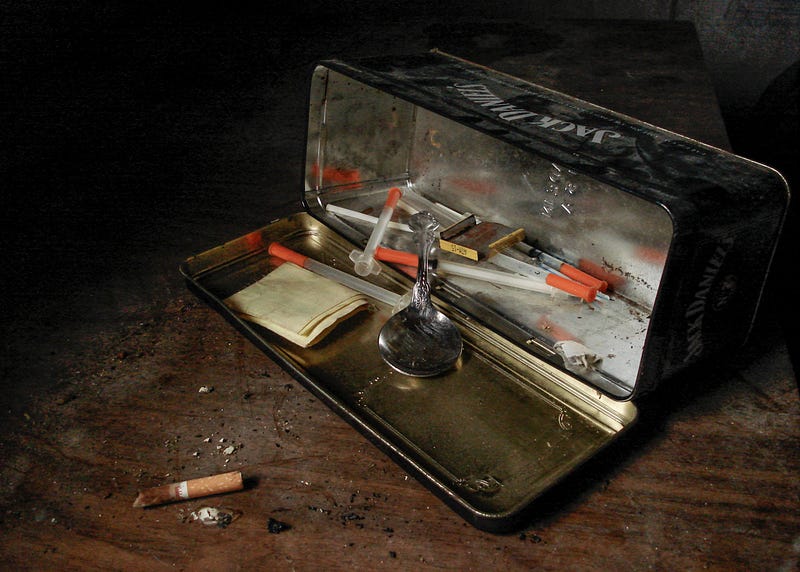
“Choose Life. Choose a job. Choose a career. Choose a family. Choose a fucking big television, choose washing machines, cars, compact disc players and electrical tin openers. Choose good health, low cholesterol, and dental insurance. Choose fixed interest mortgage repayments. Choose a starter home. Choose your friends. Choose leisurewear and matching luggage. Choose a three-piece suit on hire purchase in a range of fucking fabrics. Choose DIY and wondering who the fuck you are on Sunday morning. Choose sitting on that couch watching mind-numbing, spirit-crushing game shows, stuffing fucking junk food into your mouth. Choose rotting away at the end of it all, pissing your last in a miserable home, nothing more than an embarrassment to the selfish, fucked up brats you spawned to replace yourselves. Choose your future. Choose life… But why would I want to do a thing like that? I chose not to choose life. I chose something else. And the reasons? There are no reasons. Who needs reasons when you’ve got heroin?”
-Renton, Trainspotting (1996)
It’s been nearly 25 years since these words were uttered from the box-office hit movie Trainspotting. Based on Irvine Welsh’s cult-hit novel of the same name, the movie not only hit a cultural nerve at the time, but it also captured the mid-90’s temperament, a time when the Thatcherist regime had come to an end, unemployment in urban areas were in high numbers, and disenfranchised youths flocked to den-dwelling substances in order to escape their reality.
The movie’s opening monologue starts off with the protagonist, Renton listing off the checklist that life has somewhat become, from the steadiness of a 9 to 5 job, car insurance, mortgage, DIY, family, and all the rest that comes with having a secure and settled life.
As a representative of the disenfranchised youths, Renton, offers a counter-proposal to becoming a victim of the ‘mundane’ and ‘mediocre’ existence, in the form of heroin, moreso of what it represents.
Whether it’s heroin, alcohol or any form of substance, the film commentates on the time-tested story of man’s battle between choosing nihilism through pleasure versus taking the responsibility for one’s life.
On the surface, pleasure offers a sexy, appealing and immediate gratification, a feeling so ingrained in our culture, that it’s lambasted on every advert and billboard as a selling ploy that lures us in. We crave it, we yearn for it, even though we know better.
Responsibility, however, is a dirty word. It’s a painful reminder of the duties and obligations that come with being a human; reinforcing that we’re never fully free because we always have something to do, or are bound to something that we can never truly escape.
So having compared the two, like Renton mentions, why would we ever want to choose all the things that make up a mediocre life? Why wouldn’t we want to escape the suffering of life and just give in to every form of pleasure imaginable? Who in their right mind would want to choose ‘responsibility’?
The Dark Realities of Nihilistic Hedonism
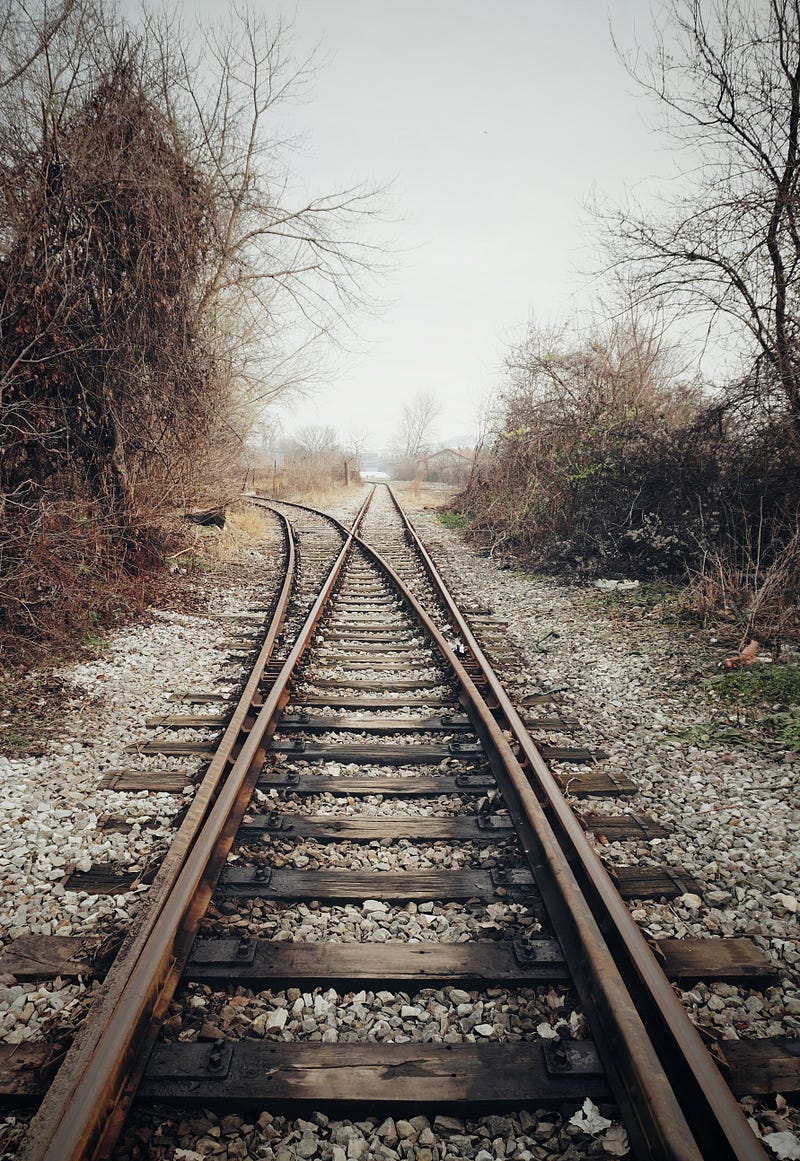
“When a person can’t find a deep sense of meaning, they distract themselves with pleasure”.
- Viktor Frankl, Neurologist and Holocaust Survivor
Pleasure by itself isn’t necessarily the problem. It’s the dependence, the bingeing, the over-indulgence that’s the problem.
Hedonism values pleasure above all else, often to the point of debauchery and self-destruction. Add nihilism into the mix and the temptation to push the boundaries of pleasure in a realm where ‘nothing really matters’ is a dangerous and potentially lethal combination.
Pleasure has no ceiling. Once it has become the norm, it ceases to have the same desired effect as it initially did. It’s human nature to want to up the ante, the dosage, forever chasing that allusive dragon that simply cannot be caught.
To live a nihilistic life means, yes, one can live a life of frivolousness through impulsive and undisciplined means, but having a worthwhile meaning to their life, beyond the pursuit for the next fix, will always allude them.
The consequences of having a life of responsibility means that the very least that one can attach a meaning, a notable purpose for their existence.
But how do we find a meaning?
In the past, humans have drawn meaning from religion and ideological movements, but over the years it’s arguably fallen on the shoulders of the individual to find such a purpose.
According to Nietzsche, we should look within, to find our untapped potential and realise it to its full capacity in order to truly become human:
“…we are not humans from the start; we need to become human. Toward this end, we need the insight “that only we are responsible for ourselves, that accusations that we have missed our life’s calling can be directed only at us, not some higher powers”. We are in no need of the delusion of a supernatural world, because the very task of becoming human is the truly colossal achievement.”
— Rudiger Safranski, Nietzsche: A Philosophical Biography
Of course we all want the best for our lives, yet time and time again we’ve fallen victim to life’s disappointments, suffering an regret to even muster the strength to venture forward, turning to pleasure and reckless behavior over choosing and acting out a deeper sense of meaning.
For each of the main characters of Trainspotting, this fate befalls them all.
Pick a ‘Meaning’: Trainspotting vs. T2
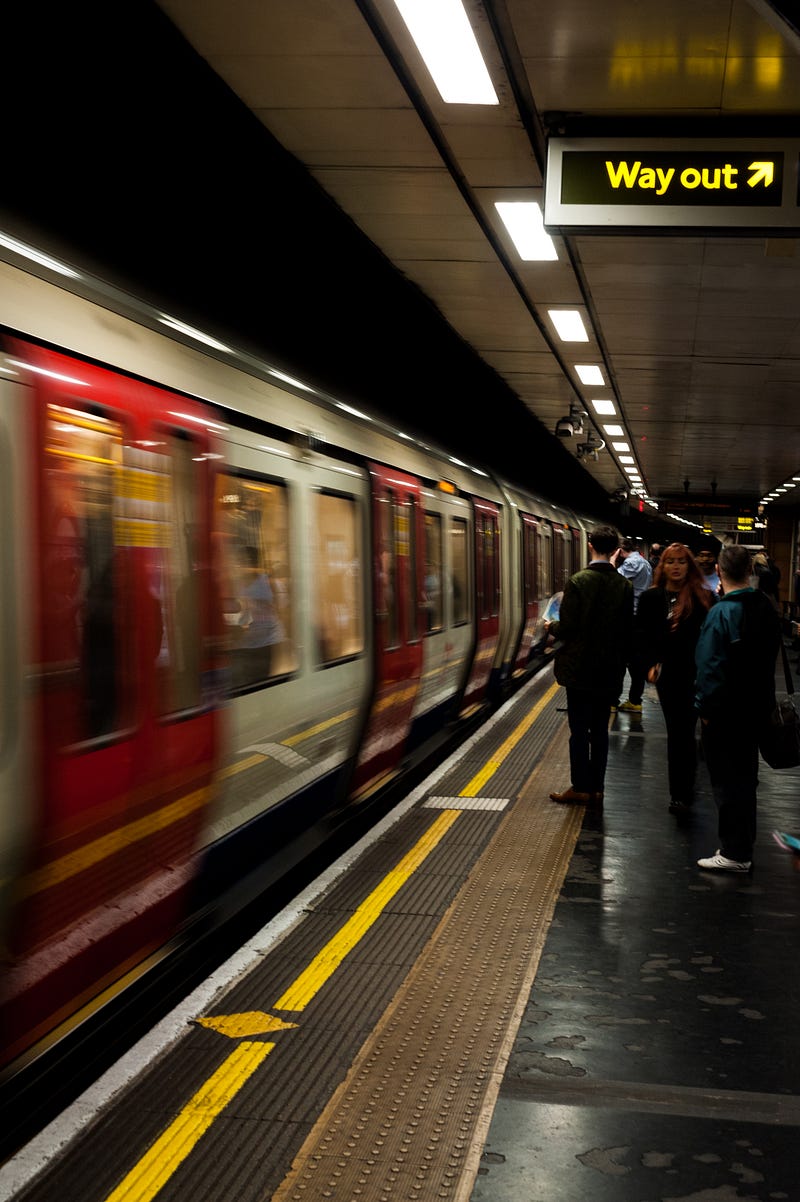
Over twenty years after its initial release, its sequel T2 Trainspotting (2017) came out. Since then, mind-numbing addictions have evolved, with new players on the scene under the guise of binge-watching and social media to add to the tally.
In the film, Renton spouts an updated version to his Choose Life monologue, commenting on the rise of materialism and hypocrisy that comes in today’s climate:
‘‘Choose designer lingerie, in the vain hope of kicking some life back into a dead relationship. Choose handbags, choose high-heeled shoes, cashmere and silk, to make yourself feel what passes for happy. Choose an iPhone made in China by a woman who jumped out of a window and stick it in the pocket of your jacket fresh from a South-Asian Firetrap. Choose Facebook, Twitter, Snapchat, Instagram and a thousand others ways to spew your bile across people you’ve never met. Choose updating your profile, tell the world what you had for breakfast and hope that someone, somewhere cares. Choose looking up old flames, desperate to believe that you don’t look as bad as they do…Choose live-blogging, from your first wank ’til your last breath; human interaction reduced to nothing more than data. Choose ten things you never knew about celebrities who’ve had surgery. Choose screaming about abortion. Choose rape jokes, slut-shaming, revenge porn and an endless tide of depressing misogyny. Choose 9/11 never happened, and if it did, it was the Jews. Choose a zero-hour contract and a two-hour journey to work. And choose the same for your kids, only worse, and maybe tell yourself that it’s better that they never happened. And then sit back and smother the pain with an unknown dose of an unknown drug made in somebody’s fucking kitchen. Choose unfulfilled promise and wishing you’d done it all differently. Choose never learning from your own mistakes. Choose watching history repeat itself. Choose the slow reconciliation towards what you can get, rather than what you always hoped for. Settle for less and keep a brave face on it. Choose disappointment and choose losing the ones you love, then as they fall from view, a piece of you dies with them until you can see that one day in the future, piece by piece, they will all be gone and there’ll be nothing left of you to call alive or dead. Choose your future. Choose life’’.
-Renton, T2 Trainspotting (2017)
After watching it a few times, it became apparent that the overlying theme of the film was not only about the consequences of the meaning we choose in life, but the ones we fail to choose as well.
For Begbie, the last 20 years of partaking in gratifying violence have led to his imprisonment. For Simon aka Sick Boy, he is still a scam artist living month to month still dabbling in substances from time to time. For Spud, 20 years of drug-taking and disappointing his ex-partner and son has led him to take his own life (and would have successfully done so if not for Renton’s intervention). While Renton, 20 years after fleeing with a bag full of money, he is now in a state of limbo in his life wondering what to do next after enduring a life-affirming heart attack.
According to the film when we’re stuck in life and we find ourselves incapable of moving forward, we have to look in our own rearview mirror and confront our past, in order to, truly venture forward with our lives.
As the film’s ending suggests, perhaps we are indeed better off choosing the responsibility of a normal life, rather than falling victim to our own debase nature.
What other practical choice do we have?
‘‘You’re going to pay a price for every thing you do and everything you don’t do. You don’t get to choose to not pay a price. You get to choose which poison you’re going to take. That’s it.’’
- Jordan B. Peterson, clinical psychologist
Maybe there isn’t a perfect path.
Maybe we just need to stop dwelling and theorizing life, pick a path, and try and make it as meaningful as we possibly can and be responsible for the consequence of that choice, regardless of what the outcome may be.
Life is meant to be lived after all.


